Dry FliesSparkle Half-hog
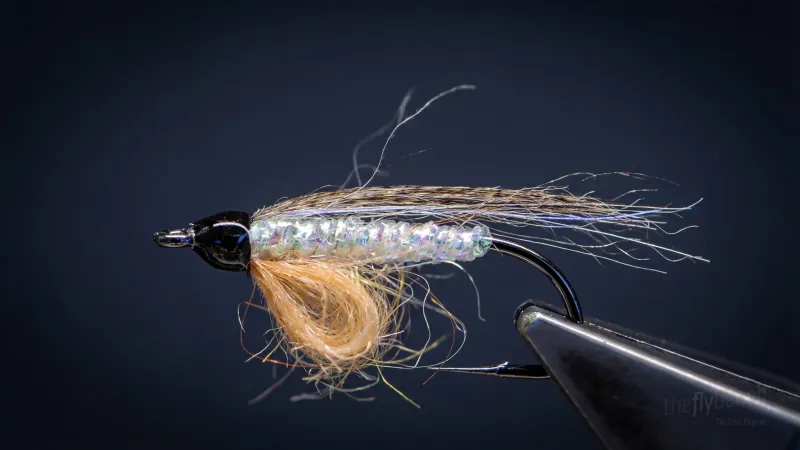
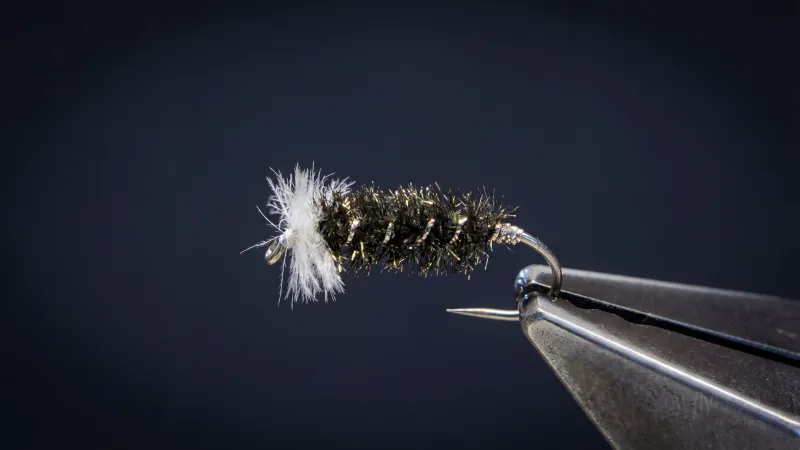
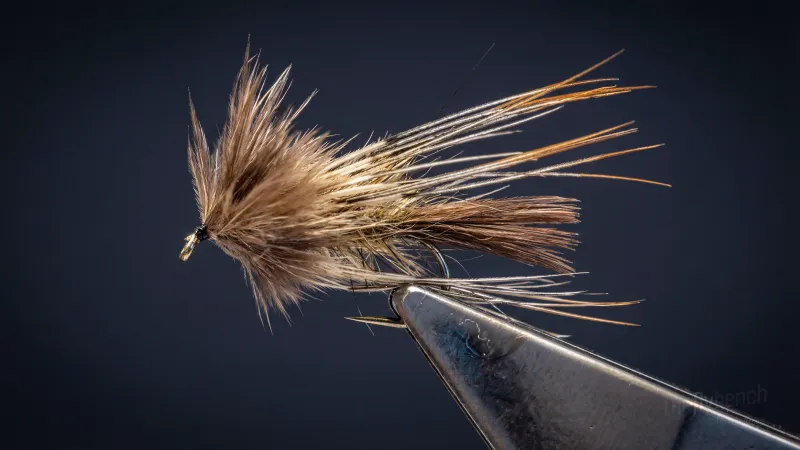
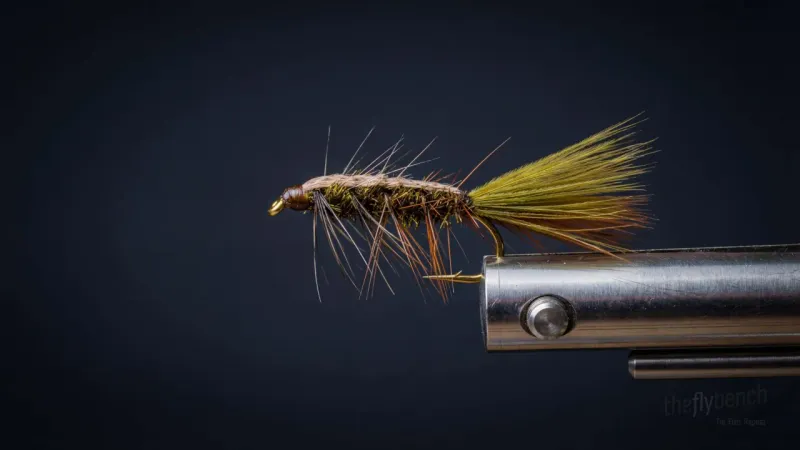
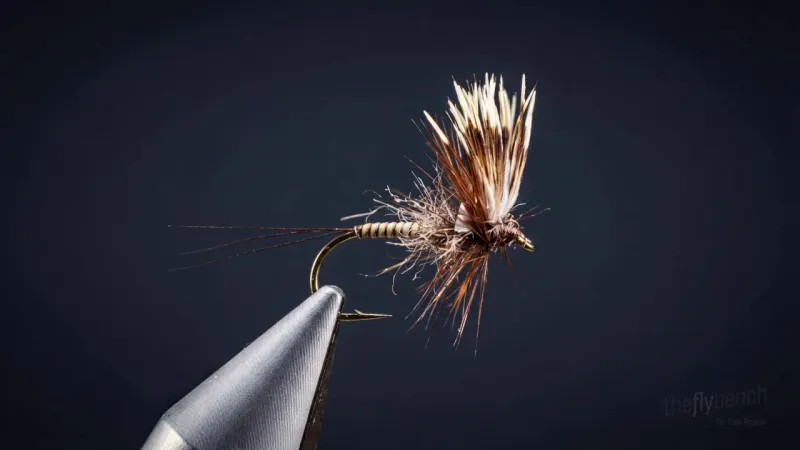
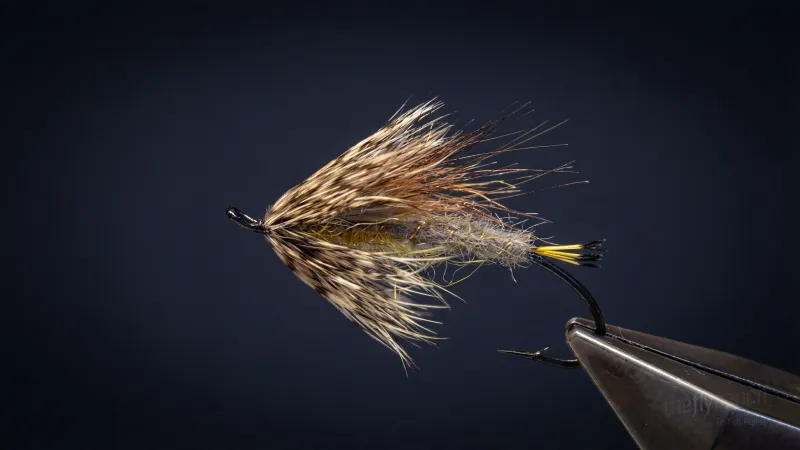
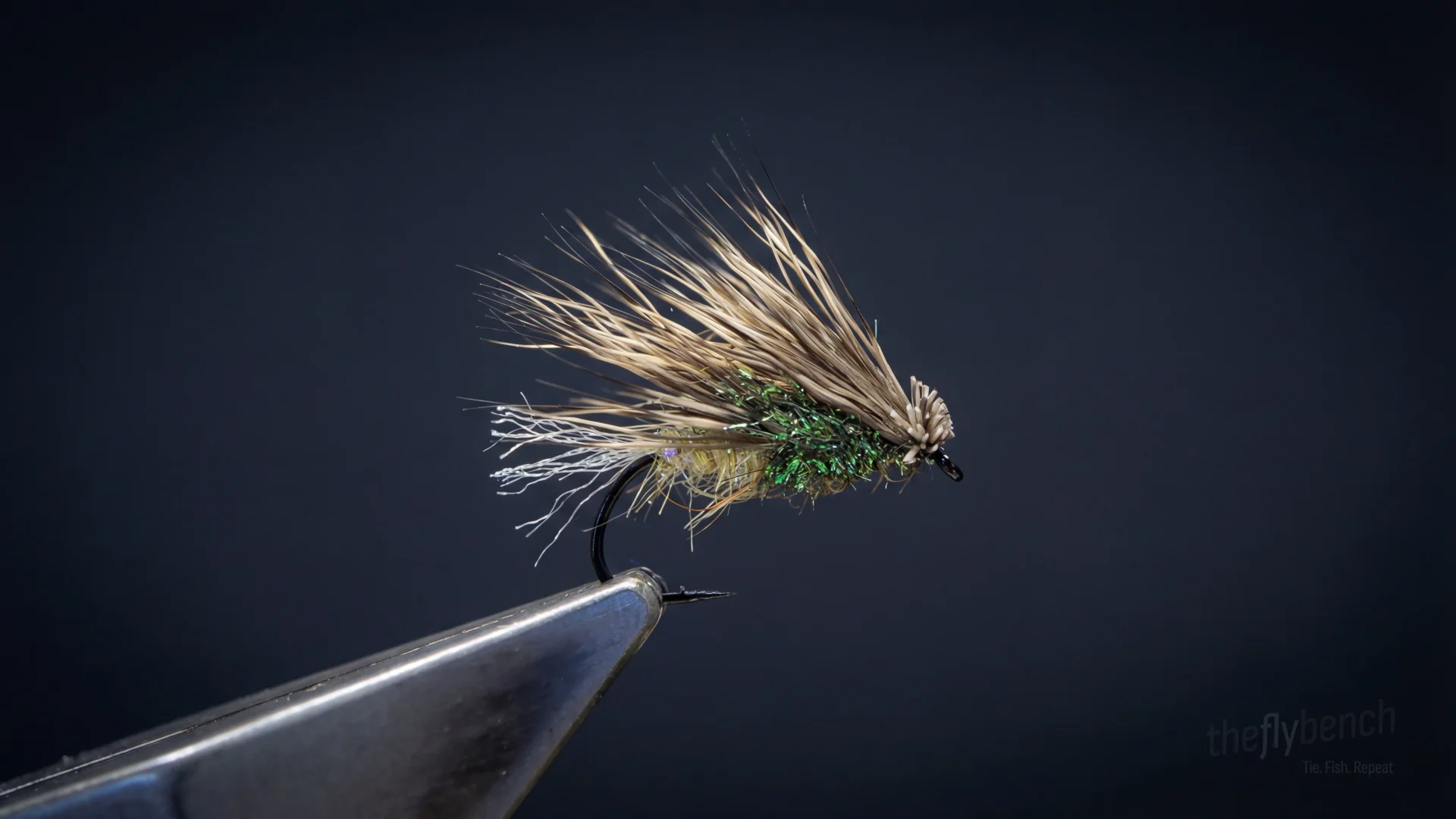
Goran Grubic's Sparkle Half-hog ties deer hair in twice, once partway back on the hook as a rear wing and again at the head, leaving a segmented, two-toned silhouette between them. Amber Ice Dub and peacock SLF Prism dubbing fill the abdomen and thorax with flash, backed by a silver Z-lon shuck trailing off the bend.
Spring, Summer, Fall
Intermediate
Trout
Feb 2026
Overview
A silver Z-lon shuck ties in at the rear, then amber Ice Dub builds the abdomen up to a clump of deer hair spun and clipped partway up the shank, an unusual mid-body wing that breaks the fly's profile in two. Peacock SLF Prism dubbing forms the thorax, and a second deer hair application at the head finishes the fly with its namesake bristly look. Goran Grubic designed it to suggest a caddis and a mayfly silhouette at once, useful when both are on the water together. The dual deer hair sections keep the fly floating high while the dubbed sections carry flash into the light.
Where to Buy This Fly
We only link to fly shops we trust. Some links are referral links, which may earn us a commission at no extra cost to you.
Materials
- Hook:
- Tiemco 102Y #13
- Thread:
- Benecchi 12/0, black
- Shuck:
- Z-lon, silver
- Abdomen:
- Ice Dub, amber
- Rear wing:
- Deer hair
- Thorax:
- SLF Prism, peacock
- Wing/Head:
- Deer hair
Behavior & Presentation
Natural Behavior: Caddisflies flutter and skitter across the water surface in short bursts, creating disturbances that telegraph their location to hungry trout. The erratic surface activity triggers aggressive feeding responses as fish interpret the commotion as an insect attempting to escape.
Where Trout Eat It: Fish take this pattern in surface and subsurface zones during overlapping hatches. The half-deer-hair construction works dry initially, then pulls subsurface if refusals occur.
How to Fish It: Start with dry fly presentation; if fish refuse, pull subsurface with light strips. The half-hog design transitions between dry and wet tactics without fly change.
Best Water: Pocket water, runs, and riffles where both caddis and mayflies are present simultaneously.
Strike Type: Surface takes typically produce splashy rises or aggressive grabs in riffles. If fished subsurface after refusals, expect a quick pull or line tightening as fish intercept the transitioning pattern during the swing.
Fishing Strategy
Rigging Suggestions: Fish on 9-12 foot leader with 4X-5X tippet. Can be used as the lead fly in a dry-dropper rig.
Seasonal Timing: Most effective during , , and hatches. Fish this pattern when conditions match the natural prey it imitates.
Pro Tips: Floats well with proper floatant application. The natural materials provide good visibility without spooking wary fish.
Entomology
Caddisflies flutter and skitter across the water surface in short bursts, creating disturbances that telegraph their location to hungry trout. The erratic surface activity triggers aggressive feeding responses as fish interpret the commotion as an insect attempting to escape.
- Order
- Trichoptera
- Common Name
- Caddisfly
- Organism Type
- insect
- Life Stage
- adult