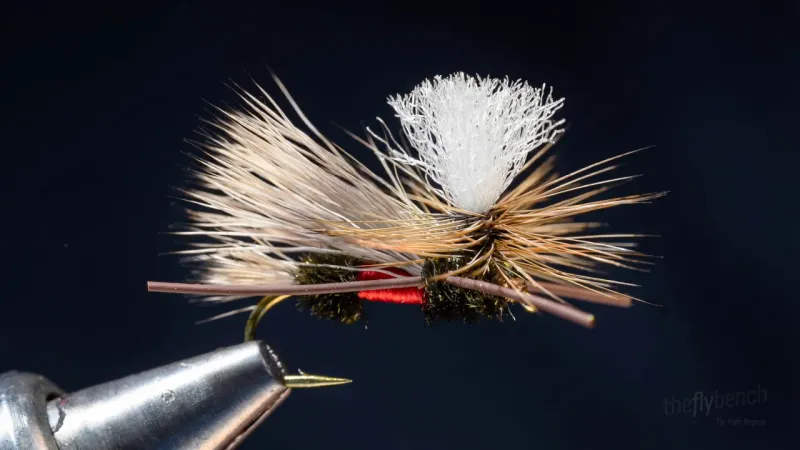
Dry FliesRubberleg Stimulator
A versatile dry fly designed to mimic a variety of aquatic insects. It's rubber legs provide enticing movement that triggers aggressive strikes from fish.
Spring, Summer, Fall
Intermediate
Trout
Apr 2025
Overview
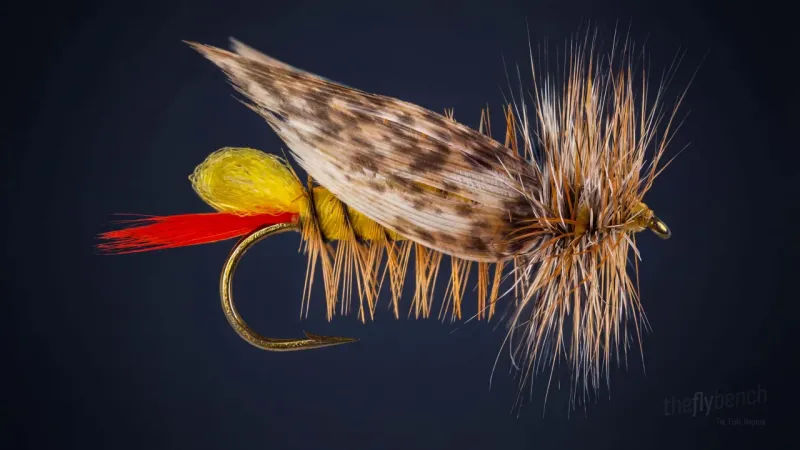
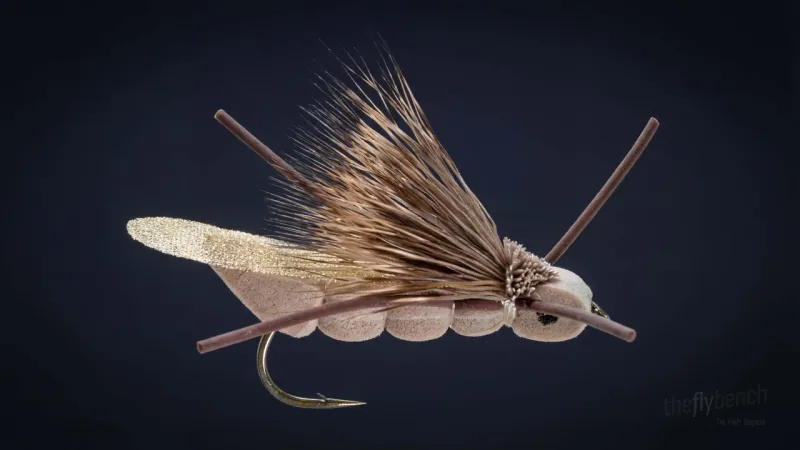
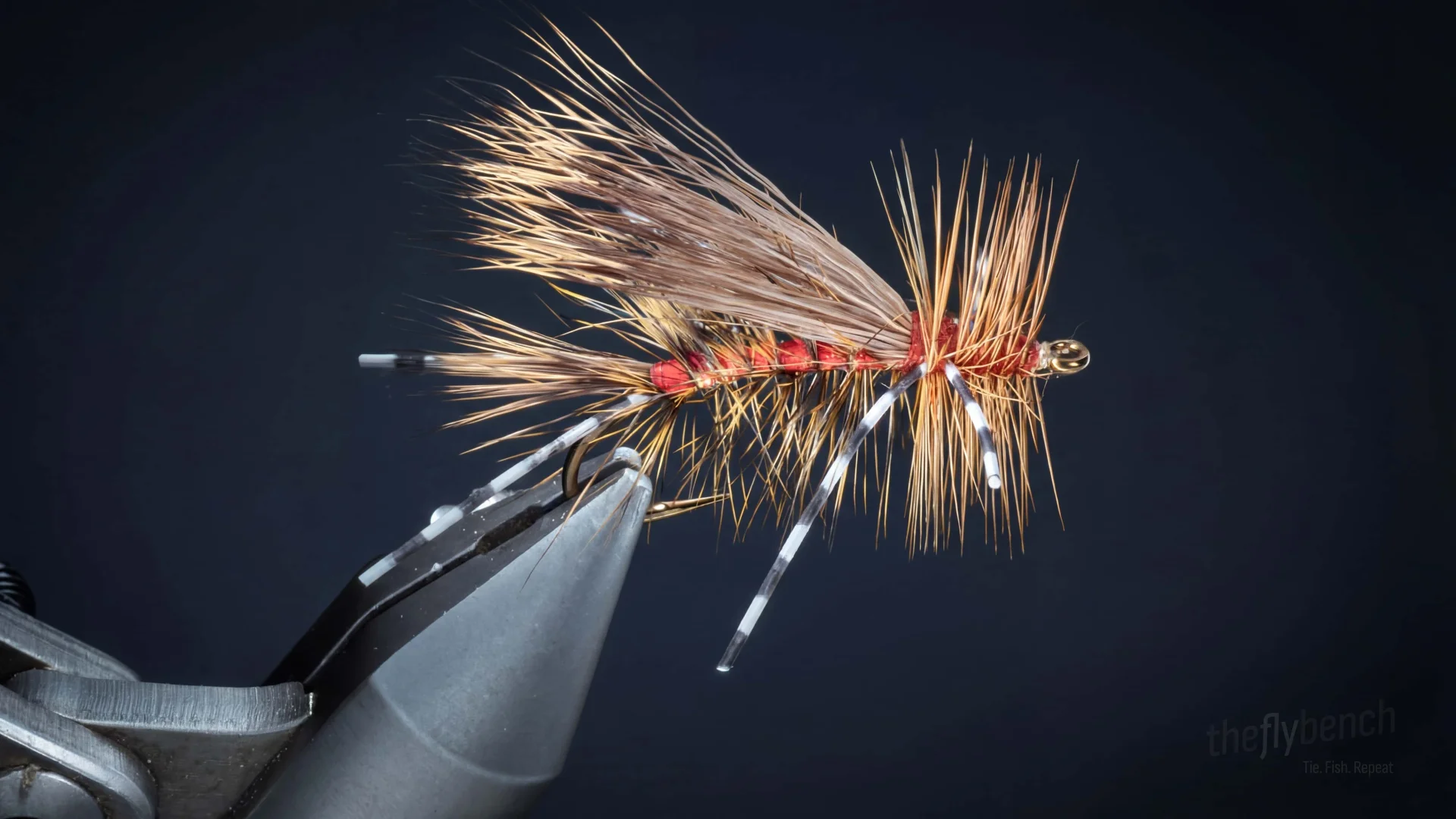
A beefed-up version of the classic Stimulator dry fly. Uses rubber legs for extra motion, with a segmented dubbed body, elk hair wing, and dense hackle. Great for hopper-dropper rigs or imitating stoneflies and large caddis in fast water.
Where to Buy This Fly
We only link to fly shops we trust. Some links are referral links, which may earn us a commission at no extra cost to you.
Materials
- Hook:
- #06–16 Tiemco 200R
- Thread:
- Orange Veevus 8/0
- Rib:
- Copper X-Small Wire
- Tail:
- Natural Deer Hair
- Body:
- Golden Brown Polar Dubbing or Superfine Dubbing
- Body Hackle:
- Brown Whiting High and Dry Rooster Cape
- Wing:
- Natural Deer Hair
- Legs:
- Natural Medium Grizzly Barred Rubber Legs
- Head:
- Red Polar Dubbing or Superfine Dubbing
- Head Hackle:
- Grizzly Whiting High and Dry Rooster Cape
Behavior & Presentation
Natural Behavior: Grasshoppers and terrestrials land clumsily on water after failed jumps, immediately kicking and struggling with frantic leg movements that create prominent wakes and splashing. Fish respond to this commotion with aggressive strikes, recognizing the substantial food value of large terrestrials.
Where Trout Eat It: Surface near banks, overhanging grass, and structure where terrestrials fall. Fish patrol edges and rise aggressively to struggling insects.
How to Fish It: Fish dry with natural drift or as indicator for dropper setup. The rubber legs provide enticing movement and high visibility in broken water.
Best Water: Bank structure, grass edges, seams, foam lines, riffle edges, and current breaks near terrestrial vegetation.
Strike Type: Watch for visible rises, rings expanding on the surface, or audible sips. Expect aggressive splashy takes.
Fishing Strategy
Rigging Suggestions: This fly can be fished alone, or as a dropper behind a larger dry fly.
Seasonal Timing: Best used when stoneflies and grasshoppers are abundant.
Pro Tips: The Rubberleg Stimulator is highly visible due to its size and color. It floats well due to the elk hair used in its construction.
Entomology
Grasshoppers struggle violently when they fall into the water from overhanging vegetation, their powerful legs kicking and creating prominent splashes and surface disturbance. Fish have learned to associate these commotion patterns with substantial food items during summer months, triggering aggressive feeding responses even from typically wary trout.
- Order
- Orthoptera
- Family
- Acrididae
- Common Name
- Grasshopper
- Organism Type
- terrestrial
- Life Stage
- adult