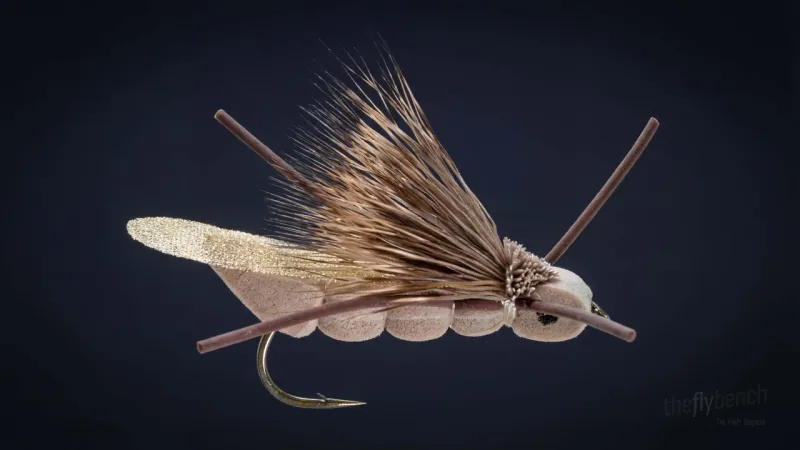
Dry FliesMSA Hopper
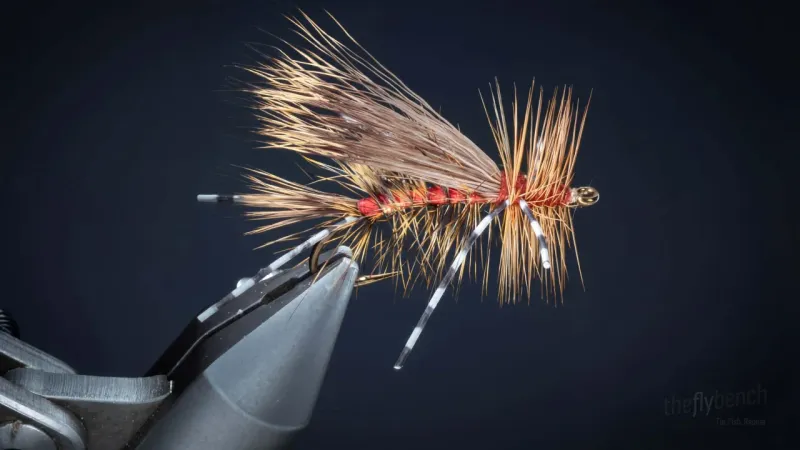
The MSA Hopper is a dry fly pattern designed by Tim Didas. This effective pattern combines traditional materials with proven techniques for consistent results in a variety of water conditions.
Spring, Summer, Fall
Intermediate
Trout
Feb 2026
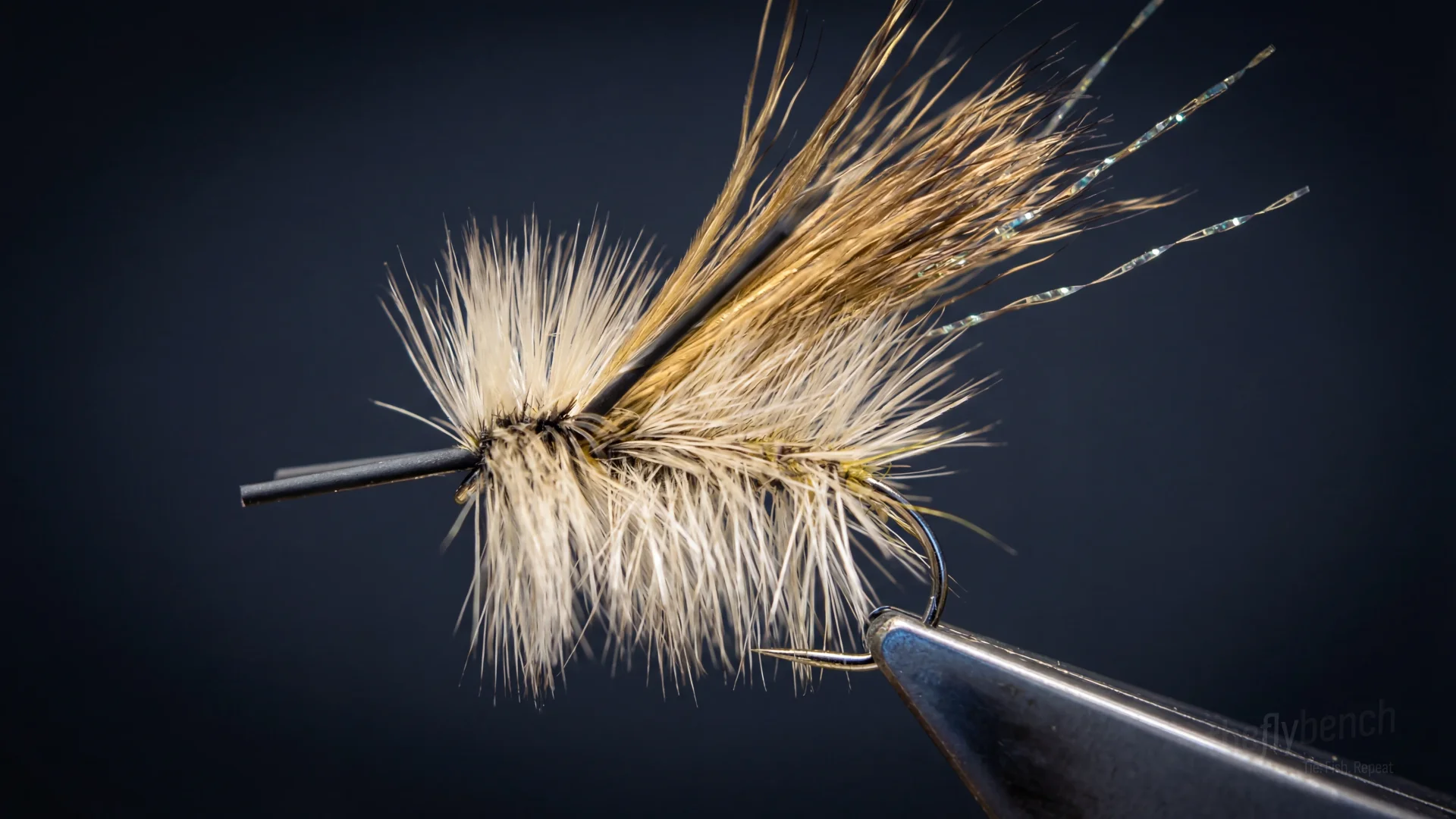
Overview
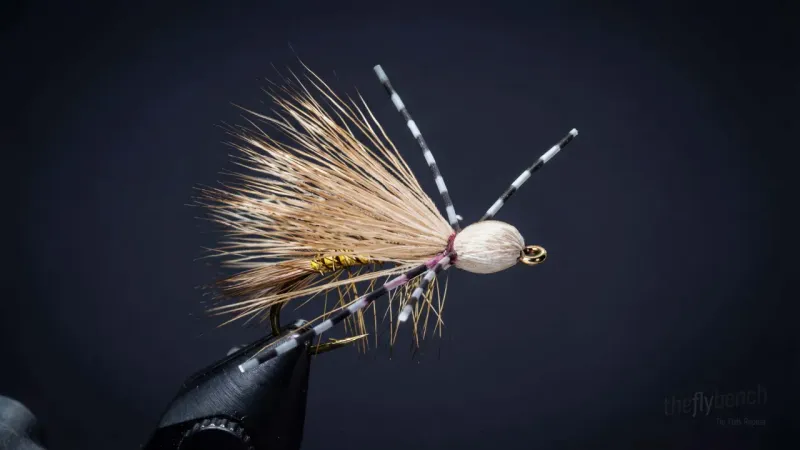
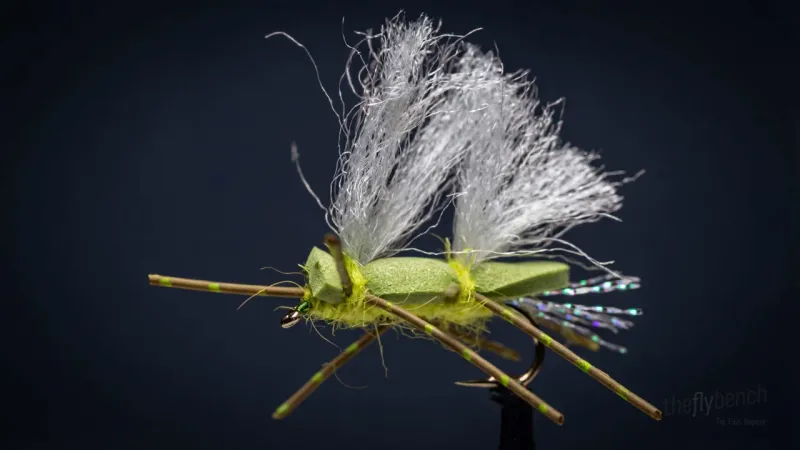
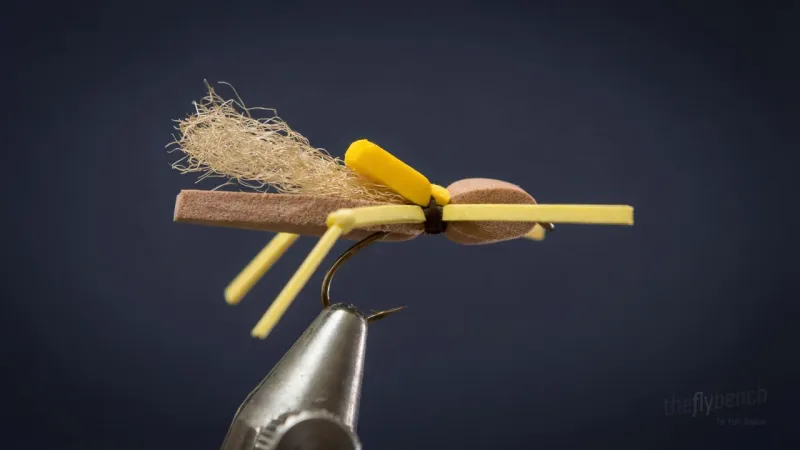
Tim Didas' MSA Hopper combines foam construction with realistic leg placement for a convincing grasshopper imitation. The extended foam body creates the proper buoyancy to support large hooks while the rubber legs add critical movement. The pattern's profile sits high on the water, mimicking a live hopper struggling on the surface. Its durability and visibility make it ideal for bank fishing during late summer when grasshoppers are abundant near agricultural areas.
Where to Buy This Fly
We only link to fly shops we trust. Some links are referral links, which may earn us a commission at no extra cost to you.
Materials
- Hook:
- 3 x long streamer
- Thread:
- to match hopper color
- Undertail:
- red yarn
- Body:
- Rainey=s foam or strip 1/4 in x 1/8 inch Craft foam
- Underwing:
- Krystal flash
- Overwing:
- deer hair
- Legs:
- Silli legs with a knot for knees
Behavior & Presentation
Natural Behavior: Grasshoppers crash-land on water during windy summer days, kicking their powerful hind legs and creating substantial disturbances. Their large size and commotion trigger aggressive strikes from fish who recognize these terrestrials as rare but substantial meals.
Where Trout Eat It: Trout target this large terrestrial tight to grassy banks where hoppers land after windy jumps, especially in agricultural areas with active grasshopper populations. Fish hold in feeding lanes along undercut banks and near overhanging vegetation where substantial insects crash-land.
How to Fish It: Dead drift tight to banks within 6 inches with occasional 'skitch' movements—small twitches that vibrate the fly like a struggling hopper rather than swimming it across surface. The high-floating foam body allows for confident strikes without immediate hook sets.
Best Water: Focus on banks with active grasshopper populations, tail-outs with calm water adjacent to grassy shorelines, and foam lines along undercut banks. The pattern excels in shallow bank runs and slower edges where trout can inspect the large profile.
Strike Type: Expect aggressive slashing strikes tight to banks where trout explode on the large foam profile. Fish often create violent surface disturbance that sends the fly airborne.
Fishing Strategy
Rigging Suggestions: Use a 9-12 foot leader tapering to 5X tippet for delicate presentations. Apply floatant to the body and hackle.
Seasonal Timing: Most effective during peak feeding periods at dawn and dusk. Water temperatures between 45-65°F typically produce best results.
Pro Tips: Focus on banks with active grasshopper populations. Make your casts count by targeting within 6 inches of the bank where trout expect terrestrials to land.
Entomology
Grasshoppers crash-land on water during windy summer days, kicking their powerful hind legs and creating substantial disturbances. Their large size and commotion trigger aggressive strikes from fish who recognize these terrestrials as rare but substantial meals.
- Order
- Orthoptera
- Family
- Acrididae
- Common Name
- Grasshopper
- Organism Type
- terrestrial
- Life Stage
- adult