


Overview
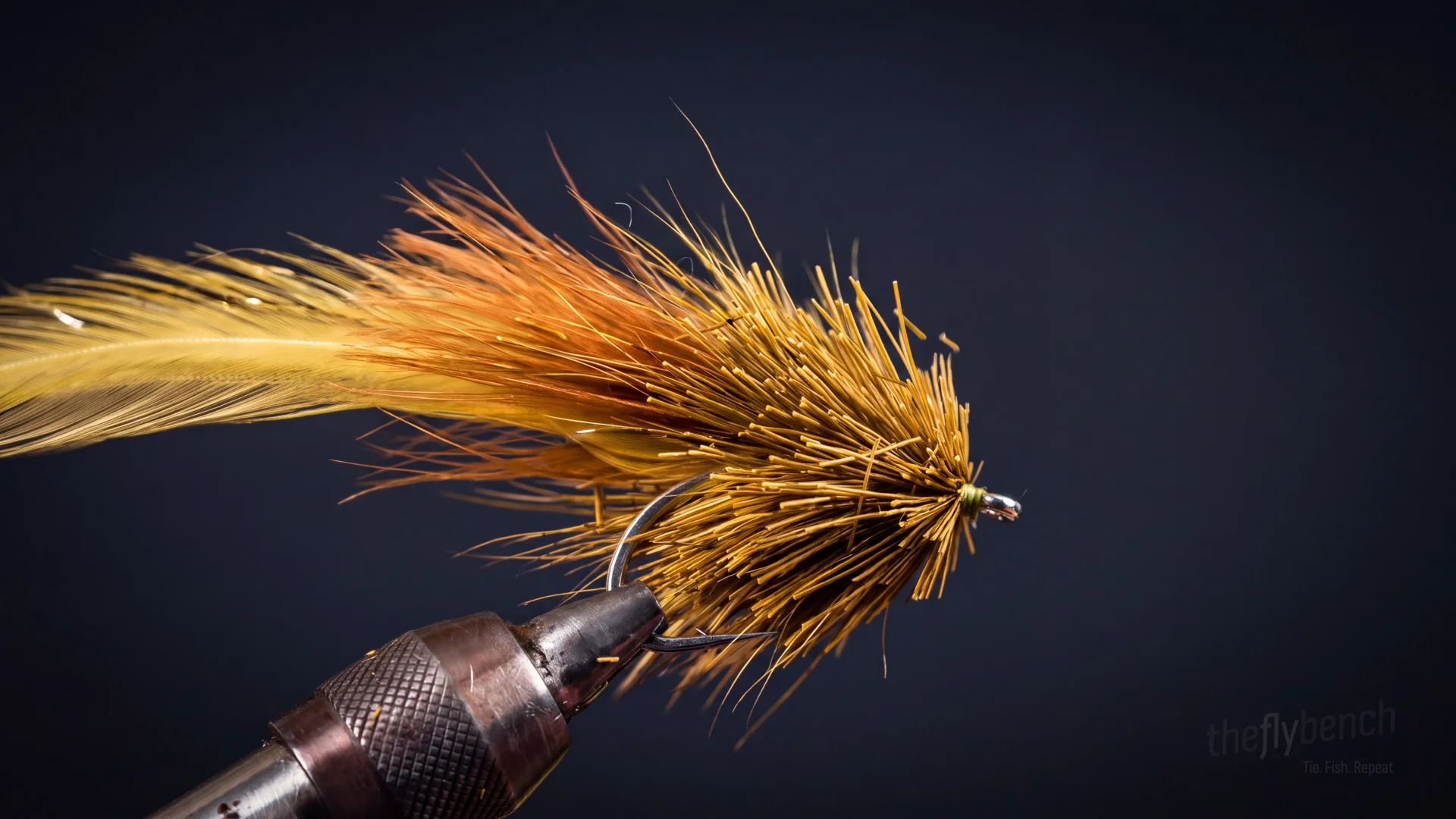
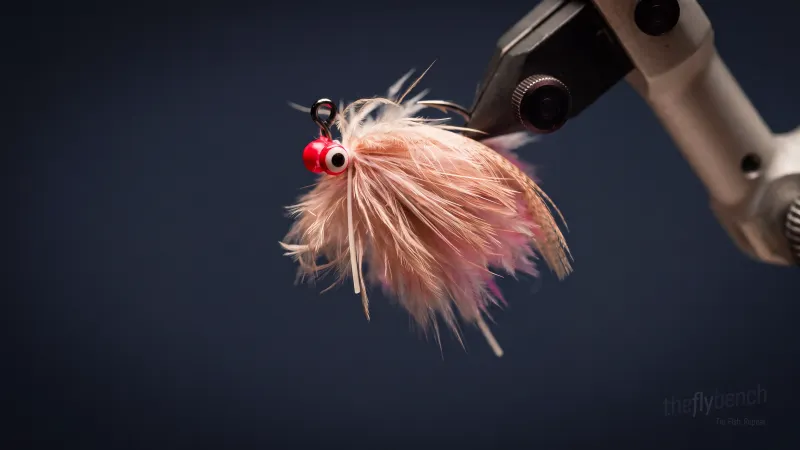
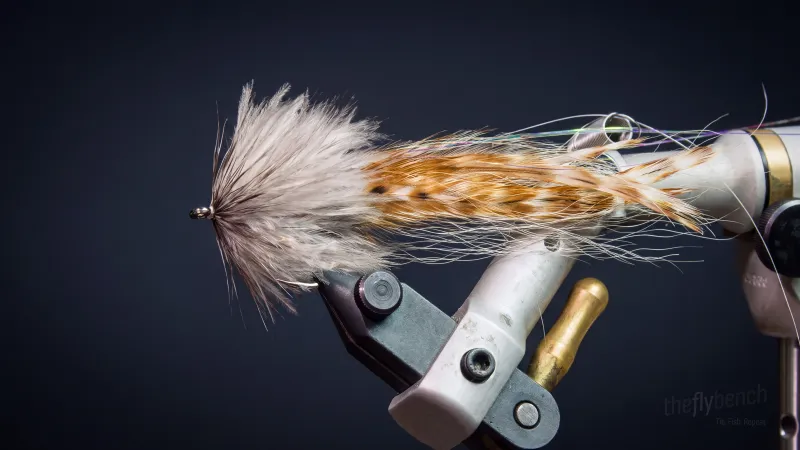
Steve Kantner, the Florida angler known as the Landcaptain, worked the Rivet out along the Tamiami Trail canals and Everglades backcountry, and he covers it in his 2019 book Backcountry Flies. Skip Clement, who fished with Kantner for over a decade, credits it with snook by the hundreds plus bass and jacks. Spin the deer hair tight and trim it to a tapered bullet so the fly lands softly and rides in the film. A 30 lb mono loop behind the tail keeps the long hackle from fouling around the hook. Swap to greens and yellows and it doubles as a bass frog.
Related patterns
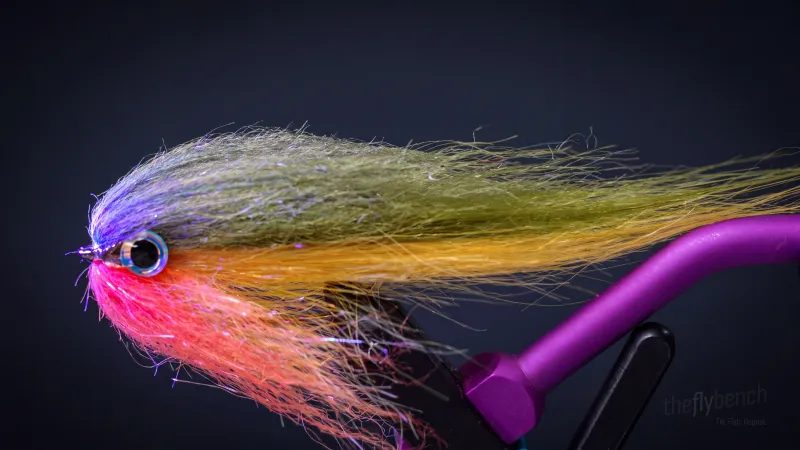

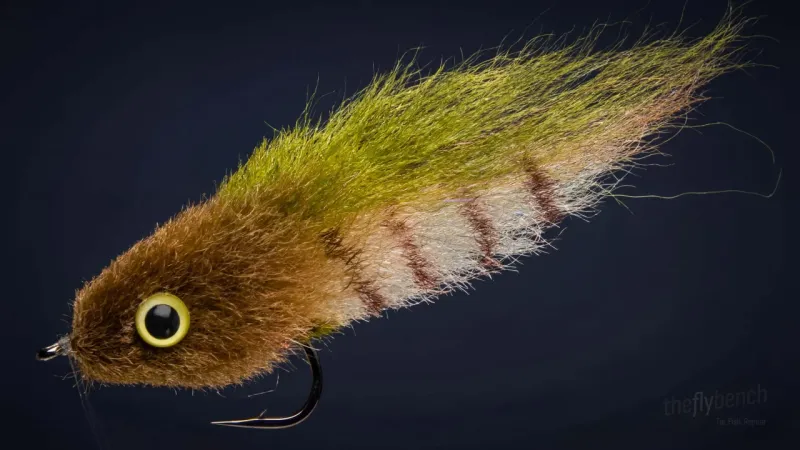
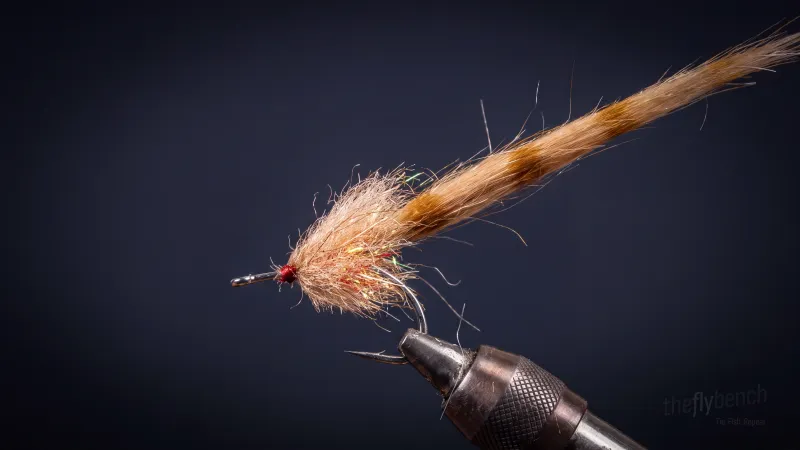
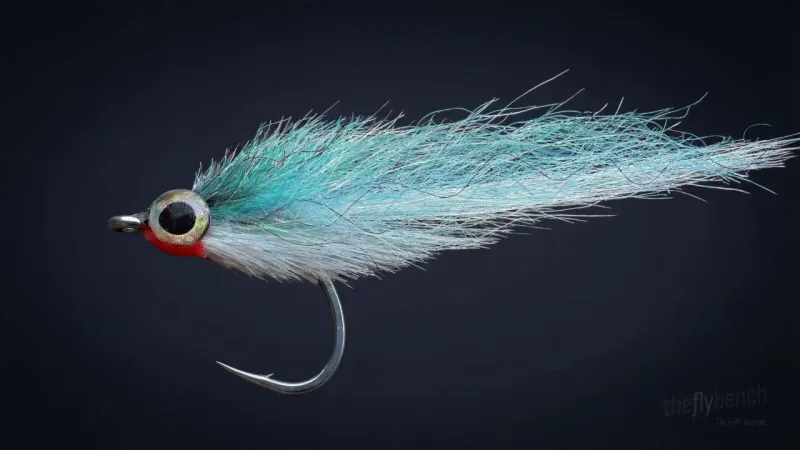
Behavior & presentation
- Natural Behavior
- A stunned or injured mullet, pilchard or killifish loses its balance and flutters just under the film, wobbling and stalling in short bursts. That helpless, side-to-side struggle is the signal a backcountry predator looks for before it commits.
- Where Trout Eat It
- Tarpon roll and snook ambush along mangrove shorelines, creek mouths and canal edges, taking wounded bait in the top foot of the water column.
- How to Fish It
- Land it softly a few feet ahead of a rolling tarpon or cruising snook, then strip it just below the surface with steady 6-12 inch pulls and short pauses so the deer hair head bulges water and the hackle tail swims.
- Best Water
- Mangrove points and undercut banks, dark creek mouths draining on a falling tide, eddy pockets behind oyster bars and the drop-off at canal edges.
- Strike Type
- A loud boil or swirl on the fly, often a gulp that pulls the line tight. Keep stripping until you feel full weight, then strip-set hard before lifting the rod.
Fishing strategy
- Rigging Suggestions
- Fish it on an 8-9 weight with a floating line and a 9-foot leader to 20-30 lb fluorocarbon, adding a short 40 lb bite tippet for tarpon. Tie on with a non-slip loop knot so the head can wobble freely.
- Seasonal Timing
- Best from spring through fall when water temperatures climb and baby tarpon and snook push into the Everglades backcountry and Tamiami Trail canals, with the most surface action at dawn, dusk and on overcast days.
- Pro Tips
- Poling quietly and casting to rolling fish is more productive than blind searching. Leave the head slightly fuller for a louder push in stained water, and trim it slimmer for a quieter entry over spooky fish.
Entomology
Injured or disoriented baitfish drift and flutter near the surface, unable to hold their place in a school. Their erratic, faltering movement and the wake they leave in the film make them an easy, high-value meal for tarpon, snook and other ambush predators patrolling shallow backcountry water.
- Common name
- Baitfish
- Organism
- baitfish
- Life stage
- general
Pattern details
- Saltwater
- Southeast
- Gulf Coast
- strip-retrieve
- active-retrieve
- sight-fishing
- warm-water
- classic