

Overview
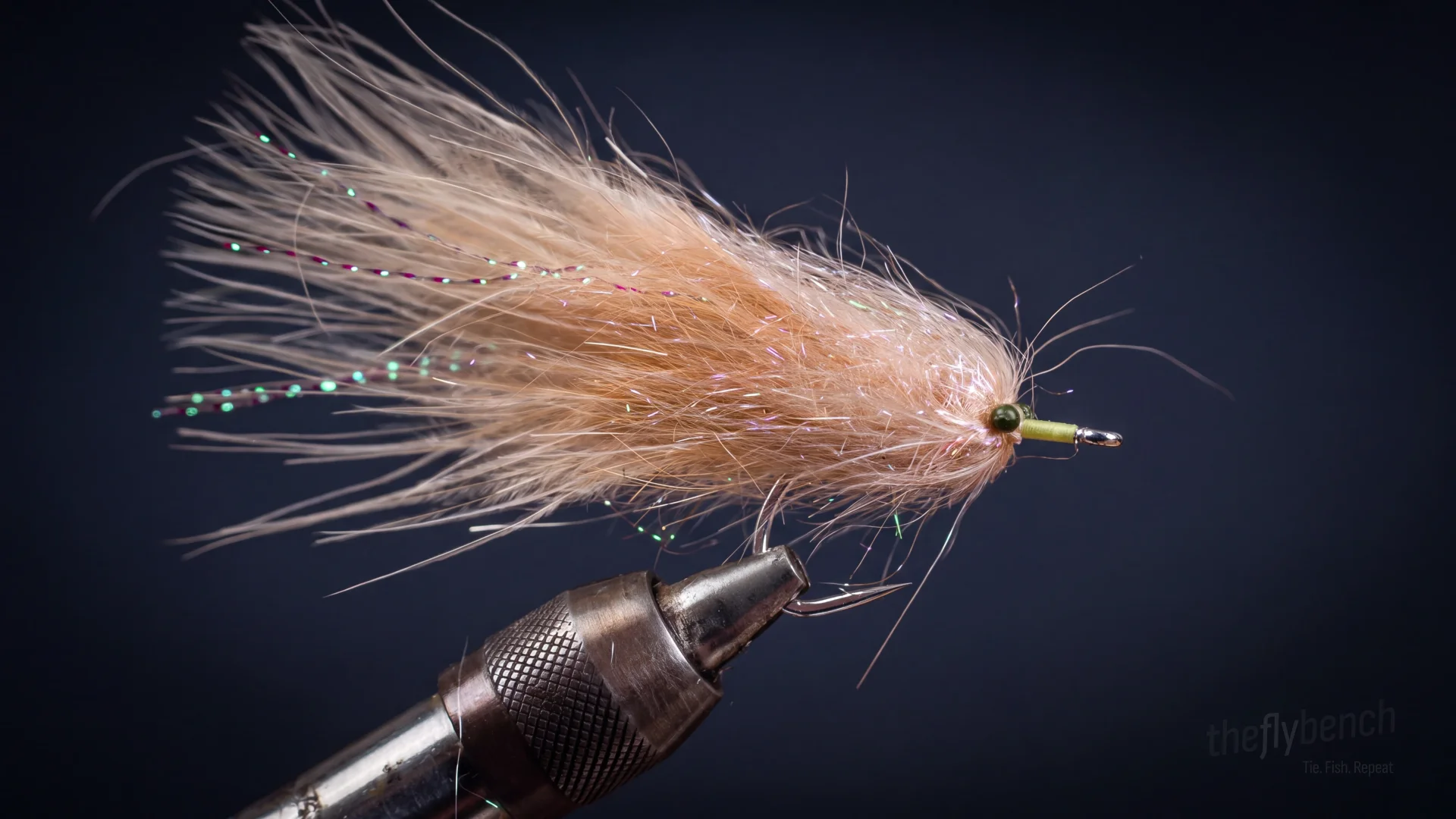
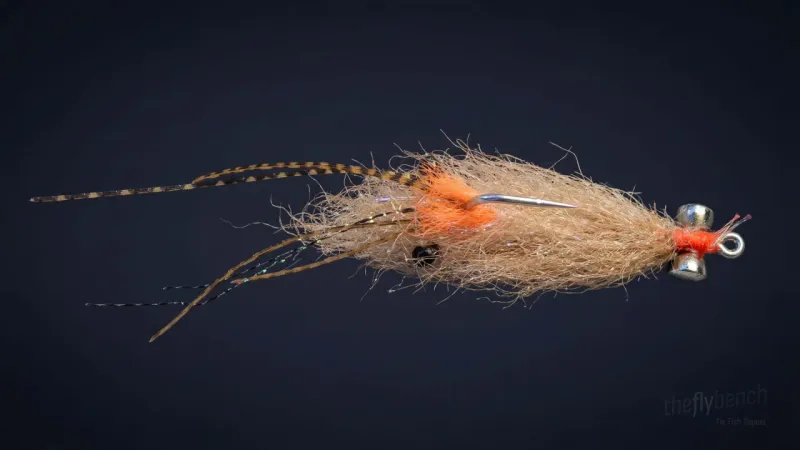
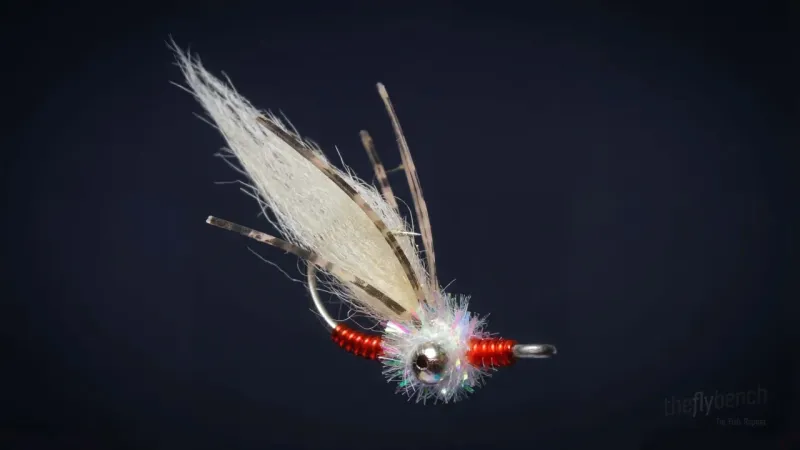
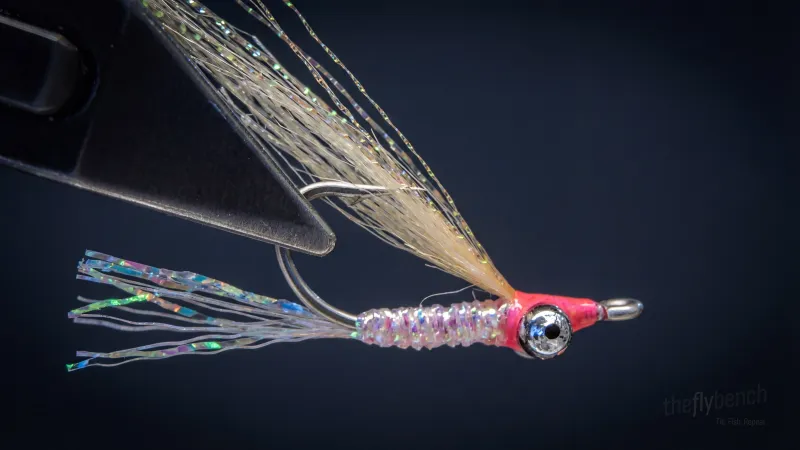
Named for angler Andy Mill, this refined take on the classic tarpon shrimp keeps materials thin so clear-water fish that study a fly up close see a soft, believable profile. Trident's Ryan Brod ties it on a 2/0 Gamakatsu SC15 with the mono eyes mounted farther back than usual, which slows the sink and adds swimming action. Wrap the rabbit and dubbing with touching turns so no bare shank shows to a fish looking up from below, cock the marabou tail upward to cut down on fouling, and add a 30 lb mono weed guard when fishing around sargassum or grass.
Related patterns
Behavior & presentation
- Natural Behavior
- Shrimp hold tight to grass beds and structure, then flick away in short backward bursts when a shadow passes, settling slowly back toward cover between darts.
- Where Trout Eat It
- Oceanside tarpon lanes along the Keys, where rolling and laid-up fish pick off shrimp drifting near grass and edges in clear water.
- How to Fish It
- Lead rolling or cruising tarpon and let the fly sink into their path, then use slow, long strips with pauses so the marabou and rabbit keep pulsing. Blind-cast likely holding areas when fish are not showing.
- Best Water
- Channel edges, basin drop-offs, grass-bed margins and sargassum lines along oceanside flats where tarpon travel the same routes each tide.
- Strike Type
- The line simply comes tight or the fish turns away with the fly; keep stripping and strip-set hard, saving the rod lift until the hook is buried.
Fishing strategy
- Rigging Suggestions
- Fish a 10 to 12 weight with a floating or clear intermediate line, a tapered leader to a 20 lb class section and a 60 to 80 lb fluorocarbon bite tippet joined with a loop knot.
- Seasonal Timing
- Best during the spring and early summer migration of tarpon along the Keys oceanside, when calm, bright days let you see fish coming.
- Pro Tips
- Keep a few tied with weed guards for grassy water. Because the set-back eyes slow the fall, cast farther ahead than you would with a heavier fly and start moving it only once it reaches the fish's level.
Entomology
Grass and snapping shrimp on Florida Keys flats spend daylight hours hidden among turtle grass and floating weed, venturing out along edges as tides move. When threatened they snap their tails to dart backward, then drift slowly downward, a pattern that predators such as tarpon learn to intercept. Their translucent tan bodies blend into sand and grass, so fish often key on movement and silhouette rather than color.
- Order
- Decapoda
- Common name
- Shrimp
- Organism
- crustacean
- Life stage
- general
Pattern details
- Saltwater
- Southeast
- sight-fishing
- strip-retrieve
- flats
- low-clear-water