




Overview
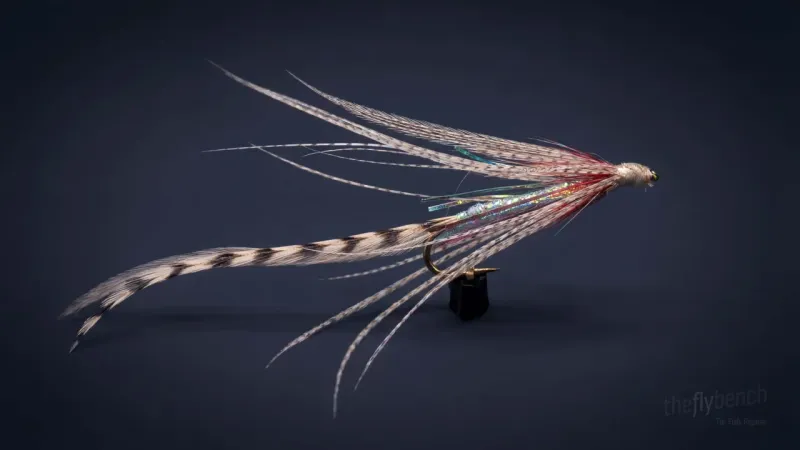
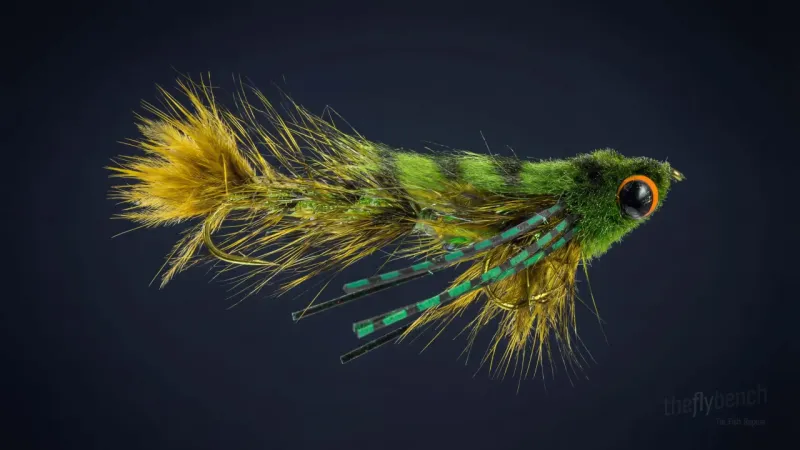
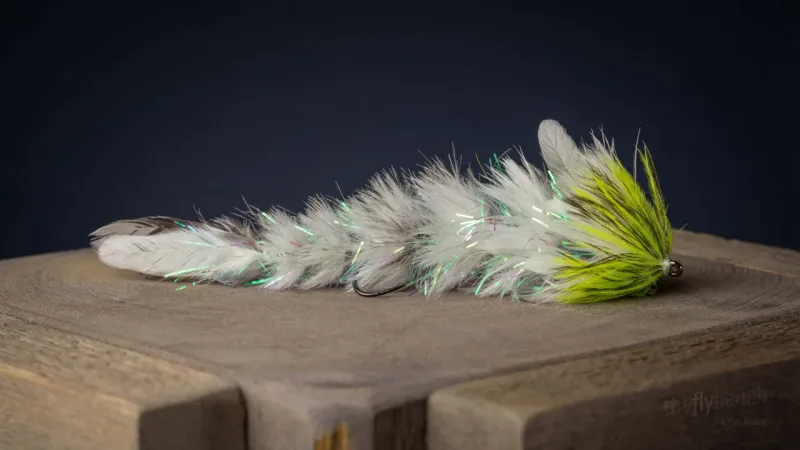
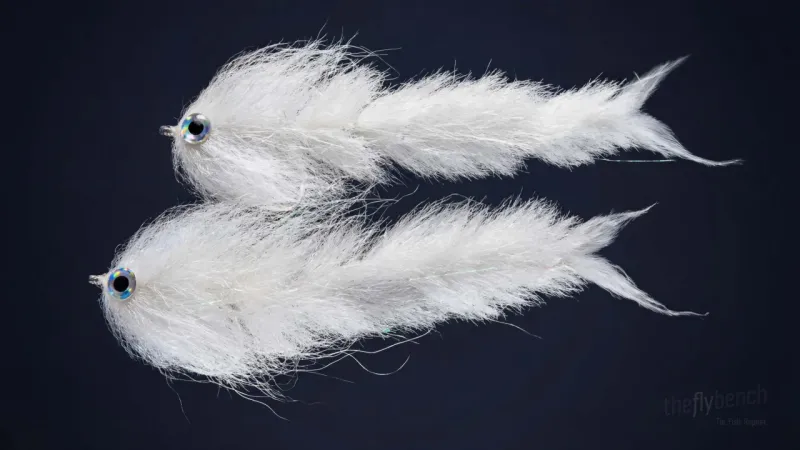
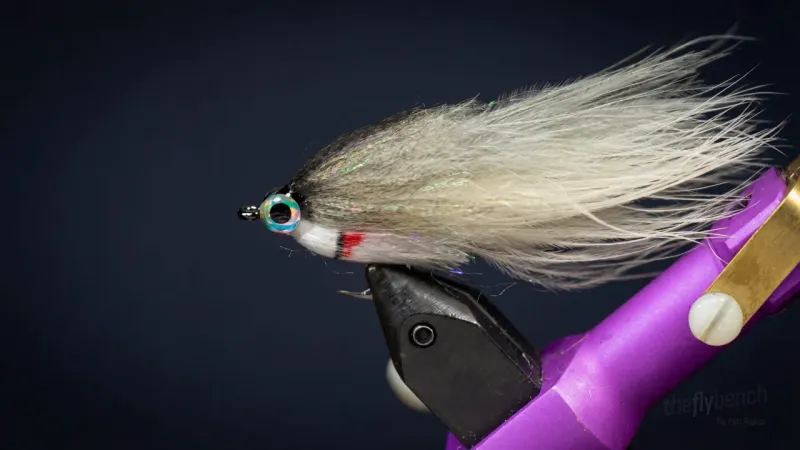
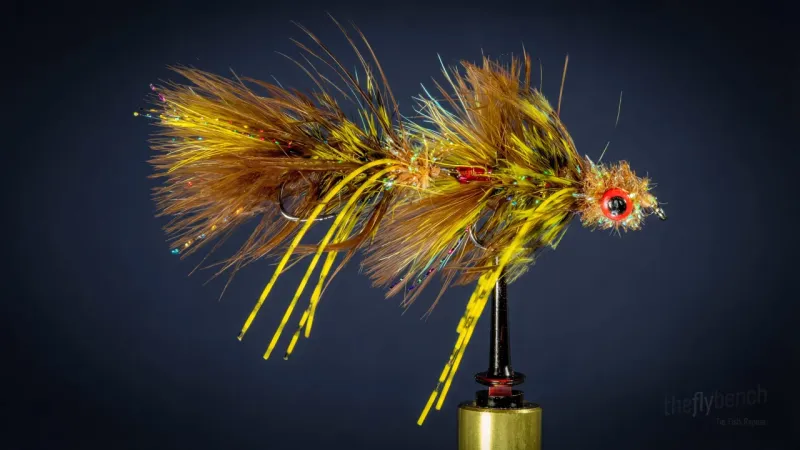
This pattern was popularized by Enrico Puglisi, whose EP Fibers revolutionized synthetic fly tying materials. The key to this fly is building up layers of EP Fibers and trimming them to shape a realistic baitfish profile. The fly can be tied in countless color combinations to match local forage fish, from chartreuse and white for freshwater minnows to pink and white for saltwater baitfish. The synthetic fibers shed water easily, making the fly lighter to cast than traditional bucktail patterns.
Related patterns
Behavior & presentation
- Natural Behavior
- Baitfish swim with erratic bursts of speed followed by glides, often moving toward structure or along current edges. Trout strike these baitfish aggressively because their fleeing behavior triggers predatory instincts.
- Where Trout Eat It
- Game fish attack this in transition zones where the EP Fibers create translucent, shimmering profile that predators detect along structure edges.
- How to Fish It
- Strip with varied retrieves mixing fast pulls and pauses to imitate fleeing or injured baitfish. Adjust depth with line choice.
- Best Water
- Saltwater flats during tide changes and freshwater current breaks where baitfish schools concentrate near structure.
- Strike Type
- Predators generate sharp strikes during retrieve transitions, particularly when the fly pauses or changes direction. Strip-set on sudden stops or heavy pulls as gamefish intercept the injured baitfish.
Fishing strategy
- Rigging Suggestions
- Use a 9-foot leader tapered to 0X-2X for freshwater, or 20-30 lb fluorocarbon for saltwater applications. A stripping basket helps manage line when wading. Consider an intermediate or sinking line to reach deeper fish.
- Seasonal Timing
- Effective wherever predatory fish are feeding on baitfish. Particularly productive during baitfish migrations and when fish are actively hunting.
- Pro Tips
- This is a sinking fly that can be fished at various depths depending on line choice and retrieve speed. The EP Fibers create a translucent, shimmering profile that mimics natural baitfish.
Entomology
Injured or disoriented minnows exhibit erratic swimming patterns, listing to one side or struggling to maintain depth as they flash their reflective scales during weakened escape attempts. Game fish preferentially target these compromised baitfish because they're significantly easier to capture than healthy specimens while still offering full nutritional value.
- Organism
- baitfish
- Life stage
- general
Pattern details
- Moving Water
- Stillwater
- Saltwater
- Caribbean
- Gulf Coast
- Great Lakes
- Midwest
- Northeast
- Southeast
- active-retrieve
- strip-retrieve
- classic
- searching-pattern
- flats