Dry FliesRenegade
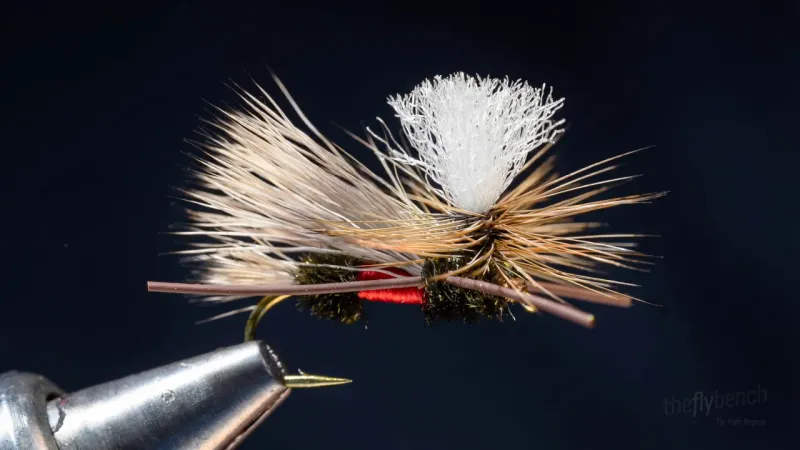
Versatile attractor pattern excels in fast-moving water and has become a favorite among experienced fly anglers. Dual hackle design imitates a flurry of insect activity on the water's surface, creating an irresistible target for opportunistic trout.
Spring, Summer, Fall
Intermediate
Trout
Apr 2025
Overview
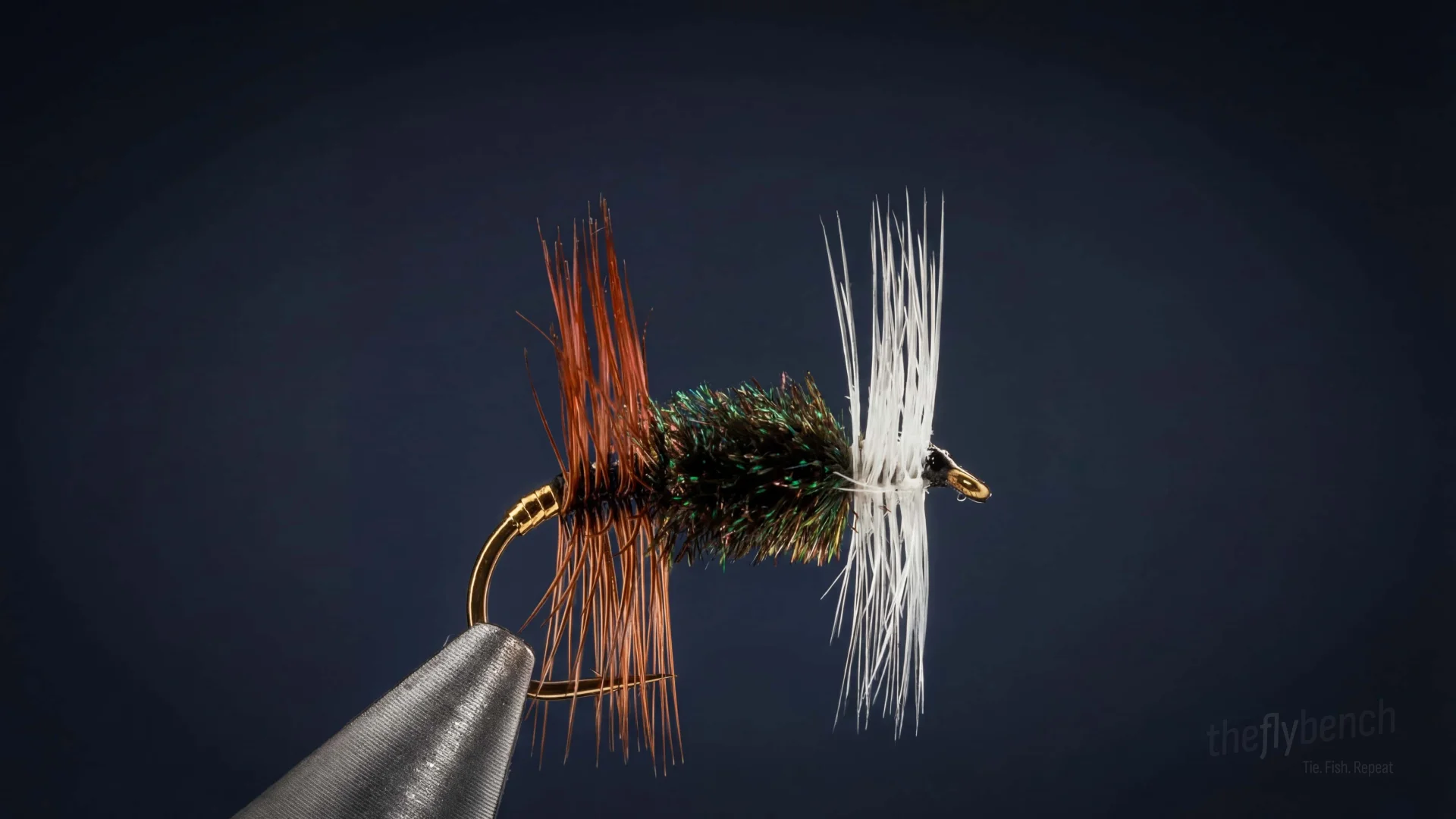
Classic dry fly pattern dating back to the early 1930s featuring peacock body, white hackle at the front, brown hackle at the rear, and split tail. The double hackle creates exceptional buoyancy while the peacock body adds natural iridescence that attracts fish. Often used as a searching or attractor dry when no specific hatch is present. The contrasting hackle colors make it highly visible to both fish and angler.
Where to Buy This Fly
We only link to fly shops we trust. Some links are referral links, which may earn us a commission at no extra cost to you.
Materials
- Hook:
- #12–20 Tiemco 100SP-BL
- Thread:
- Black Veevus 14/0
- Tag:
- Gold Krystal Flash
- Hackle:
- White and Brown Rooster Cape or Saddle
- Body:
- Peacock Herl
Behavior & Presentation
Natural Behavior: Multiple insects create surface commotion simultaneously, triggering opportunistic feeding. The dual hackle design suggests clustering activity that draws aggressive strikes from fish looking for easy meals during periods between specific hatches.
Where Trout Eat It: Surface film in riffles, pocket water, and runs where choppy water conceals anglers and maintains aggressive feeding behavior.
How to Fish It: Dead drift naturally through feeding lanes, allowing the high-floating design to ride turbulent water. The contrasting hackle remains visible in broken surface.
Best Water: Riffles, pocket water, current breaks, and foam lines where surface turbulence concentrates opportunistic feeders.
Strike Type: Expect visible rises, splashy eats, or sudden surface disturbances. Watch for rings expanding from the fly.
Fishing Strategy
Rigging Suggestions: Fish it alone on 9-12 foot leaders with 4X-5X tippet, or as the indicator fly in a dry-dropper setup with a beadhead nymph 18-24 inches below.
Seasonal Timing: Best fished April through October when trout are most active. Peak effectiveness occurs during May-June and September when fish feed opportunistically between hatches.
Pro Tips: The dual hackle design provides buoyancy, allowing the fly to float high on the water. The contrasting colors of the hackle make it highly visible in fast water and low light conditions.