Dry FliesRoyal PMX Parachute Madam X
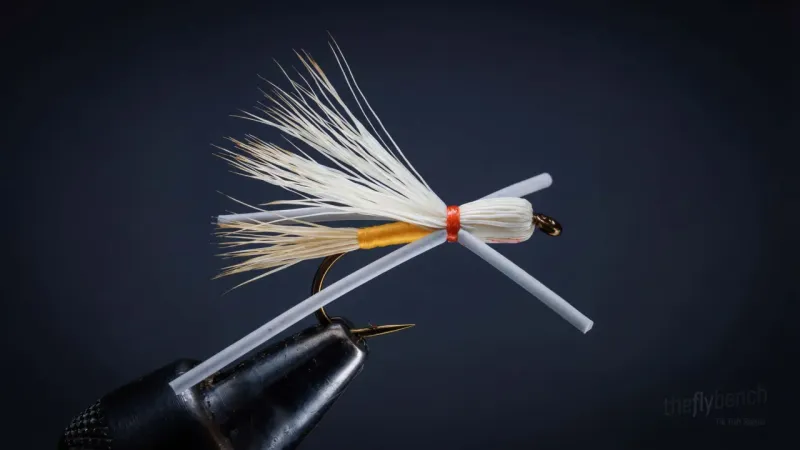
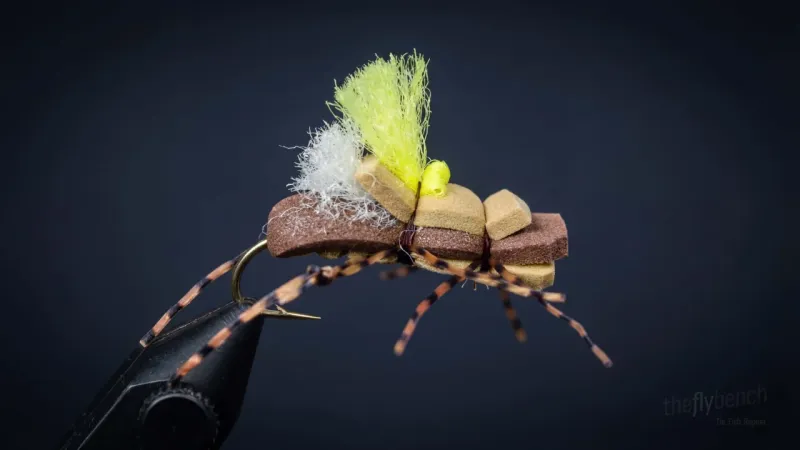
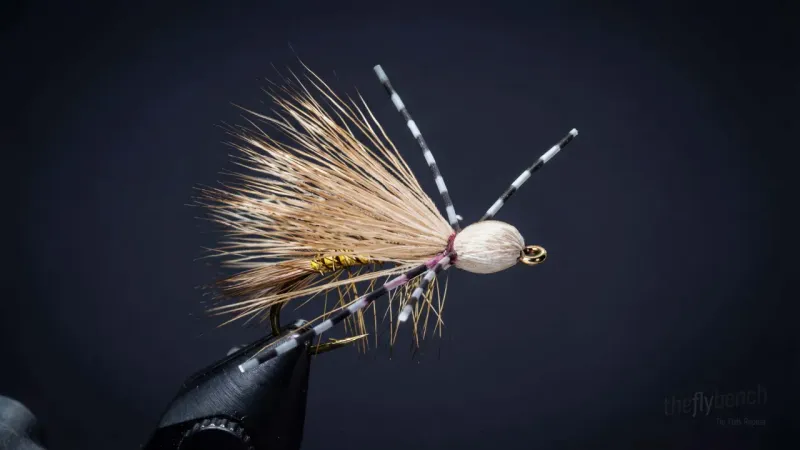
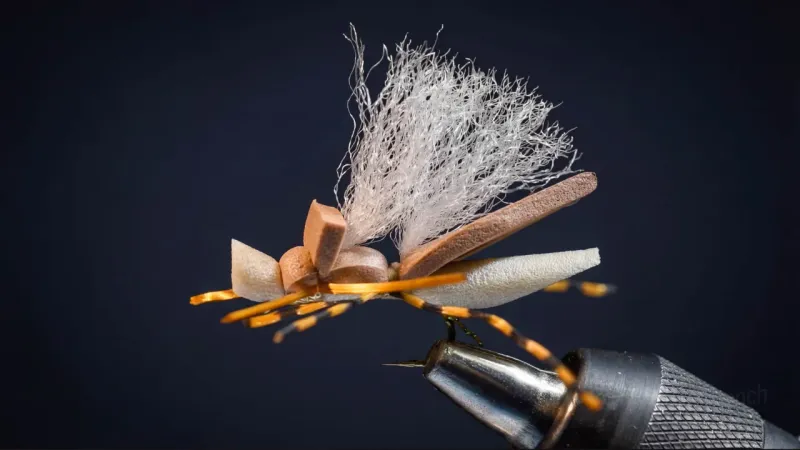
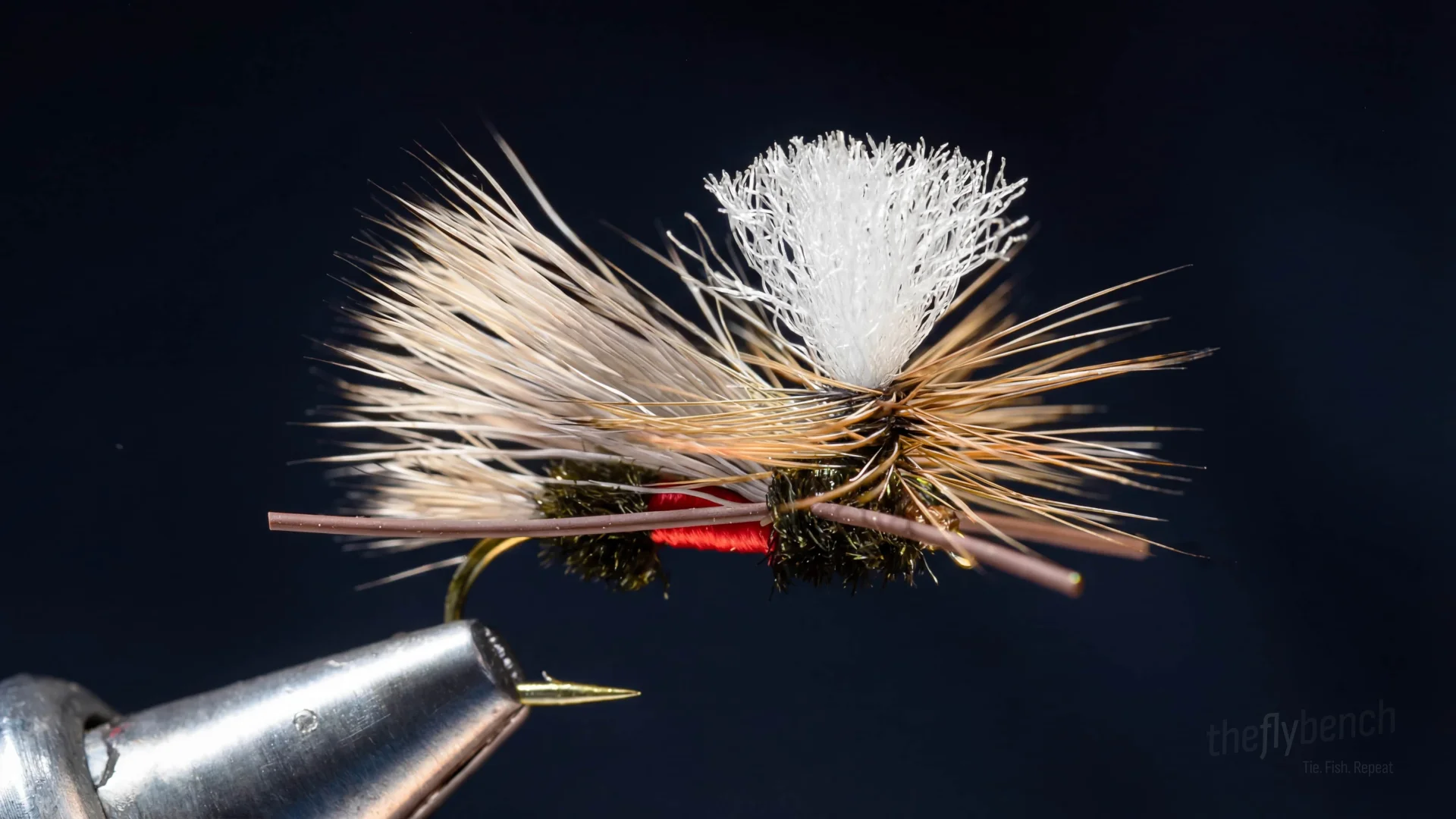
The Royal PMX Parachute Madam X combines the classic Royal Coachman color scheme with the proven Madam X silhouette and a parachute hackle for improved visibility and flotation. This pattern features a yearling elk tail, a peacock herl body with a red floss band reminiscent of the Royal Coachman, a yearling elk overwing, white poly yarn parachute post, brown rubber legs, and parachute-style brown hackle. The result is an eye-catching attractor that suggests stoneflies, hoppers, and other large terrestrials.
Summer, Fall
Intermediate
Trout
Dec 2025
Overview
This Charlie Craven pattern from Charlie's Fly Box represents a creative mashup of several classic fly fishing traditions. The pattern builds on the proven PMX (Parachute Madam X) foundation while incorporating the Royal Coachman's iconic peacock and red color scheme that has attracted trout for over a century. The yearling elk provides the right texture and flare for both tail and wing without being too coarse. The red floss band wrapped in the middle of the peacock body creates the distinctive "Royal" look that serves as a visual hotspot. The parachute hackle design allows the fly to land softly and provides excellent visibility for the angler through the white post, while the rubber legs add movement and suggest struggling prey.
Where to Buy This Fly
We only link to fly shops we trust. Some links are referral links, which may earn us a commission at no extra cost to you.
Materials
- Hook:
- Tiemco 5262, #6-14
- Thread:
- Magpie Thread 72D or UNI 8/0, brown
- Tail:
- Yearling Elk
- Body:
- Peacock Eye Herl
- Band:
- UNI Floss, red
- Thorax:
- Peacock Eye Herl
- Wing:
- Yearling Elk
- Post:
- Polypropylene Macrame Yarn, white
- Legs:
- Rubber Legs (fine round), brown
- Hackle:
- Rooster Cape, brown
Behavior & Presentation
Natural Behavior: Grasshoppers kick and struggle violently when trapped in the surface film after wind-blown mishaps, creating disruptive commotion and splash. Fish strike these large terrestrials with abandon because hoppers deliver exceptional caloric value and trigger opportunistic feeding instincts throughout late summer months.
Where Trout Eat It: Designed for rivers, particularly freestone streams, meadow creeks, and rivers where hoppers and stoneflies are common. Works well in pocket water, riffles, and along grassy banks.
How to Fish It: Fish with a dead drift along banks, in foam lines, and near structure where terrestrials fall into the water. The rubber legs provide movement even when the fly is sitting still, making it effective on slower presentations. Dead drift matches the helpless floating behavior that triggers surface feeds.
Best Water: Focus on foam lines, riffles where trout hold and actively feed.
Strike Type: Watch the white post vanish in aggressive splashy takes near banks, or observe confident rises in foam lines. The parachute design allows you to see the strike before setting.
Fishing Strategy
Rigging Suggestions: Fish on a 9-foot leader tapering to 3X-4X tippet for adequate turnover. Can be used as a dry-dropper anchor fly by trailing a nymph 18-24 inches below. The parachute design provides enough flotation to suspend smaller nymphs.
Seasonal Timing: Most effective during when terrestrials are abundant and trout are looking up for larger prey. Also works as a general attractor during stonefly activity.
Pro Tips: The white parachute post provides excellent visibility for the angler while the peacock and elk materials maintain natural appearance to the fish. The parachute hackle and elk wing provide reliable flotation in varied water conditions.
Entomology
Grasshoppers kick and struggle violently when trapped in the surface film after wind-blown mishaps, creating disruptive commotion and splash. Fish strike these large terrestrials with abandon because hoppers deliver exceptional caloric value and trigger opportunistic feeding instincts throughout late summer months.
- Order
- Orthoptera
- Family
- Acrididae
- Common Name
- Grasshopper
- Organism Type
- terrestrial
- Life Stage
- adult