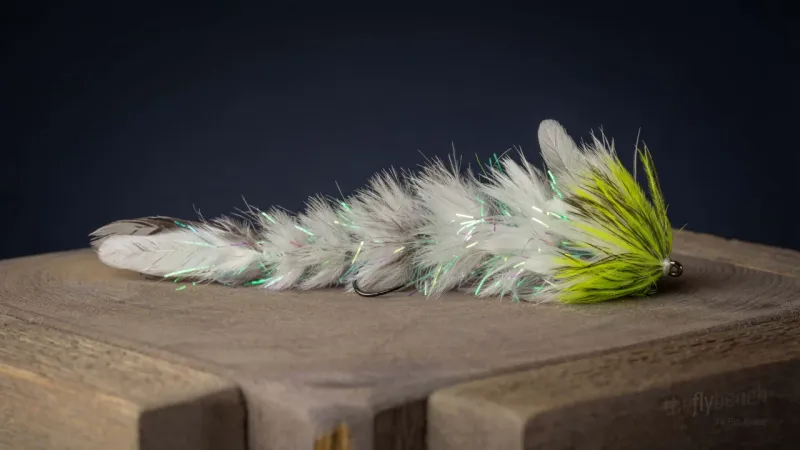
StreamersPine Squirrel Streamer
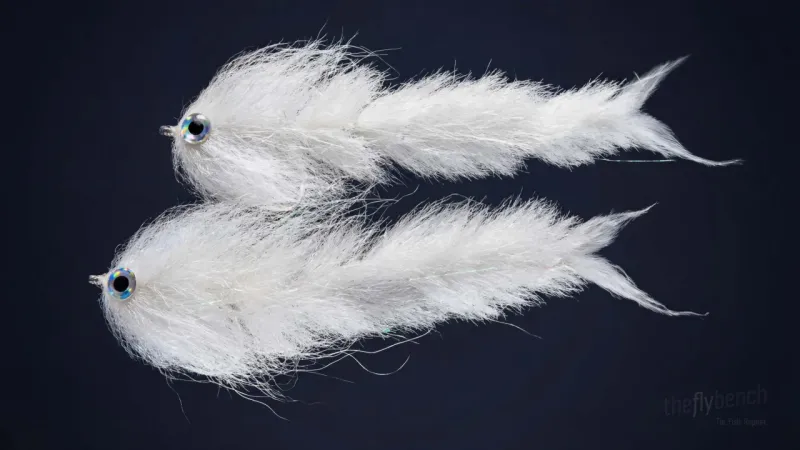
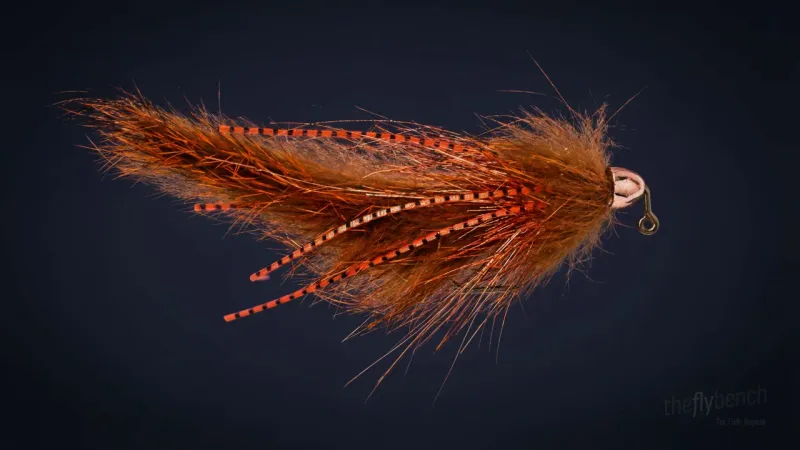
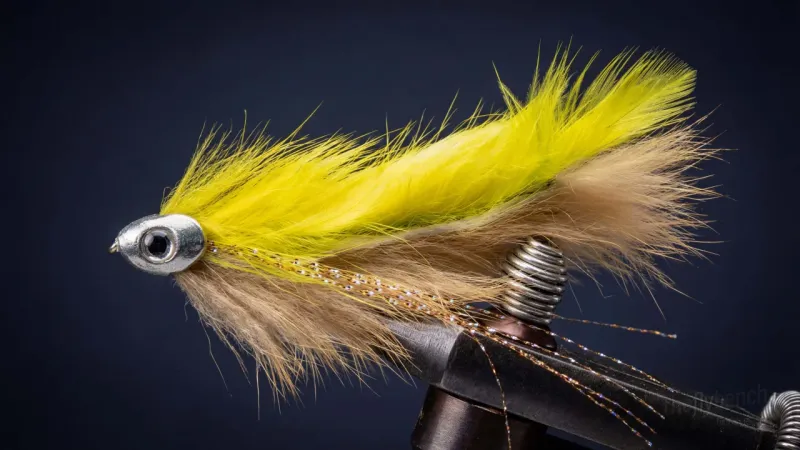
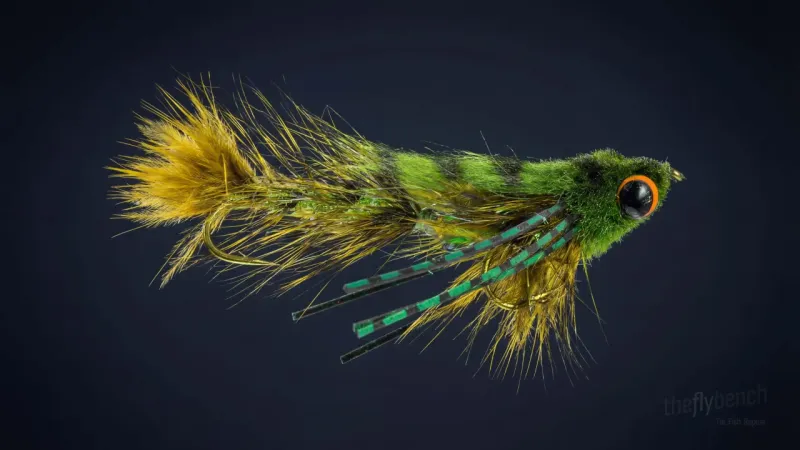
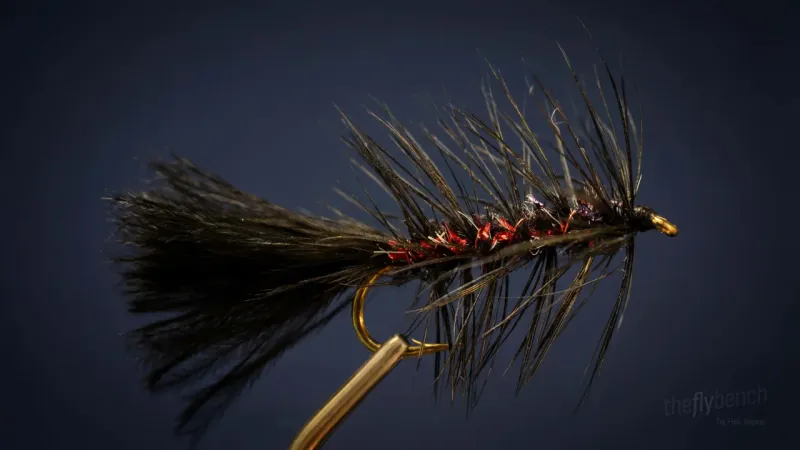
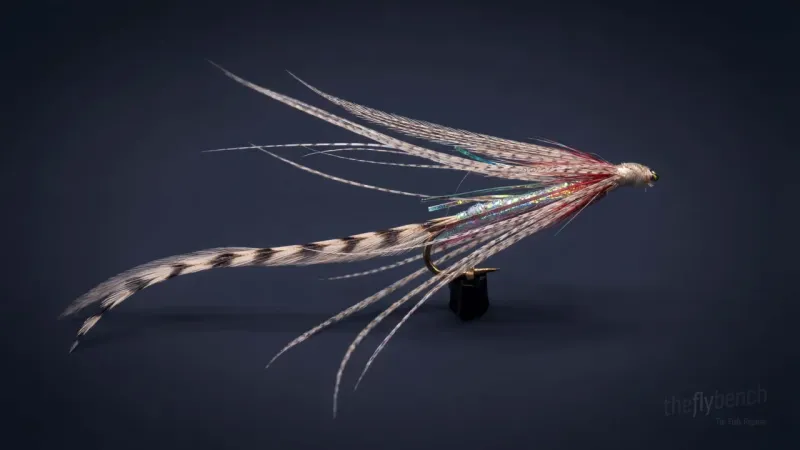
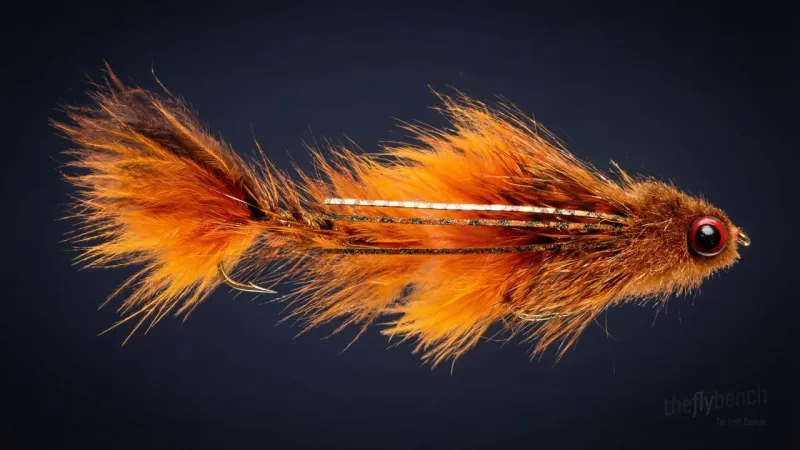
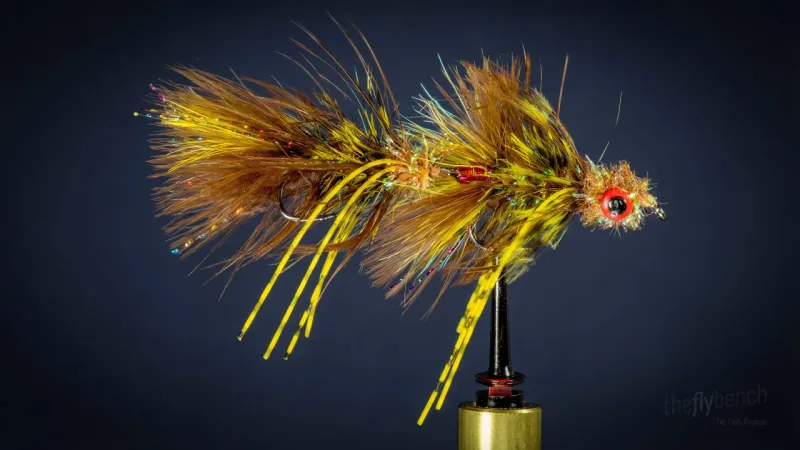
The Pine Squirrel Streamer is a simple, yet effective pattern that imitates a variety of baitfish and small forage species. The main component, pine squirrel, provides the fly with a realistic, undulating action in the water that mimics the movement of a fleeing baitfish.
Spring, Summer, Fall
Intermediate
Trout, Bass
Apr 2025
Overview
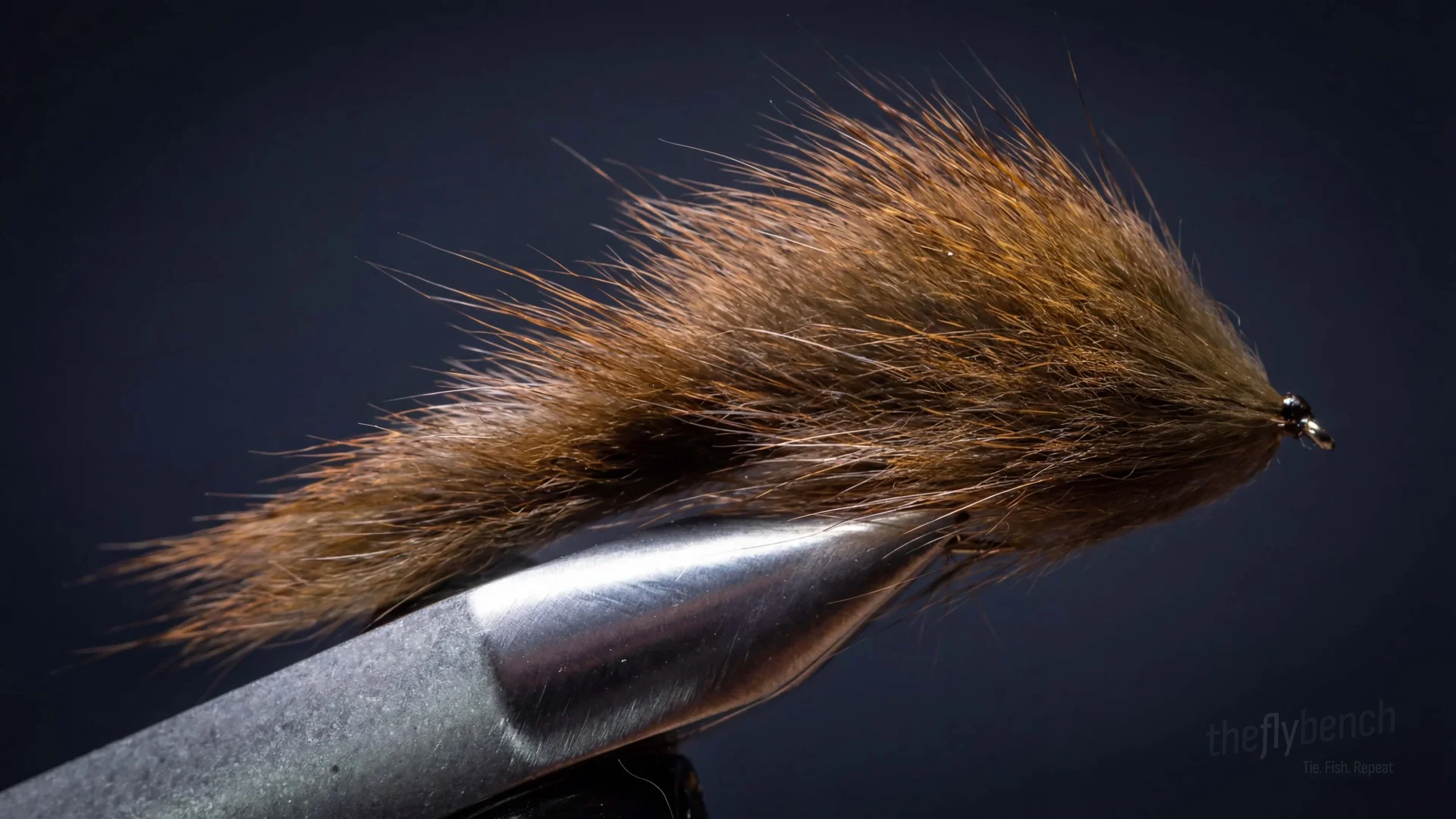
A compact and dense streamer using a pine squirrel zonker strip palmered over a dubbed body. It's tied on a short-shank hook and sinks quickly, making it perfect for swinging or stripping in tight quarters.
Where to Buy This Fly
We only link to fly shops we trust. Some links are referral links, which may earn us a commission at no extra cost to you.
Materials
- Hook:
- 3X-long streamer hook (here a Lightning Strike SN3), sizes #8–#10
- Thread:
- UTC 140 Denier, dark brown
- Weight:
- .02 lead-free round wire
- Tail and body:
- Sculpin Olive pine-squirrel zonker strip
Behavior & Presentation
Natural Behavior: Minnows and juvenile fish dart between cover with short bursts of speed, pausing to reorient before continuing. Predatory trout intercept these fleeing baitfish when they become separated from structure, targeting stragglers that swim erratically or show injury.
Where Trout Eat It: Mid-column to bottom near structure in lakes and rivers. Fish cruise drop-offs, undercut banks, and weed edges where baitfish hold.
How to Fish It: Strip with erratic pulls, varying retrieve speed from slow steady strips to aggressive jerks. Pause occasionally to let the fly sink and trigger following fish.
Best Water: Work drop-offs, undercut banks, weed edges, and channel swings where predators ambush prey. Target seams and pockets in rivers.
Strike Type: Watch for sharp tugs or gradual pulls during retrieves; strip-set when tension builds or the line suddenly draws tight.
Fishing Strategy
Rigging Suggestions: Rig this fly on a heavy leader and tippet to withstand the strikes of larger fish. If fishing in deeper water, consider using a sinking line or sink tip to get the fly down quickly.
Seasonal Timing: This is a great pattern for the and when fish are actively feeding on baitfish. It can also be effective during the months, especially early in the morning or late in the evening.
Pro Tips: The flash of the mylar body and the movement of the pine squirrel make this fly highly visible in the water. It is intended to sink and does not have any floatation.
Entomology
Small forage fish travel in tight schools along rocky shorelines and drop-offs, maintaining formation until a predator attack scatters them into panicked, individual escape responses. Trout and bass aggressively pursue these separated individuals because they represent easy protein without the defensive advantages of the group, especially when the baitfish become temporarily disoriented.
- Organism Type
- baitfish
- Life Stage
- general