Dry FliesOvi-Caddis
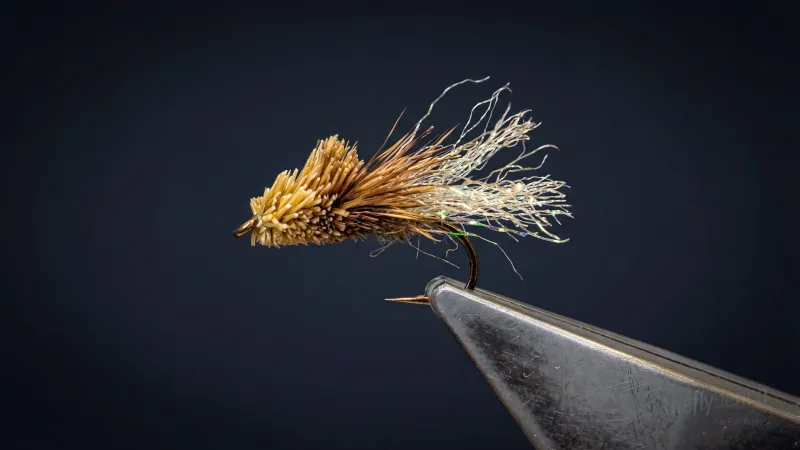
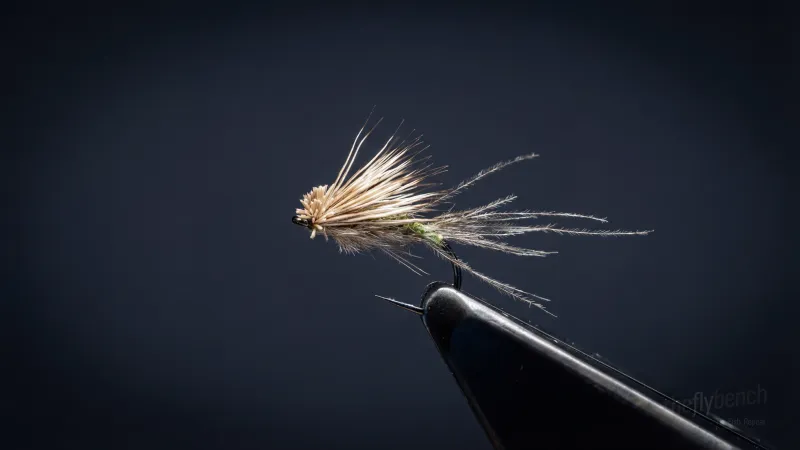
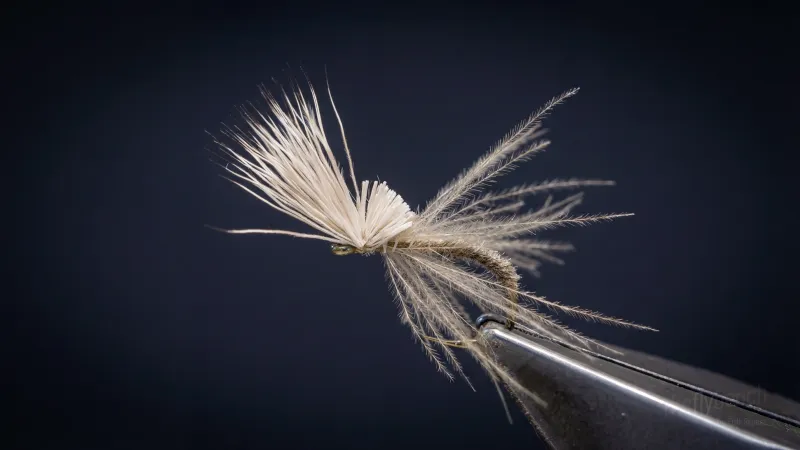
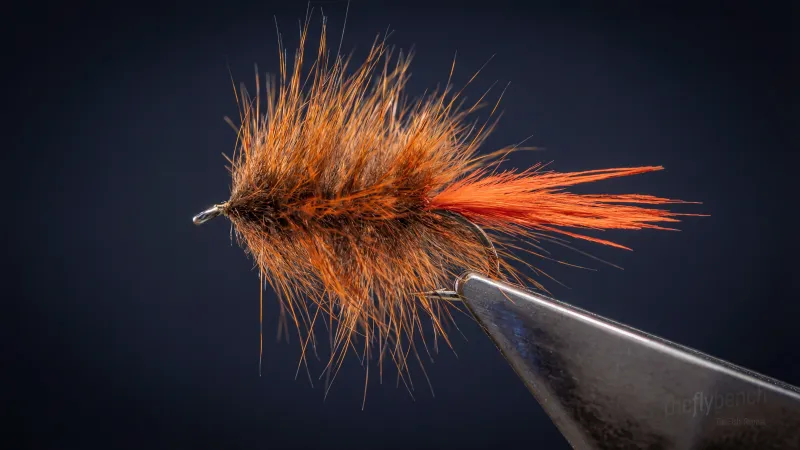
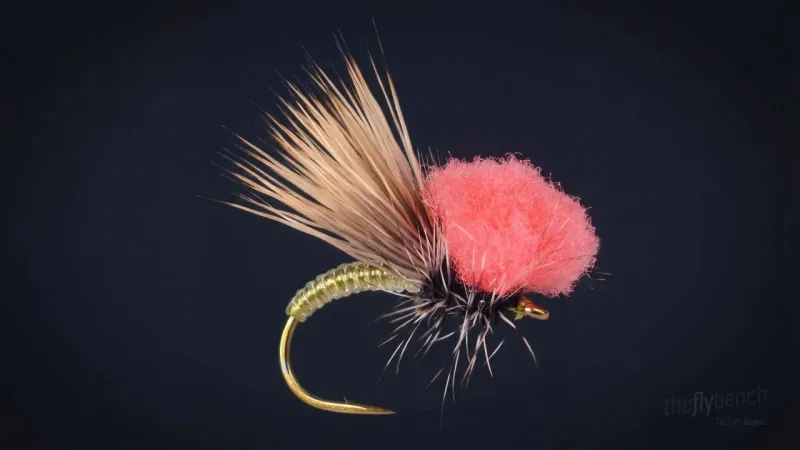
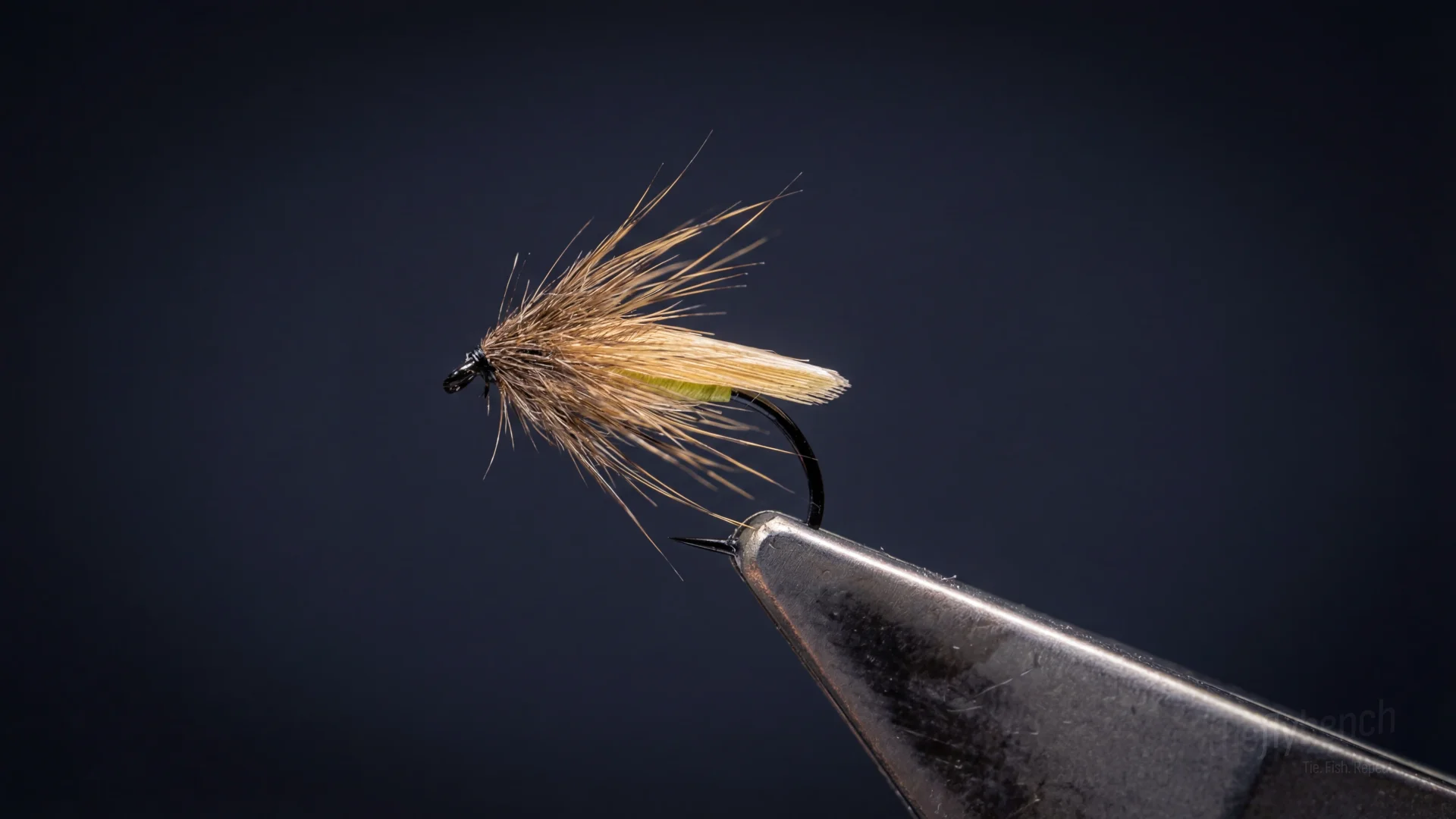
Hans Weilenmann's Ovi-Caddis imitates an egg-laying adult with a simple chartreuse waxed-nylon body, a flat-tied ginger hen hackle wing, and a dark brown-olive pine squirrel collar spun in split thread. The low-riding profile suits caddis diving or skittering on the surface during egg-laying flights.
Spring, Summer, Fall
Beginner
Trout
Feb 2026
Overview
Tying the hen hackle flat rather than winding it upright keeps the wing low and the fly sitting in the surface film, matching the posture of a caddis that's actively laying eggs rather than one at rest. Waxed nylon thread for the body wraps quickly into an even, glossy segmentation with no dubbing needed, and the simple three-material construction makes this an accessible first caddis pattern to tie. Color is easy to swap to match local naturals since the body material takes dye well.
Where to Buy This Fly
We only link to fly shops we trust. Some links are referral links, which may earn us a commission at no extra cost to you.
Materials
- Hook:
- Tiemco 102Y #15
- Thread:
- Benecchi 12/0, black
- Body:
- Gudebrod G waxed nylon, chartreuse (or adjust color to match the natural)
- Wing:
- Hen hackle, ginger - tied flat
- Collar:
- Pine squirrel, dyed dark brown-olive - in split thread
Behavior & Presentation
Natural Behavior: Female caddisflies dive repeatedly beneath the surface to attach egg masses to submerged rocks and vegetation. Fish wait in ambush below these ovipositing insects, striking as they descend or resurface when they're most focused on reproduction.
Where Trout Eat It: Surface and just below the surface in riffles, runs, pocket water, and along current seams where egg-laying caddis concentrate.
How to Fish It: Present with a dead drift followed by subtle skating and twitching motions to imitate egg-laying caddis females because this reproduces the vulnerable diving behavior. Allow the fly to swing at the end of the drift, then lift and twitch across the current.
Best Water: Riffles, runs, pocket water of freestone streams, tailwater riffles, current seams, and lake near inlet streams during evening caddis activity. Focus on fast to moderate current speeds.
Strike Type: Visible surface take or splash as trout intercept the skating fly. Watch for aggressive strikes during the swing.
Fishing Strategy
Rigging Suggestions: Use a 9-12ft 5X tippet for most conditions. In technical water or for selective fish, extend to 6X. Apply floatant generously to maintain high-floating profile during active presentations. Shorter leaders work in pocket water.
Seasonal Timing: Most effective late May through September during peak caddis activity, with exceptional results during June and July. Focus on afternoon through evening hours when adult caddis are most active, continuing through early fall during autumn caddis hatches. Fish during evening hours from 5 PM through dusk when egg-laying activity peaks and water temperatures are 54-68°F because this matches peak ovipositing behavior.
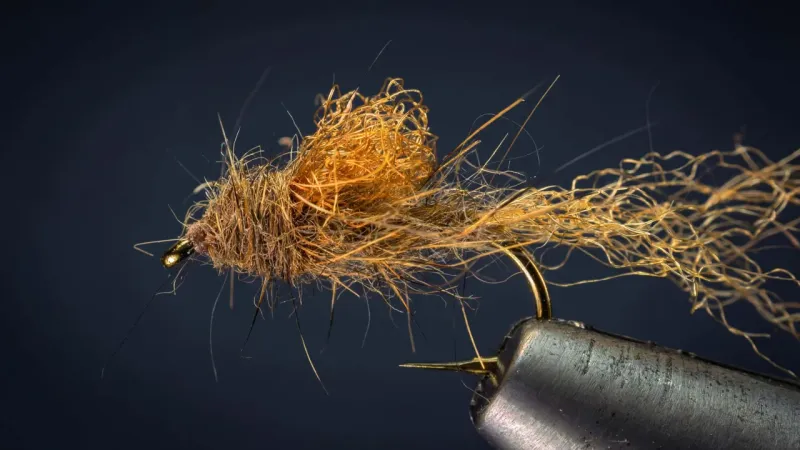
Pro Tips: The shuck trailing behind imitates the egg sac of ovipositing females, making this pattern particularly effective during peak egg-laying behavior when trout selectively target these vulnerable caddis.
Entomology
Female caddisflies dive repeatedly beneath the surface to attach egg masses to submerged rocks and vegetation. Fish wait in ambush below these ovipositing insects, striking as they descend or resurface when they're most focused on reproduction rather than predators.
- Order
- Trichoptera
- Common Name
- Caddisfly
- Organism Type
- insect
- Life Stage
- adult