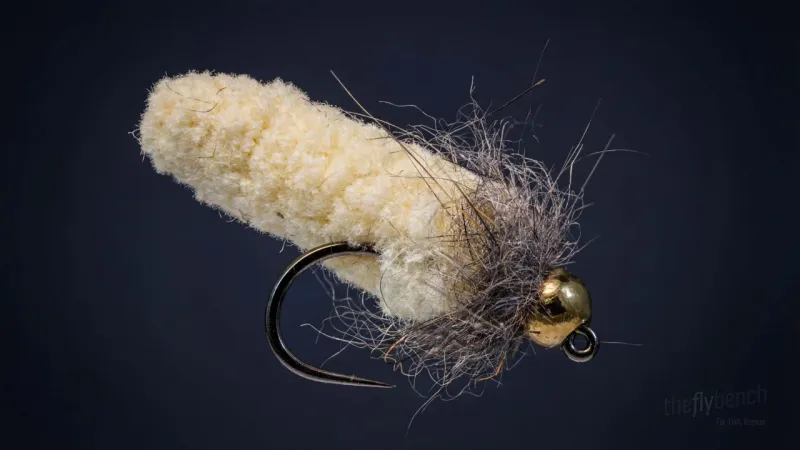
Dry FliesSpent Caddis
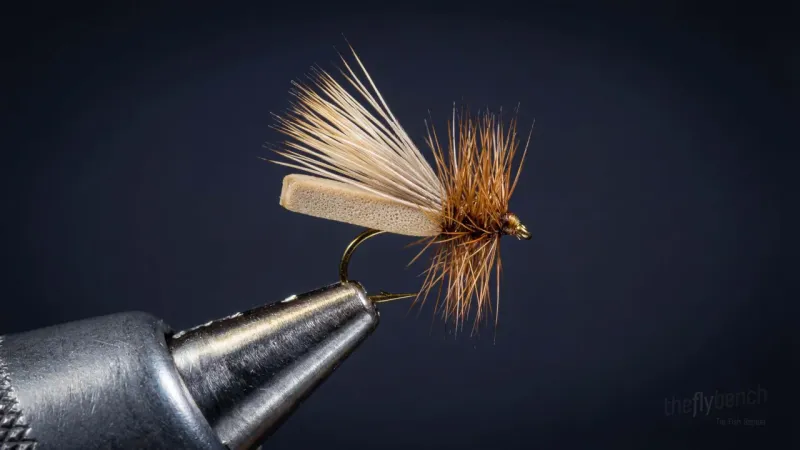
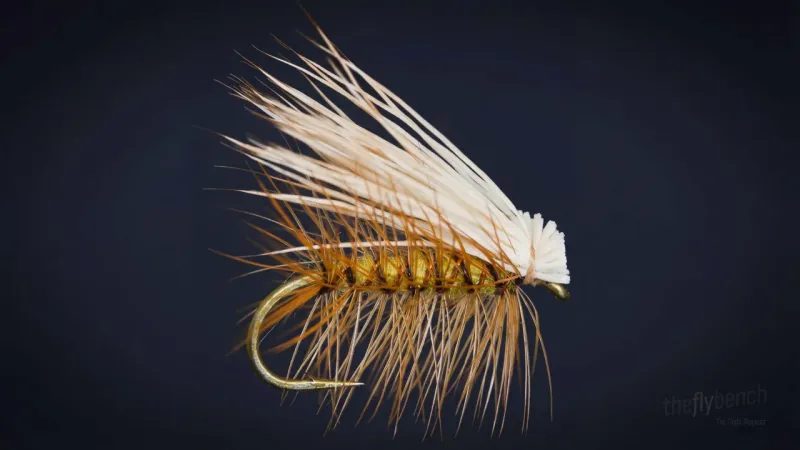
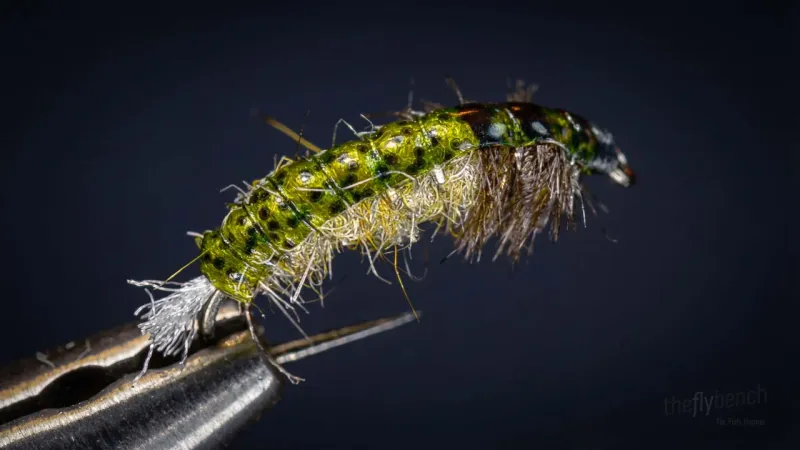
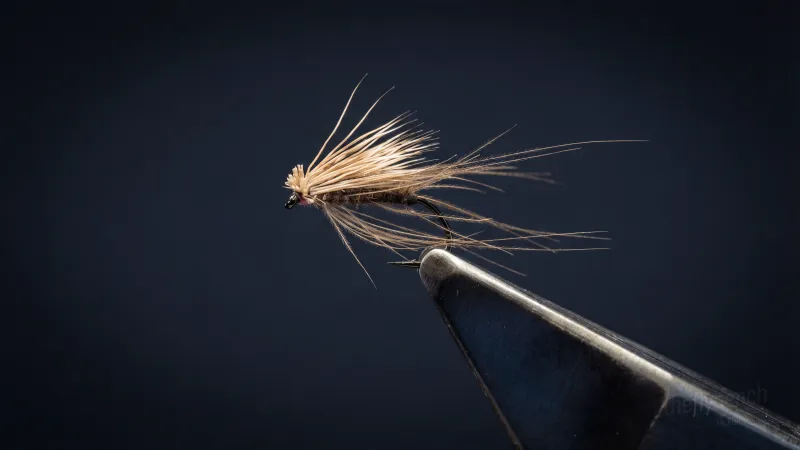
The Spent Caddis is a simple yet effective pattern that imitates egg-laying caddis adults resting on the water after depositing their eggs. The dark dun Zelon wings lie flat in a spent position while the olive Zelon dubbing body matches the Brachycentrus and other olive-bodied caddis species. A minimalist design for selective fish.
Summer, Fall
Beginner
Trout
Dec 2025
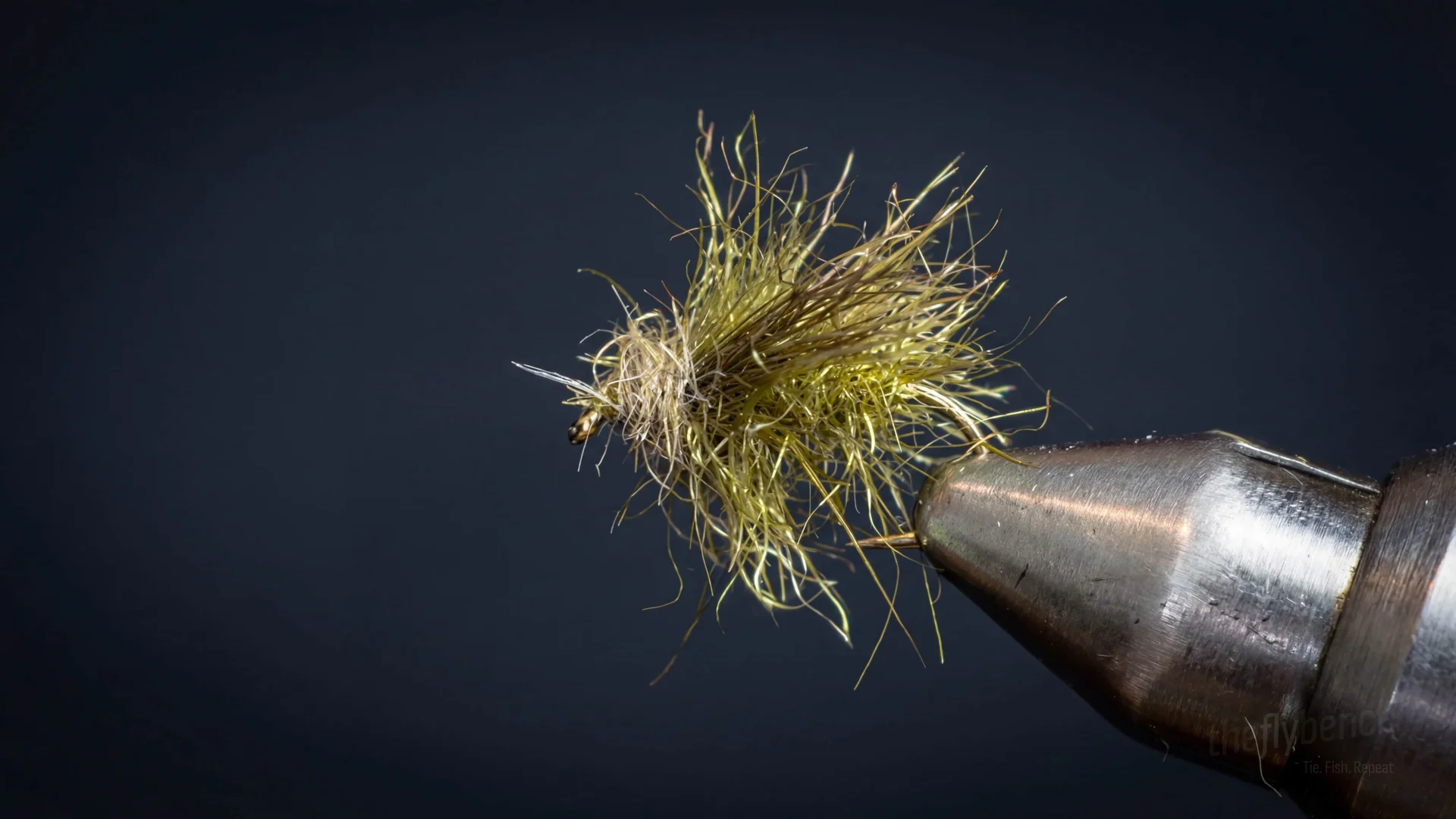
Overview
The Spent Caddis was developed at Blue Ribbon Flies to match the spent egg-laying caddis that collect on the water during evening hours. The pattern is intentionally sparse to match the delicate appearance of a spent adult. The olive coloration specifically matches the grannom and apple caddis common on western waters.
Where to Buy This Fly
We only link to fly shops we trust. Some links are referral links, which may earn us a commission at no extra cost to you.
Materials
- Hook:
- Tiemco 100 or Umpqua U001, #16-18
- Thread:
- Uni-Thread, 8/0, olive dun
- Body:
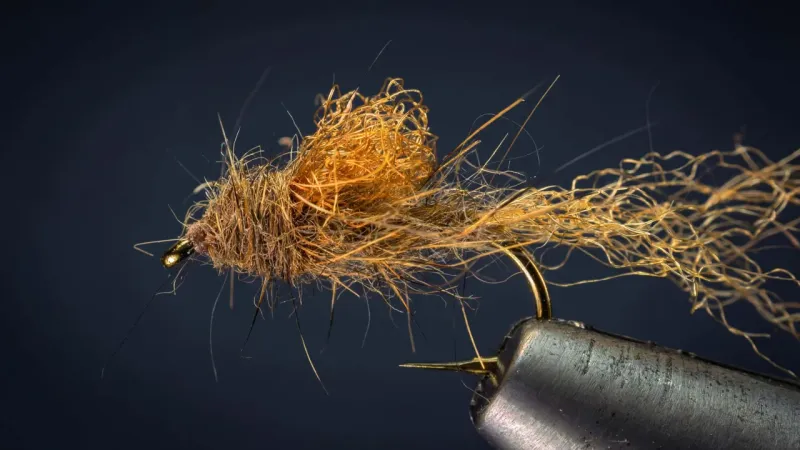
- Zelon Dubbing, brachycentrus olive
- Wing:
- Crinkled Zelon, dark dun
- Head:
- Zelon Dubbing, hydropsyche tan
Behavior & Presentation
Natural Behavior: Post-oviposition adults collapse exhausted on the surface, wings outstretched and lifeless after egg-laying exertion. They drift helplessly in eddies and foam lines.
Where Trout Eat It: Fish methodically sip spent caddis collected in eddies, along foam lines, and in slow pool sections where dying insects accumulate.
How to Fish It: Dead drift with wings lying flat. Fish deliberately through eddies and pools where spent insects concentrate, maintaining drag-free presentation.
Best Water: Target eddies behind obstructions, foam lines along seams, pool tail-outs with slow current, and calm bank edges.
Strike Type: Expect subtle rises or gentle sips as fish confidently take immobilized insects.
Fishing Strategy
Rigging Suggestions: Fish on 10-12 foot leader with 5X-6X tippet. The sparse design requires delicate presentation. Apply floatant sparingly to maintain low profile.
Seasonal Timing: Most effective from June through September during evening caddis activity. Best when female caddis are returning to lay eggs and dying on the water.
Pro Tips: Rides low in the surface film like a natural spent caddis. The dark dun wings can be difficult to track in low light.
Entomology
Post-mating adult caddisflies lie spent and dying on the surface, wings outstretched flat in the film after exhausting themselves during egg-laying. Fish sip these expired adults methodically because caddis fall events concentrate dead and dying insects in specific current lanes, offering effortless feeding.
- Order
- Trichoptera
- Common Name
- Caddisfly
- Organism Type
- insect
- Life Stage
- adult