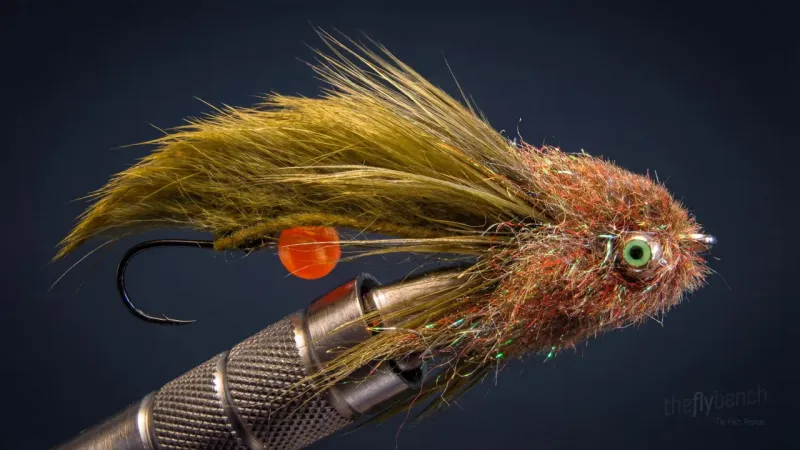
StreamersMohair Leech Streamer
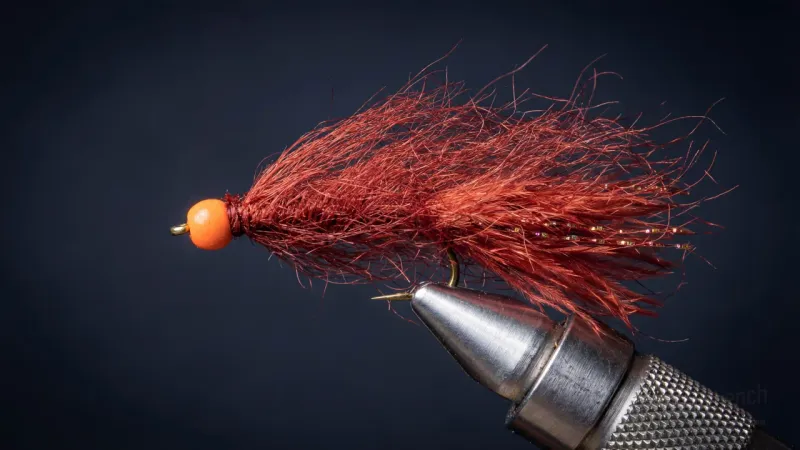
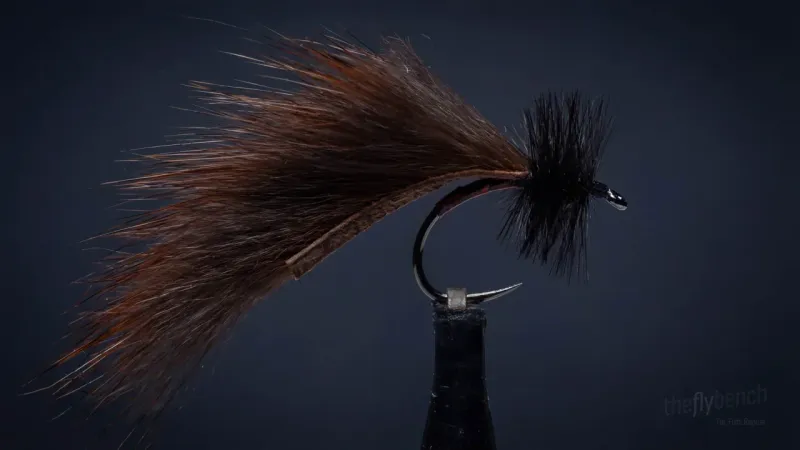
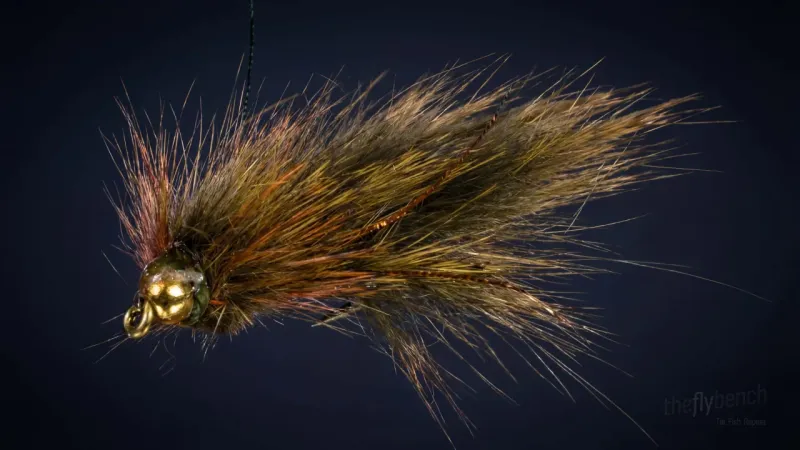
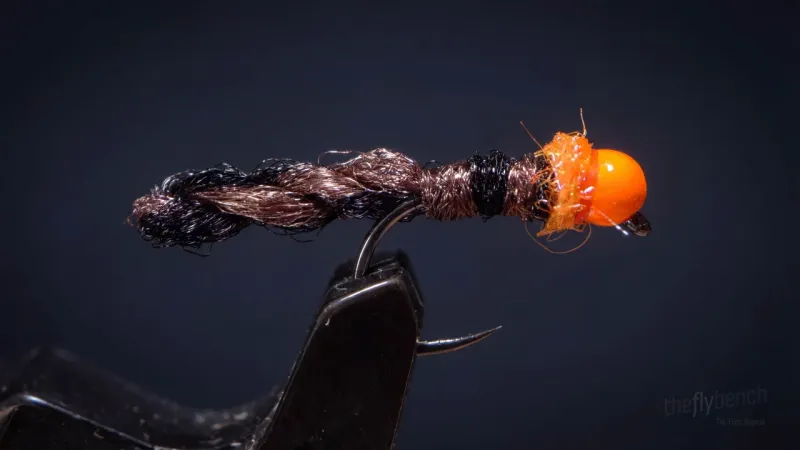
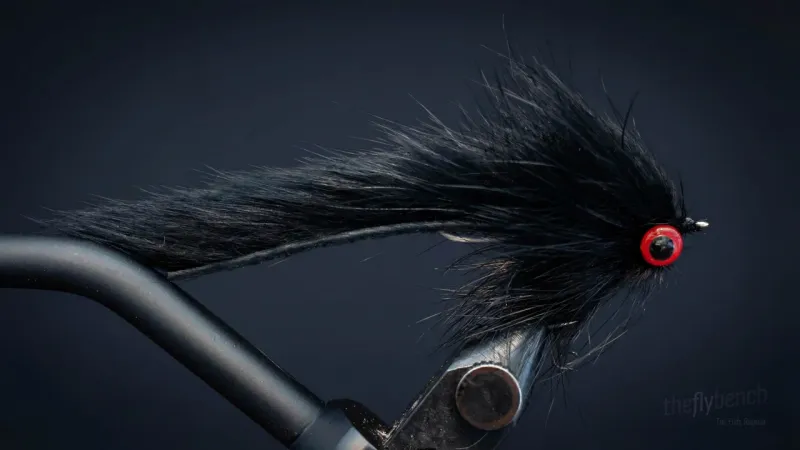
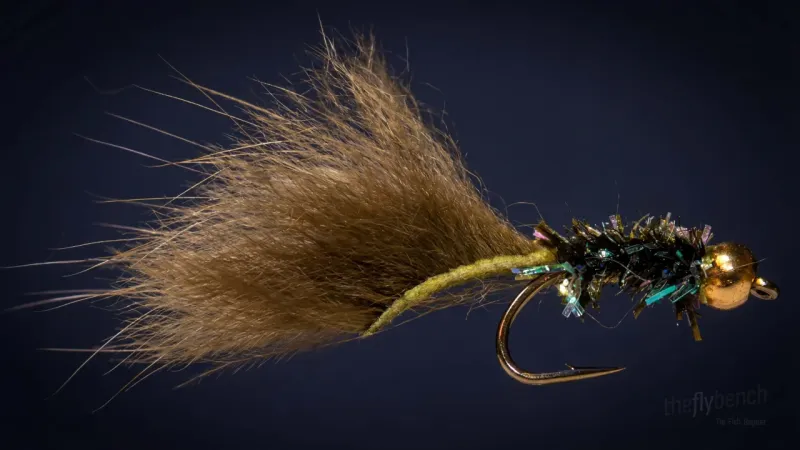
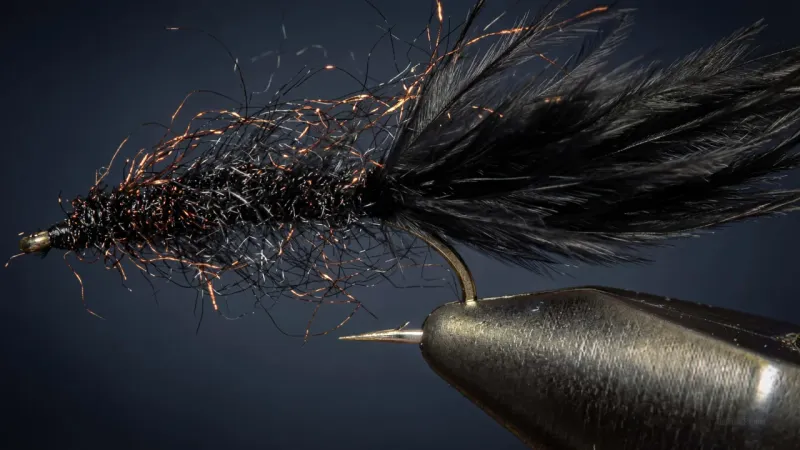
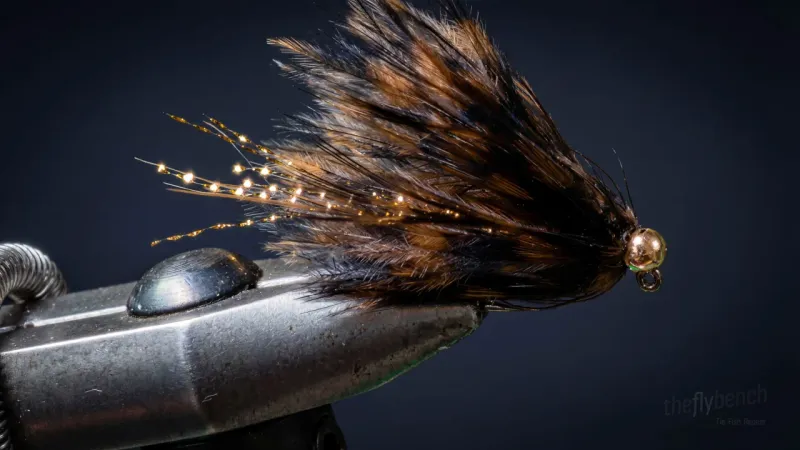
The Mohair Leech Streamer is a simple, proven pattern that mimics the slow, undulating motion of a swimming leech. Its effectiveness and ease of tying make it a staple in many stillwater boxes.
Year Round
Beginner
Trout, Steelhead
Apr 2025
Overview
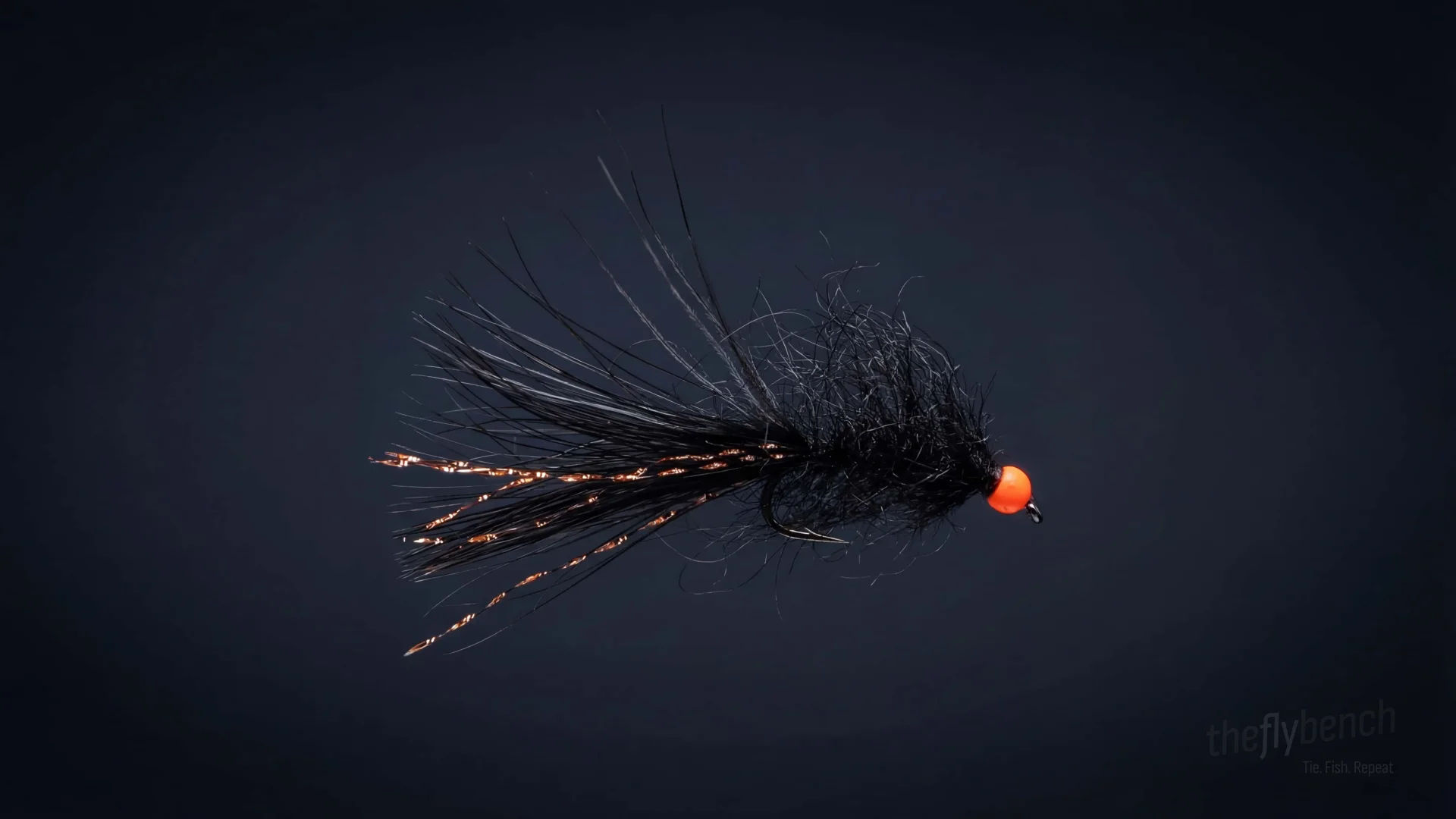
Built from just marabou and mohair yarn, this simple leech pattern creates lifelike movement in stillwater or slow currents. The fuzzy mohair traps bubbles and pulses with every strip, making it ideal for trout and stillwater predators.
Where to Buy This Fly
We only link to fly shops we trust. Some links are referral links, which may earn us a commission at no extra cost to you.
Materials
- Hook:
- #08-12 Tiemco 200R
- Thread:
- Red UTC 70
- Bead:
- Orange Brass Bead
- Wire:
- .010” Lead Wire
- Tail:
- Claret Marabou
- Flash:
- Red Krystal Flash
- Body:
- Wine UNI Mohair
Behavior & Presentation
Natural Behavior: Leeches swim with graceful, ribbon-like undulations through the water column at night, then contract and rest during daylight hours among vegetation. Fish consume leeches opportunistically as slow-moving, soft-bodied prey that provide consistent protein without the speed or evasion tactics of minnows and insects.
Where Trout Eat It: Lake environments including lakes, ponds, and reservoirs. Also productive in slow-moving rivers, back eddies, and tailout pools. Fish near weed beds, drop-offs, and shoreline structure.
How to Fish It: Use slow, erratic strip retrieves with pauses to imitate swimming leeches. Vary retrieve speed from dead slow to moderate pulls. Short strips followed by pauses allow the mohair to undulate naturally.
Best Water: Lake environments including lakes, ponds, and reservoirs. Also productive in slow-moving rivers, back eddies, and tailout pools. Fish near weed beds, drop-offs, and shoreline structure.
Strike Type: Line draws tight with steady pressure during the pause; strip-set when you feel the take develop into sustained weight.
Fishing Strategy
Rigging Suggestions: Use sink-tip or full sinking line (Type III-VI) depending on depth. 0X to 3X tippet based on water clarity. Leader length 4-6 feet for sinking lines.
Seasonal Timing: Effective year-round with peak productivity during (March-May) and (September-November). Excellent during overcast conditions and low-light periods when leeches are most active. fishing can be productive in lake.
Pro Tips: The mohair creates natural undulating movement that closely mimics swimming leeches. Vary colors based on water clarity—darker patterns for clear water, brighter for stained conditions. Allow adequate sink time before beginning retrieve.
Entomology
Leeches swim with graceful, ribbon-like undulations through the water column at night, then contract and rest during daylight hours among vegetation. Fish consume leeches opportunistically as slow-moving, soft-bodied prey that provide consistent protein without the speed or evasion tactics of minnows and insects.
- Organism Type
- leech
- Life Stage
- general