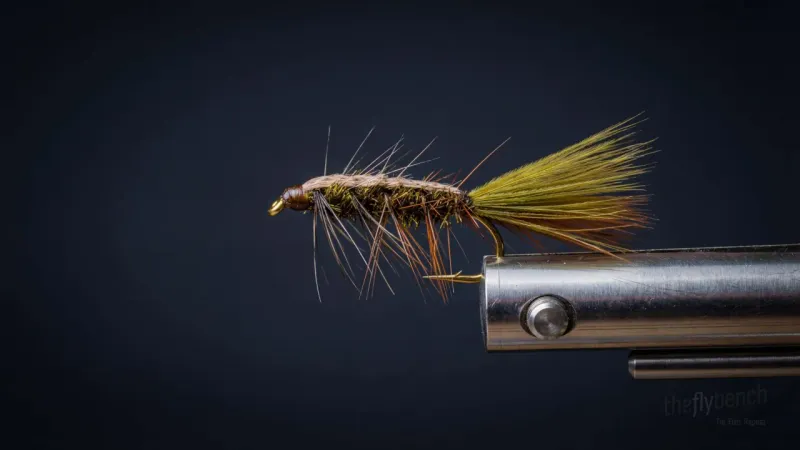
Dry FliesMarch Brown Parachute
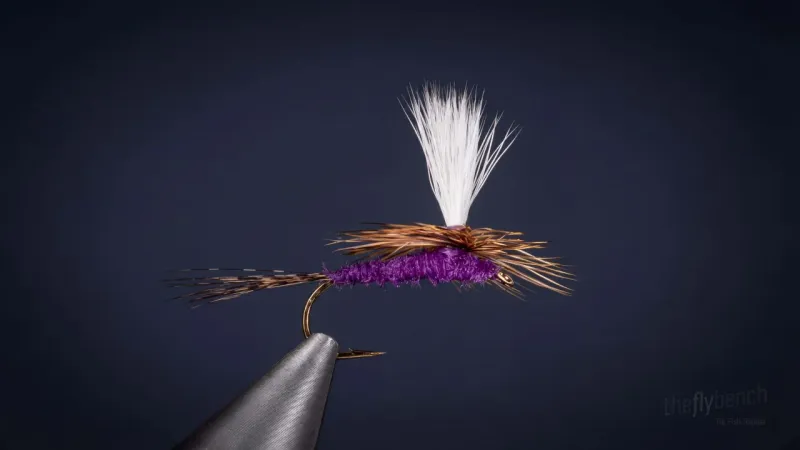
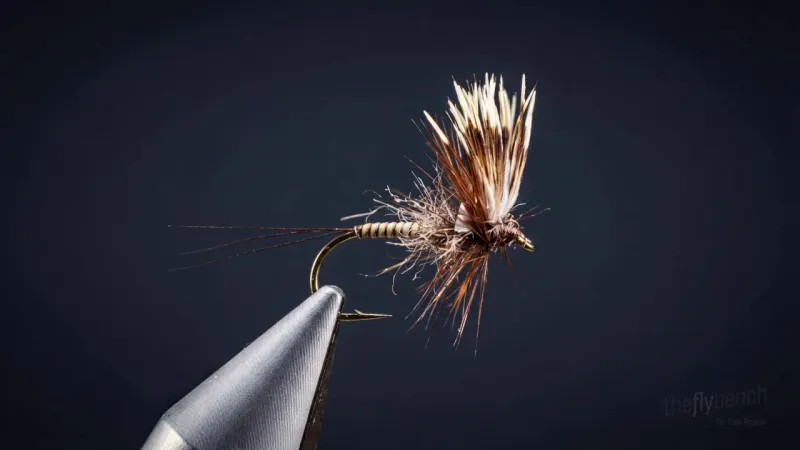
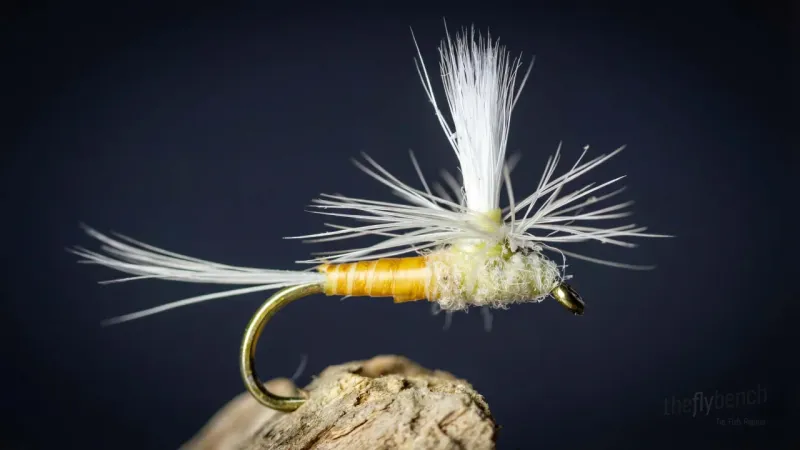
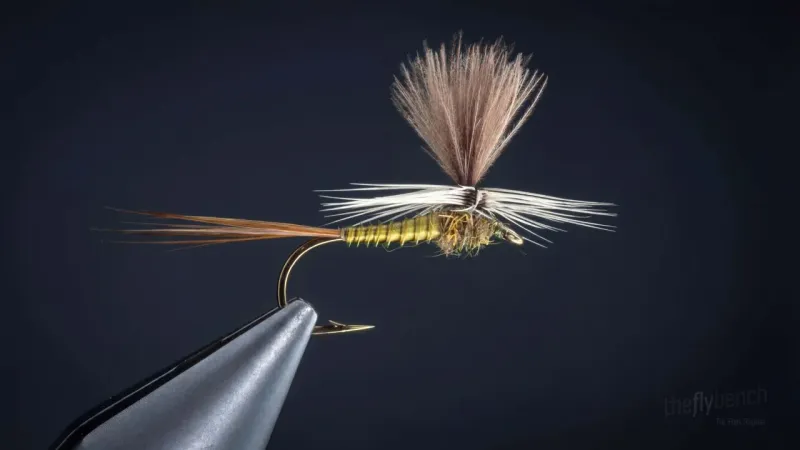
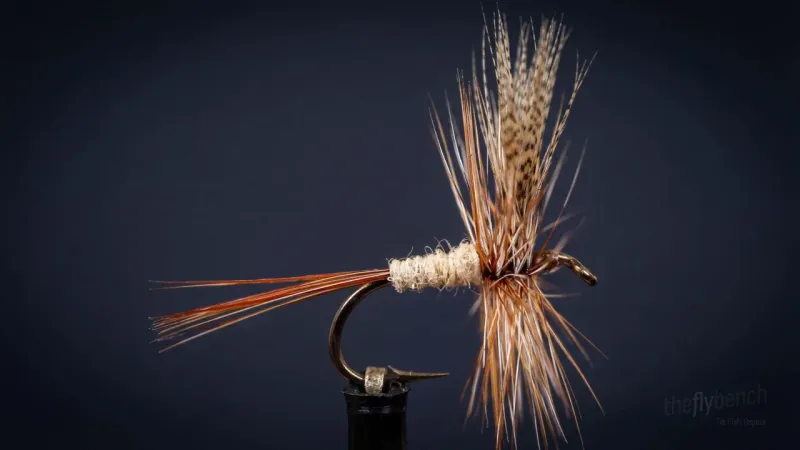
The March Brown Parachute is a classic dry fly pattern that imitates the March Brown mayfly. The parachute style allows the fly to sit flush with the water's surface, making it highly visible and realistic to feeding trout.
Spring
Intermediate
Trout
Apr 2025
Overview
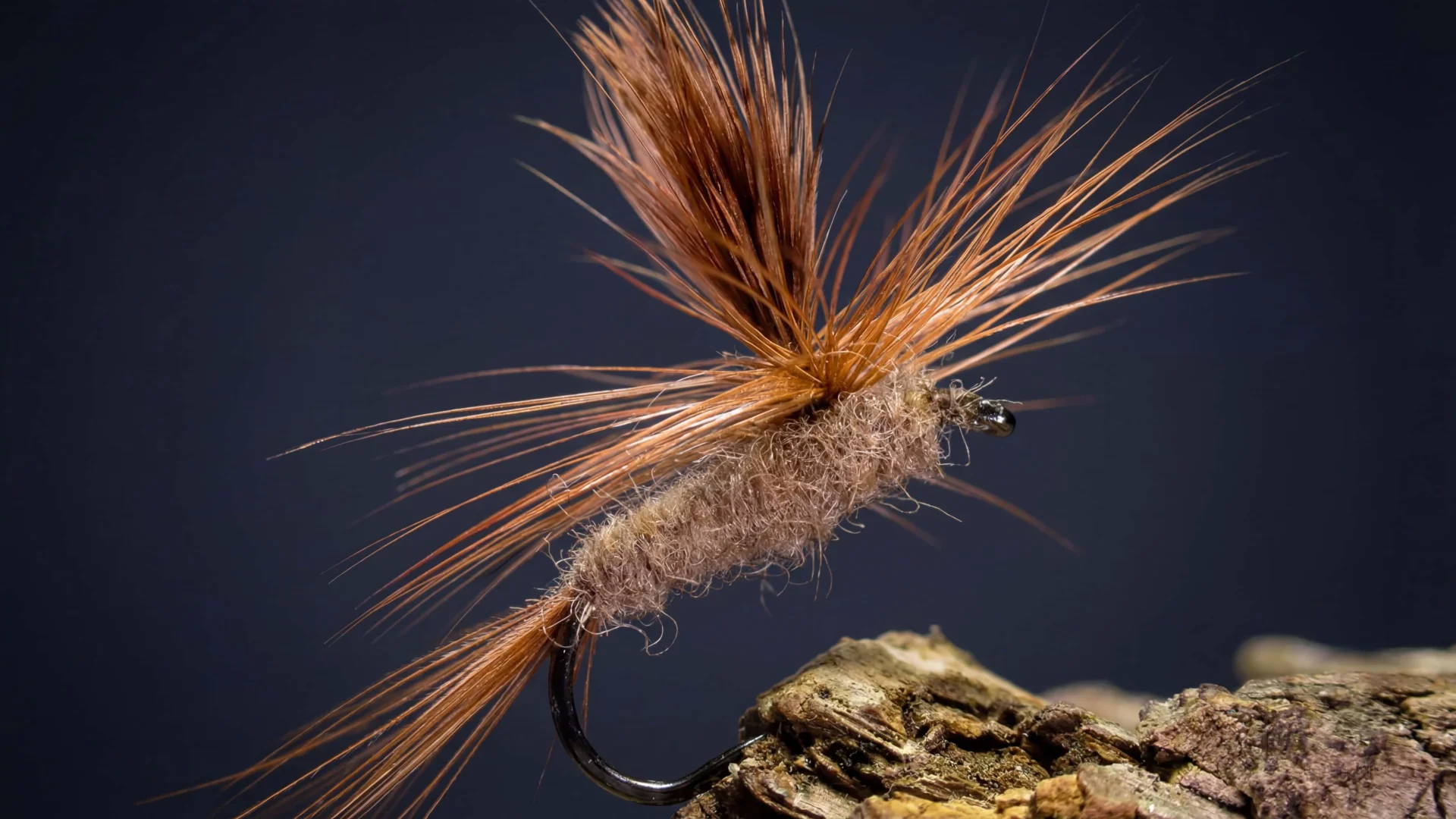
A modern dry fly variation with a parachute post (usually white or dun), hackle wrapped horizontally, and a dubbed body in brown/gray hues. It rides low but remains highly visible — excellent for broken water and hatches.
Where to Buy This Fly
We only link to fly shops we trust. Some links are referral links, which may earn us a commission at no extra cost to you.
Materials
- Hook:
- Daiichi 1280, sizes #10-#14
- Thread:
- Uni-thread, 8/0, camel
- Tail:
- Brown or dark-ginger spade hackle fibers
- Wing post:
- Calf-body hair, brown or white, cleaned and stacked
- Abdomen:
- Two or three biots from a cinnamon peacock feather
- Adhesive:
- Hard As Hull cement
- Thorax:
- Medium-tan Poly dubbing
- Hackle:
- Tying thread
Behavior & Presentation
Natural Behavior: Mayfly duns float on the surface film after emergence, their upright wings drying as they drift helplessly with the current.
Where Trout Eat It: Fish hold in feeding lanes just below the surface, rising to intercept drifting duns in riffles and runs.
How to Fish It: Cast upstream and drift drag-free through feeding lanes, mending to maintain natural float without pulling the fly.
Best Water: Target seams, tail-outs, and foam lines where drifting mayflies accumulate. Current breaks concentrate surface activity.
Strike Type: Watch for visible rises, expanding rings, or audible sips as trout intercept drifting duns.
Fishing Strategy
Rigging Suggestions: Fish on 9-12 foot leaders tapered to 4X-5X tippet to turn over the wind-resistant profile. Can be used alone for rising fish or as the indicator in a dry-dropper rig with a March Brown nymph trailing 18-24 inches below.
Seasonal Timing: Specifically designed for fishing (March-May) when March Brown mayflies emerge. Peak effectiveness occurs during April when water temperatures reach 48-55°F and major hatches occur in mid-afternoon.
Pro Tips: The white parachute post provides excellent visibility in broken water while the low-riding hackle creates an accurate mayfly silhouette. When fish are selective to March Browns, match the hatch exactly—this pattern's coloration and profile closely imitate the natural.
Entomology
March Brown duns float high on the surface after emergence, their large wings and upright posture making them conspicuous targets during spring hatches. These mayflies emerge in broken water and riffles, then drift into calmer seams where trout position to intercept them. The parachute design provides excellent visibility and realistic floating profile, matching the natural's high-riding silhouette during prime hatch conditions.
- Order
- Ephemeroptera
- Family
- Ephemeridae
- Common Name
- March Brown
- Organism Type
- insect
- Life Stage
- adult