Dry FliesLonghorn Beetle
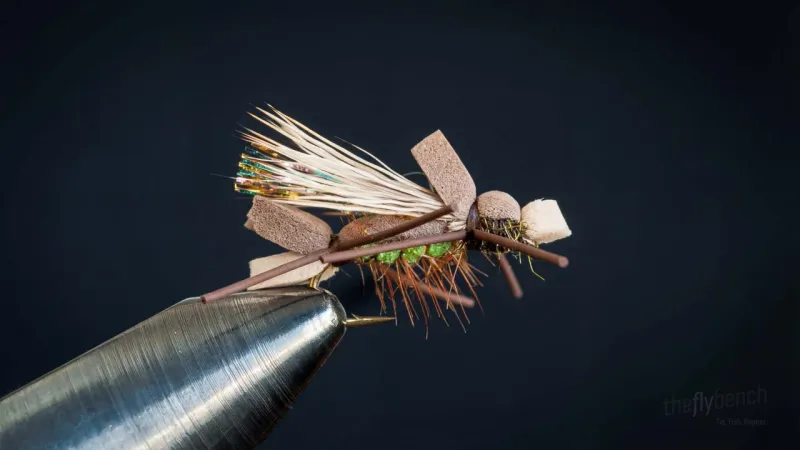
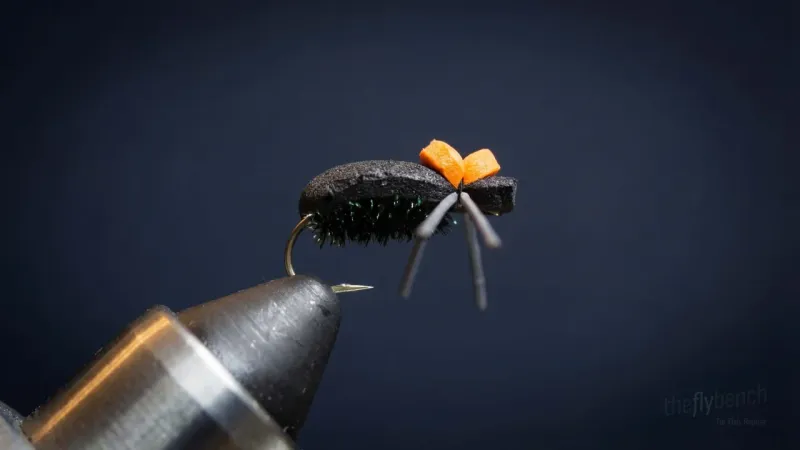
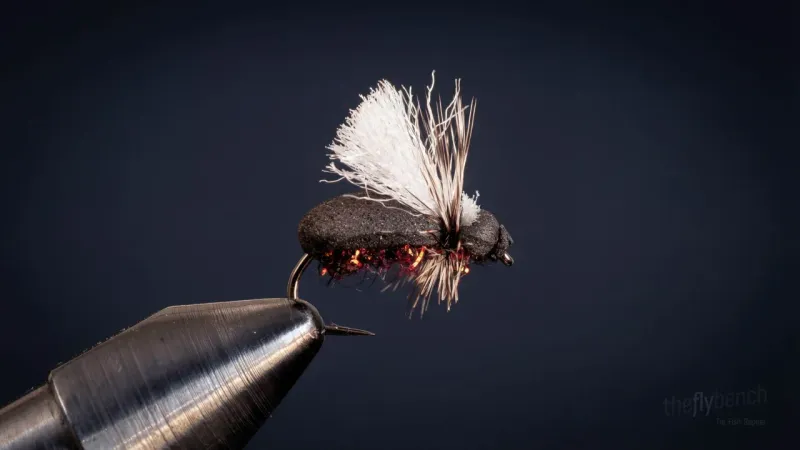
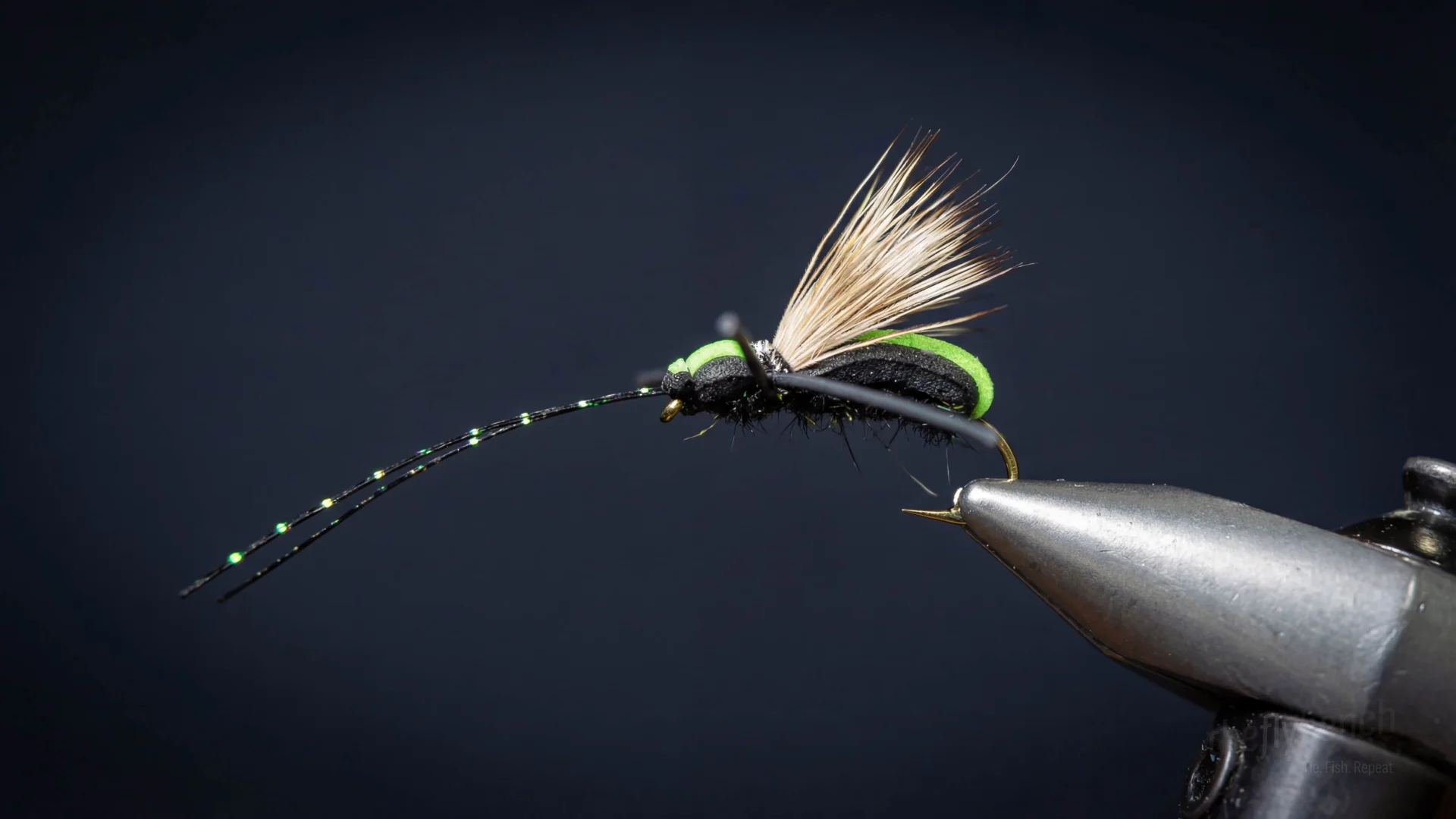
The Longhorn Beetle is a realistic foam terrestrial pattern featuring distinctive antennae and a segmented foam body. The black and green foam combination creates visual contrast while the rubber legs add lifelike movement. The bleached deer hair underwing and Zelon dubbing provide a buggy silhouette that trout find irresistible.
Summer, Fall
Intermediate
Trout
Dec 2025
Overview
The Longhorn Beetle was developed at Blue Ribbon Flies to imitate the long-horned beetles common near western rivers. The original pattern used tiger strip foam which is no longer available, so current versions use black foam with a green indicator strip pulled over the top. The distinctive antennae made from black Krystal Flash add realism and help trigger strikes.
Materials
Hook: Umpqua U204, #10
Thread: Danville, 6/0, black
Body: Fly Foam, 2mm, black with green indicator strip
Underbody: Zelon Dubbing, longhorn
Legs: Round Rubber Legs, small or medium, black
Underwing: X Caddis Deer Hair, bleached
Antennae: Krystal Flash, black
Behavior & Presentation
Natural Behavior: Beetles drop from overhanging branches or wash into streams during rain, floating helplessly with their hard wing cases visible on the surface. Trout consume these armored terrestrials for the protein-rich soft tissue beneath the exoskeleton.
Where Trout Eat It: Fish patrol beneath streamside vegetation and along grassy banks where beetles tumble onto the water. Foam lines concentrate these drifting terrestrials into predictable feeding zones.
How to Fish It: Tight casts to banks with motionless floats allow the rubber legs to provide subtle life, then twitch occasionally to suggest struggling insects. Dead drift through foam lines where beetles collect.
Best Water: Prioritize foam lines that trap terrestrials, undercut banks beneath trees, and grass edges where beetles are abundant during warm months.
Strike Type: Visible surface explosions or expanding rise rings mark aggressive terrestrial takes.
Fishing Strategy
Rigging Suggestions: Fish on 9-12 foot leader with 4X tippet. The foam provides excellent floatation and can support a heavy dropper nymph. Use heavier tippet to handle the larger hook size.
Seasonal Timing: Most effective from June through October when beetles are active near water. Peak performance during warm days when beetle activity is highest.
Pro Tips: The green indicator strip provides excellent visibility while maintaining a realistic profile. Foam construction ensures all-day floatation without waterlogging.
Entomology
Beetles tumble from overhanging vegetation or are washed into streams during rain events, floating with their hard wing covers creating a distinctive profile on the surface. Fish readily consume these armored insects because the chitinous exoskeleton contains valuable proteins and minerals.
- Order
- Coleoptera
- Common Name
- Beetle
- Organism Type
- terrestrial
- Life Stage
- adult