Dry FliesYellow Humpy
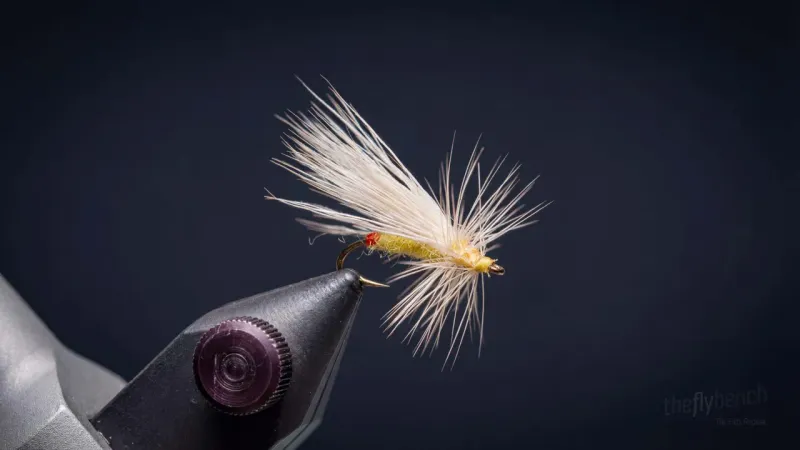
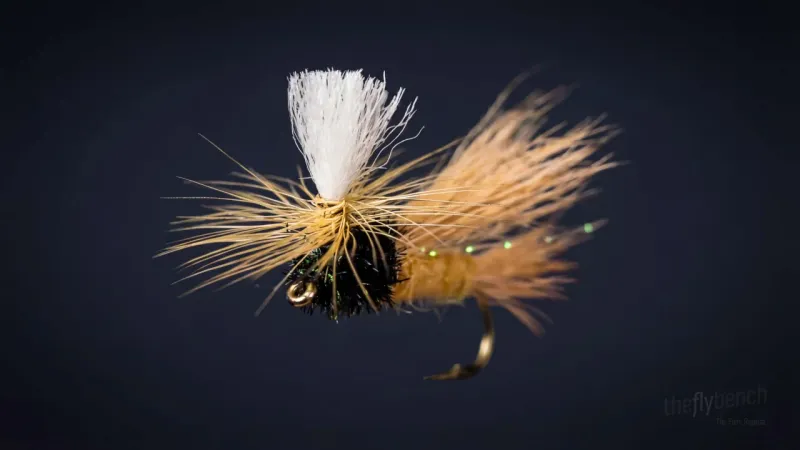
The Yellow Humpy is a dry fly pattern known for its high visibility and buoyancy. It's effective in rough water where it can ride the waves without getting swamped.
Spring, Summer
Intermediate
Trout
Apr 2025
Overview
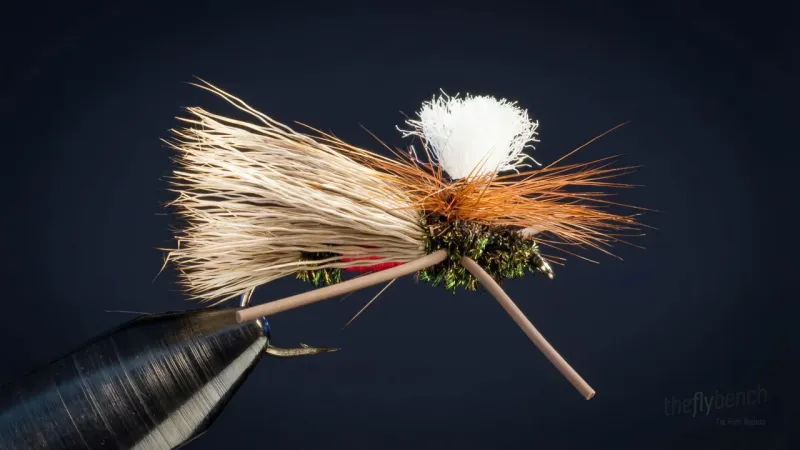
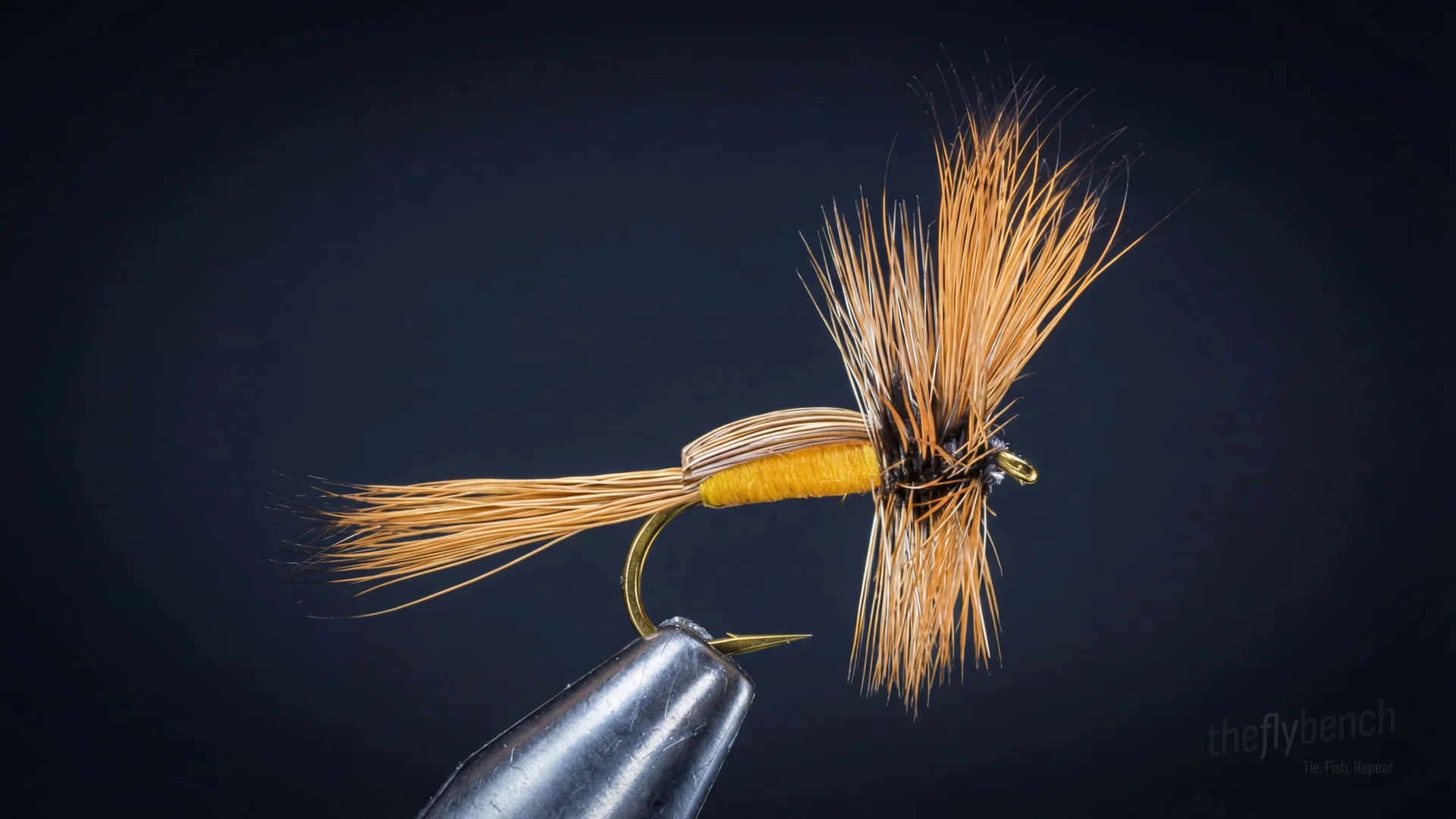
A high-floating dry fly featuring a yellow floss or thread body, stacked deer hair for the hump and wing, and grizzly hackle. Its bulky profile helps it ride high in fast water, imitating stoneflies or hoppers.
Where to Buy This Fly
We only link to fly shops we trust. Some links are referral links, which may earn us a commission at no extra cost to you.
Materials
- Hook:
- 1X-long dry-fly hook (here a Dai-Riki 300), size 16
- Thread 1:
- Yellow, 8/0 or 70-denier
- Underbody:
- Yellow rabbit-fur dubbing
- Tail:
- Moose body hair, cleaned and stacked
- Wings:
- Elk hair, cleaned and stacked
- Back:
- Elk hair, cleaned and stacked
- Body:
- Bright Yellow Uni-Stretch
- Thread 2:
- Yellow, 8/0 or 70-denier
- Hackle:
- Brown and grizzly hackle, slightly undersize
Behavior & Presentation
Natural Behavior: Egg-laying stoneflies bounce their abdomens repeatedly on riffle surfaces, creating visible disturbances as they taxi downstream while depositing eggs. This conspicuous activity during peak emergence periods makes them priority targets.
Where Trout Eat It: Fish hold in fast freestone riffles, plunge pools, and bankside eddies rich in oxygen. The bright yellow and high-riding profile draws attention in broken water 1-4 feet deep.
How to Fish It: Dead drift through fast-moving riffles and choppy runs, adding occasional twitches in slower pools to simulate egg-laying or struggling behavior. The bushy deer hair profile thrives where other dries struggle.
Best Water: Target tumbling pocket water, turbulent riffle heads, plunge pools below drops, and foam seams in high-gradient freestone streams.
Strike Type: Trout strike with confident surface takes ranging from explosive splashes in pocket water to deliberate head-and-tail rises in smoother runs. The bright yellow triggers visual reflex strikes.
Fishing Strategy
Rigging Suggestions: Fish solo on 3X-4X tippet with 9-foot leader during active hatches. Excellent as indicator in dry-dropper setup with 24-30 inches of 4X-5X tippet to weighted nymph for covering multiple feeding zones.
Seasonal Timing: May through August with peak effectiveness during June-July golden stonefly hatches. Exceptional searching pattern throughout months when yellow sallies, caddis, and various terrestrials are active on western freestone rivers.
Pro Tips: The bright yellow body provides exceptional visibility in broken water and low light. Size 8-12 patterns match golden stones; size 14-16 works for yellow sallies. Treat liberally with paste floatant on wing and hackle.
Entomology
Adult stoneflies return to the water to lay eggs by dapping their abdomens on the surface, creating visible disturbances as they flutter and bounce repeatedly across riffles and runs. Fish key on these large, clumsy insects because they provide substantial nutrition and their erratic surface activity makes them highly visible targets during peak emergence periods in late spring and summer.
- Order
- Plecoptera
- Common Name
- Stonefly
- Organism Type
- insect
- Life Stage
- adult