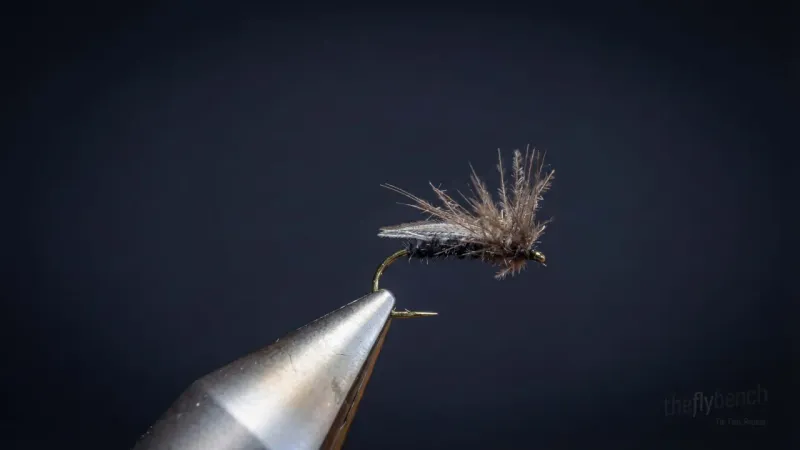
Dry FliesHenry's Fork Salmonfly
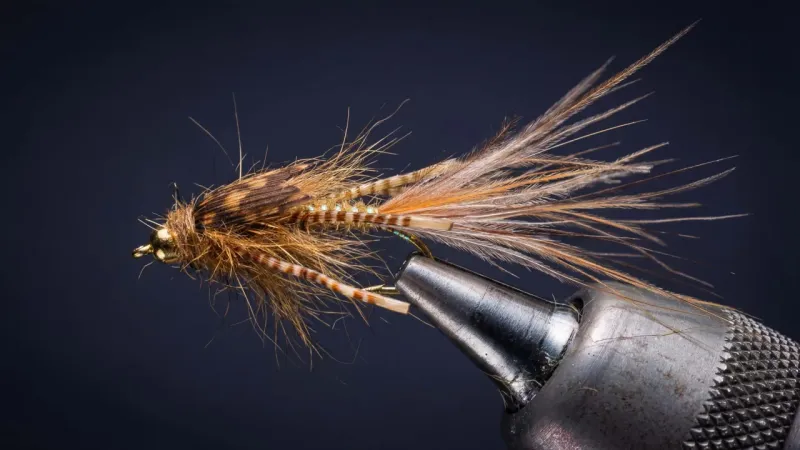
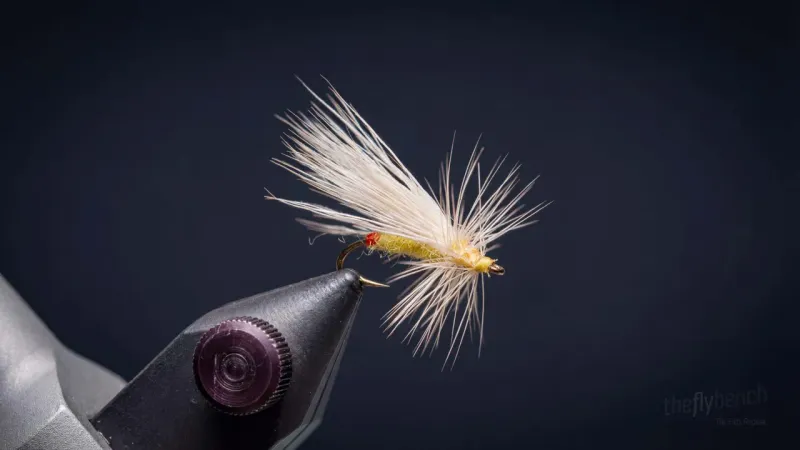
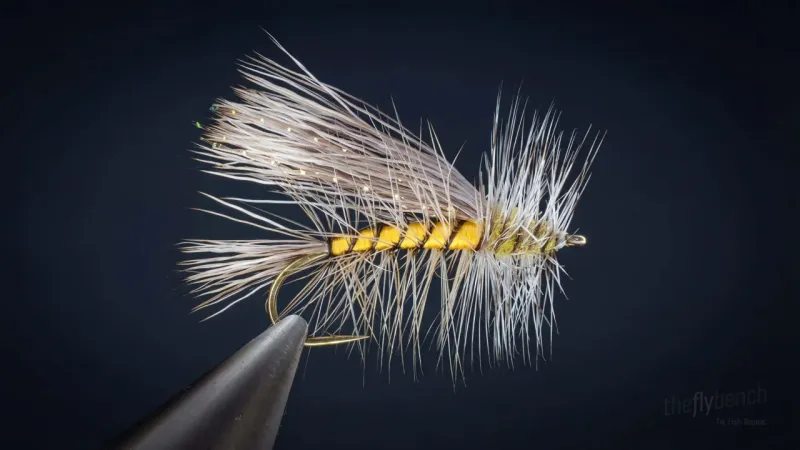
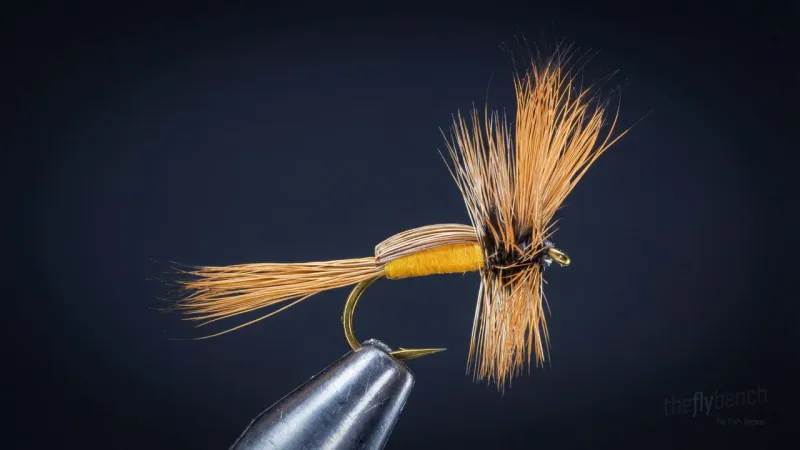
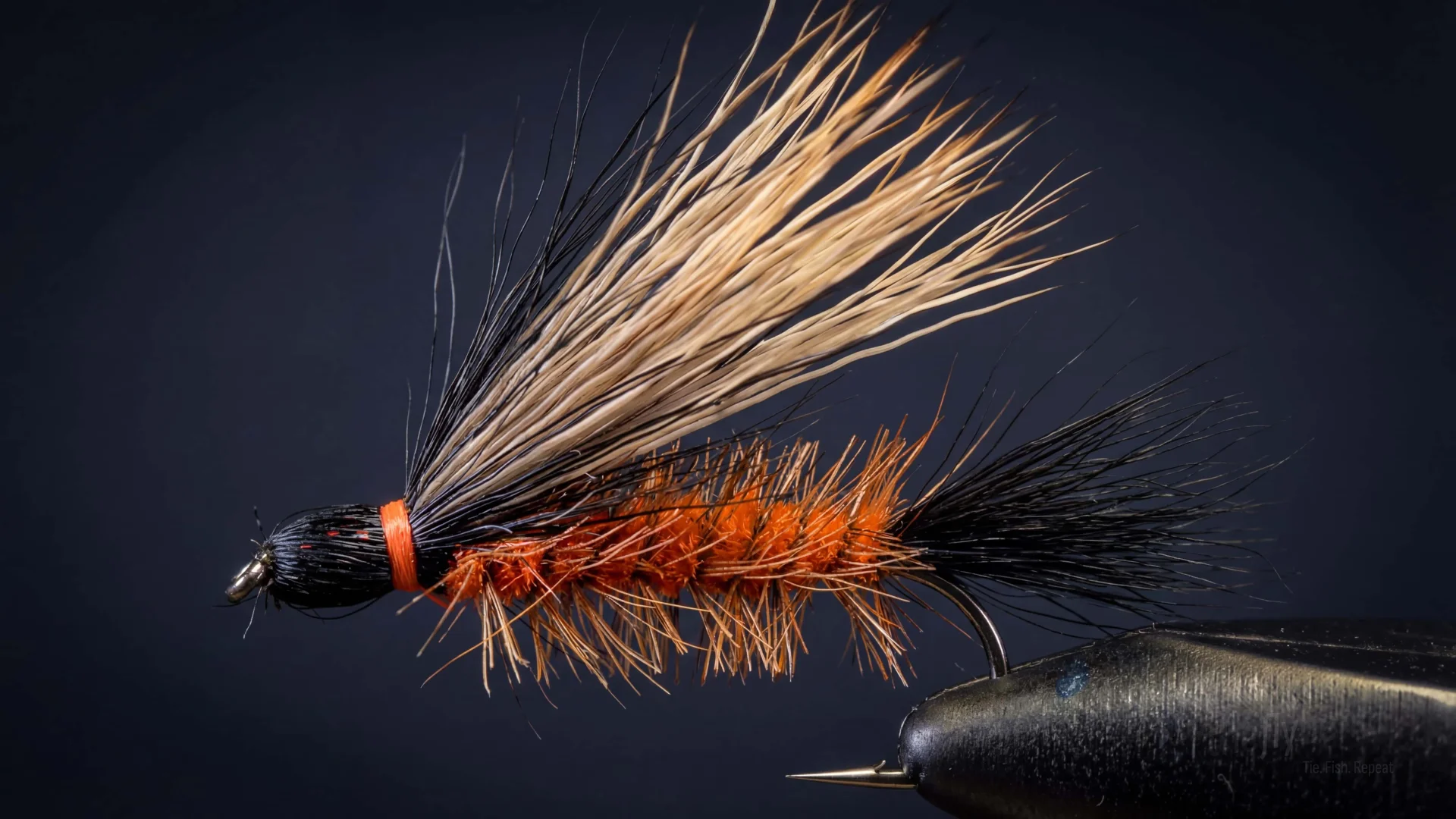
The Henry's Fork Salmonfly is a popular dry fly pattern designed to mimic the large Pteronarcys stoneflies found on the Henry's Fork and other Western rivers. Its foam body, rubber legs, and elk hair wing make it highly buoyant and visible on the water.
Spring, Summer
Intermediate
Trout
Apr 2025
Overview
Designed for the legendary salmonfly hatch, this high-floating dry uses a foam body, elk hair wing, and rubber legs for buoyancy and movement. Tied large (sizes #4–#8), it imitates Pteronarcys adults and is ideal for fast water during peak hatch periods.
Where to Buy This Fly
We only link to fly shops we trust. Some links are referral links, which may earn us a commission at no extra cost to you.
Materials
- Hook:
- Tiemco 5262, sizes #02-#08
- Thread:
- Orange UTC 140
- Tail:
- Black Coastal Deer Hair or Moose Hair
- Body:
- Orange Hareline Dubbing
- Hackle:
- Brown Whiting Rooster Cape
- Wing:
- Natural Elk or Deer Hair
- Head:
- Black Coastal Deer Hair or Moose Hair
Behavior & Presentation
Natural Behavior: Large stonefly adults struggle on the surface after ovipositing, wings spread flat as they drift spent in the film. This massive meal triggers aggressive feeding from opportunistic trout.
Where Trout Eat It: Fish patrol banks, foam lines, and current seams during salmonfly emergence, watching for adults fallen from streamside vegetation.
How to Fish It: Splat against banks and dead drift through productive lies, occasionally twitching to mimic the adult's struggles. Target visible risers.
Best Water: Work banks near riparian vegetation, foam lines collecting insects, and current breaks during peak salmonfly season.
Strike Type: Explosive rises with aggressive takes as fish capitalize on the season's largest meal opportunity.
Fishing Strategy
Rigging Suggestions: Use a 7.5 to 9-foot leader with 3X or 4X tippet for turning over this large pattern. A weight-forward floating line helps with presentation in wind.
Seasonal Timing: Prime time is late May through early July when adult salmonflies are active. Peak emergence typically occurs when water temperatures reach 55-60°F, usually mid-June in most Western rivers.
Pro Tips: The orange foam indicator makes the fly visible in broken water. Focus on bankside structure and foam lines where naturals collect. Don't strike too fast as trout often miss these large flies on the first take.
Entomology
Adult salmonflies lumber clumsily across the water surface after mating, exhausted females struggling to take flight while depositing eggs. The massive size of these insects (2-3 inches) and their vulnerability during egg-laying flights trigger aggressive surface takes from large trout who time their feeding to coincide with this brief but legendary early summer emergence.
- Order
- Plecoptera
- Common Name
- Stonefly
- Organism Type
- insect
- Life Stage
- adult