


Overview
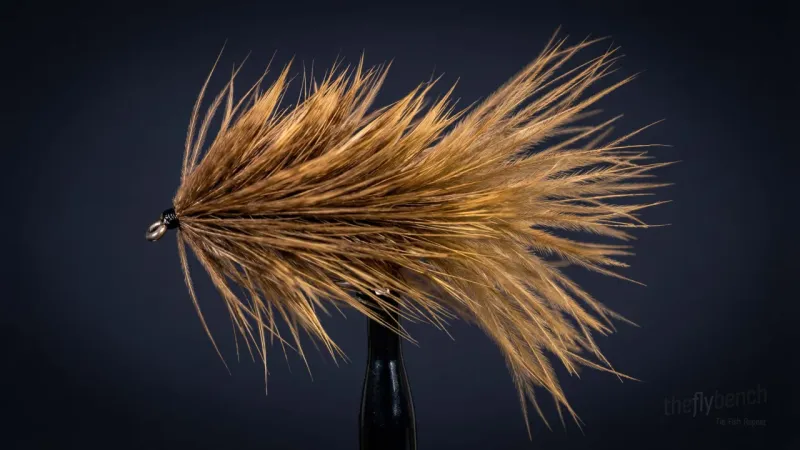
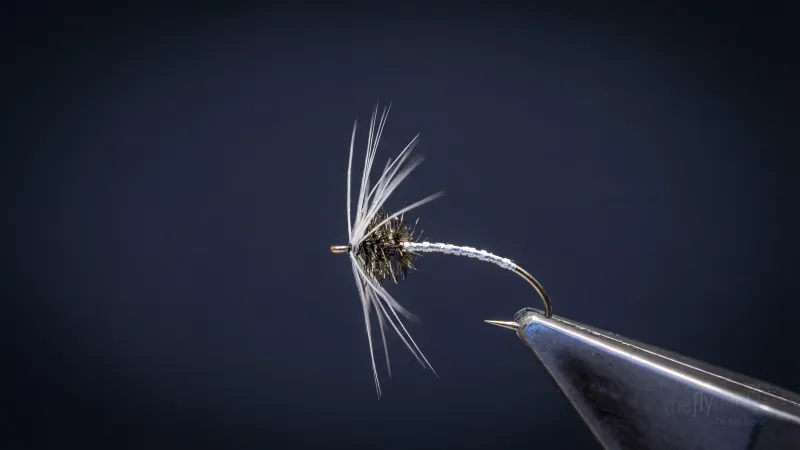
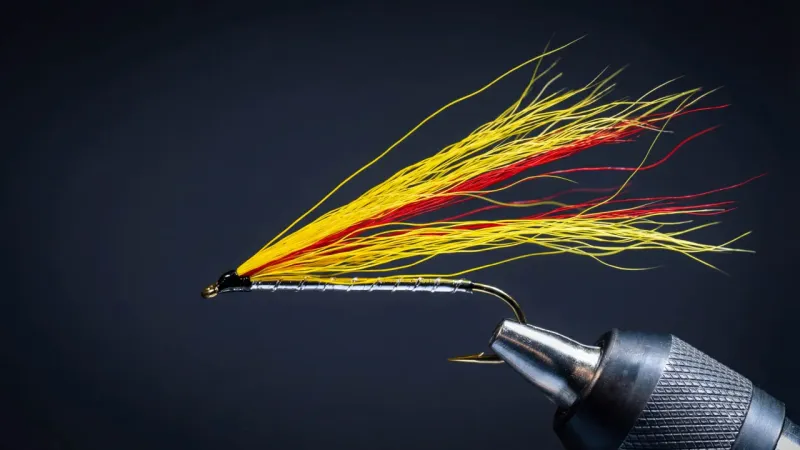
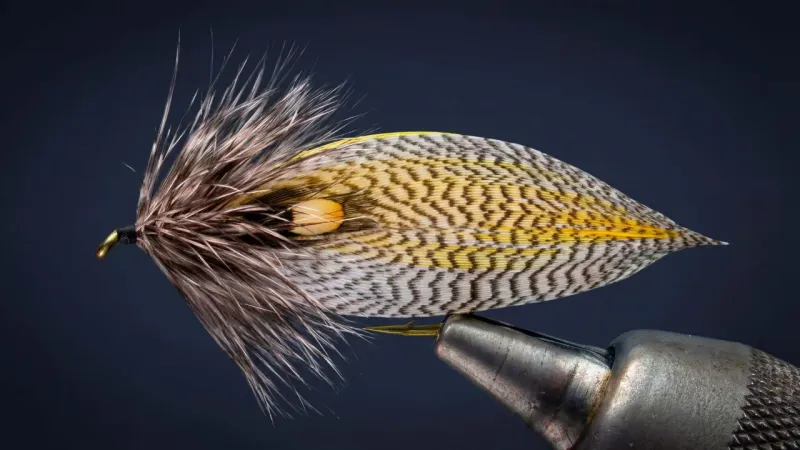
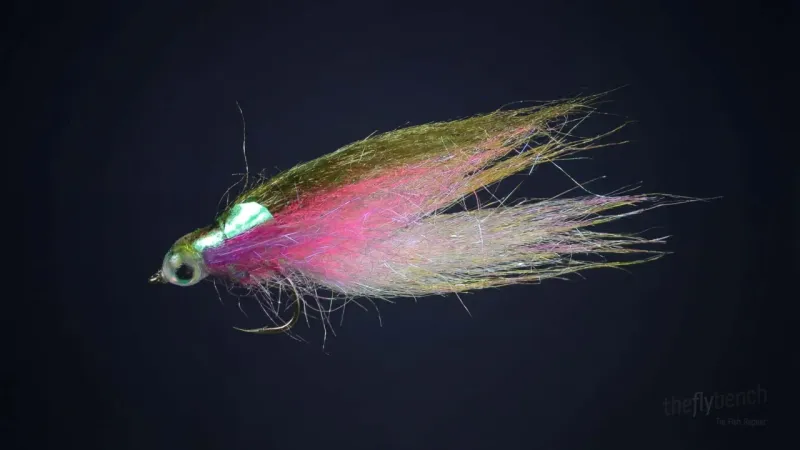
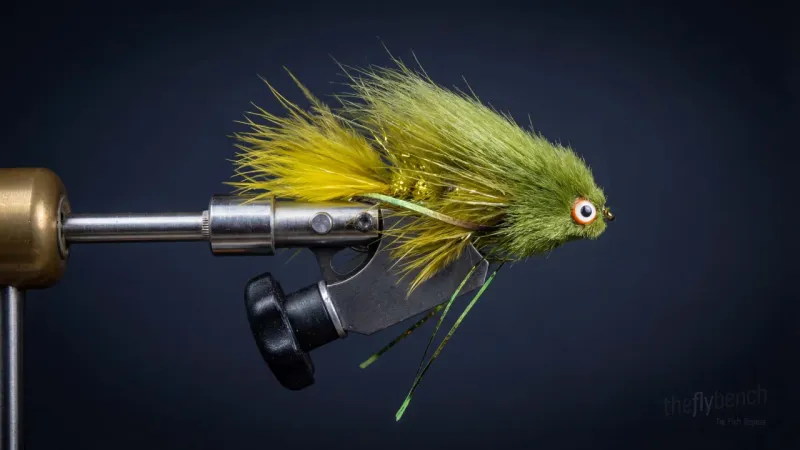
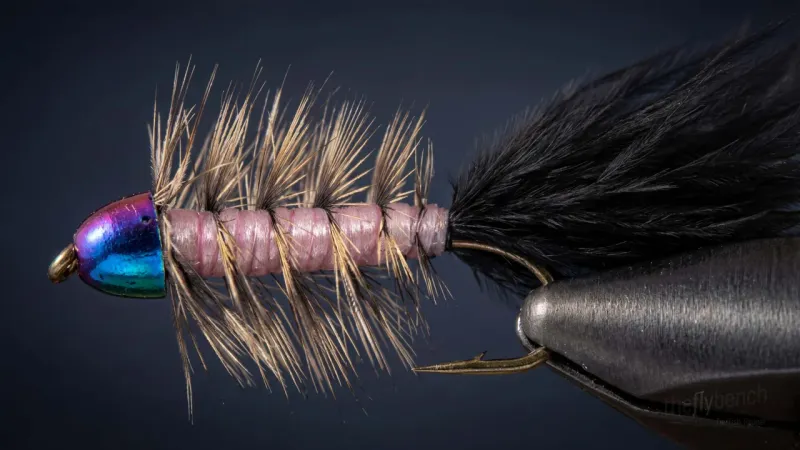
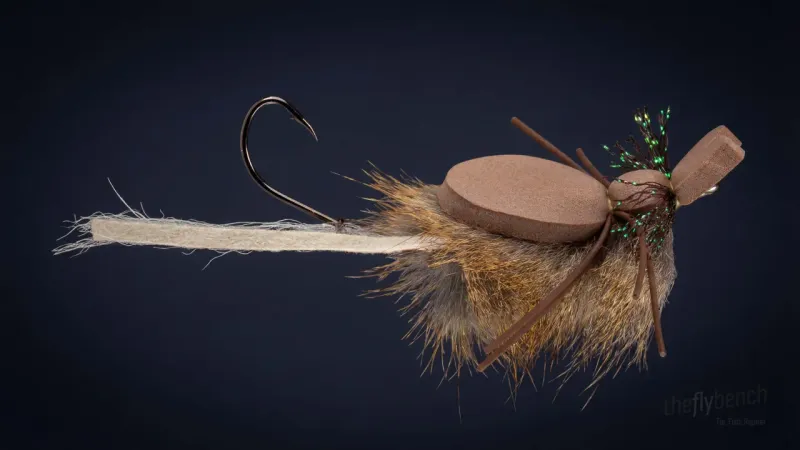
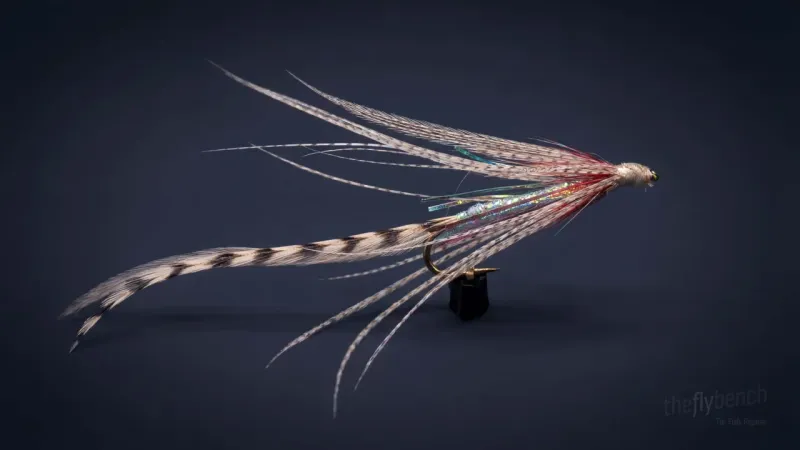
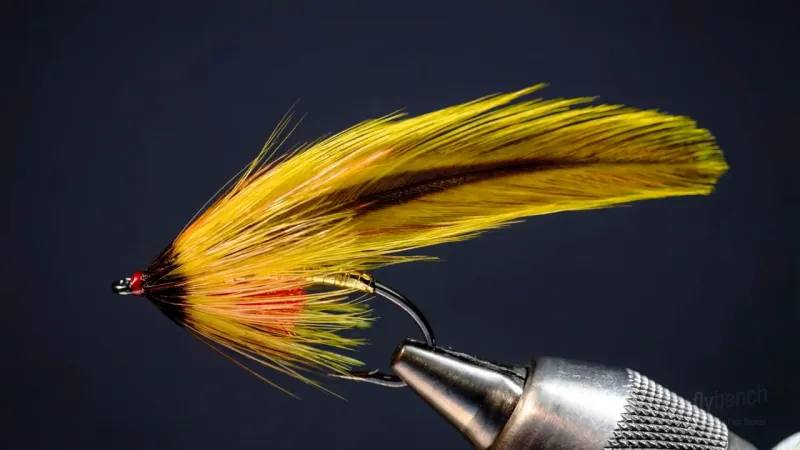
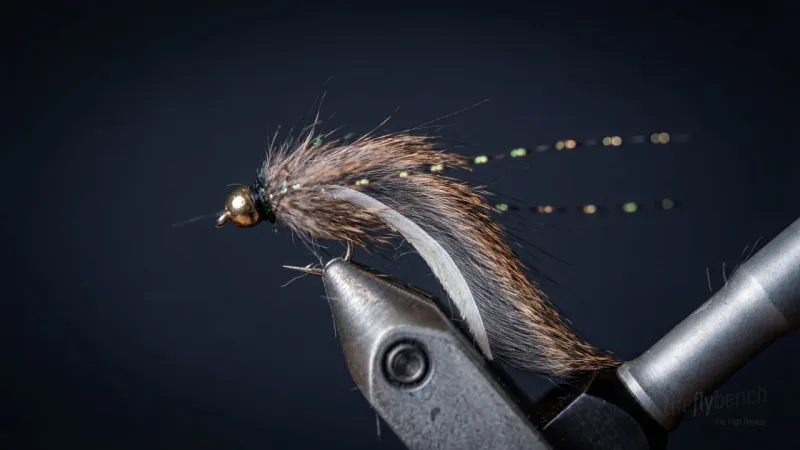
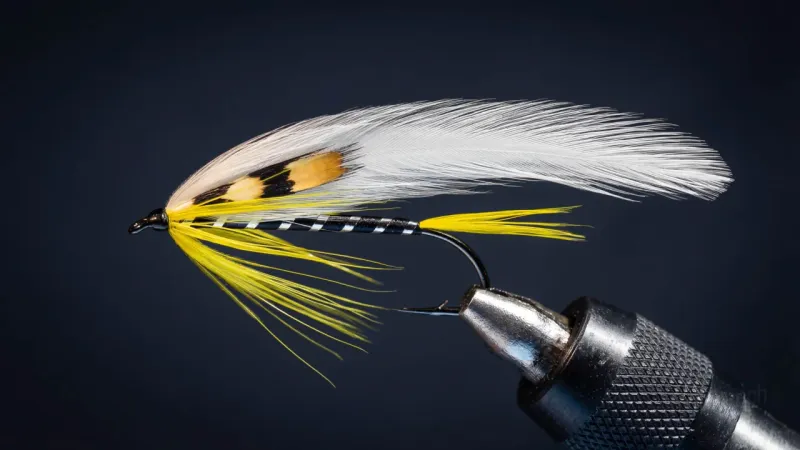
An old-school streamer pattern tied with a long feather wing, dubbed or floss body, and gold tinsel ribbing. It has a subtle profile that works well in clear water and is a tribute to New Jersey's trout waters.
Related patterns

Behavior & presentation
- Natural Behavior
- This attractor suggests multiple forage types including baitfish and large nymphs, with materials that pulse and breathe in current. The combination of flash and movement triggers opportunistic feeding responses.
- Where Trout Eat It
- Mid-column in pools, runs, and near structure where fish feed actively on available forage.
- How to Fish It
- Swing through pools and runs or strip actively with varying retrieves to create action.
- Best Water
- Runs, pools, seams, undercut banks, drop-offs, and current breaks in freestone rivers.
- Strike Type
- Aggressive strikes during swings or strips as fish react to attractor profile and movement.
Fishing strategy
- Rigging Suggestions
- This pattern can be fished on a floating or sinking line depending on the depth of the water and the behavior of the fish.
- Seasonal Timing
- Effective during peak feeding periods when water temperatures and conditions support active feeding behavior.
- Pro Tips
- This pattern is designed to sink and imitate a swimming baitfish. It's highly visible in the water thanks to its flashabou and tinsel body.
Entomology
Small minnows and dace maintain position in moderate current by hovering near structure, then dart upstream or cross-stream in feeding movements. Their predictable holding positions and regular feeding patterns make them reliable prey for trout that learn to ambush them during these vulnerable cross-current movements.
- Organism
- baitfish
- Life stage
- general
Pattern details
- Moving Water
- Northeast
- active-retrieve
- strip-retrieve
- low-clear-water