Overview
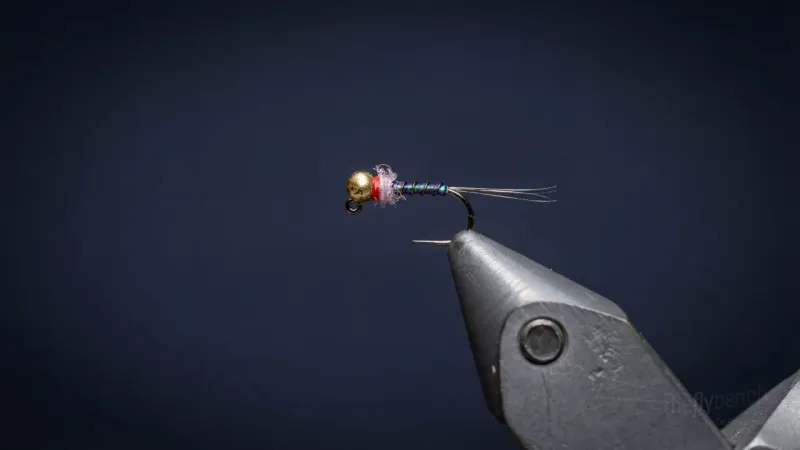
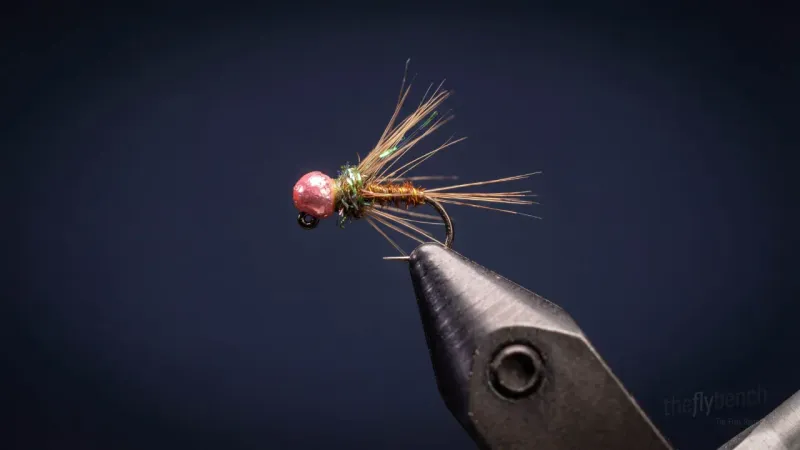
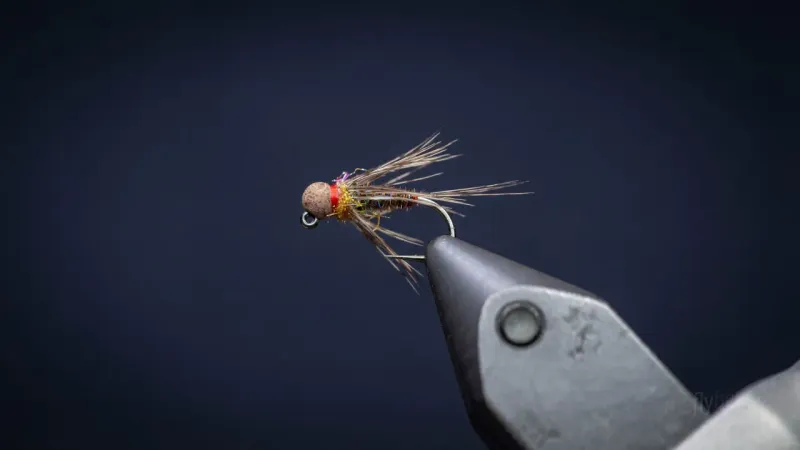
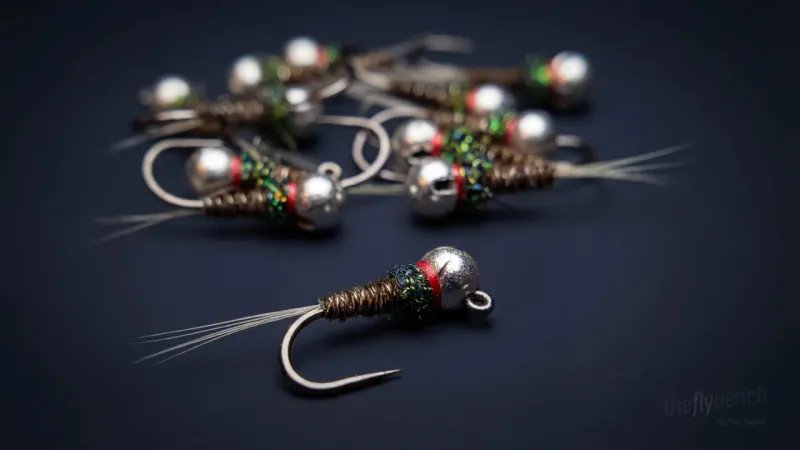
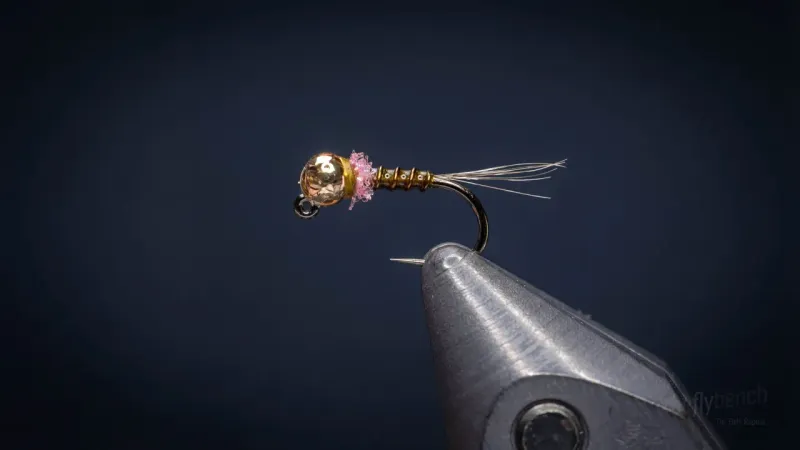
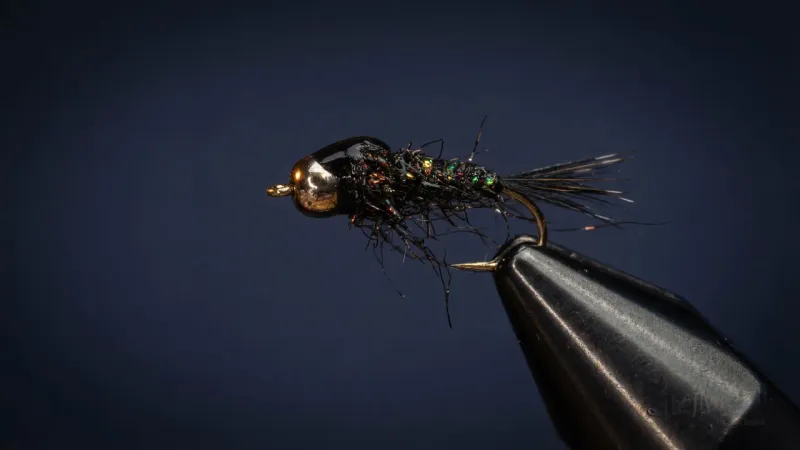
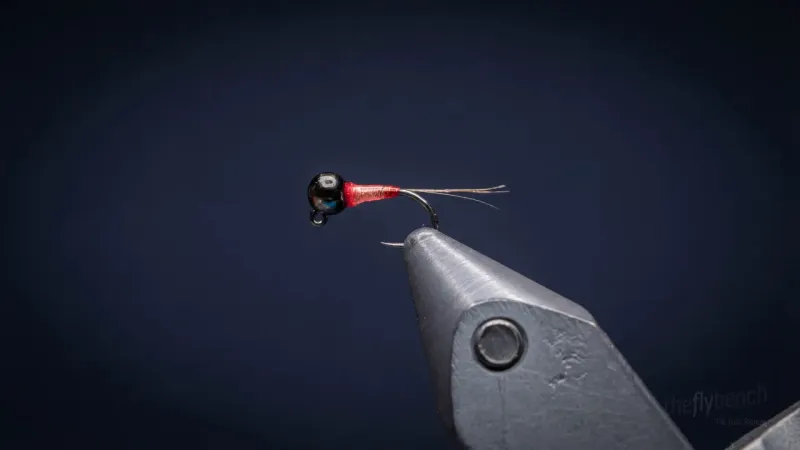
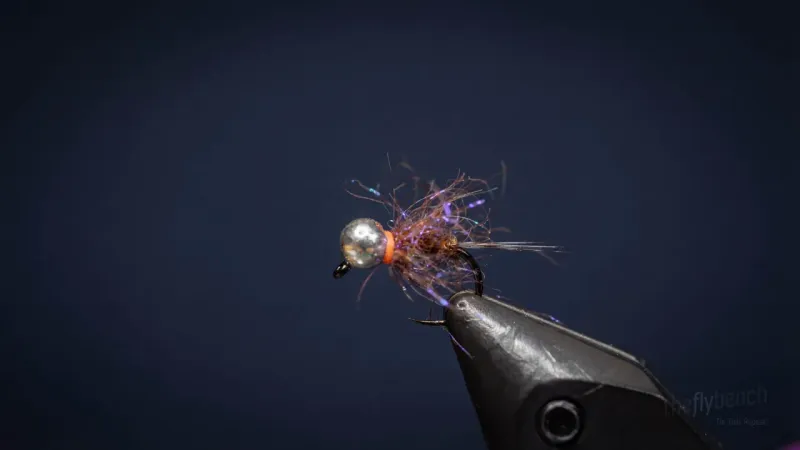
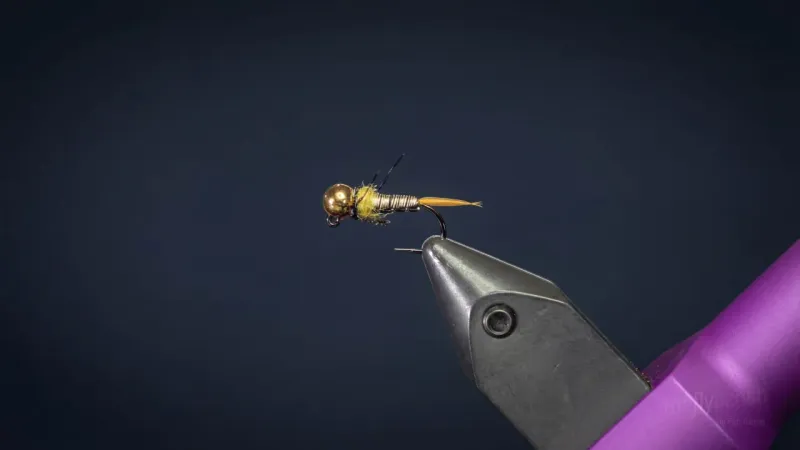
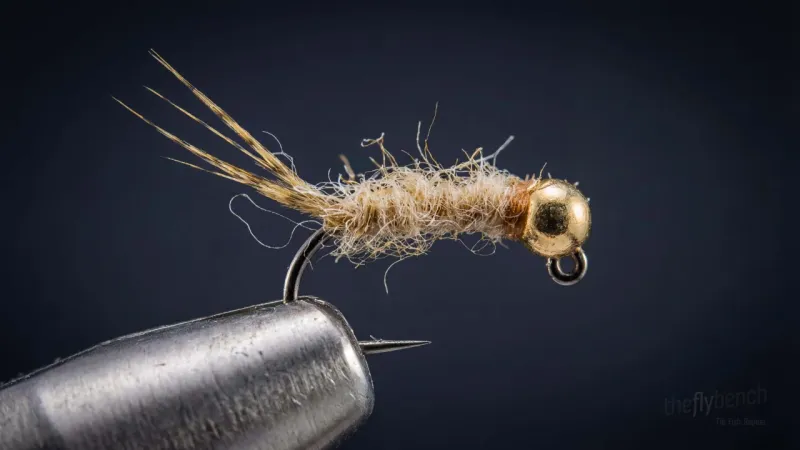
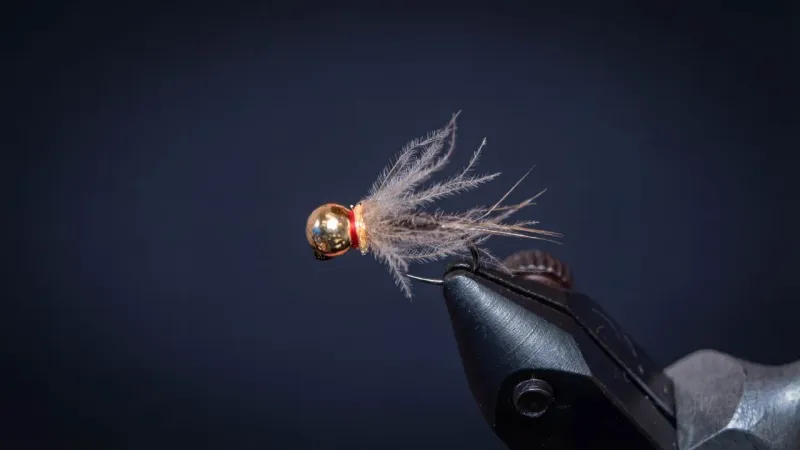
The Holographic Frenchie takes Lance Egan's popular Frenchie design and adds extra flash through holographic tinsel body material. This pattern gained popularity among euro nymph anglers for its enhanced visibility and attraction in deeper runs and off-color water. The holographic body creates a 3D flash effect that outperforms traditional materials in certain conditions. Many tiers experiment with different holographic colors including gold, copper, and rainbow to match various water clarities and light conditions.
Related patterns
Behavior & presentation
- Natural Behavior
- Mayfly nymphs display characteristic gill movement creating subtle vibrations detectable by trout, especially when drifting or swimming. Many species seek darker microhabitats during daylight, becoming more drift-prone during low-light conditions at dawn and dusk.
- Where Trout Eat It
- Trout target drifting nymphs along the streambed in deeper runs and pocket water where they tumble through feeding zones.
- How to Fish It
- Fish with tight line euro nymphing or under indicator in deeper runs, maintaining contact for subtle take detection.
- Best Water
- Target runs, riffles, and pocket water where current delivers drifting nymphs through feeding lanes.
- Strike Type
- The holographic body's visibility triggers confident takes that produce decisive sighter dips or sudden rod-loading as fish turn away with the fly. Watch for upstream sighter movements when fish take while facing into current, a common pattern with this high-contrast design.
Fishing strategy
- Rigging Suggestions
- Use as point fly on 9-12 foot euro nymphing leader with 4X-5X tippet. Can be paired with a lighter nymph or dry dropper setup.
- Seasonal Timing
- Year Round effectiveness, particularly productive during spring and fall Baetis hatches when trout are actively feeding on mayfly nymphs. The flash is especially effective during overcast conditions or low-light periods in early morning and late evening.
- Pro Tips
- Sinks quickly due to the 3.5mm tungsten bead, reaching depths of 3-5 feet in moderate current. The holographic tinsel creates multi-directional flash that remains visible even in deeper water.
Where to fish it
Rivers anglers pair with this fly, with local shops that stock it.
River details and fly shops from River & Run, our sister site.
Entomology
Mayfly nymphs display characteristic gill movement patterns that create subtle vibrations and visual cues detectable by trout lateral line systems and vision, especially when nymphs are drifting or swimming. Many species exhibit negative phototaxis, seeking darker microhabitats during daylight hours and becoming more active and drift-prone at night or during low-light conditions. Their year-round presence in varied life stages ensures a constant food source, with fish showing size-selective feeding based on energy optimization.
- Order
- Ephemeroptera
- Common name
- Mayfly
- Organism
- insect
- Life stage
- nymph
Pattern details
- Moving Water
- Rocky Mountain
- South America
- tight-line-nymph
- competition
- dead-drift
- baetis-hatch
- midge-hatch
- classic
- attractor
- searching-pattern
- dry-dropper
- high-water
- low-clear-water
- tailwater
- freestone
- spring-creek