


Overview
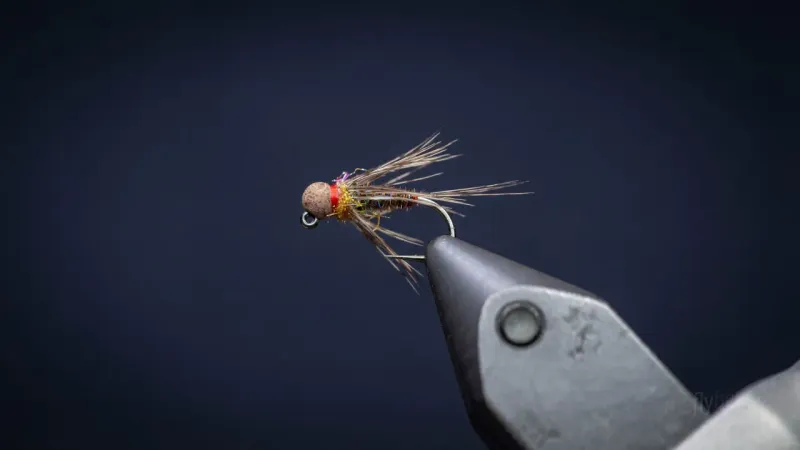
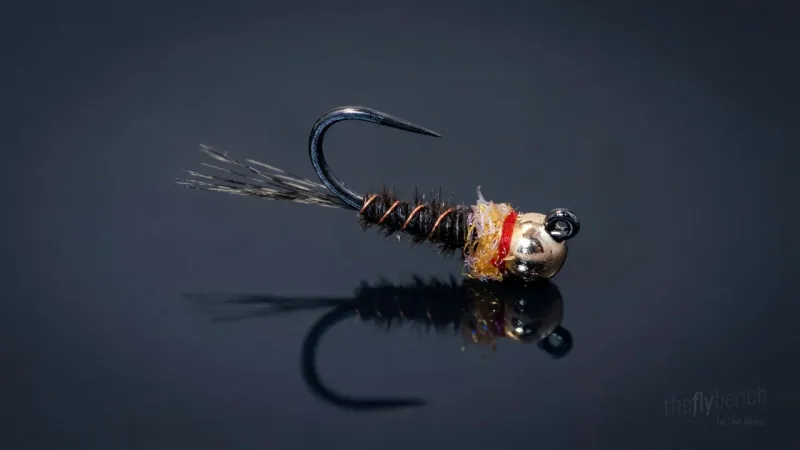
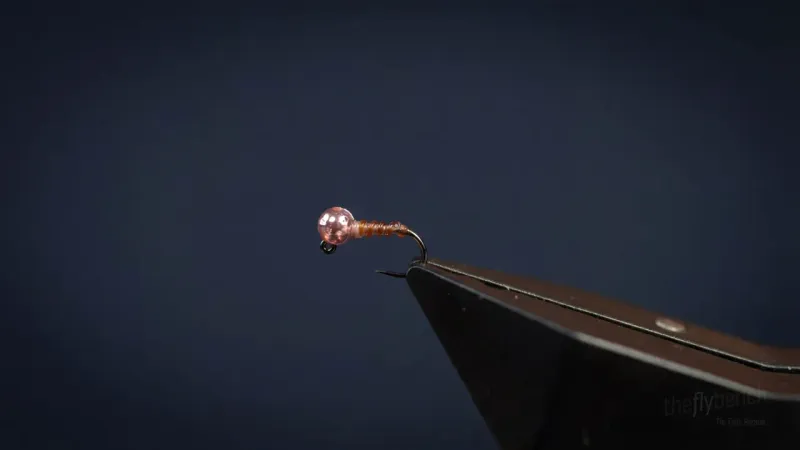
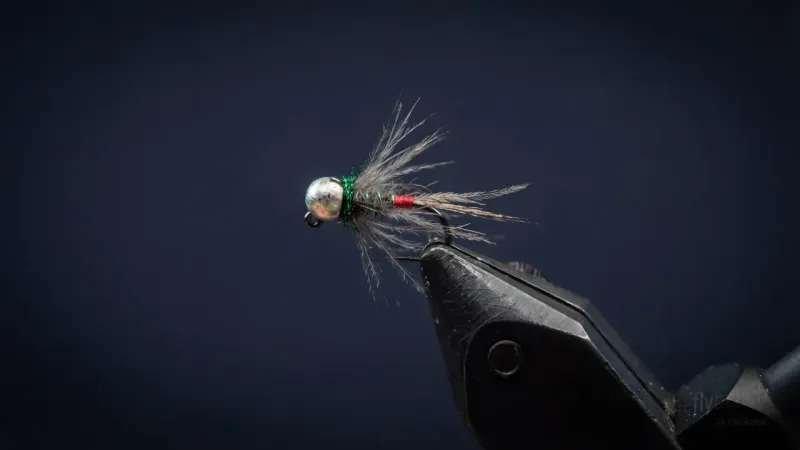
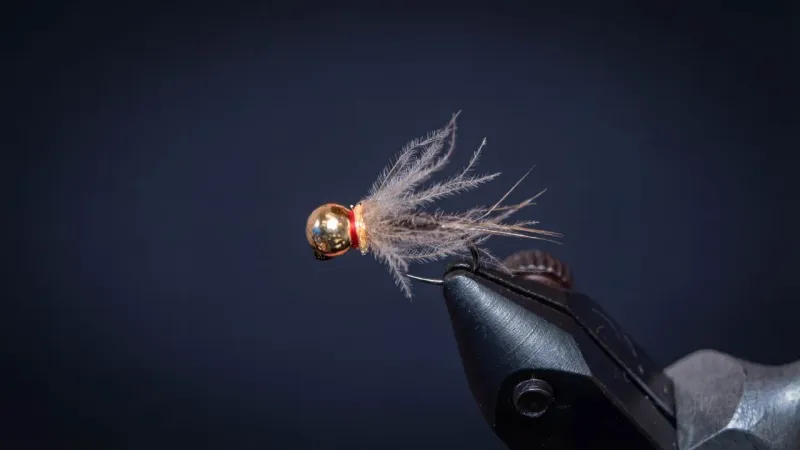
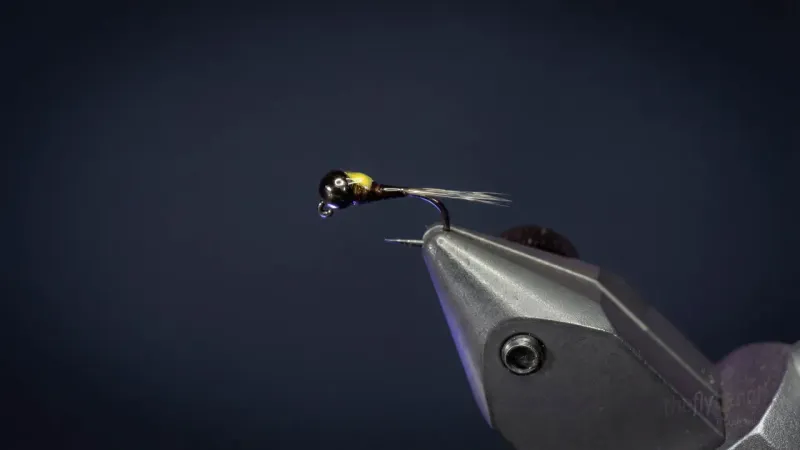
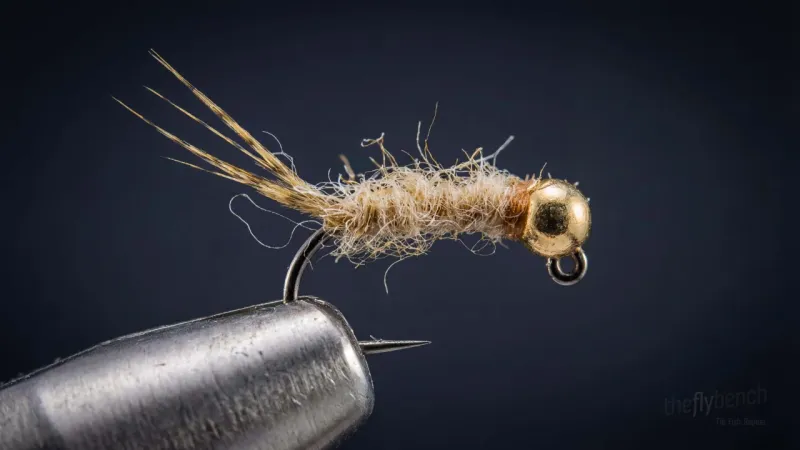
The Baetis Max uses a clever technique where CDC fibers veil over a tinsel body, reducing the flash to a subtle glow that won't spook educated fish. The Ice Dub collar adds sparkle and creates a buggy profile. This pattern was developed through extensive testing on heavily pressured tailwater fish and consistently outperforms flashier alternatives when trout are being selective.
Related patterns
Behavior & presentation
- Natural Behavior
- Blue-winged olive nymphs release from substrate during peak activity periods, swimming laterally across currents during frequent behavioral drift. Cold-water hatches create focused feeding windows when Baetis dominate available forage.
- Where Trout Eat It
- Fish intercept nymphs in runs, tail-outs, and along seams at 1-4 foot depths where drift concentrates swimming mayflies.
- How to Fish It
- Present below dry flies in dropper rigs, allowing natural drift to match swimming nymphs unable to control downstream movement.
- Best Water
- Target runs with moderate current, tail-outs where flow slows, and seams between current speeds.
- Strike Type
- Slight pause or subtle tightening signals fish taking drifting nymphs in technical presentations.
Fishing strategy
- Rigging Suggestions
- Fish in sizes #18-#22 on 5X-6X fluorocarbon. Ideal as dropper 12-18 inches below a Baetis dry fly.
- Seasonal Timing
- but excels during Baetis hatches in spring and fall. The subtle flash and movement work in any season when fish are feeding subsurface.
- Pro Tips
- The tungsten drop bead sinks quickly while the CDC collar provides subtle movement. The veiled tinsel body creates a muted flash visible to fish without alarming them.
Where to fish it
Rivers anglers pair with this fly, with local shops that stock it.
River details and fly shops from River & Run, our sister site.
Entomology
Blue-winged olive nymphs exhibit frequent behavioral drift, releasing from substrate holds during peak activity periods while swimming laterally across currents. Trout heavily target these swimming nymphs during cold-water hatches when Baetis represent the dominant available forage, with their predictable drift timing creating focused feeding windows.
- Order
- Ephemeroptera
- Family
- Baetidae
- Common name
- Blue-Winged Olive
- Organism
- insect
- Life stage
- nymph
Pattern details
- Moving Water
- Rocky Mountain
- tight-line-nymph
- competition
- dead-drift
- baetis-hatch
- guide-fly
- high-water
- low-clear-water
- tailwater