Overview
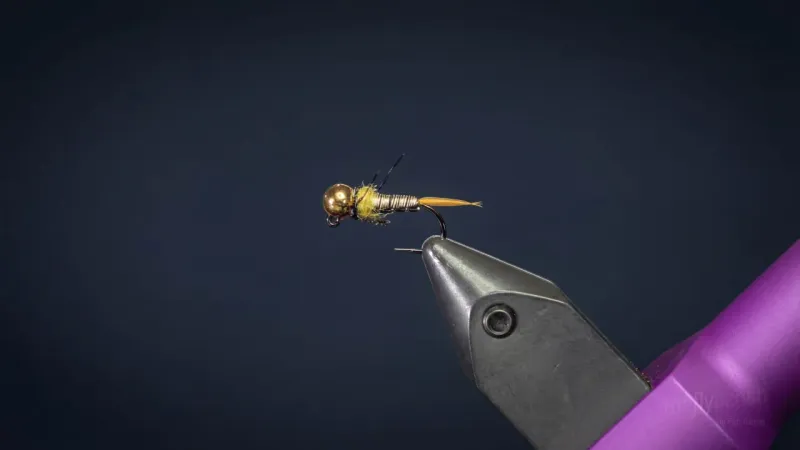
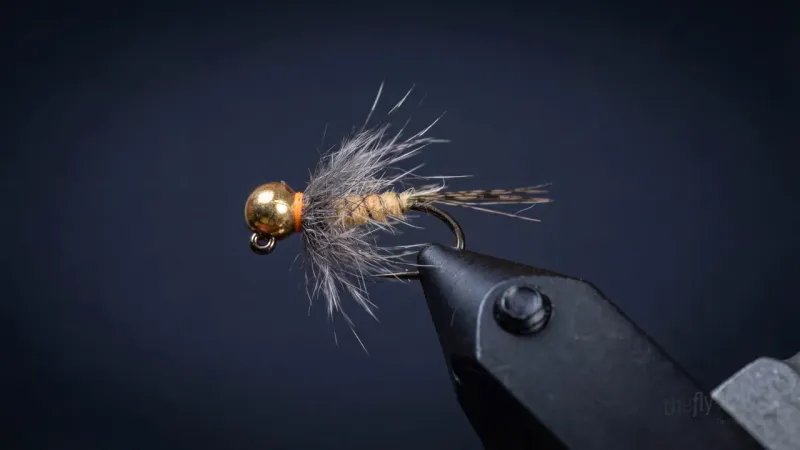
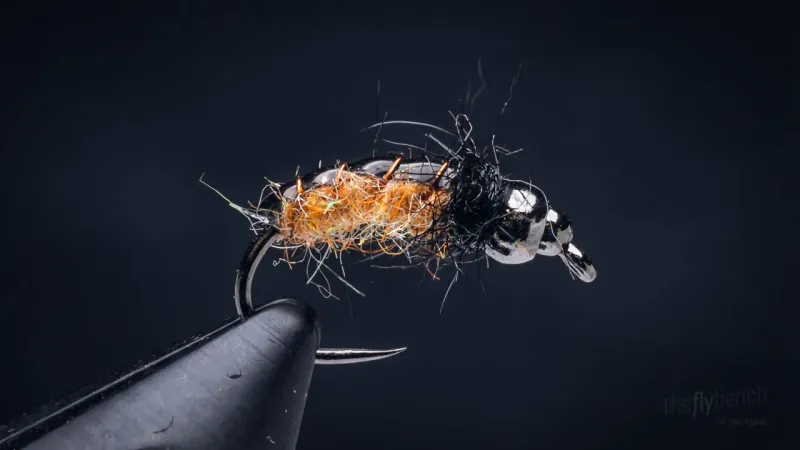
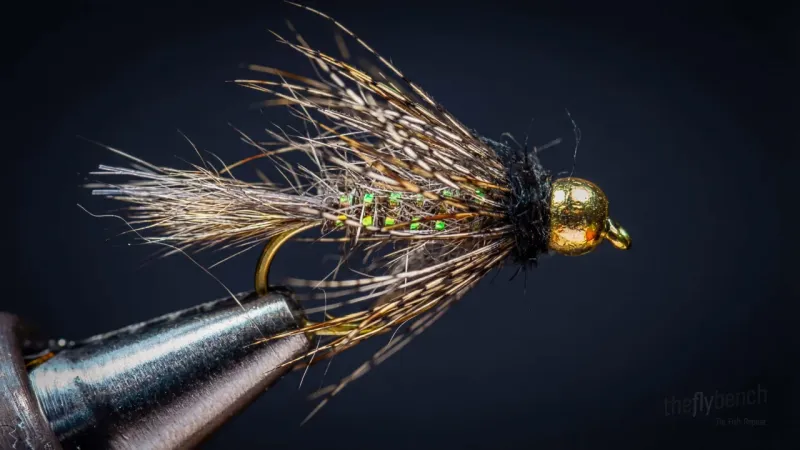
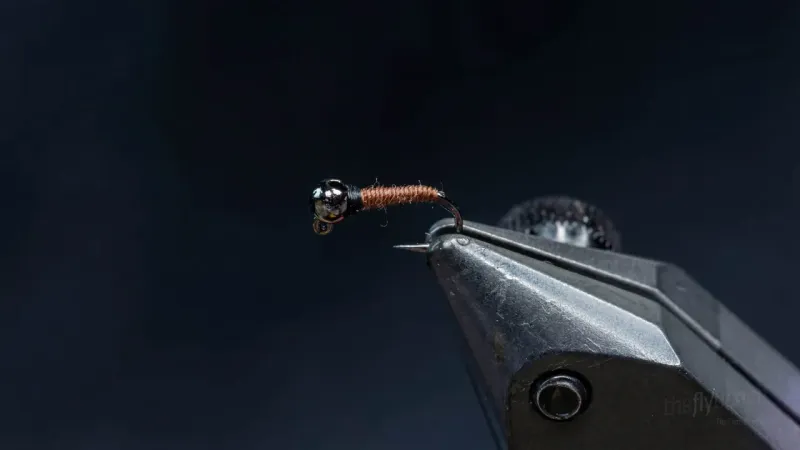
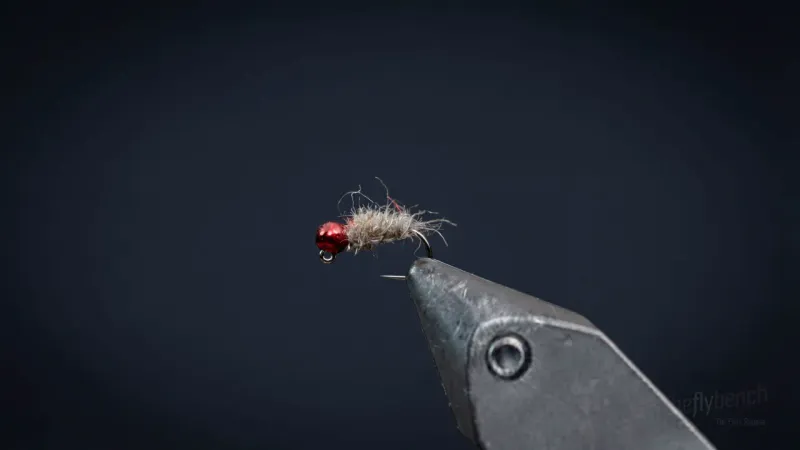
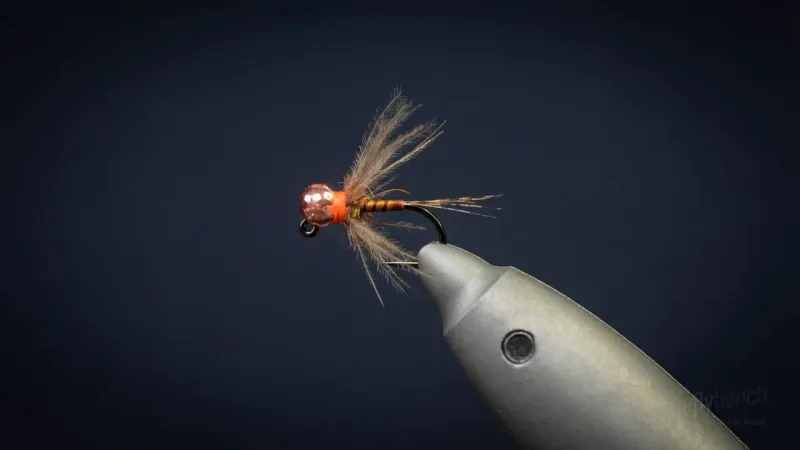
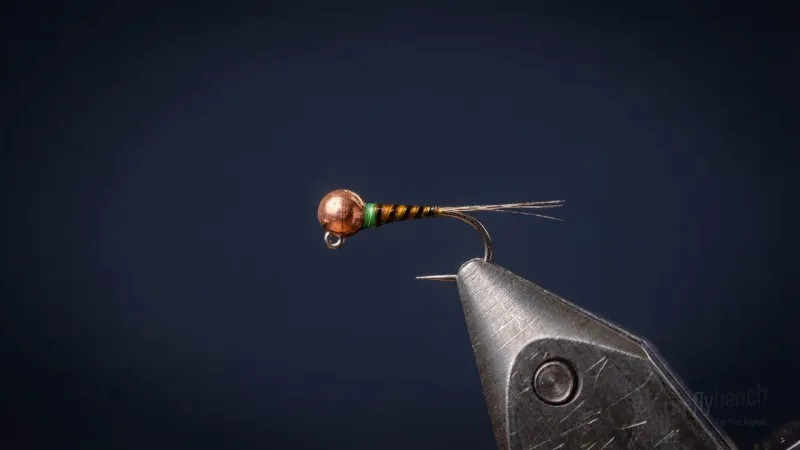
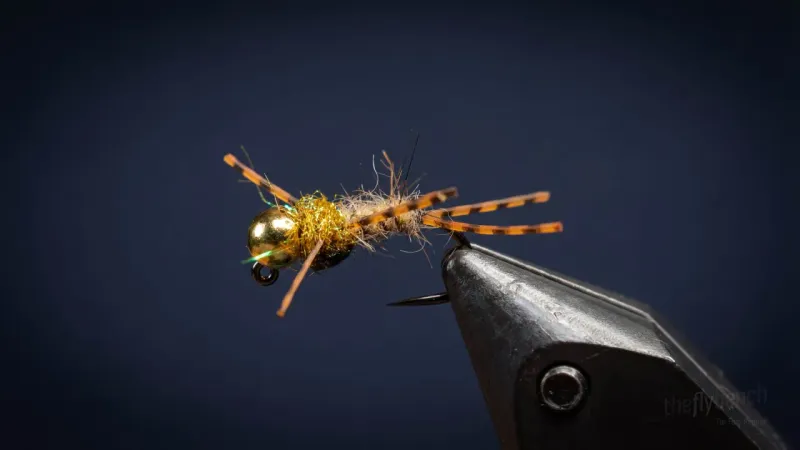
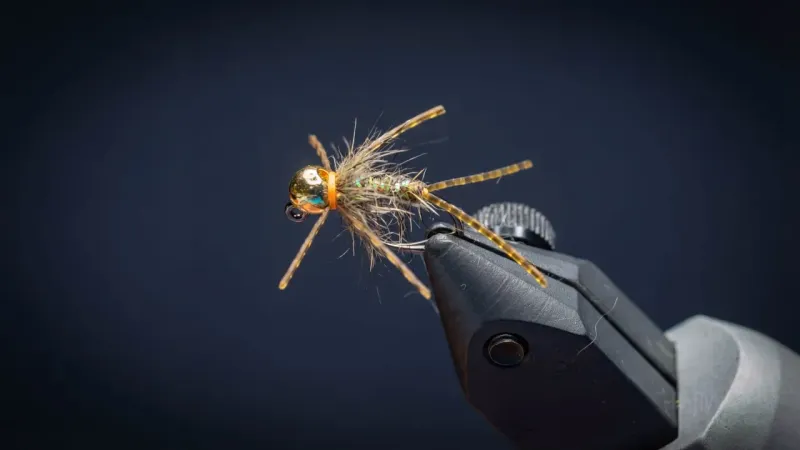
Designed by Cheech (of Fly Fish Food) in November 2021 as a competition-style stonefly pattern. The pattern combines traditional Montana stone elements with modern euro-nymphing materials for enhanced effectiveness. The stripped biots create a segmented tail appearance while the bright UV yellow thorax adds attraction in off-color water. The slim wire body profile sinks quickly and maintains excellent contact in technical presentations.
Related patterns
Behavior & presentation
- Natural Behavior
- Yellow Sally stonefly nymphs prefer moderate-gradient streams with abundant cobble substrate, emerging during late spring and early summer in massive synchronized hatches that can blanket riverside vegetation. Unlike their larger stonefly cousins, these nymphs are relatively weak swimmers and become easy prey when dislodged from substrate during their migrations toward shore prior to emergence.
- Where Trout Eat It
- Trout target stonefly nymphs crawling and tumbling near bottom substrate in fast-water zones with cobble, especially when nymphs migrate shoreward.
- How to Fish It
- Fish inverted jig hook with tight-line contact, using long rod flex to cast weighted flies, maintaining slight tension while ticking bottom.
- Best Water
- Freestone pocket water with cobble substrate and boulder-studded runs 2-4 feet deep. Target hydraulic cushions behind large rocks.
- Strike Type
- Fish grab this wire-bodied stonefly pattern aggressively as it ticks through pocket water, producing sharp rod-tip pulls or abrupt sighter movements. The inverted jig design means strikes often feel heavier than visual cues suggest, requiring immediate response to bounces or weight changes transmitted through tight-line contact.
Fishing strategy
- Rigging Suggestions
- Fish on 10-20 foot euro-nymphing leader with 4X-5X fluorocarbon tippet. Use as point fly in a two-fly rig with a smaller nymph or perdigon as dropper.
- Seasonal Timing
- stonefly emergences from March through May and again during summer yellow sally hatches from June through August. The pattern works year-round in freestone rivers where stoneflies are present.
- Pro Tips
- The 3.0mm tungsten bead provides quick sink rate to reach feeding zones in 2-4 feet of water rapidly. The jig hook design ensures the fly rides inverted, keeping the hook point away from snags while maintaining natural drift characteristics.
Where to fish it
Rivers anglers pair with this fly, with local shops that stock it.
River details and fly shops from River & Run, our sister site.
Entomology
Yellow Sally stonefly nymphs prefer moderate-gradient streams with abundant cobble substrate, emerging during late spring and early summer in massive synchronized hatches that can blanket riverside vegetation. Unlike their larger stonefly cousins, these nymphs are relatively weak swimmers and become easy prey when dislodged from substrate during their migrations toward shore prior to emergence. Their bright yellow coloration when mature makes them highly visible to trout, and their prolonged nymphal period of 1-2 years ensures consistent availability.
- Order
- Plecoptera
- Family
- Perlodidae
- Common name
- Yellow Sally
- Organism
- insect
- Life stage
- nymph
Pattern details
- Moving Water
- Rocky Mountain
- tight-line-nymph
- competition
- dead-drift
- stonefly-hatch
- classic
- modern
- high-water
- low-clear-water
- freestone