


Overview
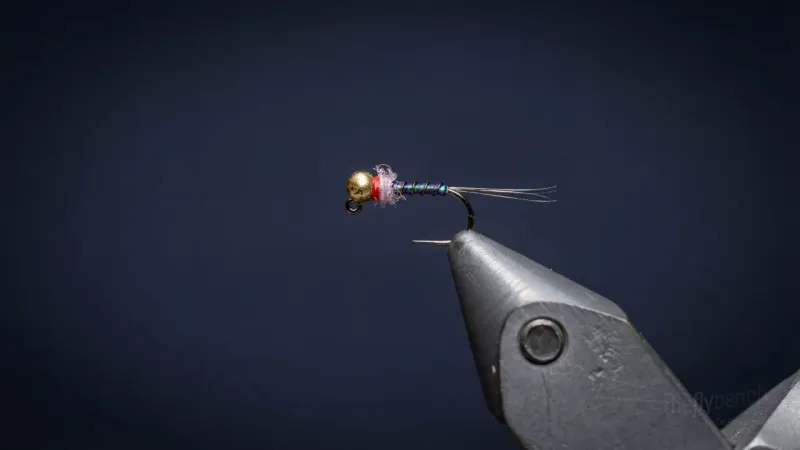
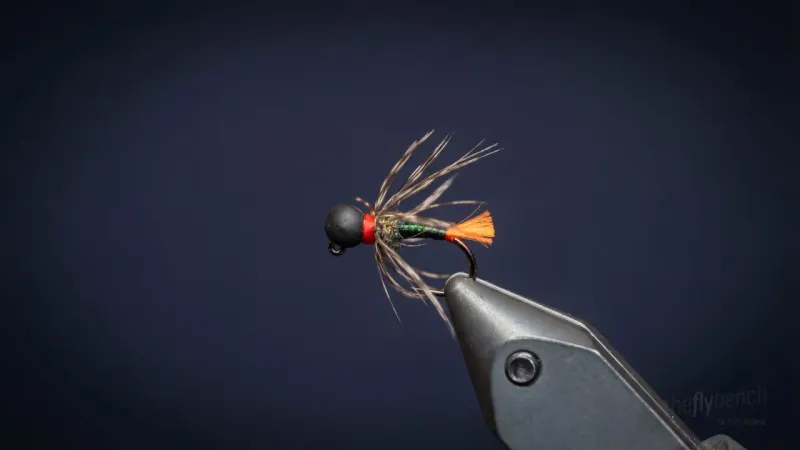
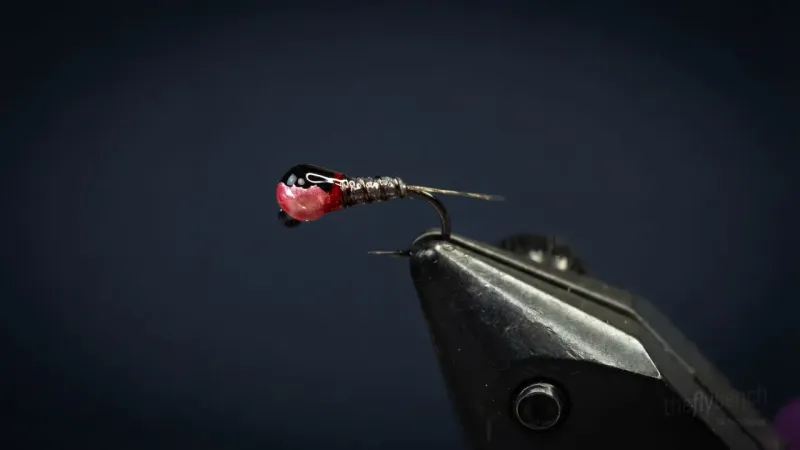
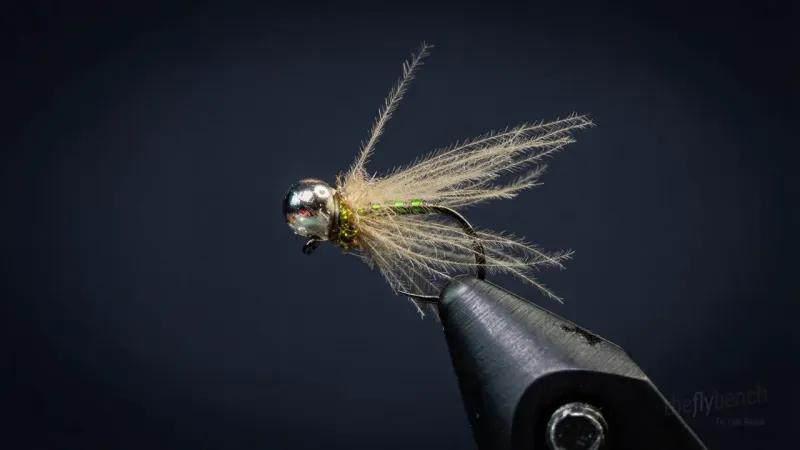
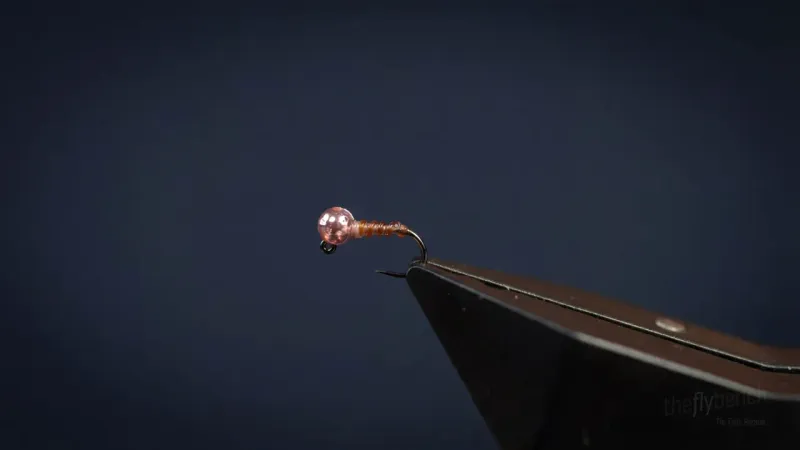
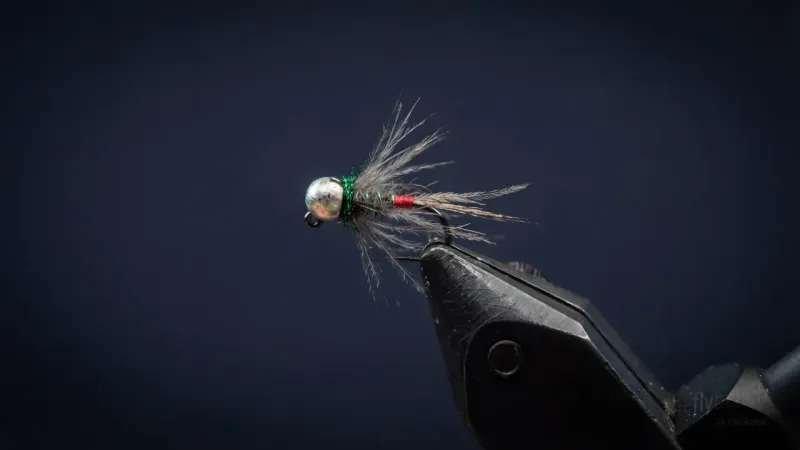
Developed by Curtis in December 2018 as an American interpretation of the popular Frenchie pattern. The pattern substitutes standard pheasant tail fibers with premium Coq De Leon center tail feathers, which provide superior translucency and natural segmentation. The Brahma wing soft hackle adds subtle movement and a softer profile compared to traditional CDC collars. The UV Shrimp Pink hot spot increases visibility to both fish and angler in technical euro nymphing situations.
Related patterns
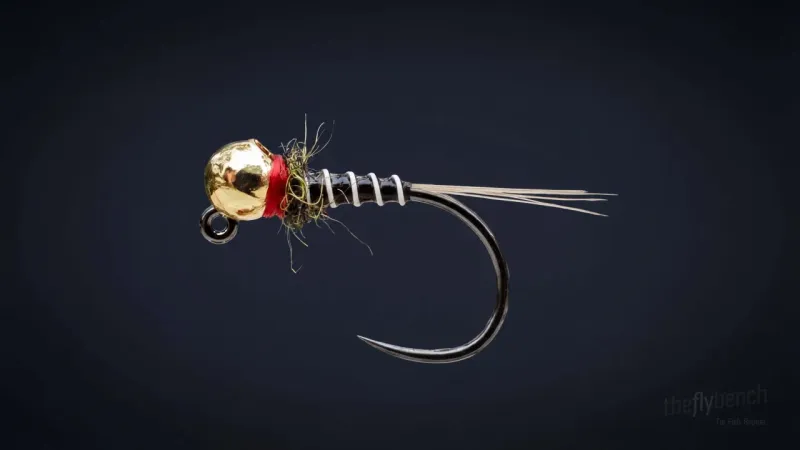
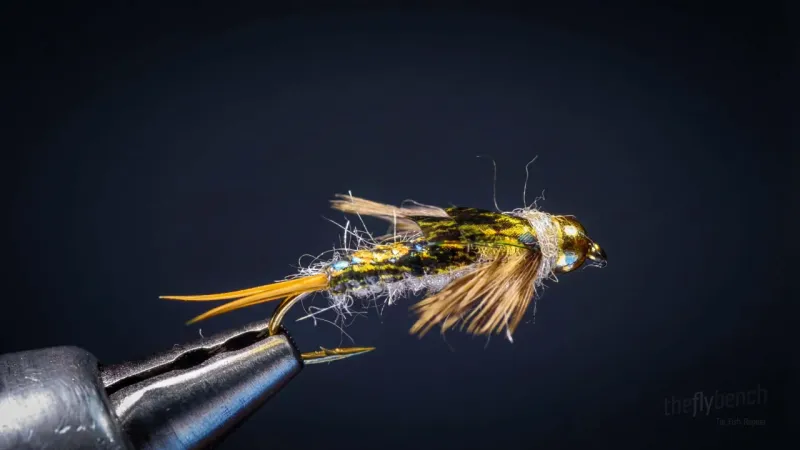
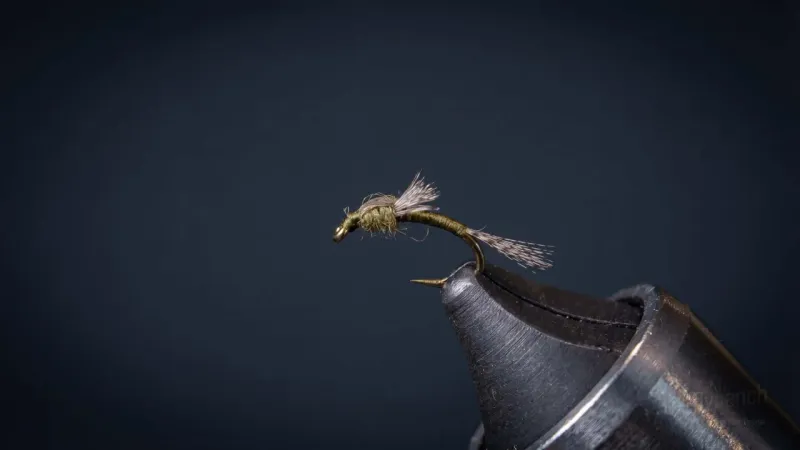
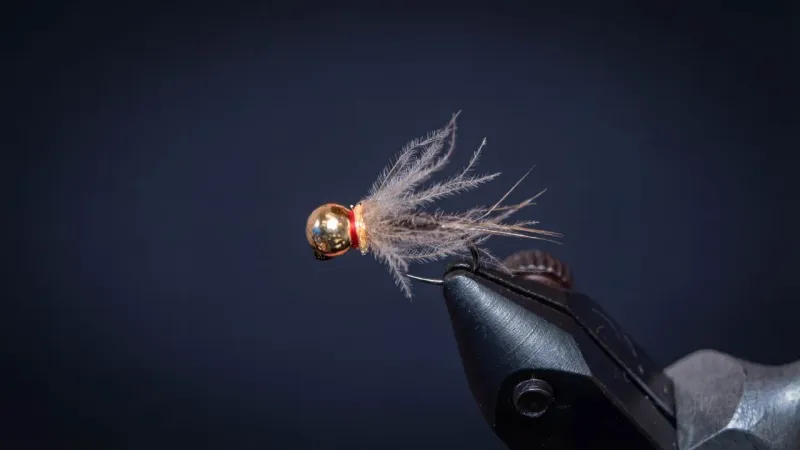
Behavior & presentation
- Natural Behavior
- Swimming mayfly nymphs dart between substrate refuges using rhythmic abdominal movements, navigating current seams during active feeding periods. Their erratic motion triggers aggressive strikes as trout capitalize on these highly visible swimmers.
- Where Trout Eat It
- Trout feed near bottom in runs and riffles, intercepting nymphs tumbling through mid-column feeding zones.
- How to Fish It
- High-stick with tight-line technique, maintaining direct contact as the fly drifts naturally along bottom.
- Best Water
- Target runs and pocket water in tailwaters, focusing on current breaks that concentrate drifting nymphs.
- Strike Type
- Watch for subtle sag in the sighter or slight ticks indicating interception.
Fishing strategy
- Rigging Suggestions
- Fish on 9-12 foot leader with 5X-6X tippet for euro nymphing presentations. Use as a point fly in tandem rigs with a lighter dropper pattern.
- Seasonal Timing
- , particularly productive during spring and fall Baetis hatches. Works well in winter when trout are feeding on small mayfly nymphs in slower water.
- Pro Tips
- Sinks quickly with combination of tungsten bead and lead wire underbody. The slotted bead helps the fly ride point-up on jig hook.
Entomology
Swimming mayfly nymphs execute rapid darting movements between substrate refuges, using rhythmic abdominal undulations to navigate current seams and eddies. Trout target these active swimmers during competitive Euro-nymphing scenarios because their erratic motion triggers aggressive feeding responses and their prevalence in tailwaters ensures consistent availability.
- Order
- Ephemeroptera
- Common name
- Mayfly
- Organism
- insect
- Life stage
- nymph
Pattern details
- Moving Water
- Europe
- Rocky Mountain
- tight-line-nymph
- competition
- dead-drift
- baetis-hatch
- classic
- low-clear-water
- tailwater
- freestone
- spring-creek