Overview
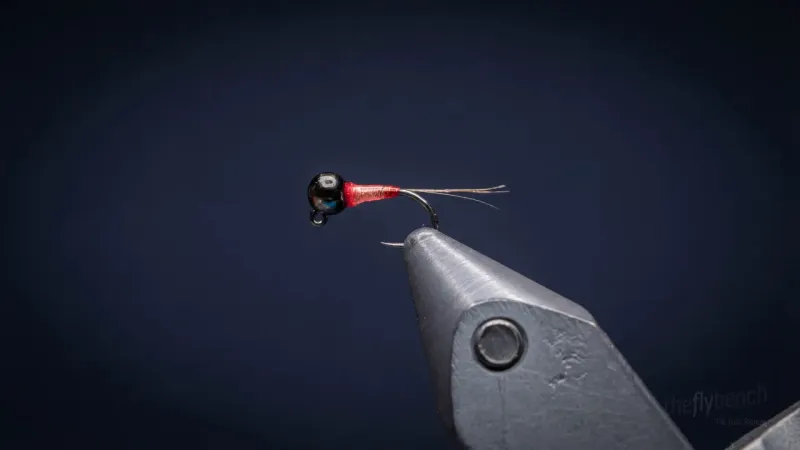
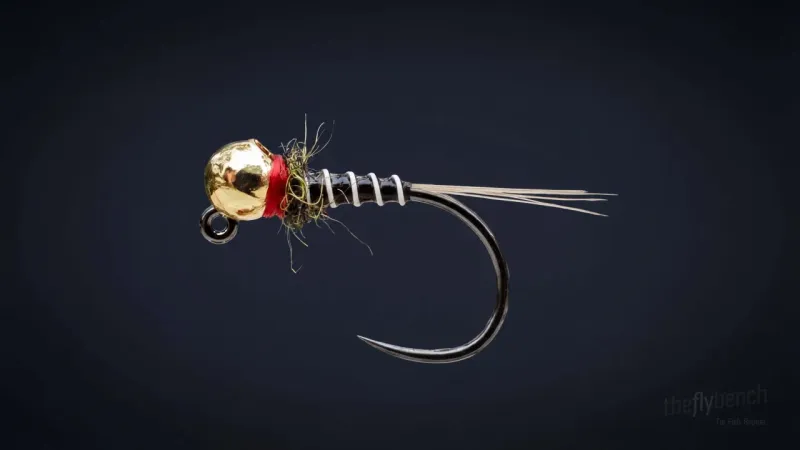
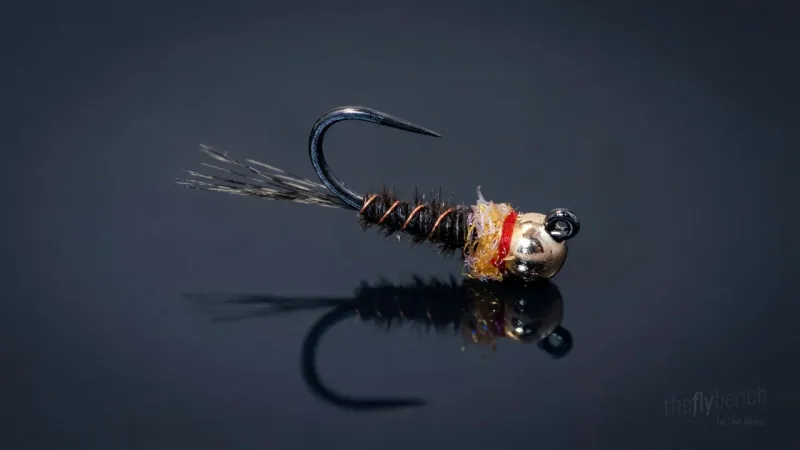
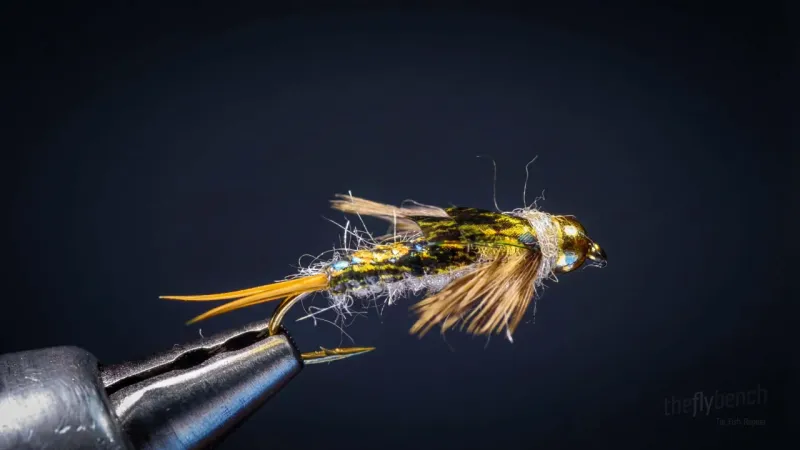
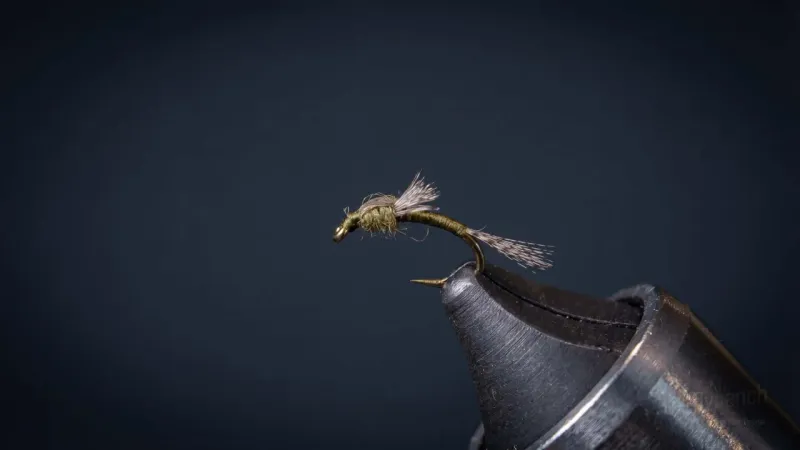
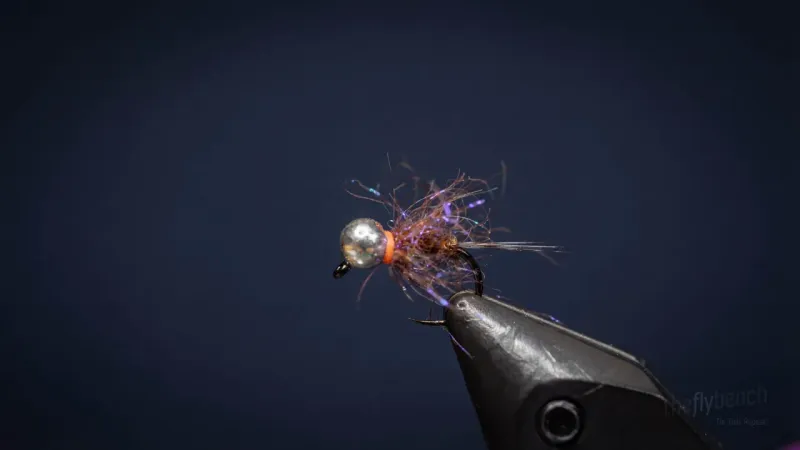
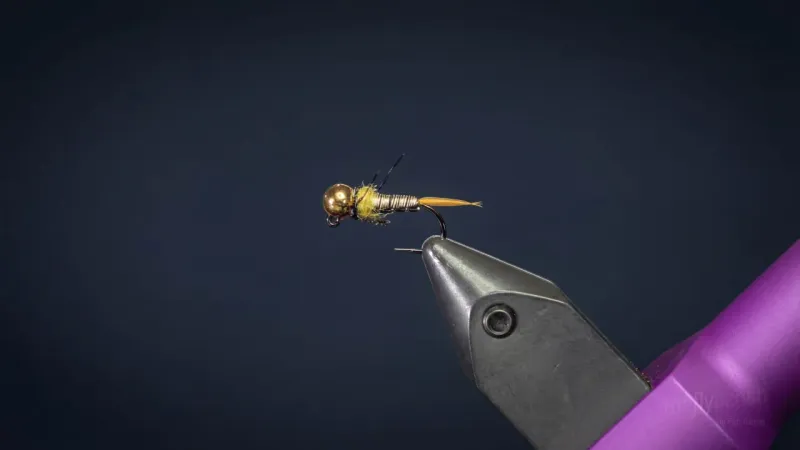
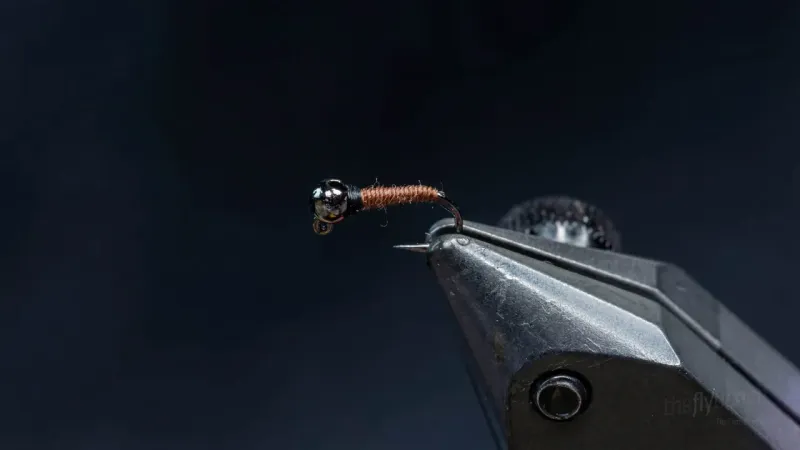
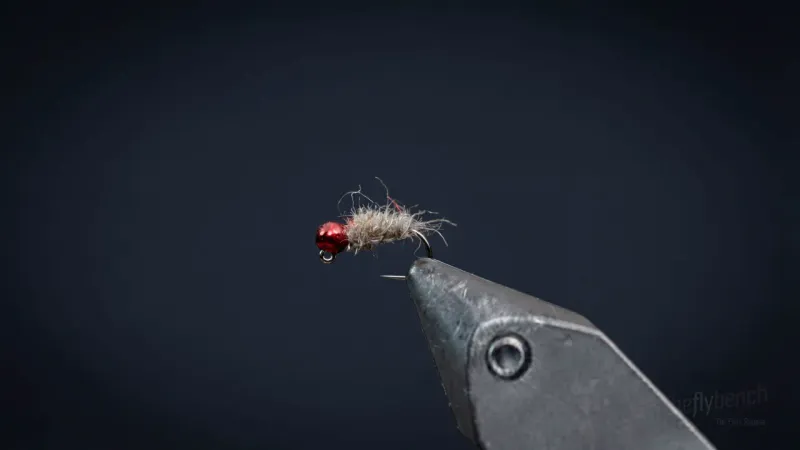
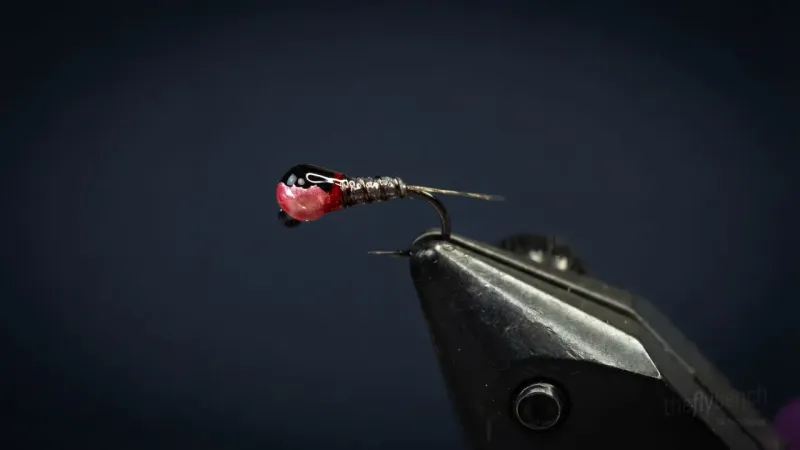
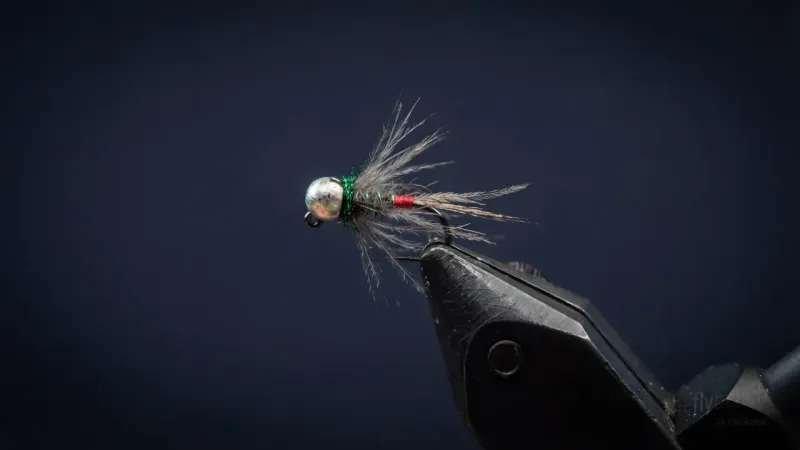
Originally tied with a gold bead and sparse rainbow sow scud dubbing collar, this pattern has evolved into the streamlined version popular today. The unusual pink body quill creates high visibility in off-color water while maintaining a slim perdigon profile. The name references Cheech's fishing buddy from Idaho, and the pattern works well even away from the Gem State. Ideal for competitive fly fishing scenarios where visibility and quick sink rates are essential.
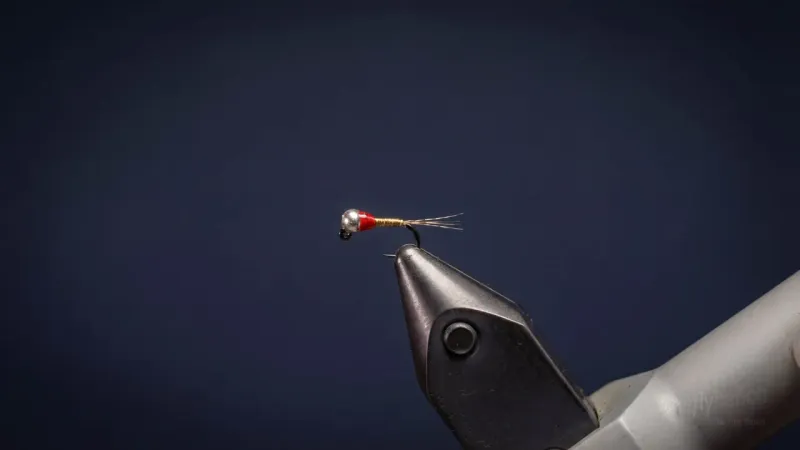
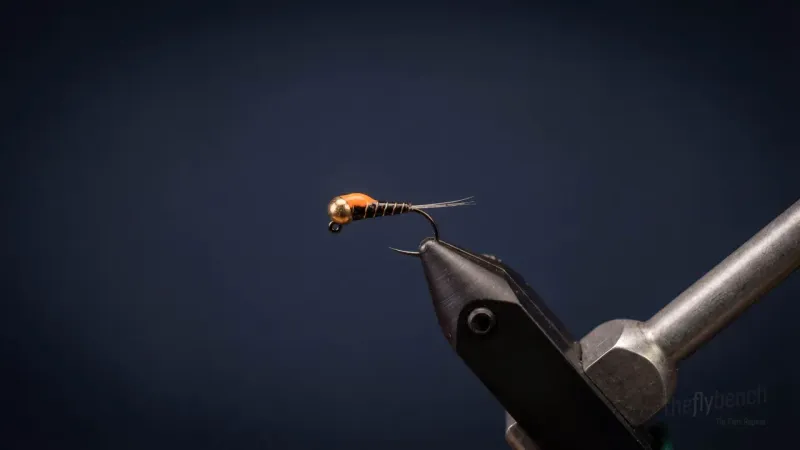
Related patterns
Behavior & presentation
- Natural Behavior
- Mayfly nymphs experience frequent displacement during spates and elevated flows in freestone streams, creating drift pulses that trigger aggressive feeding. Biomass often exceeds all other invertebrates combined, making them primary prey year-round.
- Where Trout Eat It
- Fish target nymphs along bottom in runs, riffles, and pocket water at 2-6 foot depths where drift concentrates.
- How to Fish It
- Use high-stick euro techniques with tight line, allowing fast sink rate to reach zones rapidly.
- Best Water
- Target runs with deeper flow, riffles in freestone rivers, and pocket water where attractor profile stands out.
- Strike Type
- Aggressive take with visible response signals fish attacking bright attractor during drift pulses.
Fishing strategy
- Rigging Suggestions
- Use as a dropper 12-18 inches behind a dry fly or larger indicator pattern. In euro nymphing setups, fish on the point with 5X-6X fluorocarbon tippet.
- Seasonal Timing
- , particularly productive during spring and fall mayfly hatches. The bright pink body makes it especially useful in off-color water conditions or when fish are actively feeding but not responding to natural colors.
- Pro Tips
- Sinks extremely fast due to tungsten bead and slim profile. UV resin coating adds durability and subtle flash that attracts attention.
Where to fish it
Rivers anglers pair with this fly, with local shops that stock it.
River details and fly shops from River & Run, our sister site.
Entomology
Mayfly nymphs inhabiting freestone streams experience frequent displacement during spates and elevated flows, creating pulses of drift activity that trigger aggressive feeding responses from opportunistic trout. Their biomass often exceeds all other macroinvertebrates combined in productive waters, making them the primary prey base throughout most of the year. Fish have evolved specific search images for mayfly nymph profiles, body shapes, and movement signatures, responding instinctively even to abstracted representations.
- Order
- Ephemeroptera
- Common name
- Mayfly
- Organism
- insect
- Life stage
- nymph
Pattern details
- Moving Water
- Rocky Mountain
- tight-line-nymph
- competition
- dead-drift
- baetis-hatch
- hopper-season
- modern
- attractor
- searching-pattern
- high-water
- low-clear-water