




Overview
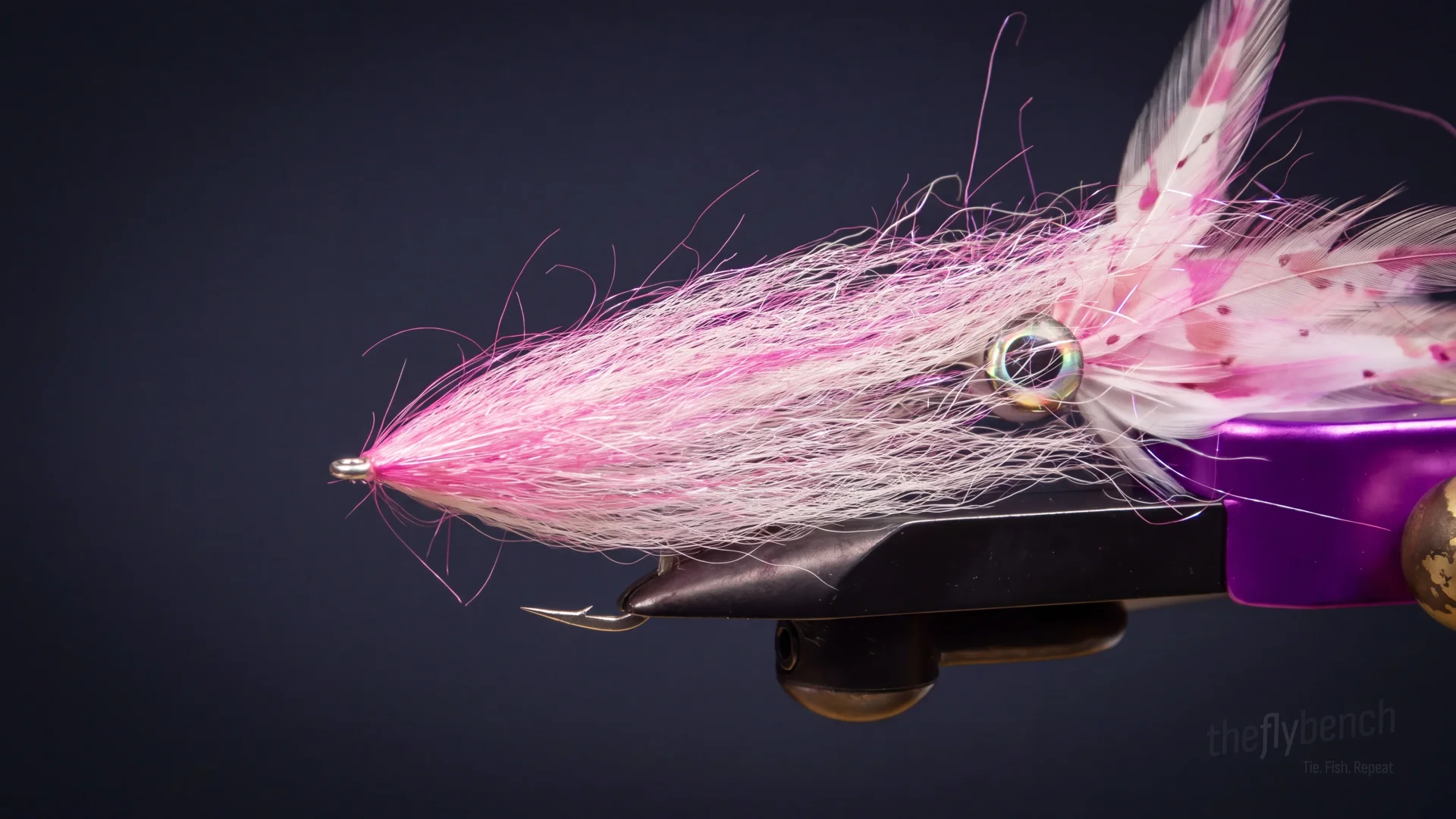
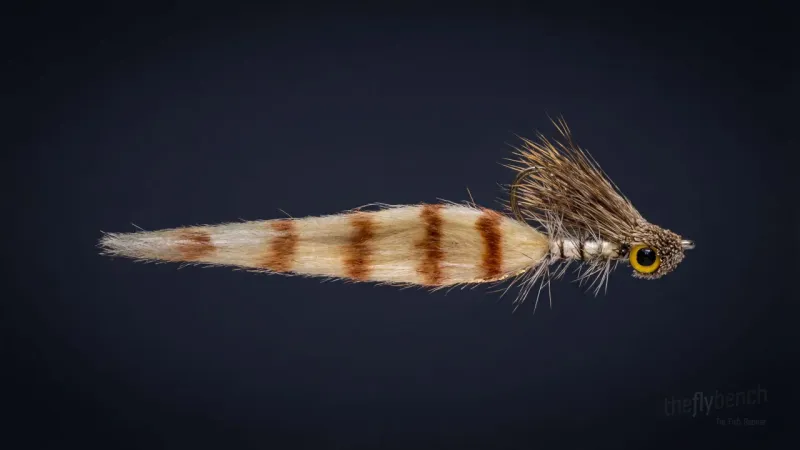
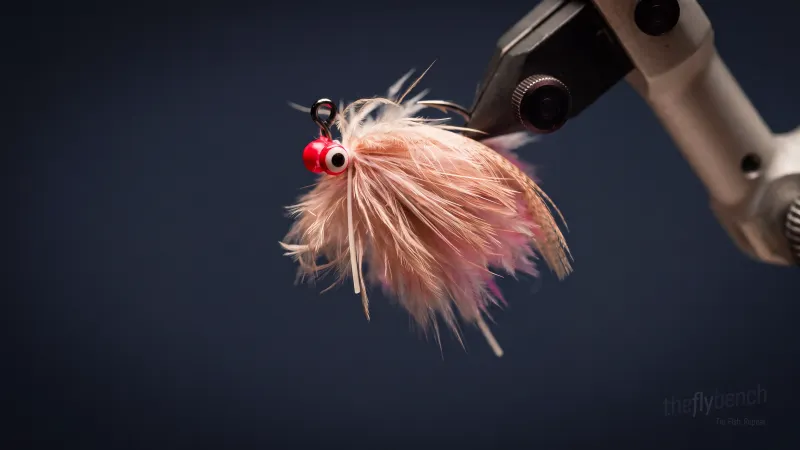
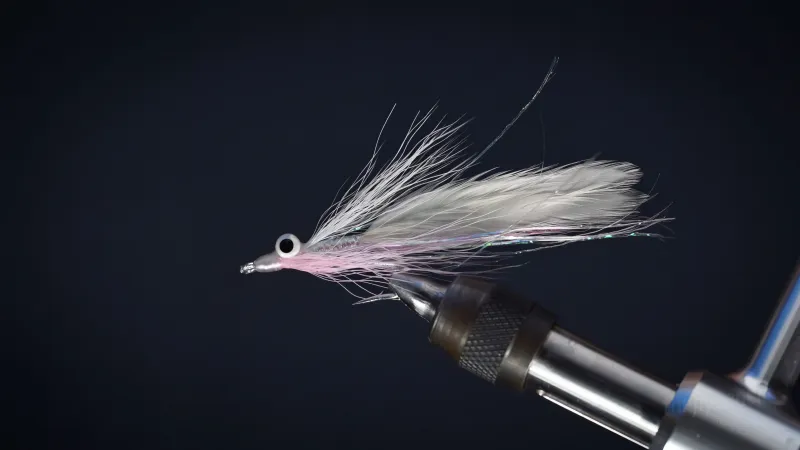
The Hollow Fleye is New Jersey tier Bob Popovics' bucktail platform, and swapping a baitfish tail for a tentacle extension turns it into a squid. The tentacles and eyes are built on hard mono, set with UV resin, then lashed to the hook. Each bucktail bunch is hollow tied and pushed back, building a long, translucent mantle that holds its shape when wet.
Related patterns
Behavior & presentation
- Natural Behavior
- Squid hang in loose schools and hover with rippling fins, then jet backward in short bursts with the tentacles trailing behind, often changing color as they scatter from a predator.
- Where Trout Eat It
- Stripers push squid schools up against shoals and into tide rips, then pick off the ones that dart away from the pack.
- How to Fish It
- Cast across or slightly up into the rip on an intermediate or sinking line, let the current swing the fly, and mix quick, sharp strips with pauses so the bucktail breathes and the tentacles trail.
- Best Water
- Rips on the downtide side of shoals, the edges of sandbars, current lines off points, and channel drop-offs where moving water stacks the squid.
- Strike Type
- A heavy grab, often at the end of a strip or as the fly swings, as a big fish runs down a fleeing target; keep stripping and set with the line hand, not the rod.
Fishing strategy
- Rigging Suggestions
- 9- or 10-weight rod with an intermediate line for shallow rips and a fast sinking line for deeper shoal edges. Use a short 6- to 8-foot leader to 20- to 30-lb fluorocarbon, which also turns over the bulky fly.
- Seasonal Timing
- Fish it when squid move inshore in spring and early summer, roughly May through July in the Northeast, both at night and on daytime tides when stripers are blitzing squid in the rips.
- Pro Tips
- Use marker spots on the saddle tentacles to match the mottled skin of live squid. Keep each bucktail bunch sparse so the mantle stays see-through and casts more easily. Carry a natural white version for clear water alongside the pink.
Entomology
Longfin squid gather in large schools that move inshore in late spring to spawn over sand and shell bottoms near shoals. They hover and drift with the tide, then jet backward when threatened, and the shoal currents that sweep them along leave many exposed to waiting striped bass.
- Order
- Myopsida
- Family
- Loliginidae
- Common name
- Longfin Inshore Squid
- Organism
- mollusk
- Life stage
- adult
Pattern details
- Saltwater
- Northeast
- strip-retrieve
- active-retrieve
- modern
- swing