
Overview
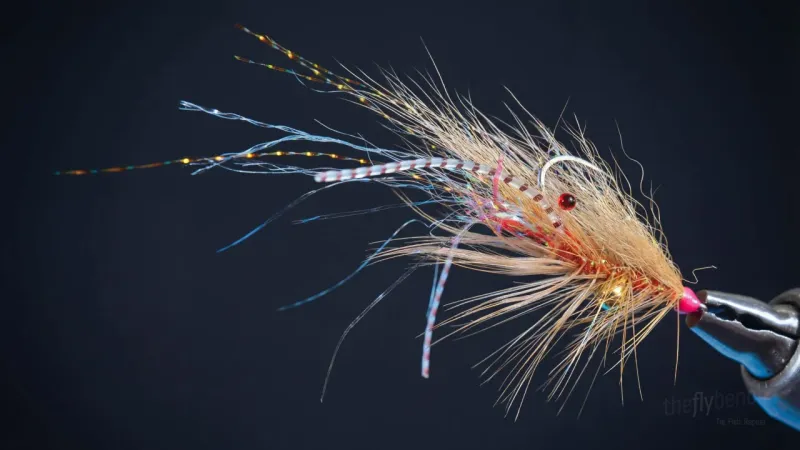
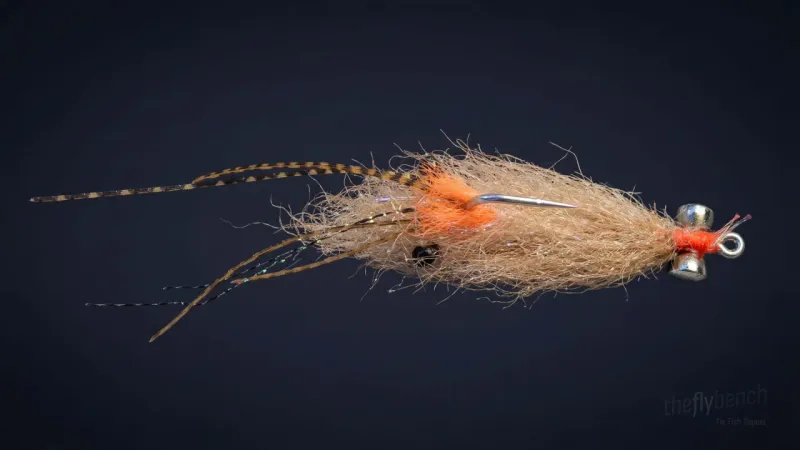
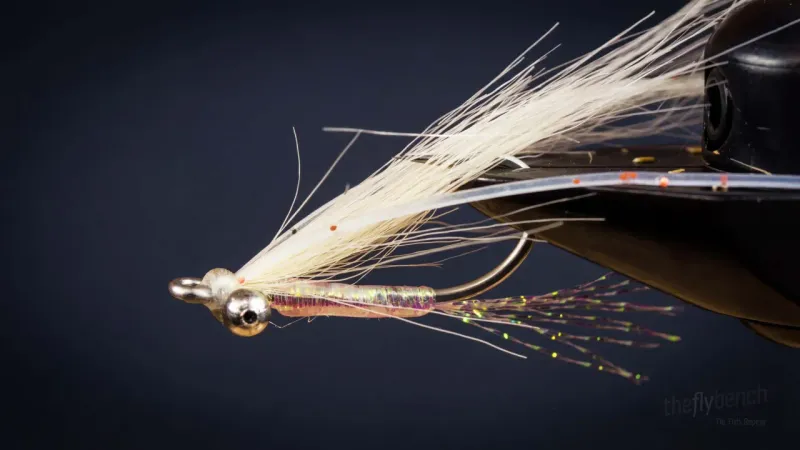
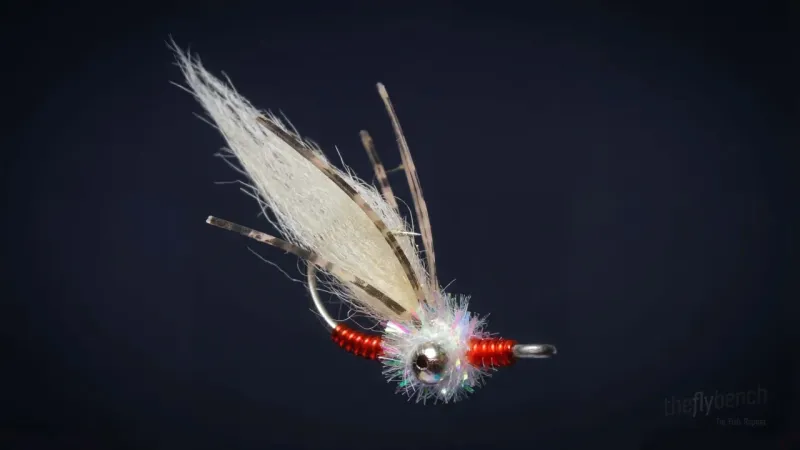
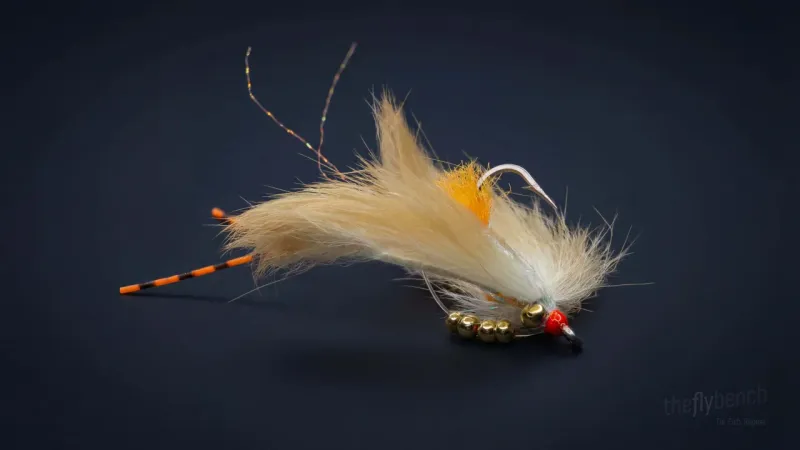
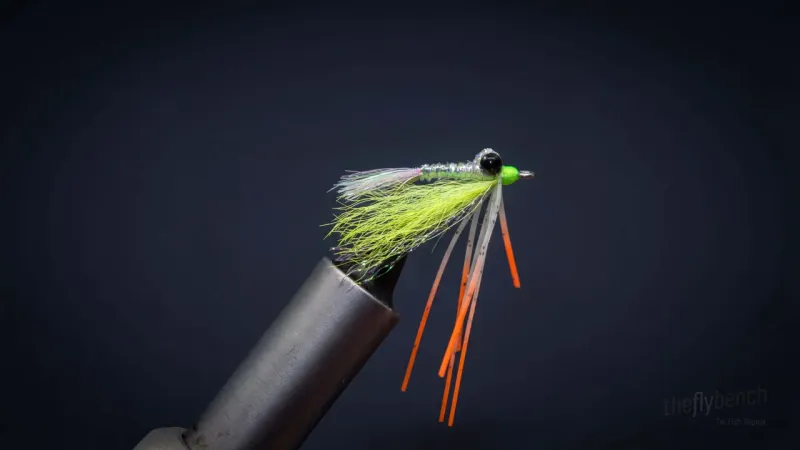
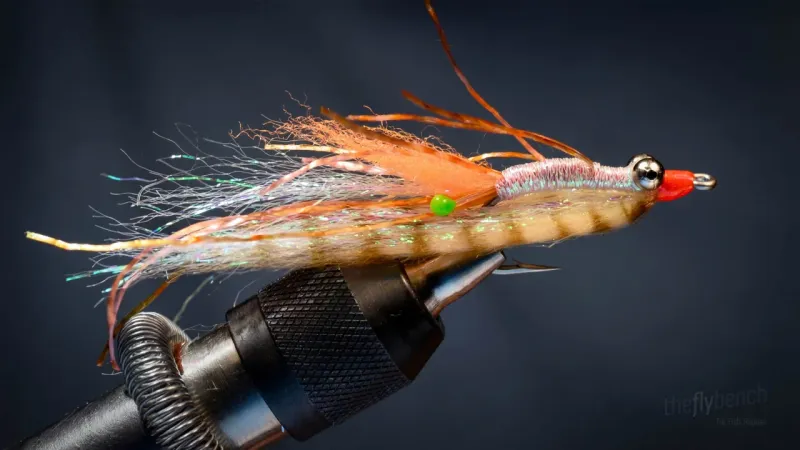
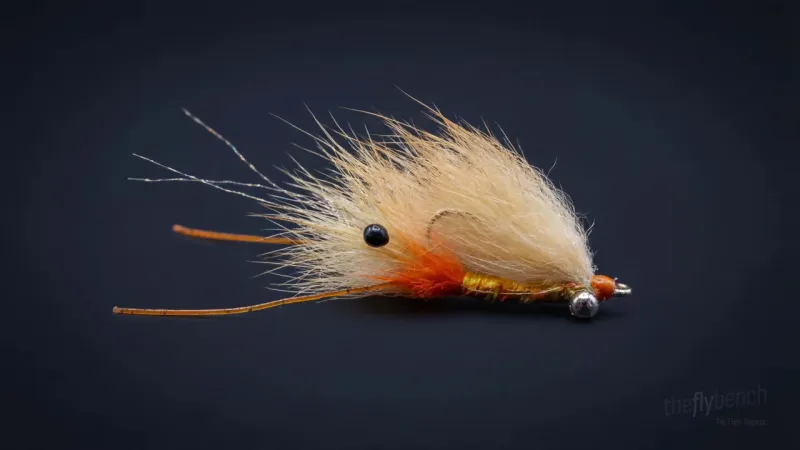
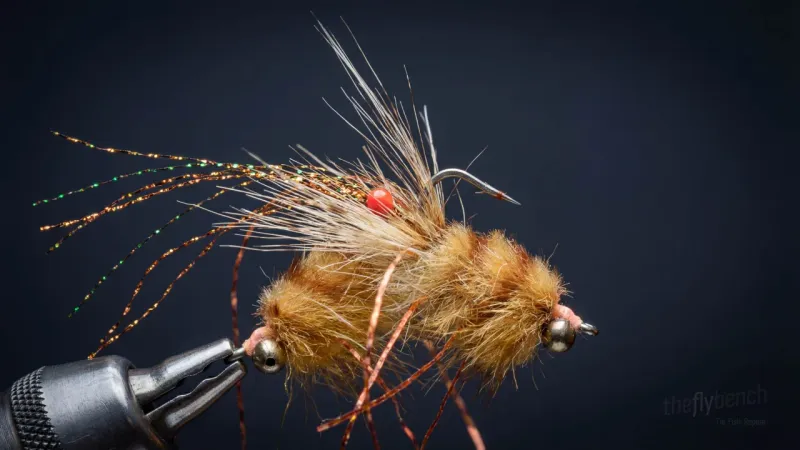
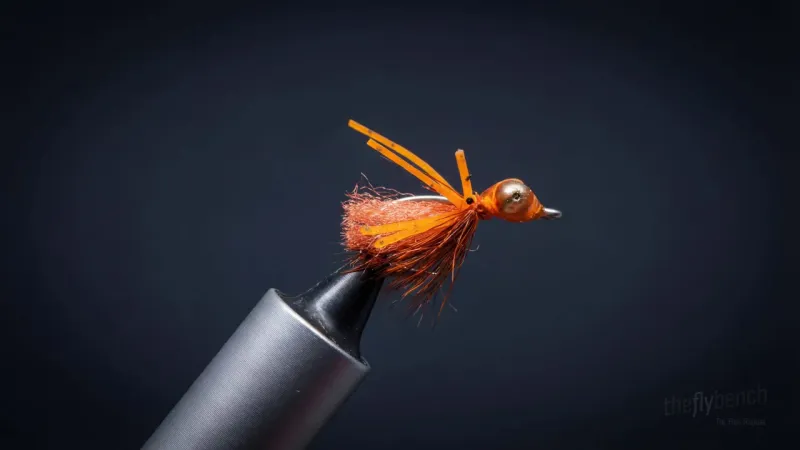
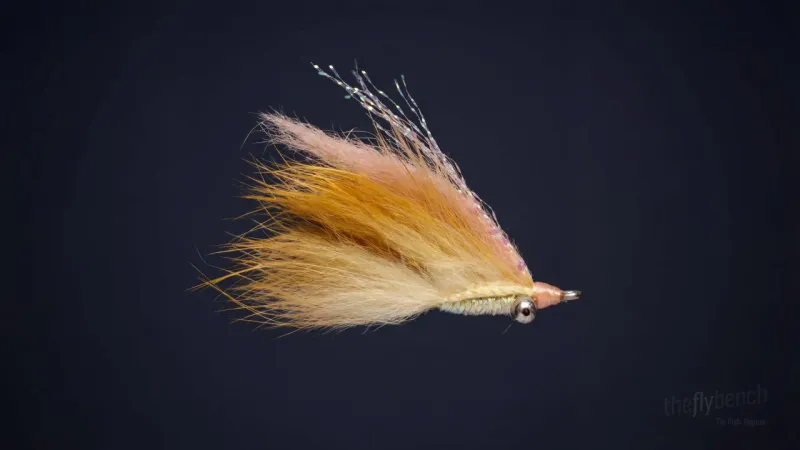
Chewy's Halo Shrimp is a saltwater pattern designed to imitate translucent shrimp found on flats. It's tied with materials like UV Ice Dub, clear synthetic fibers, and a halo of light-colored dubbing to create a glowing, natural look in shallow water. Mono eyes and bead chain or dumbbell eyes give it weight and realism. The tail typically uses soft, mobile materials like rabbit or Krystal Flash. It's a favorite for bonefish and other flats species, especially when subtle presentation and lifelike profile are key.
Related patterns
Behavior & presentation
- Natural Behavior
- Bonefish shrimp scuttle across sandy bottoms and turtle grass flats with jerky, backward swimming motions, their translucent bodies glowing in backlit conditions. When threatened, they burst into short, rapid hops that create puffs of sand, making them easy prey during molting periods when their protective shell is soft.
- Where Trout Eat It
- Sandy flats and turtle grass beds in 6 inches to 4 feet of water, particularly over white sand where translucent bodies provide camouflage.
- How to Fish It
- Strip slowly with 2-3 inch pulls followed by brief pauses to replicate fleeing shrimp. Faster strips can trigger aggressive takes when fish are actively hunting.
- Best Water
- Focus on channel edges, drop-offs, and grass edges where bonefish and permit patrol during incoming tides.
- Strike Type
- Feel the line accelerate and sense weight as fish inhale the fly.
Fishing strategy
- Rigging Suggestions
- Pair with 9-foot fluorocarbon leaders in 12-16 lb test. Use floating or intermediate lines depending on flat depth. Tie direct with a loop knot for maximum movement.
- Seasonal Timing
- Year-round in tropical and subtropical flats, with peak activity from May through October when bonefish are most active in shallow water.
- Pro Tips
- The resin coating adds durability for multiple fish without pattern degradation. Lead the fish by 3-5 feet and allow the fly to settle before beginning your retrieve.
Entomology
Shrimp on tropical flats exhibit a translucent, ghostly appearance as they scuttle along sandy bottoms or drift with tidal currents, their segmented bodies pulsing with each swimming stroke. These crustaceans become especially vulnerable during molting periods and when exposed by shifting tides, making them a high-protein target that bonefish and permit actively hunt in shallow water. Their luminous quality in backlit conditions triggers aggressive feeding responses from opportunistic predators.
- Organism
- crustacean
- Life stage
- general
Pattern details
- Saltwater
- Caribbean
- sight-fishing
- strip-retrieve
- flats
- low-clear-water