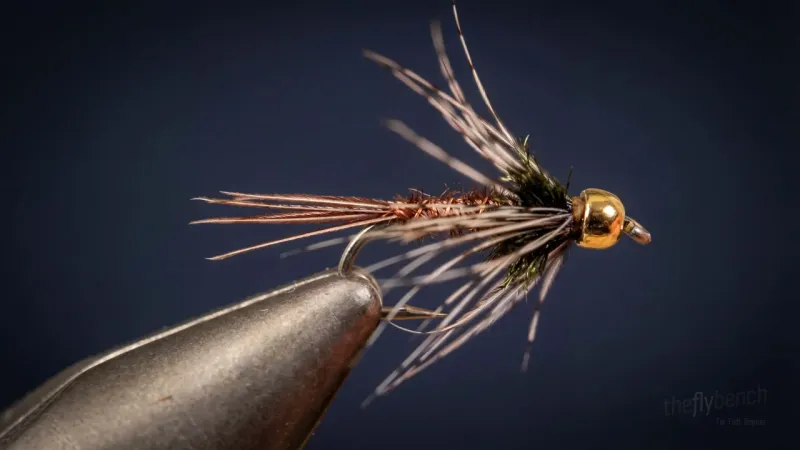
NymphBitch Creek Stonefly Nymph
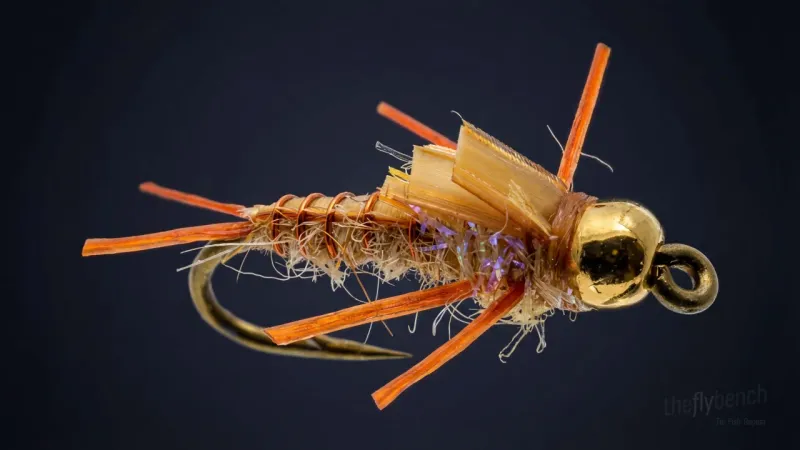
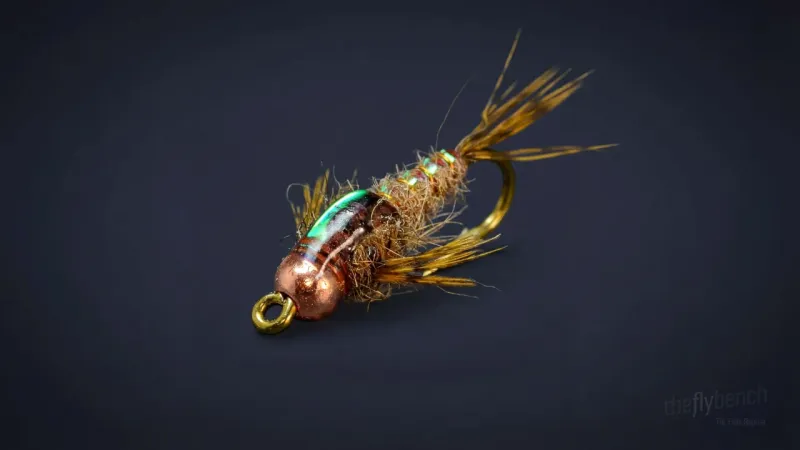
The Bitch Creek Stonefly Nymph is a classic pattern that imitates a wide variety of aquatic life, but is most often used to imitate stonefly nymphs. Its rubber legs and bright colored body attract attention, while its weighted body gets it down to the feeding zone quickly.
Spring, Summer
Intermediate
Trout
Apr 2025
Overview
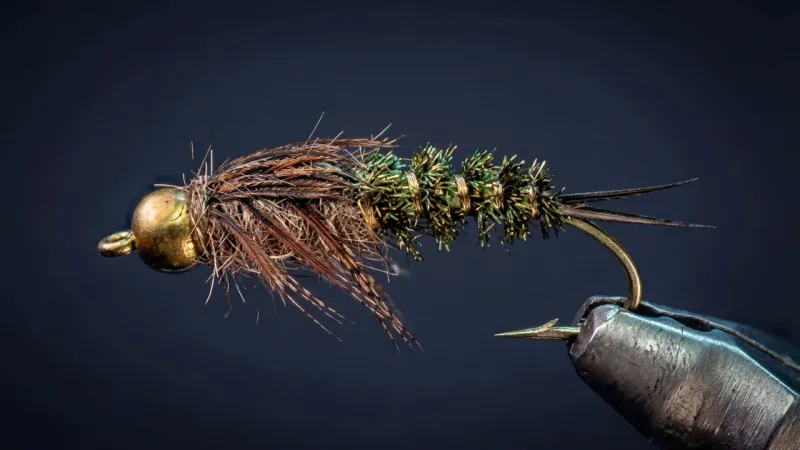
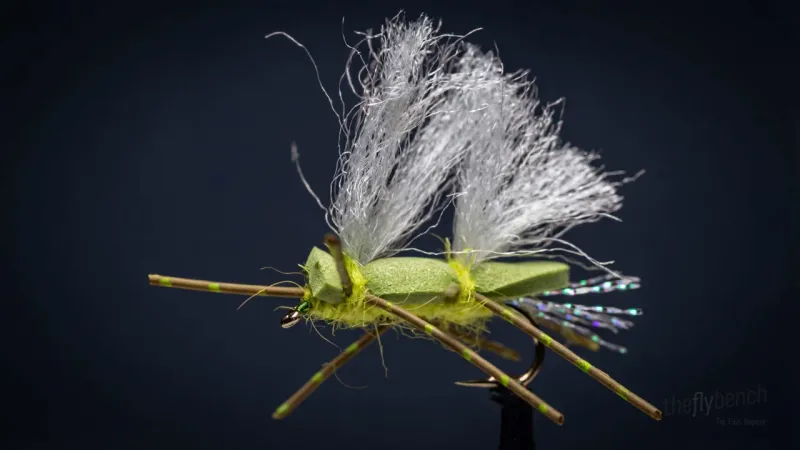
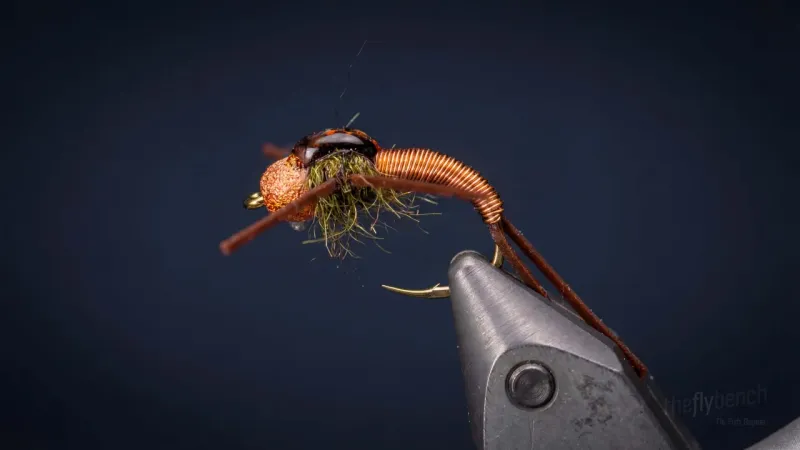
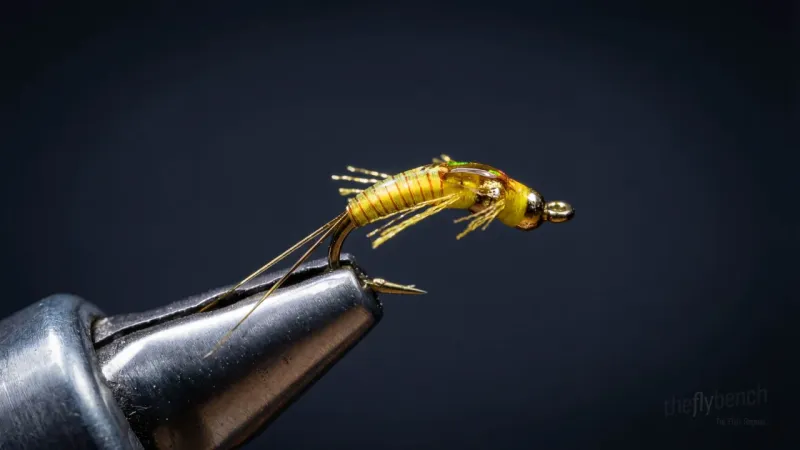
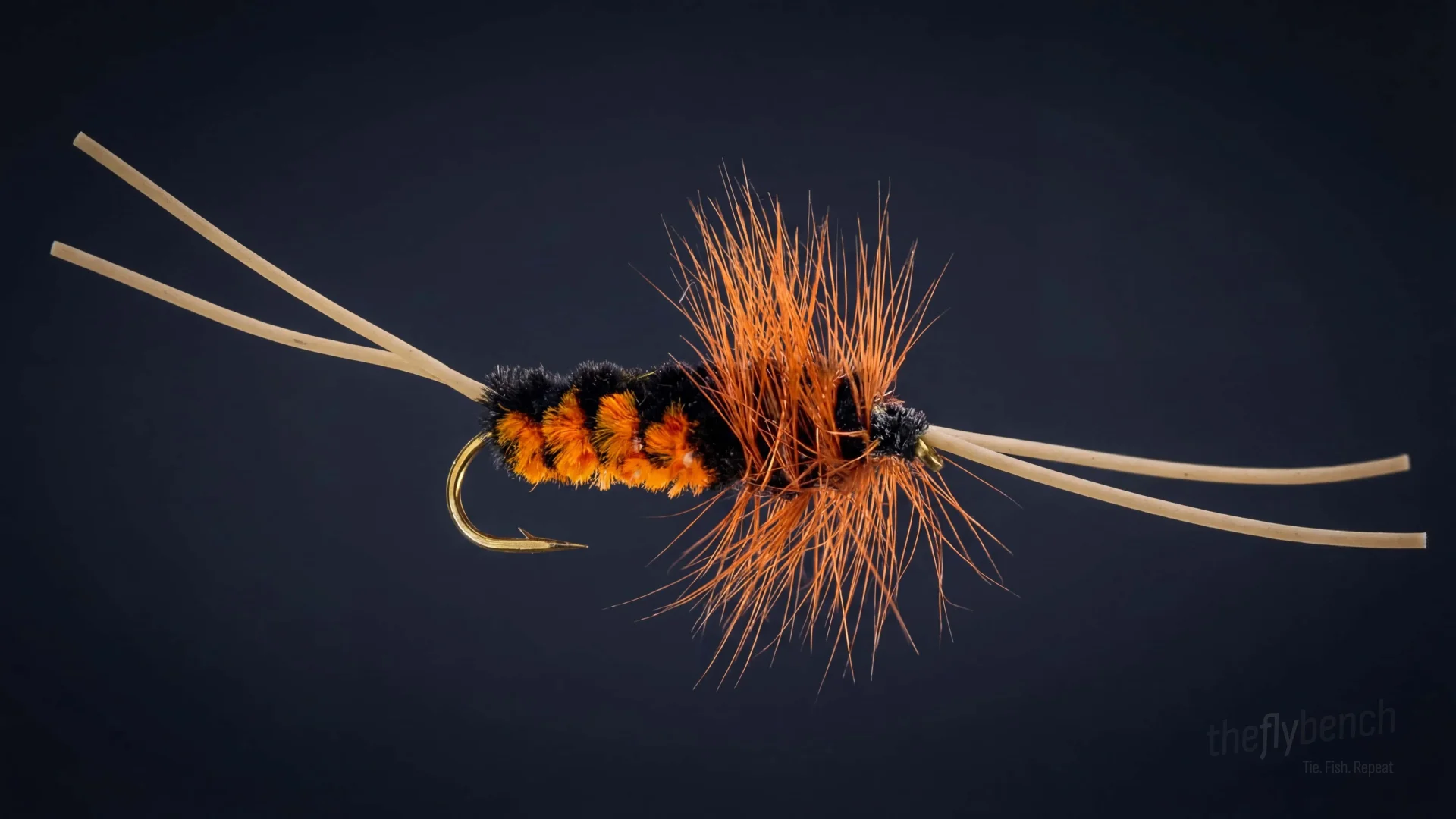
This classic stonefly nymph pattern is tied with a chenille body segmented by rubber legs and mono ribbing. The signature orange or yellow “egg sac” bands between the chenille sections give it a bold look. Use a heavy nymph hook, wrap chenille tightly, and be sure to evenly space the rubber legs. A dubbed thorax and a sturdy wingcase complete the profile.
Where to Buy This Fly
We only link to fly shops we trust. Some links are referral links, which may earn us a commission at no extra cost to you.
Materials
- Hook:
- Tiemco 3769, size #6–#10, 2X long nymph hook
- Thread:
- Black 6/0
- Tail:
- Orange and black rubber legs
- Body:
- Black and orange chenille, woven
- Ribbing:
- Fine copper wire
- Legs:
- Orange and black rubber legs
- Weight:
- .025 lead wire
Behavior & Presentation
Natural Behavior: Large stonefly nymphs crawl along rocky substrates, clinging to cobble and boulders as they forage for smaller invertebrates and detritus. They migrate toward stream edges before emergence, becoming vulnerable as they move across open bottom in daylight.
Where Trout Eat It: Fish feed on this near bottom in heavy runs and behind obstructions where dislodged stonefly nymphs tumble in the drift. The contrasting orange/black colors and rubber leg motion attract fish in high or off-color water where visibility is reduced.
How to Fish It: Dead-drift under indicator or as point fly in two-fly rig. Cast directly behind boulders into slower pocket water. When water is high and off-color, fish seams on short line next to bank. Heavy lead wire gets pattern deep quickly.
Best Water: Target pocket water behind boulders and heavy runs with boulder substrates. Fish current seams near banks, focusing on the front part of pockets where slower water forms directly behind obstructions.
Strike Type: Watch for your indicator to pause, dip sharply, or slide sideways as fish intercept the heavily weighted nymph.
Fishing Strategy
Rigging Suggestions: The Bitch Creek Stonefly Nymph can be used as the point fly in a nymph rig due to its weight.
Seasonal Timing: This fly is most effective in when stoneflies are most active. Use the Bitch Creek Stonefly Nymph when stoneflies are present in the stream.
Pro Tips: This fly is meant to sink and imitate a stonefly nymph. Its bright colors and movement of the rubber legs make it highly visible underwater.
Entomology
Large stonefly nymphs inhabit fast, well-oxygenated riffles where they crawl among cobble and boulder substrates, rarely entering the drift except during pre-emergence migrations to shore. These powerful crawlers become available to trout when dislodged by high flows or during their nocturnal crawl toward streambanks for emergence. Fish aggressively pursue these protein-rich nymphs because their large size provides substantial caloric reward, especially during spring runoff when natural migration peaks.
- Order
- Plecoptera
- Common Name
- Stonefly
- Organism Type
- insect
- Life Stage
- general