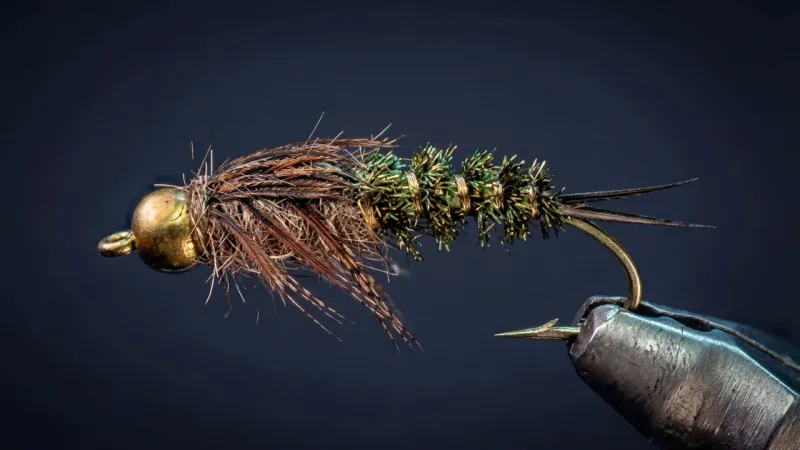
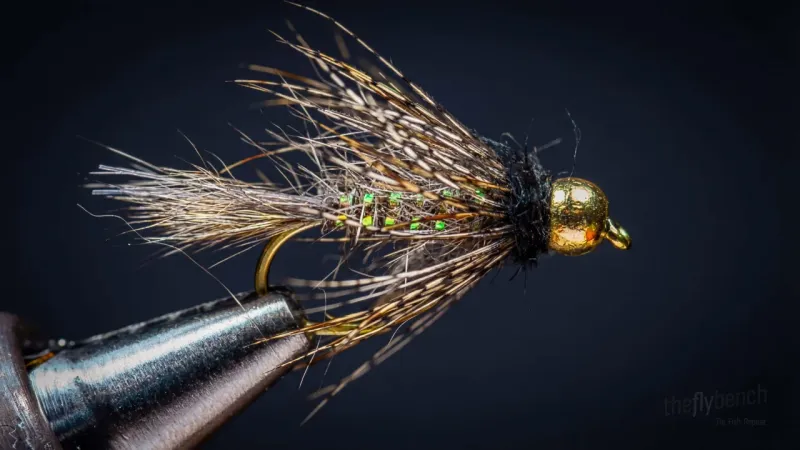
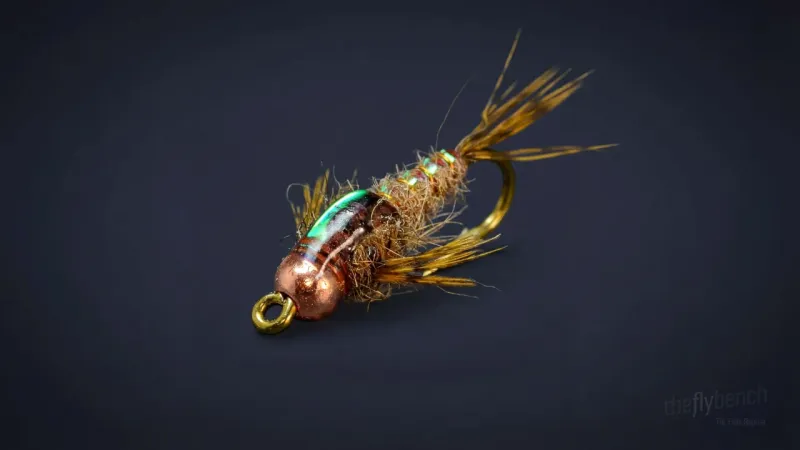
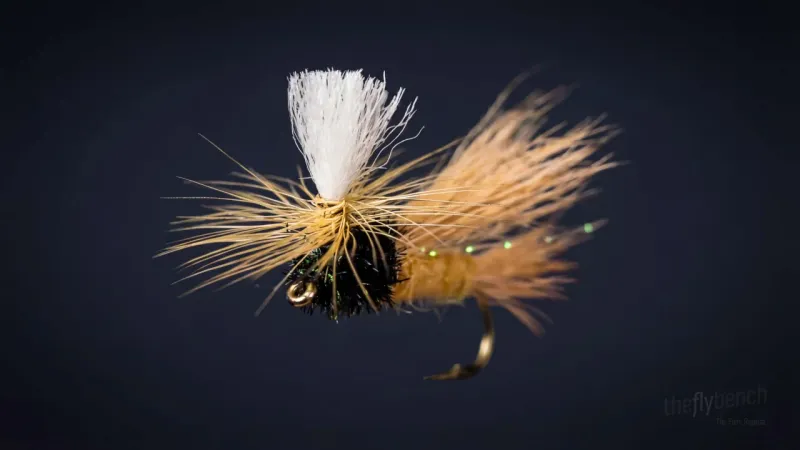
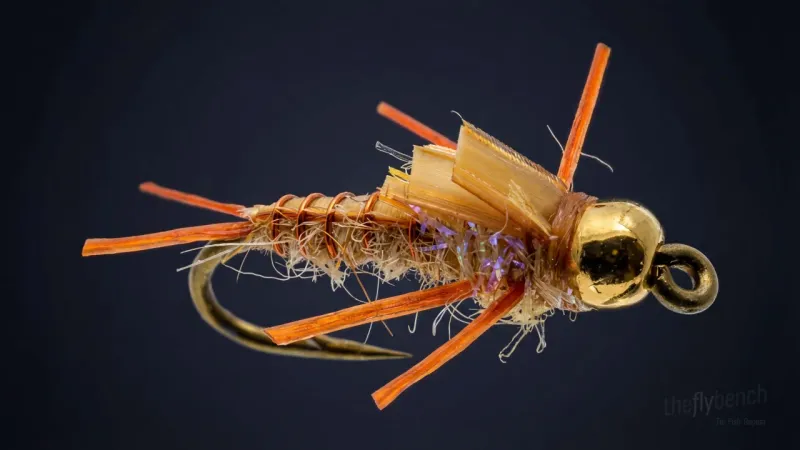
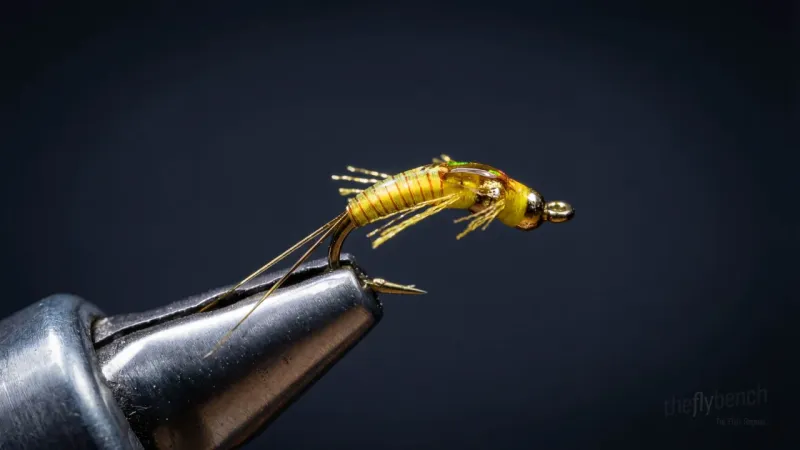
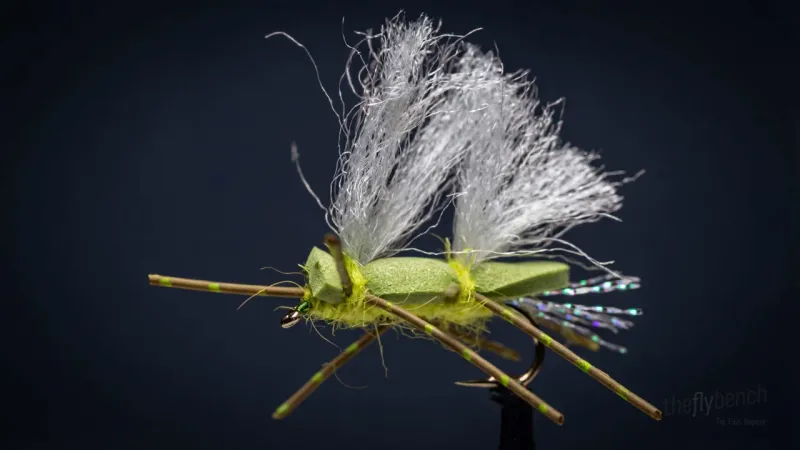
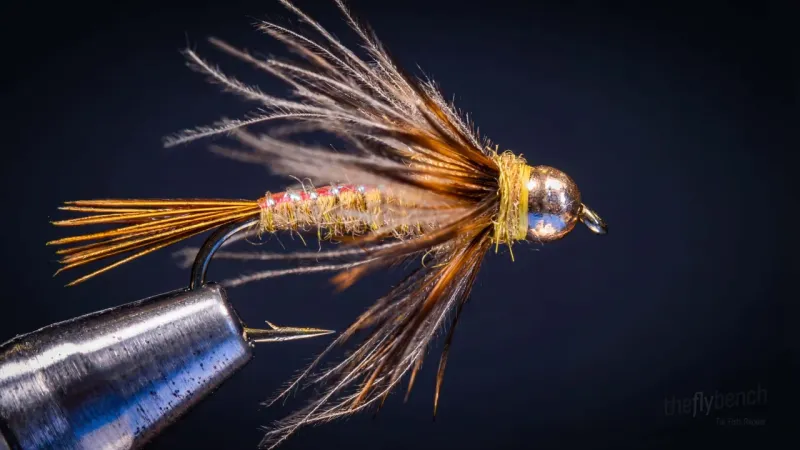
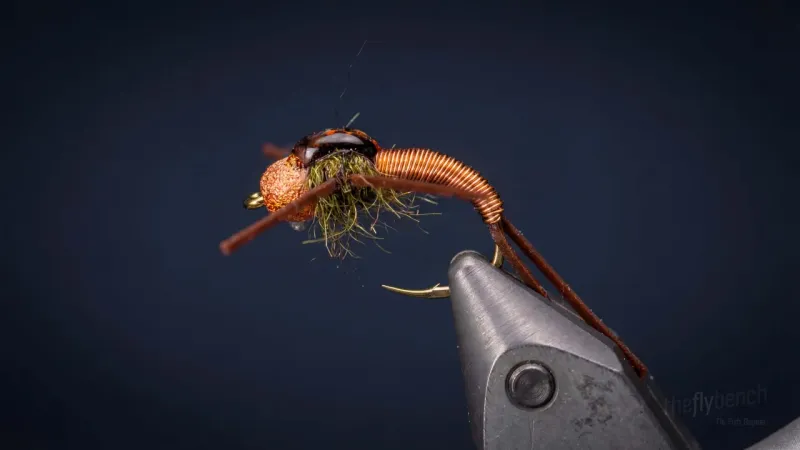
NymphMontana Nymph
The Montana Nymph is a classic nymph pattern that has proven effective in catching a wide range of species. It's particularly adept at imitating stoneflies and its bushy design makes it highly visible in the water.
Spring, Summer
Intermediate
Trout
Apr 2025
Overview
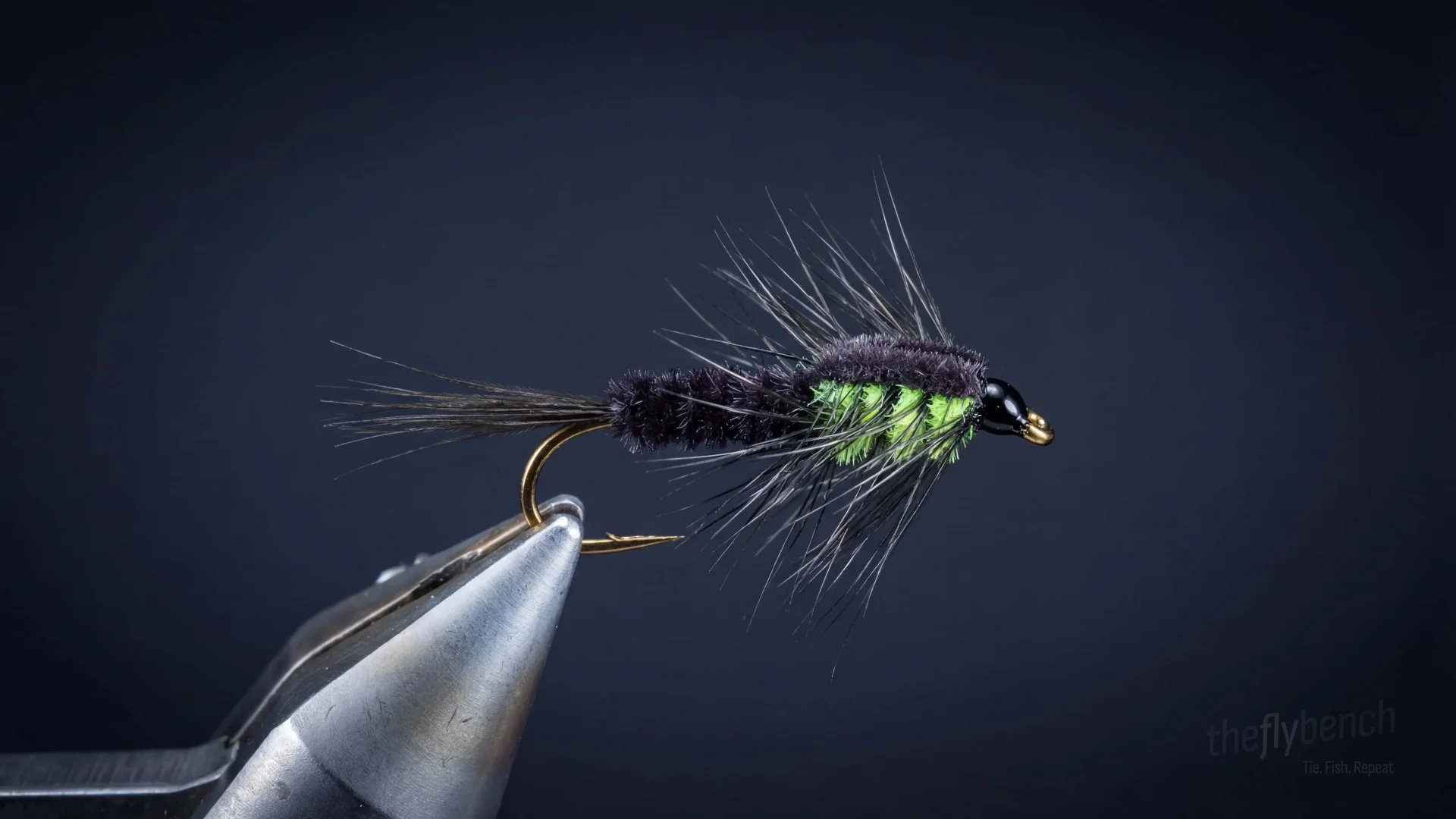
A classic attractor nymph, often black or olive with a bright yarn or chenille thorax (typically red or yellow). Uses chenille body, rubber or feather tail, and heavy wire wrap for sink. Flashy and bold — great for off-color water.
Where to Buy This Fly
We only link to fly shops we trust. Some links are referral links, which may earn us a commission at no extra cost to you.
Materials
- Hook:
- #10-16 Tiemco 5262
- Thread:
- Black UNI 8/0
- Tail:
- Black Strung Saddle Hackle
- Body:
- Black Fine Chenille
- Casing:
- Black Medium Chenille
- Legs:
- Black Whiting High and Dry Rooster Cape
- Thorax:
- Yellow Fine Chenille
Behavior & Presentation
Natural Behavior: This attractor imitates large stonefly nymphs crawling along rocky bottoms, with its size and dark profile triggering territorial or feeding responses. The movement of rubber legs in current adds lifelike action.
Where Trout Eat It: Bottom zone of fast pocket water and deep runs where large nymphs tumble during high flows.
How to Fish It: Dead drift along bottom using weight to maintain depth, or high-stick through pockets and seams.
Best Water: Pocket water, deep runs, drop-offs, and current breaks where structure provides feeding stations.
Strike Type: Indicator stops abruptly or moves against current as fish grab the tumbling nymph.
Fishing Strategy
Rigging Suggestions: Use 4X or 5X tippet on 9-foot leaders. Fish alone under a strike indicator or as the lead fly in multi-fly nymphing setups. Add split shot for deeper presentations.
Seasonal Timing: April through August when stonefly nymphs are most active, with peak effectiveness during May and June pre-runoff periods. Remains productive through in high-elevation streams.
Pro Tips: The bushy chenille body creates a prominent profile that stands out in turbulent water. This pattern's larger size makes it an excellent searching fly for locating aggressive feeders in unfamiliar water.
Entomology
Large stonefly nymphs crawl along rocky substrates in fast-moving water, occasionally dislodging and tumbling through riffles with their segmented bodies extended. Their bulky profile and erratic drift patterns trigger aggressive strikes from trout hunting the streambed. The Montana's impressionistic design capitalizes on opportunistic feeding during high water when these heavyweight nymphs are most vulnerable.
- Order
- Plecoptera
- Common Name
- Stonefly
- Organism Type
- insect
- Life Stage
- general