StreamersRusty Trombone
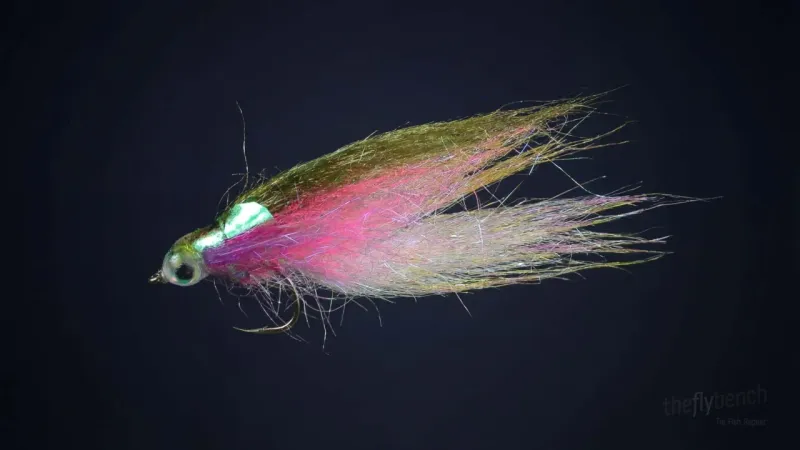
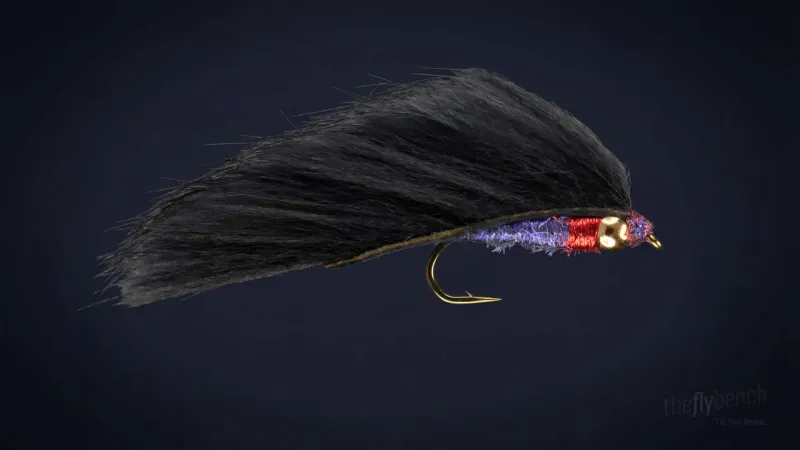
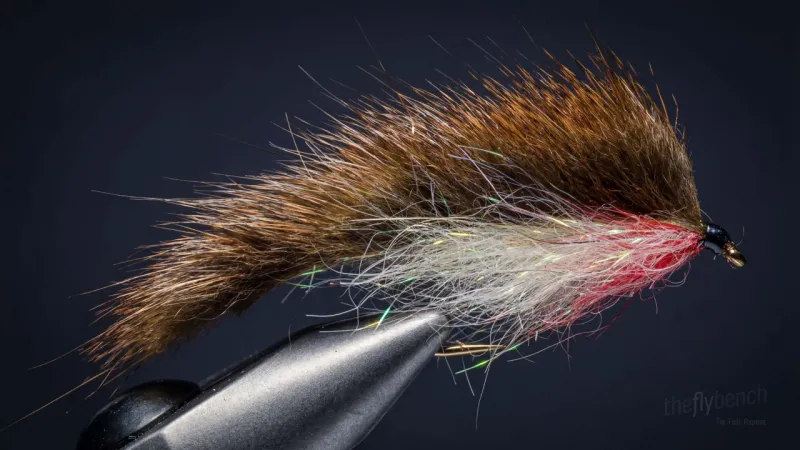
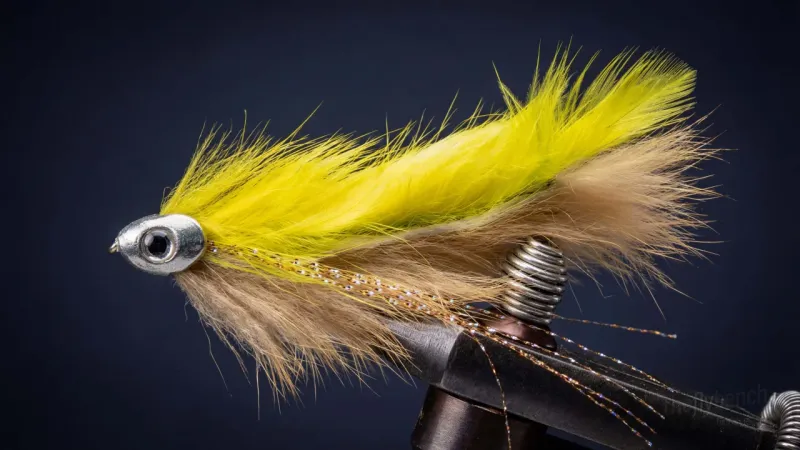
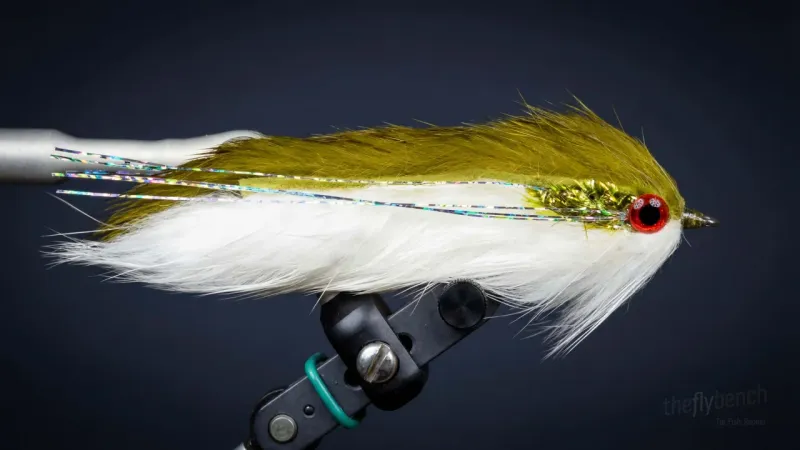
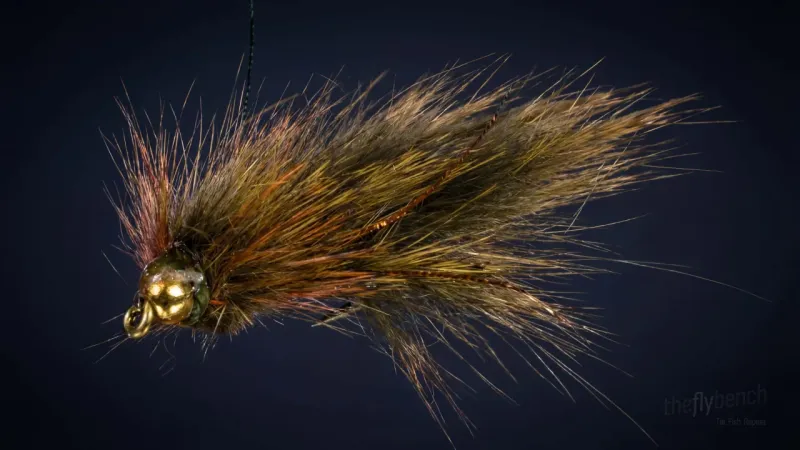
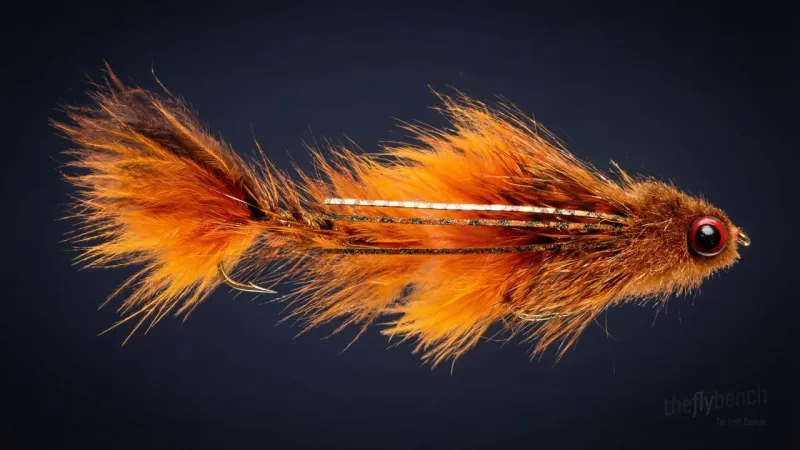
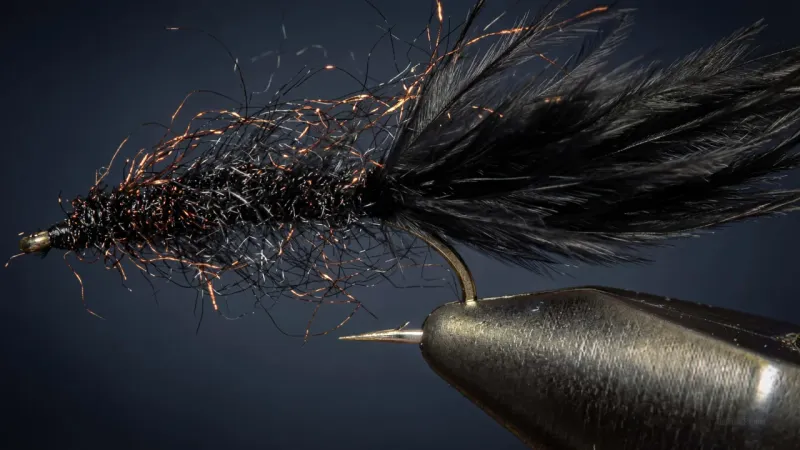
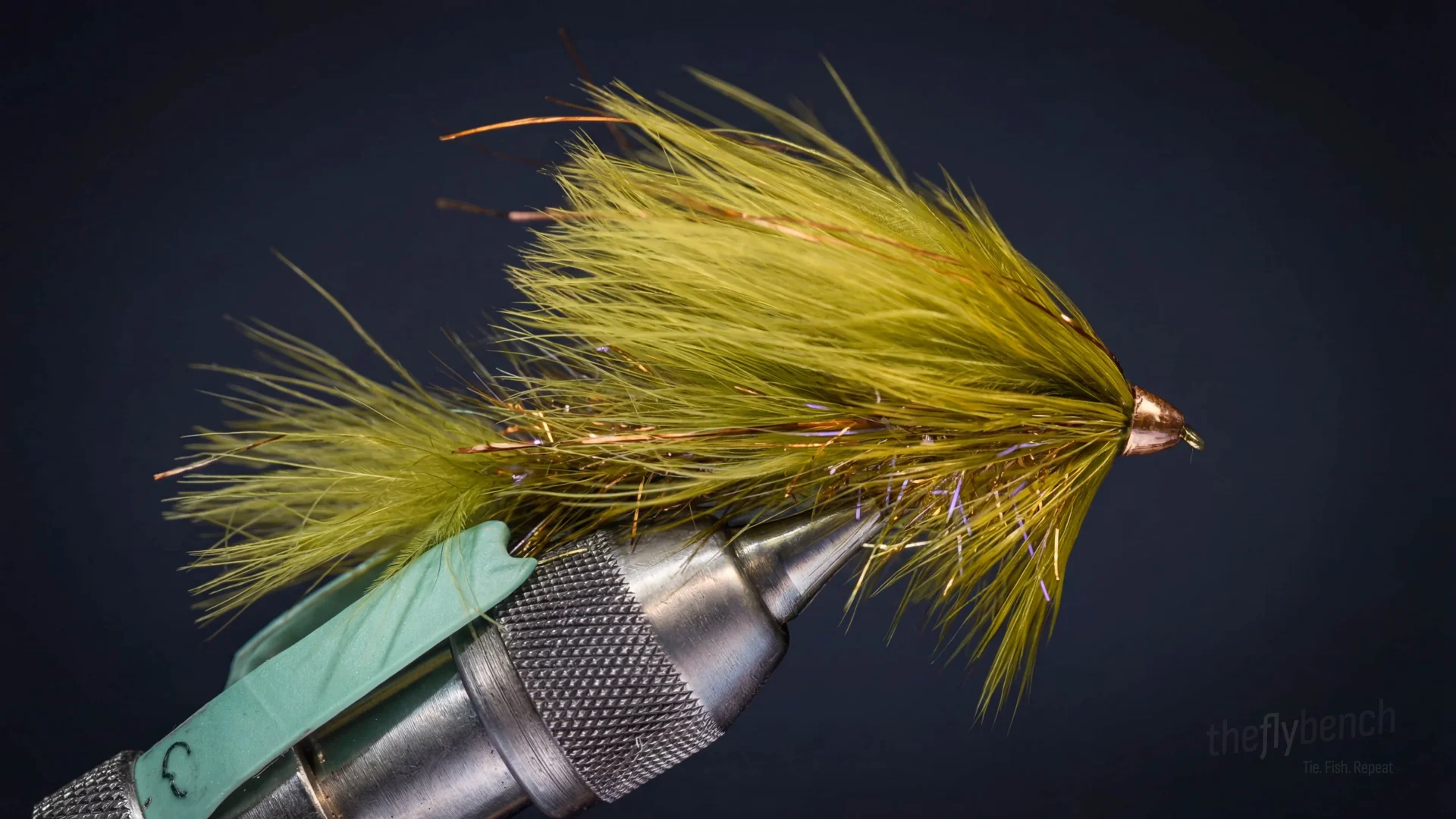
The Rusty Trombone is an articulated streamer that combines the movement of marabou with the flash and weight needed to get down deep and trigger aggressive strikes. This pattern features a copper tungsten conehead for weight and attraction, olive marabou tail and wing for lifelike movement, copper flashabou for flash, copper olive UV polar chenille body, and olive saddle hackle palmered through the body and as a collar. The articulated design using spider wire creates an undulating action that mimics fleeing baitfish and leeches.
Spring, Summer, Fall, Winter
Advanced
Trout, Bass
Dec 2025
Overview
This Charlie Craven pattern from Charlie's Fly Box represents a versatile articulated streamer built for aggressive predatory fish. The pattern name comes from its distinctive copper coloration combined with the sliding, trombone-like movement of the articulated design. The UV polar chenille provides both body bulk and flash, incorporating reflective fibers that catch light underwater. The spider wire articulation creates a hinge point between hook sections that allows the fly to move independently, producing an erratic, wounded baitfish action that triggers strikes. The tungsten conehead provides rapid sink rate while adding a metallic flash point at the head. The palmered saddle hackle creates water resistance and pulsing movement throughout the body.
Materials
Hook: Tiemco 5262, #4
Thread: Magpie Thread 110D, olive
Head: Tungsten Conehead (large), copper
Tail: Marabou, olive
Flash: Flashabou, copper
Body: UV Polar Chenille, copper olive
Hackle: Saddle Hackle (strung), olive
Connection: Spider Wire
Wing: Marabou, olive
Collar: Saddle Hackle (strung), olive
Behavior & Presentation
Natural Behavior: Baitfish and sculpins dart with sudden direction changes when startled, their lateral lines flashing as they attempt evasion. The articulated design mimics multi-segmented prey with erratic escape behavior that large trout cannot resist chasing.
Where Trout Eat It: Aggressive fish ambush from deep pools, runs, and lake drop-offs where baitfish congregate. Structure and channel swings concentrate fleeing prey into predictable attack zones.
How to Fish It: Aggressive strips with pauses activate the articulated action, creating undulating swimming motion. Vary strip speed from fast reaction triggers to slow breathing pauses.
Best Water: Work undercut banks for ambush zones, deep pools staging predators, and channel swings funneling baitfish toward waiting fish.
Strike Type: Jarring grabs or sudden line acceleration require immediate firm strip-sets to drive hooks home.
Fishing Strategy
Rigging Suggestions: Fish on a 9-foot leader with 1X-2X tippet or heavier if targeting bass. Use a sink-tip or full-sinking line to reach deeper water. The articulated design can cause line twist, so consider using a small swivel in your leader.
Seasonal Timing: Effective but particularly productive in and when trout are actively feeding on baitfish. Also excellent in when fish want slower-moving, deep presentations.
Pro Tips: This is a fast-sinking pattern designed to get down quickly and stay in the strike zone. The copper and olive coloration works well in a variety of water conditions, from clear to moderately stained.
Entomology
Baitfish dart in short bursts with sudden direction changes when startled, their lateral lines flashing as they attempt to evade predators. Sculpins scuttle along the bottom in erratic hops, pausing between movements to blend with cobblestone substrate. Fish target these prey because they provide high protein content and their escape behavior triggers the predatory chase response that large trout cannot resist.
- Organism Type
- baitfish
- Life Stage
- general