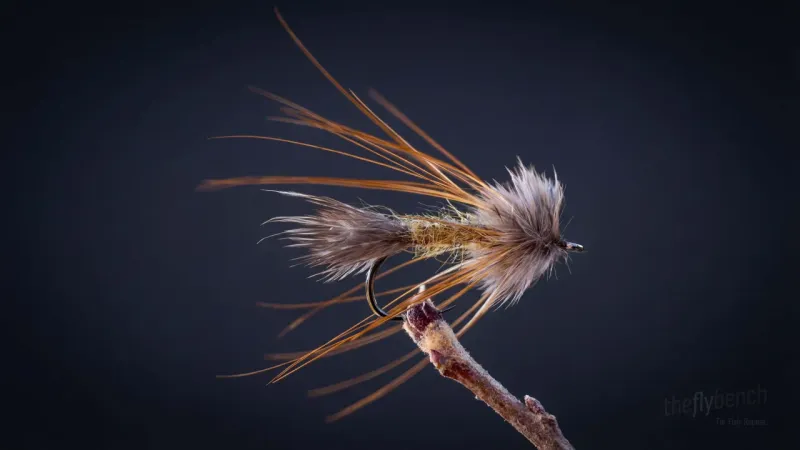
StreamersThinmint Streamer
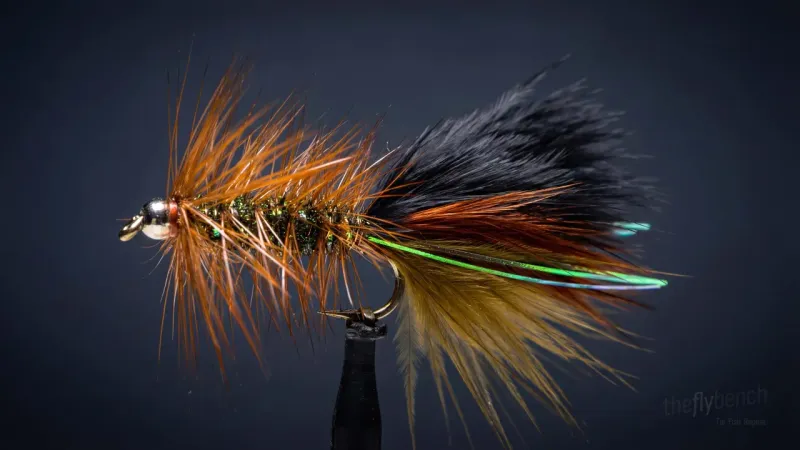
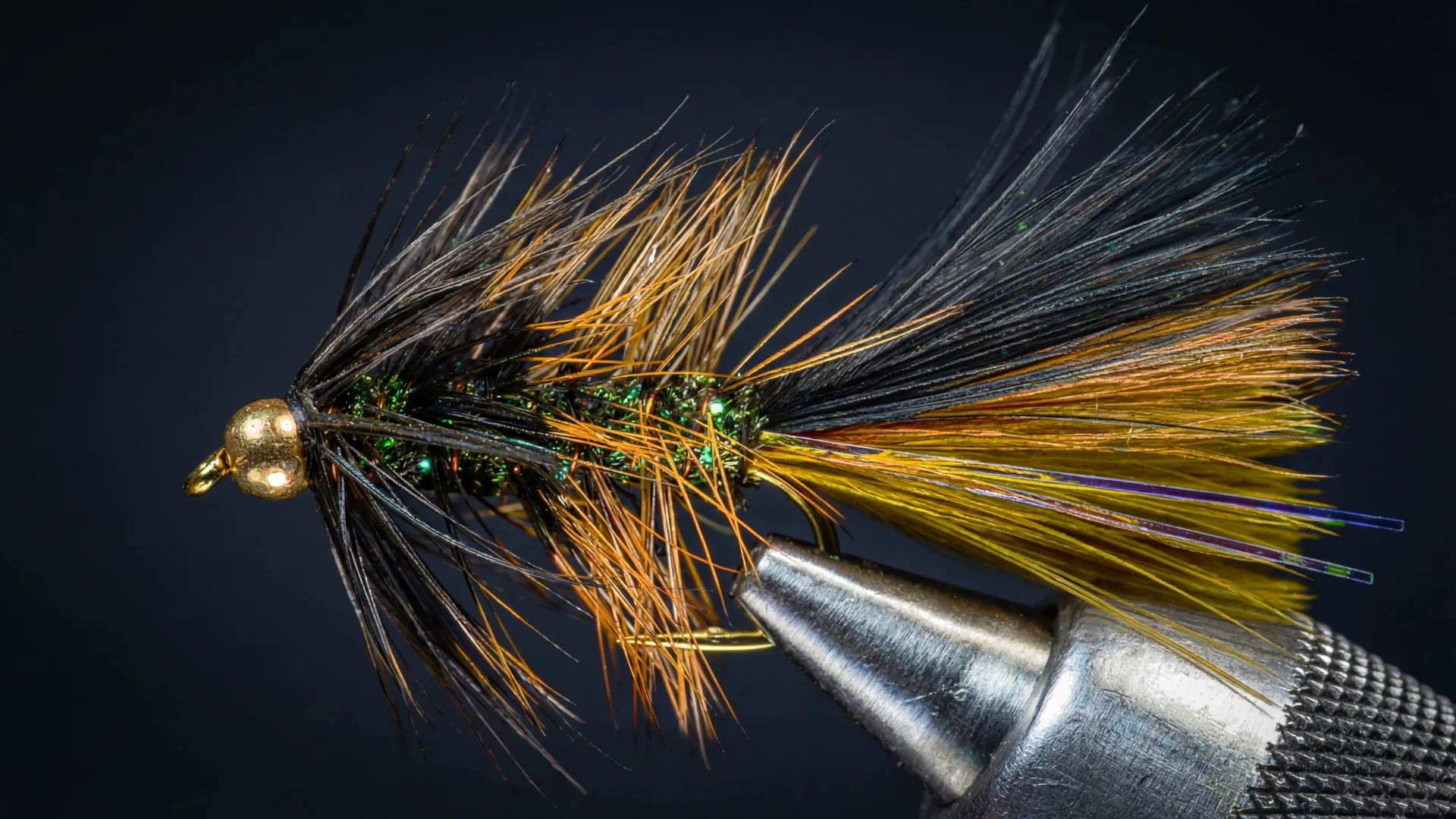
The Thinmint Streamer is a versatile baitfish pattern that combines the proven fish-catching appeal of peacock herl with modern flash materials and a soft marabou tail. This pattern features a gold tungsten bead for weight and attraction, a three-tone marabou tail in olive, brown, and black that creates depth and dimension, pearl mirage lateral scale flash, a peacock herl body ribbed with copper wire and lateral scale, and a furnace hackle collar that adds movement and creates the illusion of pectoral fins.
Year Round
Intermediate
Trout, Bass
Dec 2025
Overview
This Charlie Craven pattern from Charlie's Fly Box represents a modern take on classic soft-hackle streamer construction. The "Thinmint" name references the pattern's slim profile and the minty-green flash from the lateral scale material. The three-color marabou tail creates a multi-dimensional appearance that suggests the varied coloration of natural baitfish. The dual rib system - copper wire for durability and lateral scale for flash - protects the delicate peacock herl body while adding visual interest. The furnace hackle (brown with a darker center stripe) creates the barred appearance common to many baitfish and sculpins. The gold tungsten bead provides both weight and an attractive head that catches light underwater.
Materials
Hook: Tiemco 5262, #4-12
Bead: Tungsten Bead (5/32), gold
Thread: UNI 6/0, black
Rib: Wire (UTC, small), copper
Rib 2: Lateral Scale (Mirage), pearl
Tail: Marabou, olive, brown, and black
Flash: Lateral Scale (Mirage), pearl
Body: Peacock Eye Herl
Hackle: Rooster Saddle, furnace
Behavior & Presentation
Natural Behavior: Small minnows maintain position in current seams by constantly adjusting with pectoral fins, creating subtle scale flashes as they hold station near structure. When current strength increases, these fish struggle to maintain position and drift backward vulnerably becoming easy targets.
Where Trout Eat It: Aggressive fish ambush disoriented baitfish from undercut banks, drop-offs, and channel swings in transition zones between fast and slow water.
How to Fish It: Strip with varied retrieves using strip-pause presentations or slow swings across current. The marabou tail and hackle create movement even during pauses when tired prey drift helplessly.
Best Water: Focus on undercut banks, deep drop-offs, and channel swings where predatory trout stage near structure waiting to ambush vulnerable prey.
Strike Type: Expect jarring grabs where the line goes tight suddenly as aggressive fish commit with firm strip-setting required.
Fishing Strategy
Rigging Suggestions: Fish on a 9-foot leader with 2X-3X fluorocarbon tippet. Use a floating line in shallow water or sink-tip line for deeper presentations. The tungsten bead provides good sink rate for most applications.
Seasonal Timing: Effective but particularly productive in and when trout are actively feeding on baitfish. Also excellent in when slower presentations are needed.
Pro Tips: This is a sinking pattern designed to probe the water column. The peacock herl body and lateral scale flash provide attraction in various light conditions while the multi-tone marabou creates a realistic profile.
Entomology
Small minnows and darters maintain position in current seams by constantly adjusting with their pectoral fins, creating subtle flashes of light off their scales as they hold station near structure. When current strength increases, these fish struggle to maintain position and drift backward vulnerably. Predators target baitfish during these moments of weakness because tired or disoriented prey are less capable of the explosive acceleration that typically allows them to escape.
- Organism Type
- baitfish
- Life Stage
- general