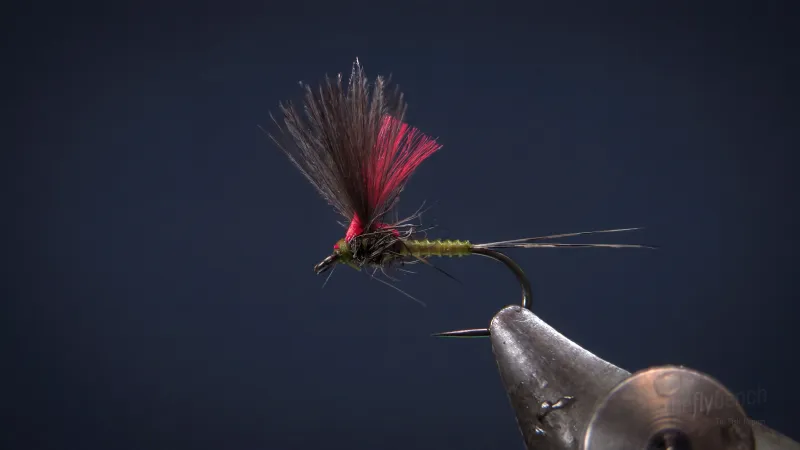
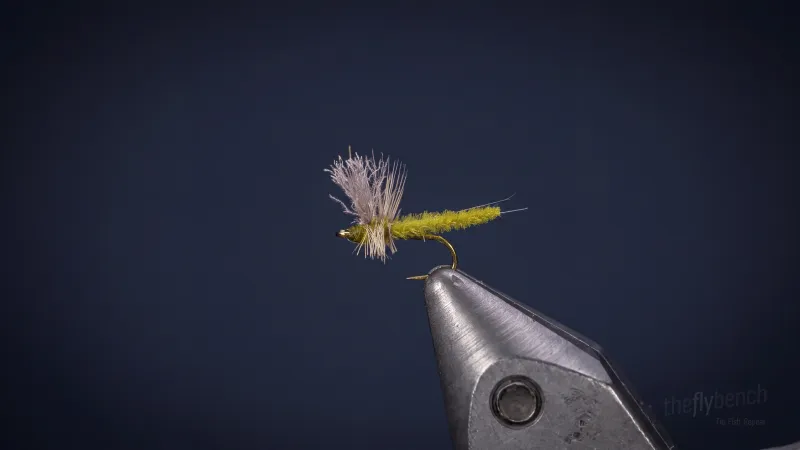
Overview
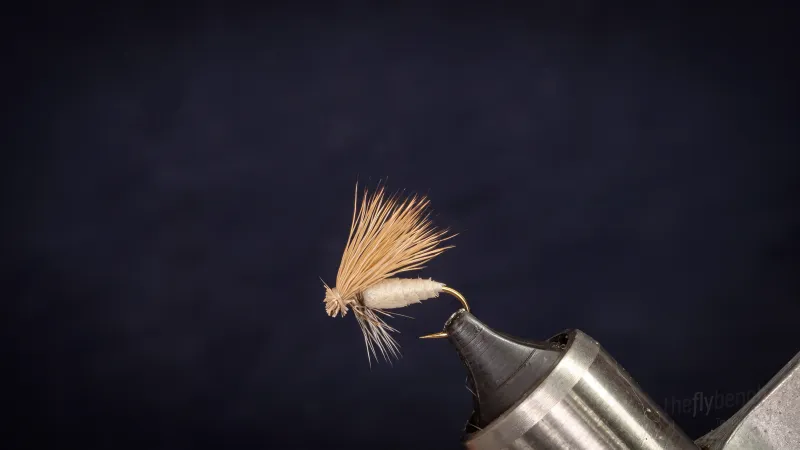
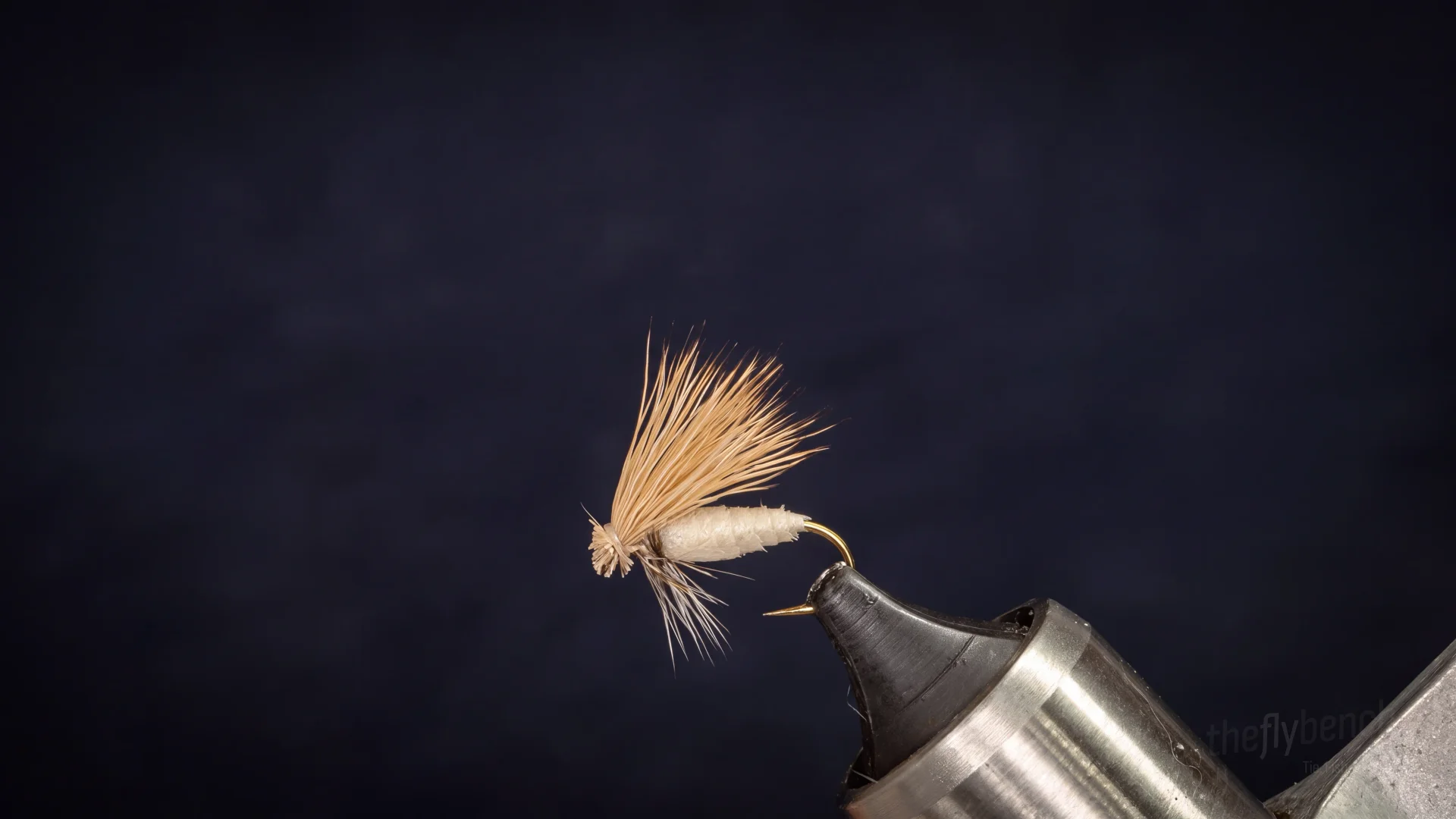
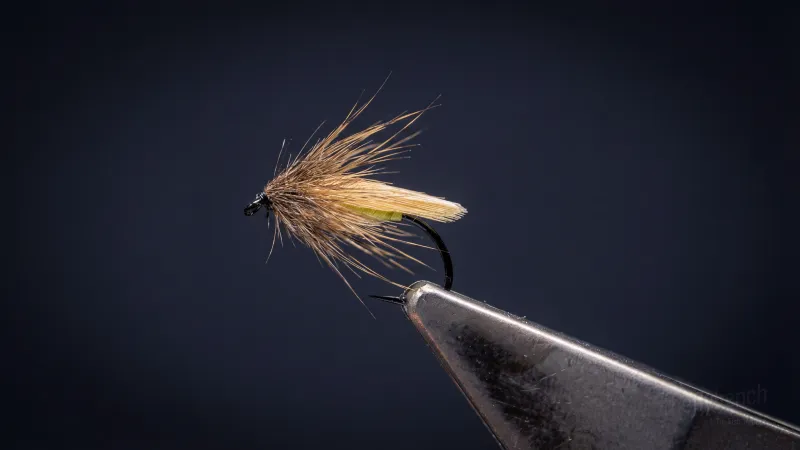
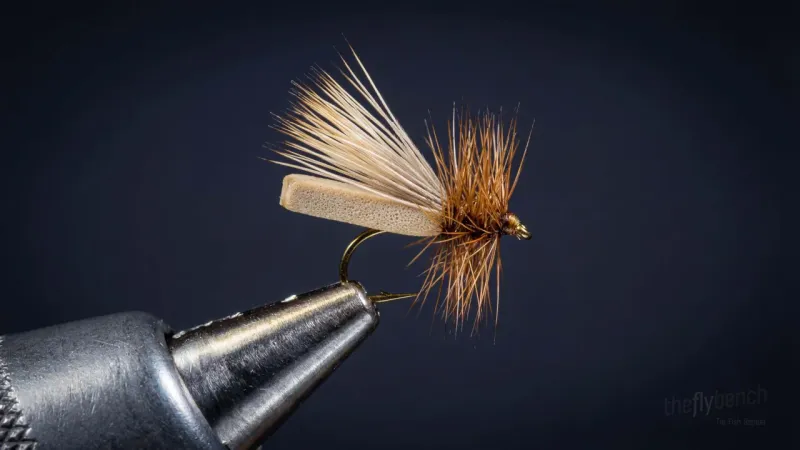
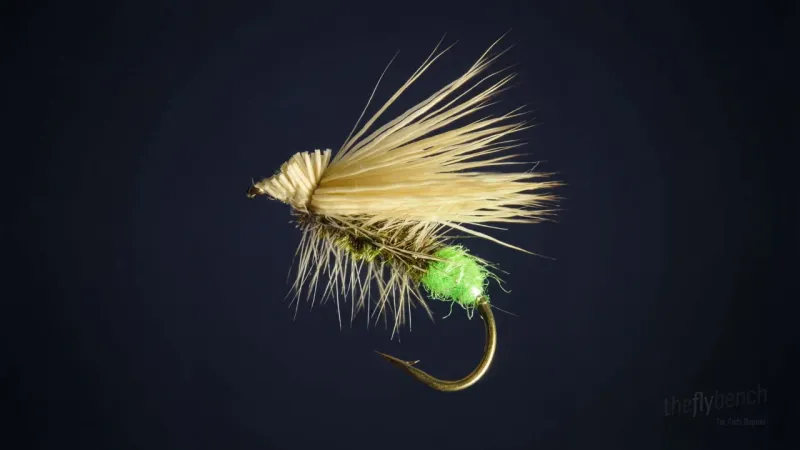
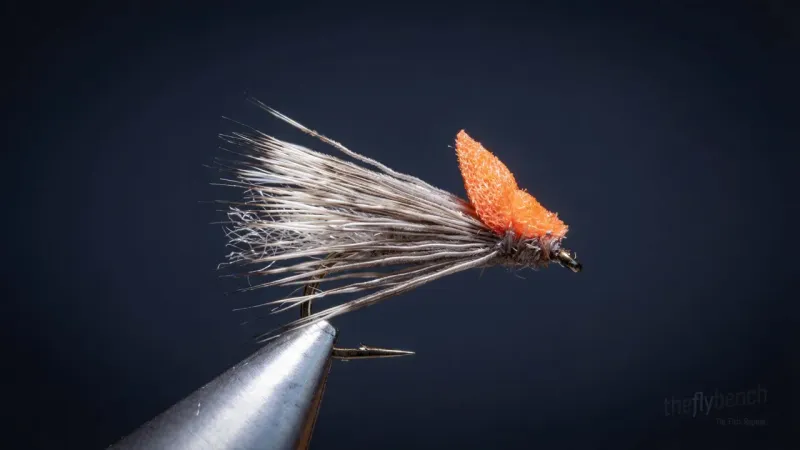
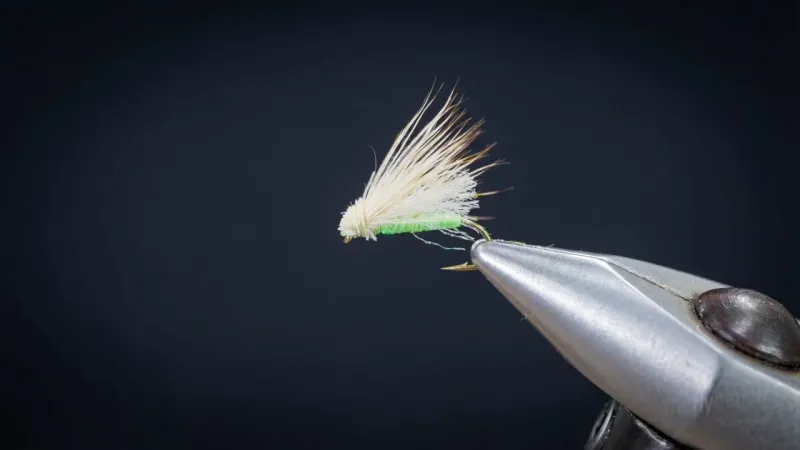
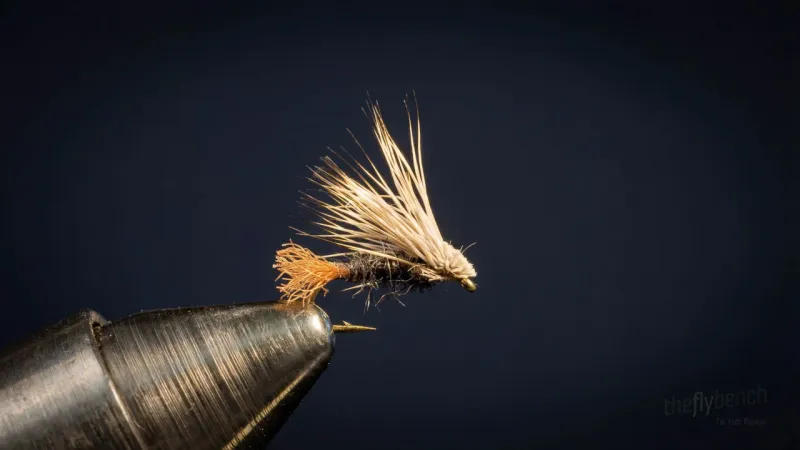
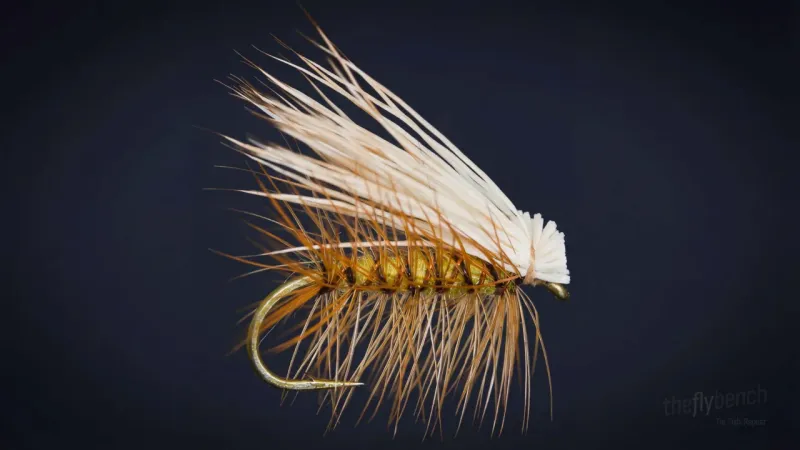
AvidMax tied this pattern for its Tying Tuesday series to fix the main weakness of a standard Elk Hair Caddis, which tends to soak up water and sink after a few fish. A strip of Razor Foam is wrapped into a tapered body, a few turns of grizzly form a collar, and the elk wing butts are trimmed into a small head. Change the foam color to match local caddis.
Related patterns
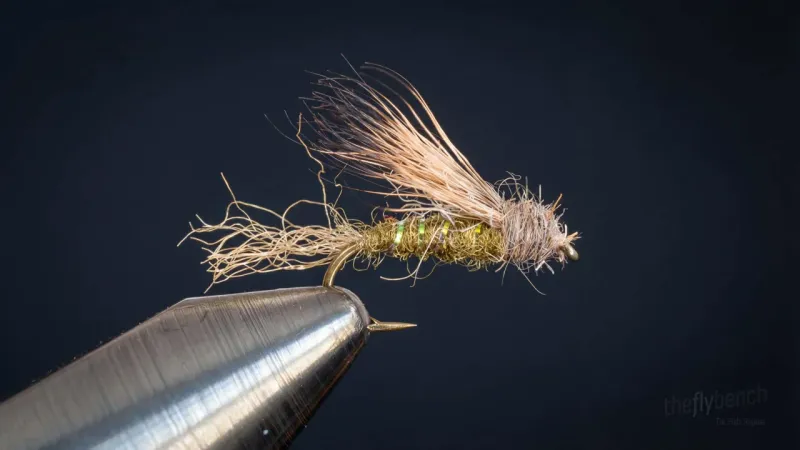
Behavior & presentation
- Natural Behavior
- Egg-laying adult caddis dip and bounce across the surface, crawl back up off the water and return in quick touch-down runs, leaving small wakes that trout track from below.
- Where Trout Eat It
- Broken riffles and fast pocket water in the evening, where returning females drop eggs and fish move up to the surface to intercept them.
- How to Fish It
- Dead drift it through the riffle first, then lift the rod at the end of the drift and let the fly skitter a few inches across the current like a female laying eggs.
- Best Water
- Riffle seams, foam lines below plunges, pocket water behind boulders and the soft bank edges at the head of a run.
- Strike Type
- Slashing, splashy rises, often on the skitter; let the fish turn down before lifting.
Fishing strategy
- Rigging Suggestions
- Fish it on a 9-foot 4X–5X leader. The foam body holds up well enough to carry a size 16–18 caddis pupa or soft hackle 18–24 inches off the bend.
- Seasonal Timing
- Most productive from May through September, peaking in early summer evenings when the caddis come back to lay eggs, with good fall fishing on freestone rivers.
- Pro Tips
- Keep the hackle sparse so the foam body sits in the film with a low caddis profile. Match the foam color to the bodies of the local caddis, and dress only the wing with floatant since the foam floats on its own.
Entomology
- Order
- Trichoptera
- Common name
- Caddisfly
- Organism
- insect
- Life stage
- adult
Pattern details
- Moving Water
- Rocky Mountain
- dead-drift
- caddis-hatch
- skate
- dry-dropper
- freestone
- beginner-friendly
- modern