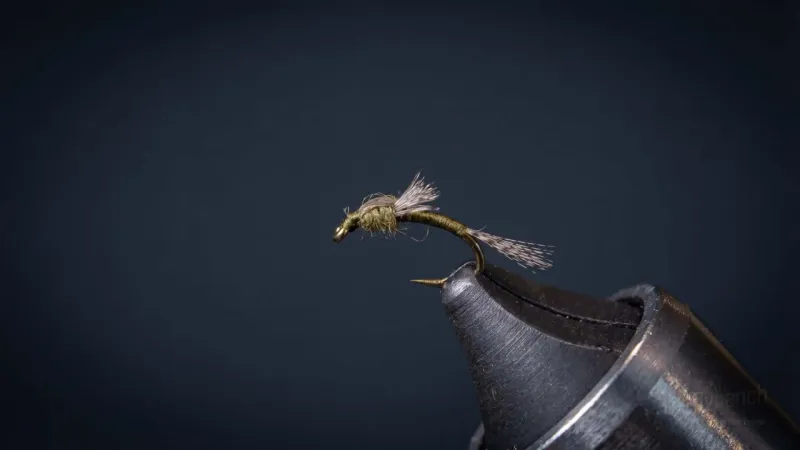
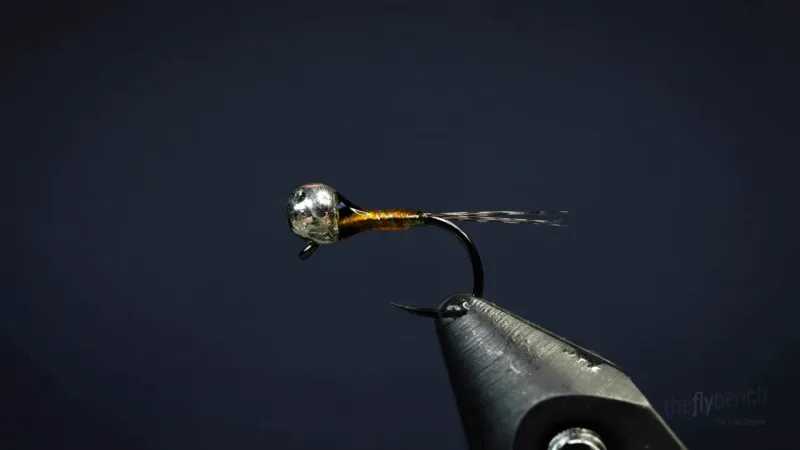
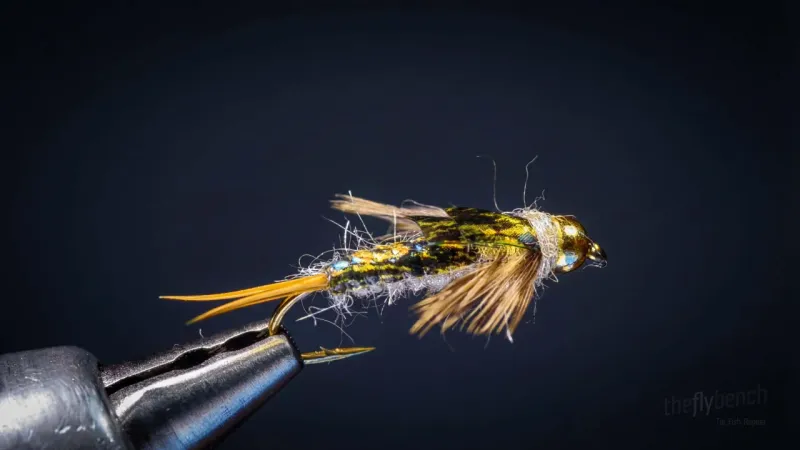
Euro NymphsEgan's Purple Dart
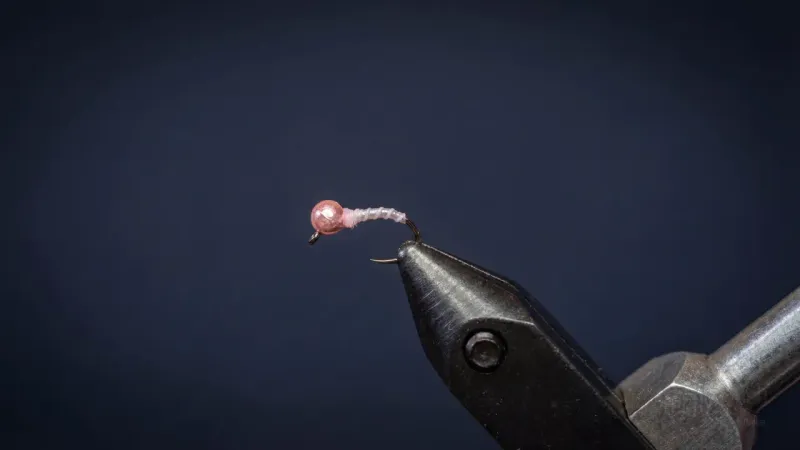
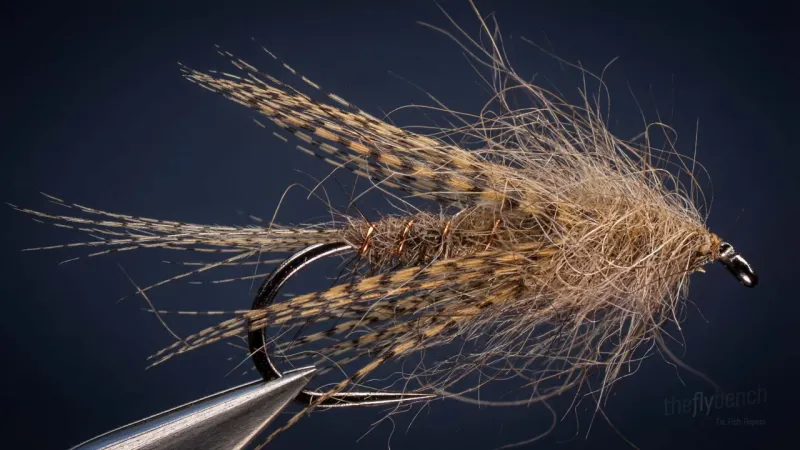
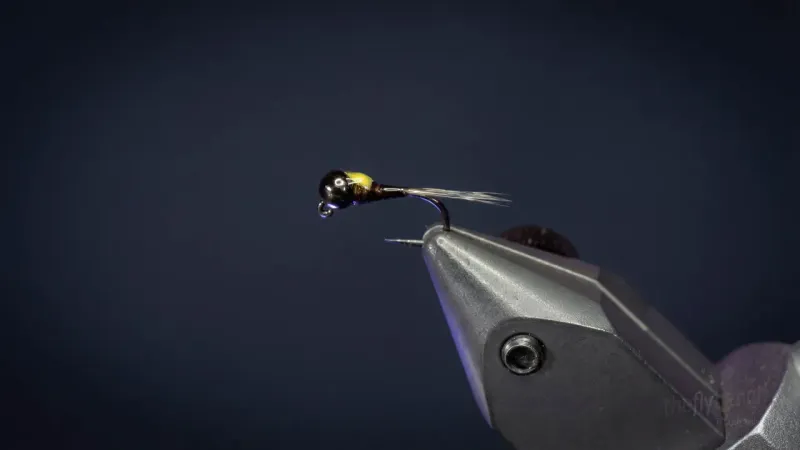
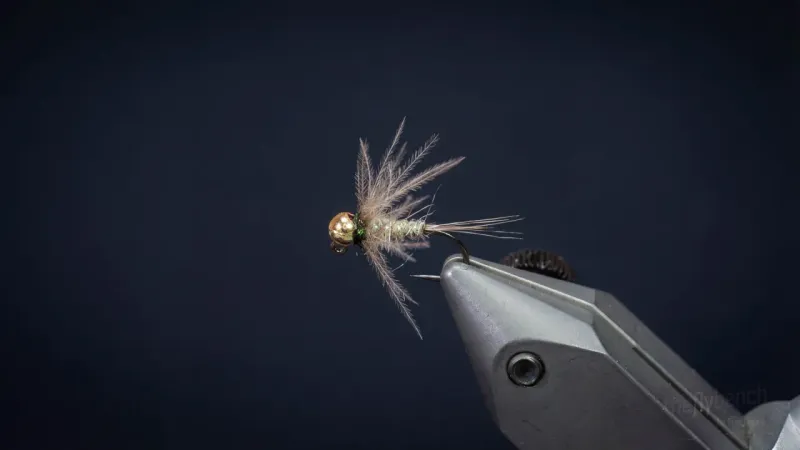
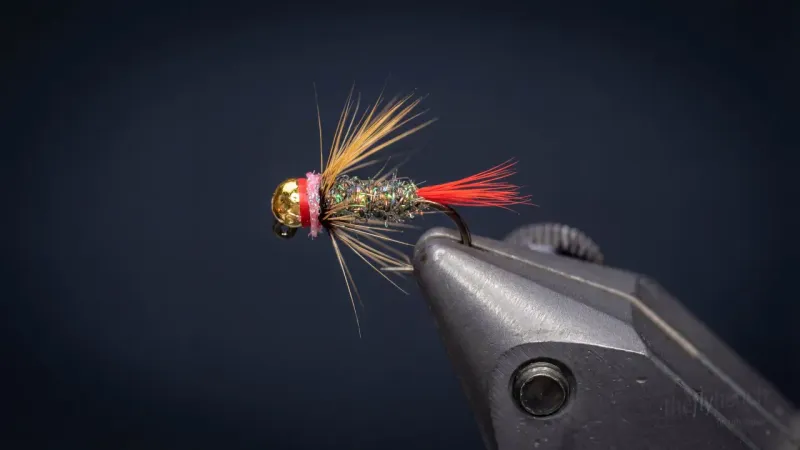
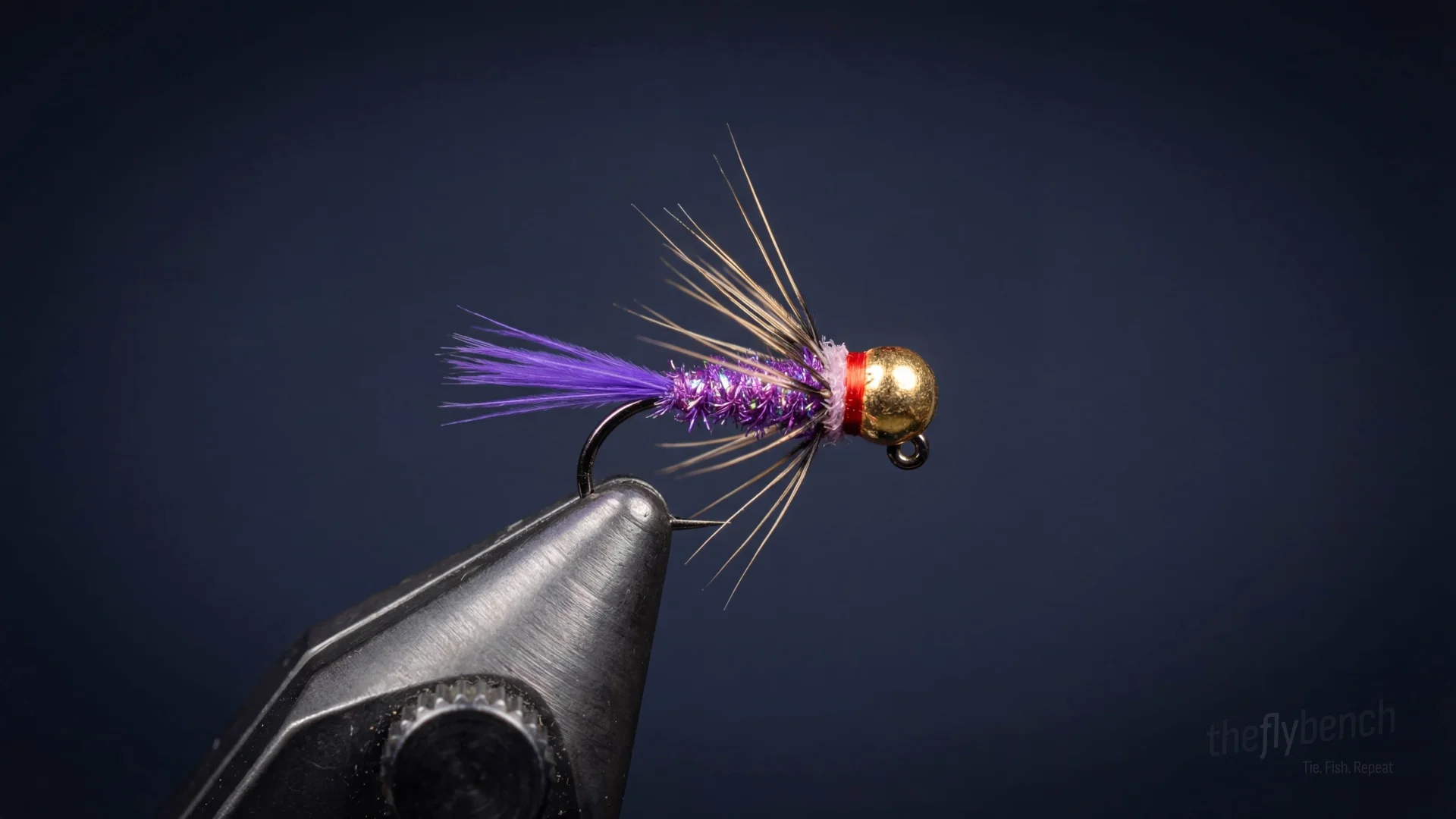
The Purple Dart is a Euro-specific pattern designed by Lance Egan that effectively matches the look and feel of mayfly nymphs when they are on the move. The combination of purple dubbing and opalescent ribbing creates a subtle flash that attracts trout in clear waters. A versatile competition-style pattern that can be tied on various hook styles from traditional jig hooks to emerger-style jig hooks.
Spring, Summer, Fall
Beginner
Trout
Dec 2025
Overview
Designed by Lance Egan, a renowned competitive fly fisher and innovator in Euro nymphing techniques. The Purple Dart is a fun tie that combines a slim profile with a hot-spot collar for added attraction. The pattern can be adapted to various sizes and hook styles depending on water conditions and target species. The UV dubbing materials enhance visibility in low-light conditions while maintaining a natural appearance.
Materials
Hook: Hanak H 400 BL Jig Hook, size #14
Bead: Hanak Round+ Slotted Tungsten Beads, 3.5mm, gold
Thread: UTC Ultrathread 70 Denier, red
Tail: Strung Chinese Saddle Hackle, purple
Body: Ice Dub, UV purple
Rib: Sulky Metallic Tinsel, opalescent
Hot Spot: Ice Dub, UV pink
Behavior & Presentation
Natural Behavior: Mayfly nymphs respond to barometric pressure changes by initiating mass drift events, creating sudden spikes in available prey density. Fish feed aggressively on these pressure-triggered drift pulses because the concentrated nymph availability allows rapid caloric intake during brief but intense feeding windows.
Where Trout Eat It: Trout take this UV-coated jig nymph near the bottom in fast, turbid runs where its rapid sink rate and purple flash trigger reaction strikes from fish holding tight to substrate.
How to Fish It: Fish on a tight line with a euro nymphing setup, leading the fly through the drift with contact. Let it tick bottom and lift occasionally to trigger takes.
Best Water: Deep pocket water and heavy seams where conventional nymphs struggle to reach the strike zone.
Strike Type: The take transmits through the euro rig as sighter dip, subtle rod-tip load, or tactile change in line tension; answer with prompt lift-set while maintaining vertical leader angle for effective jig-hook penetration.
Fishing Strategy
Rigging Suggestions: Fish on a Euro nymphing leader with 4X-5X fluorocarbon tippet for stealth and sensitivity. Use as a point fly with a lighter pattern as a dropper.
Seasonal Timing: and summer mayfly hatches (March through September), also productive in fall when Baetis are active. Works well year-round in tailwaters with consistent insect populations.
Pro Tips: Sinks quickly due to the tungsten bead and slim profile. The UV dubbing and opalescent ribbing create subtle flash that attracts attention without spooking wary fish.
Entomology
Mayfly nymphs respond to barometric pressure changes by initiating mass drift events, creating sudden spikes in available prey density. Fish feed aggressively on these pressure-triggered drift pulses because the concentrated nymph availability allows rapid caloric intake during brief but intense feeding windows.
- Order
- Ephemeroptera
- Common Name
- Mayfly
- Organism Type
- insect
- Life Stage
- nymph