

Overview
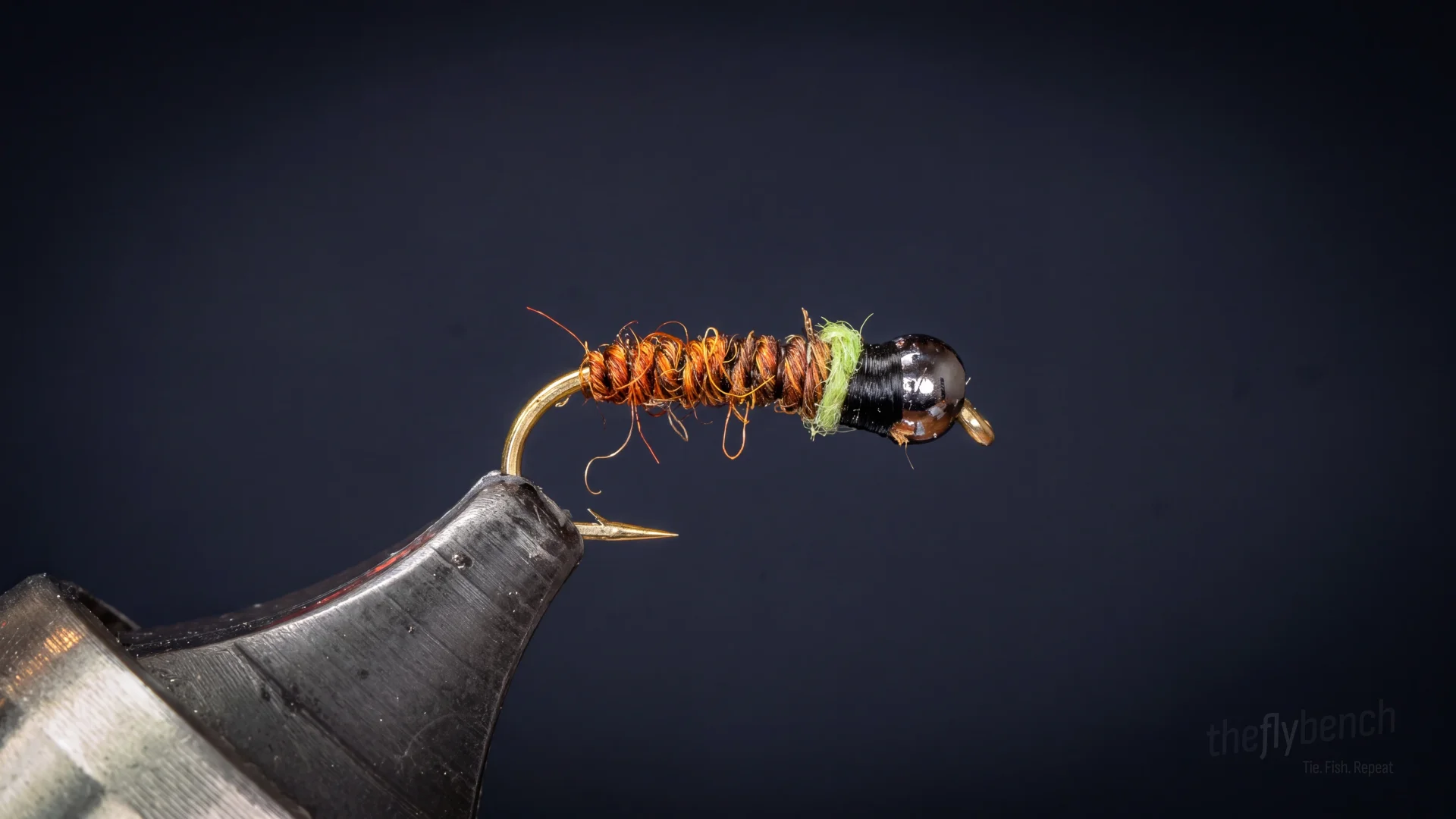
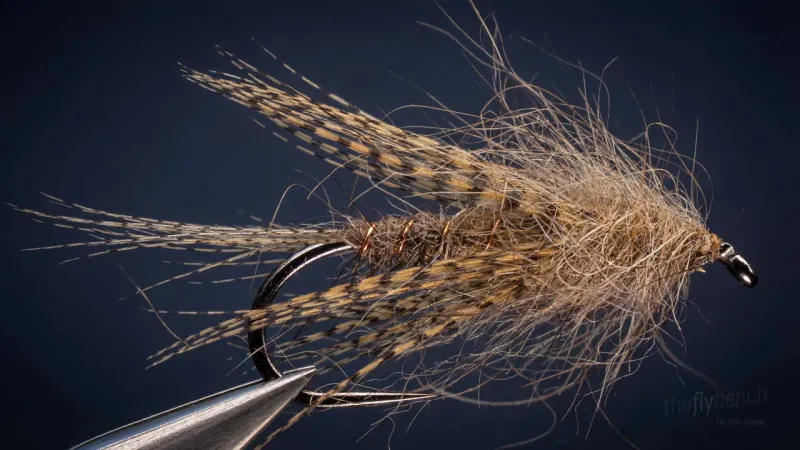
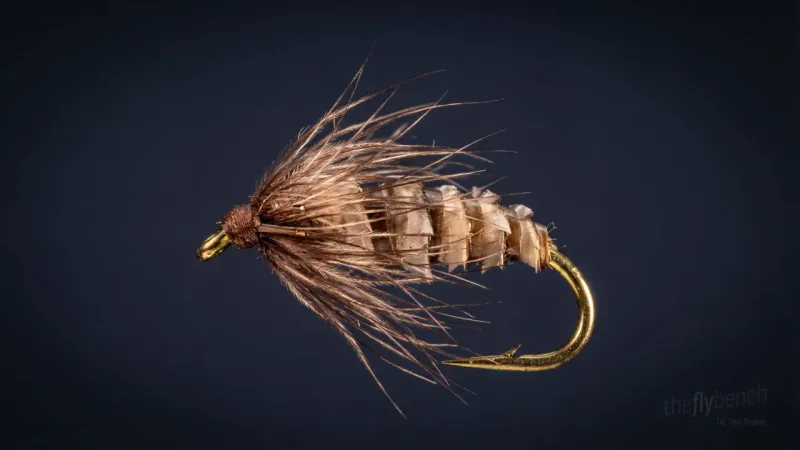
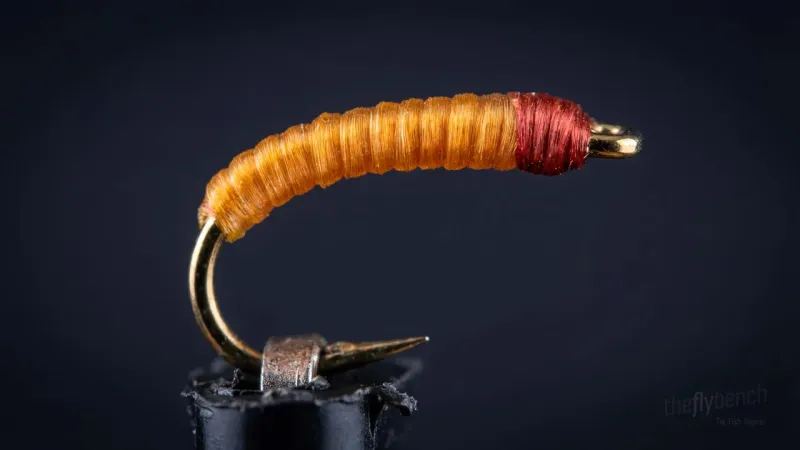
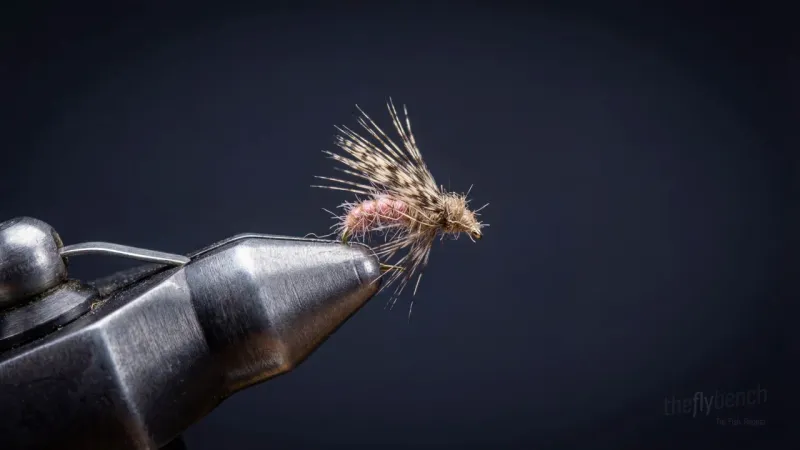
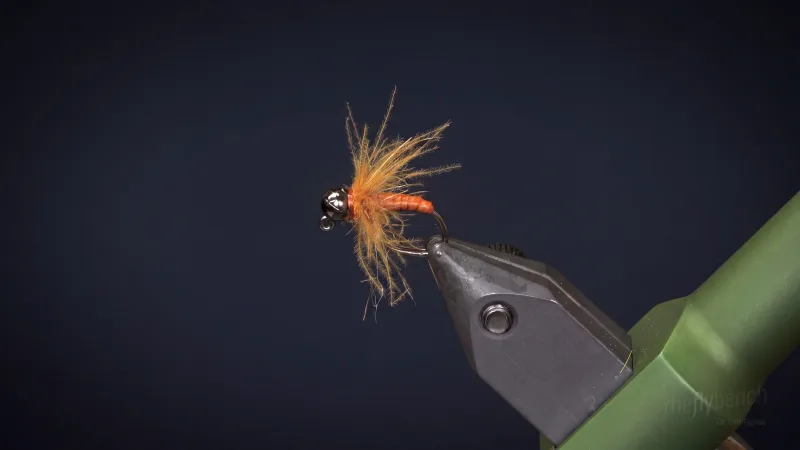
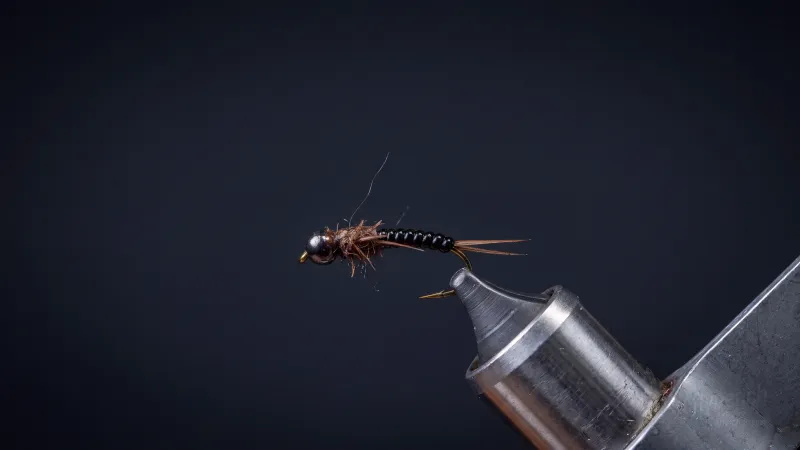
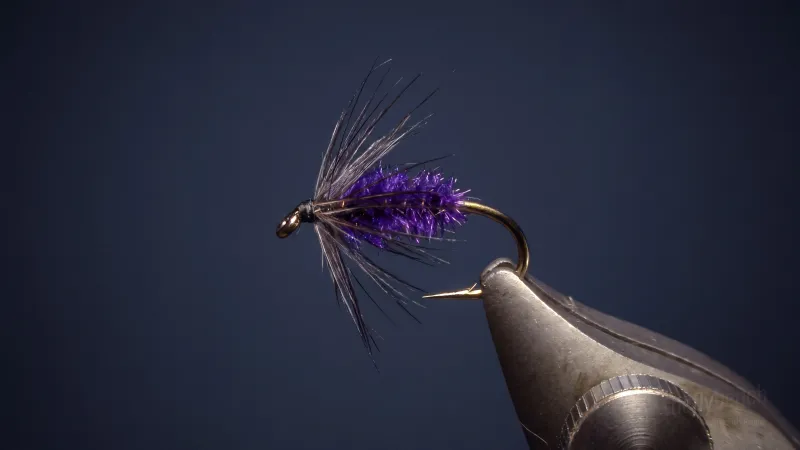
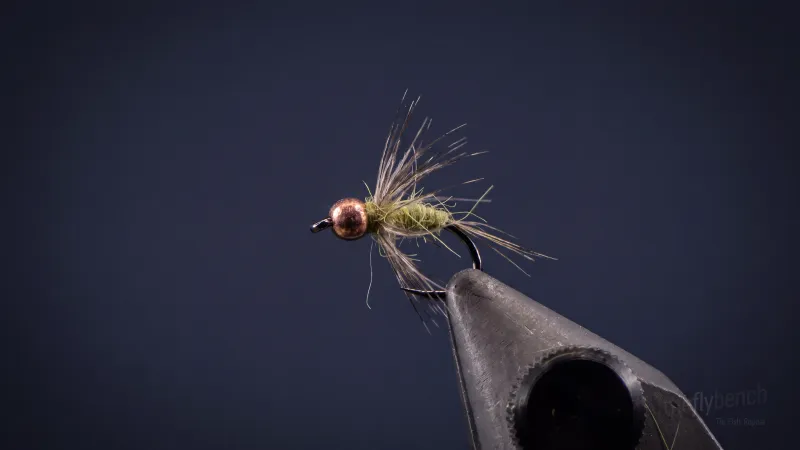
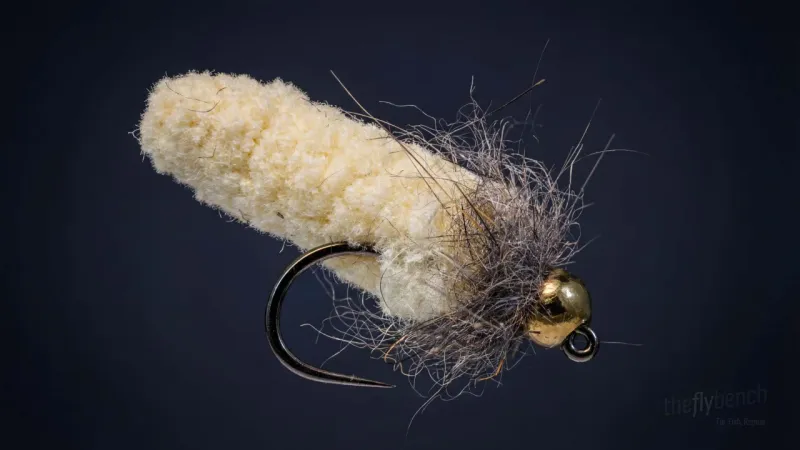
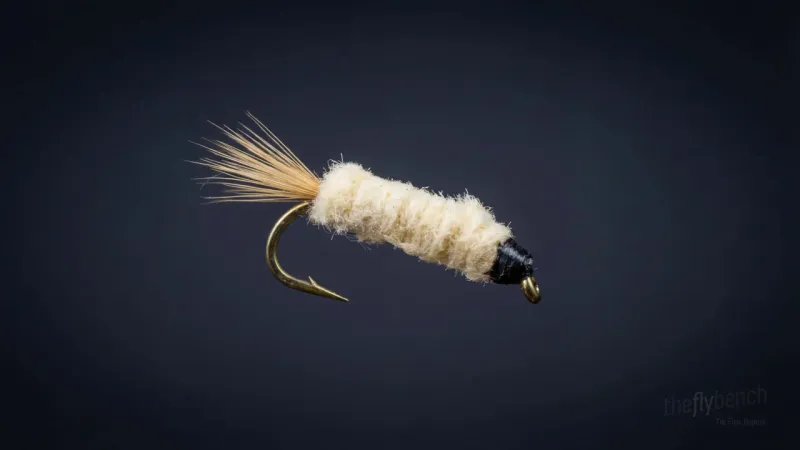
AvidMax featured this tie on its Tying Tuesday series in October 2026, tied by Tyler, without naming an originator. The whole fly takes five materials: a thread underbody builds the case shape, the yarn is wrapped over it for a rough, fuzzy texture, and a pinch of green dubbing finishes the exposed larva. Picking out a few yarn fibers makes the case look more like collected debris.
Related patterns

Behavior & presentation
- Natural Behavior
- Cased caddis larvae drag homes of sand grains and plant bits slowly across the stones, and when a surge of current pries one loose it rolls downstream like a small stick with no swimming motion at all.
- Where Trout Eat It
- Trout root them off the rocks in shallow cobble runs and pick up the tumbling cases a few inches above the bottom in the deeper slots below.
- How to Fish It
- Add weight until the fly taps the stones, then let it roll along the bottom on a slow, drag-free drift under a tight line or a strike indicator, leading it no faster than the current near the riverbed.
- Best Water
- Cobble riffle edges, the seam where a riffle drops into a run, pockets behind midstream boulders, and the head of a tail-out where loose cases settle out of the current.
- Strike Type
- The bite usually shows as a short stall or a sideways twitch in the sighter or indicator that looks like a snag; set on anything that stops the drift.
Fishing strategy
- Rigging Suggestions
- Use it as the heavy anchor fly on a euro rig or under an indicator, with a smaller midge or mayfly nymph on 5X tippet 16 to 20 inches behind. Add split shot in faster water until it ticks bottom.
- Seasonal Timing
- Cased caddis are on the streambed all year, so it fishes in every month, and it is a good choice in spring before the first caddis hatches pull trout toward the surface.
- Pro Tips
- Match the yarn color to the cases you find on local rocks; tan and olive yarns cover sandier and greener streams. Keep the dubbing band thin so it reads as a head and legs rather than a second body.
Entomology
Case-building caddis larvae glue sand, gravel or plant fragments into a portable tube and crawl over the streambed grazing on algae and detritus, with only the head and legs out of the case. When high or fast water knocks them loose they drift helplessly near the bottom, and trout eat them case and all.
- Order
- Trichoptera
- Common name
- Cased Caddis
- Organism
- insect
- Life stage
- larva
Pattern details
- Moving Water
- Rocky Mountain
- dead-drift
- indicator-nymph
- tight-line-nymph
- caddis-hatch
- freestone
- beginner-friendly
- searching-pattern