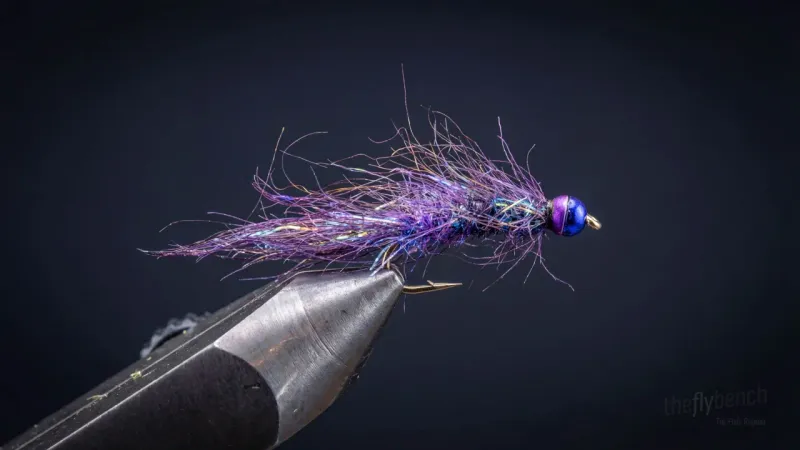
LeechDub Thumper Jig Leech
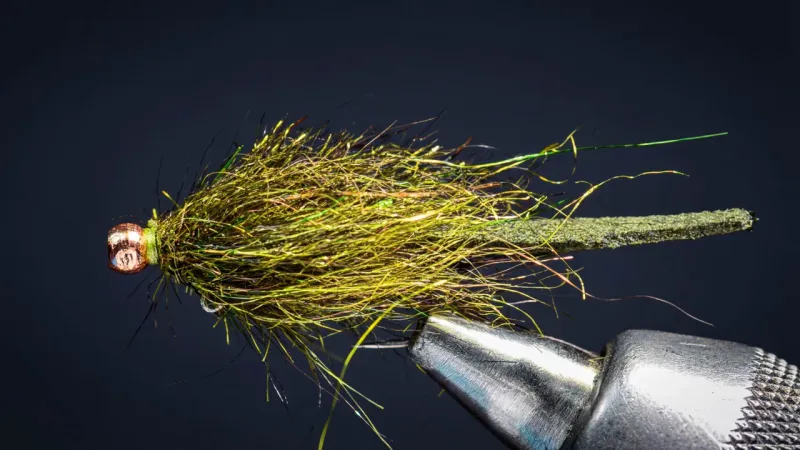
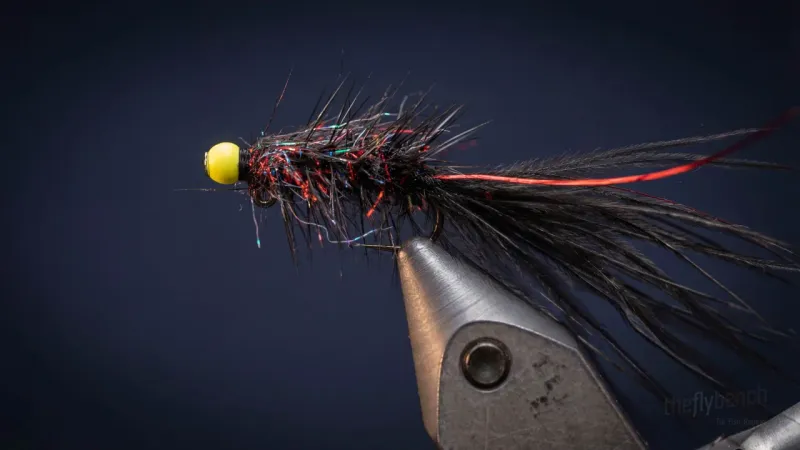
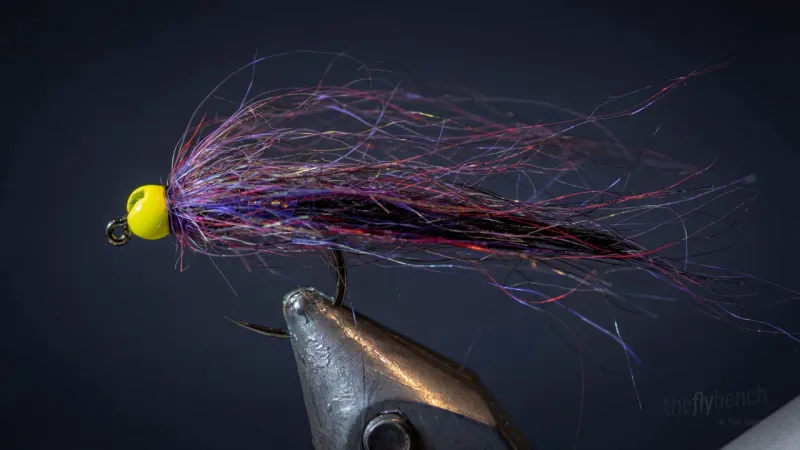
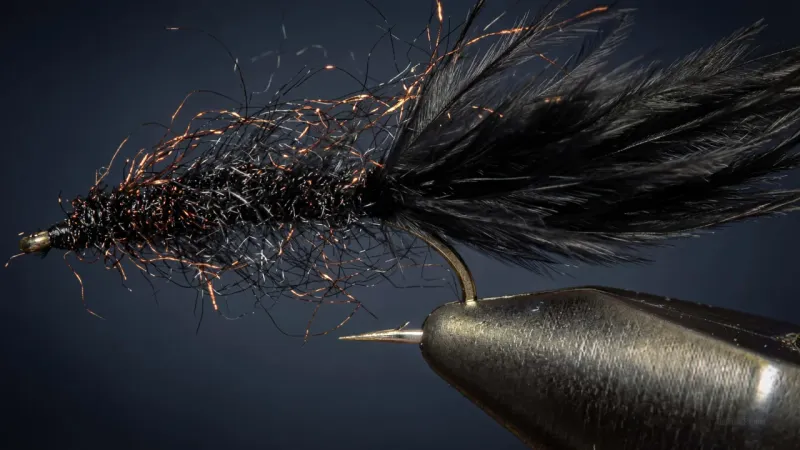
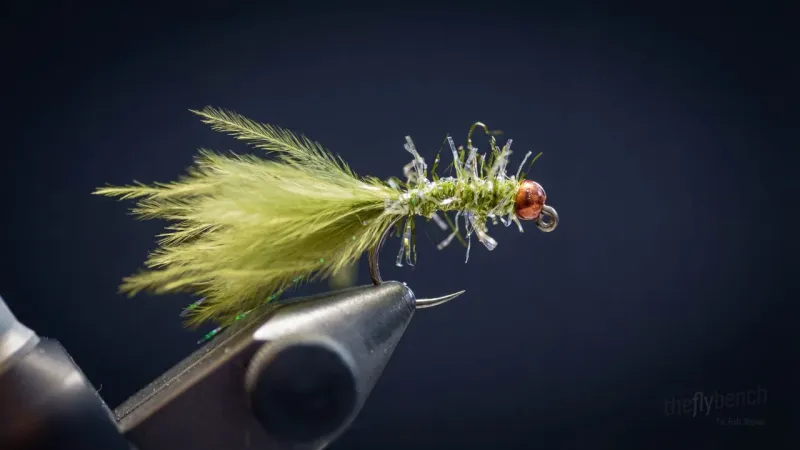
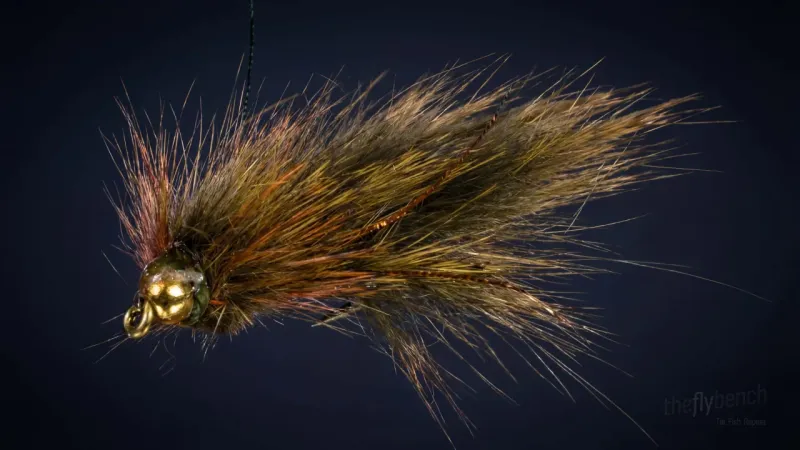
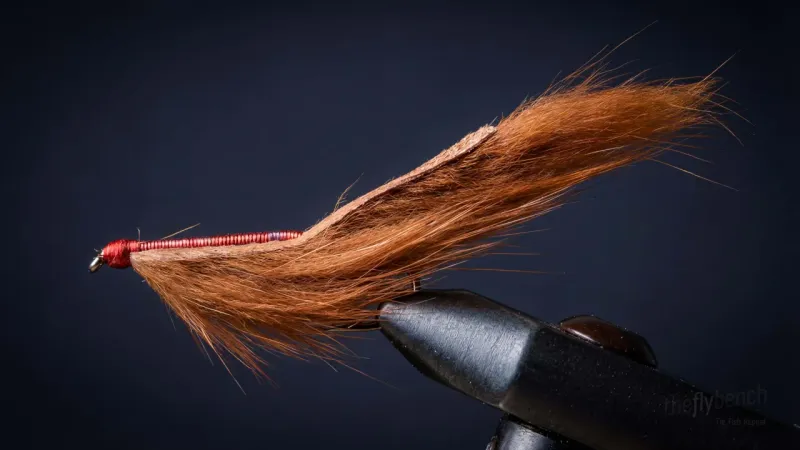
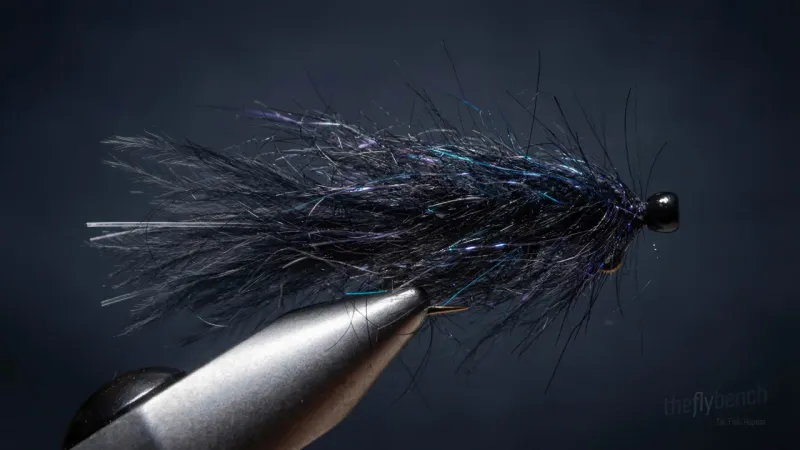
The Dub Thumper Jig Leech from BCFlyguys is a twist on the classic dubbing loop leech. This jig hook version with tungsten head turner bead sinks like a rock to get into the zone fast while keeping the hook tip riding upward for a weedless presentation. The dubbing loop construction creates natural movement and texture that stillwater trout find irresistible.
Year Round
Intermediate
Trout
Dec 2025
Overview
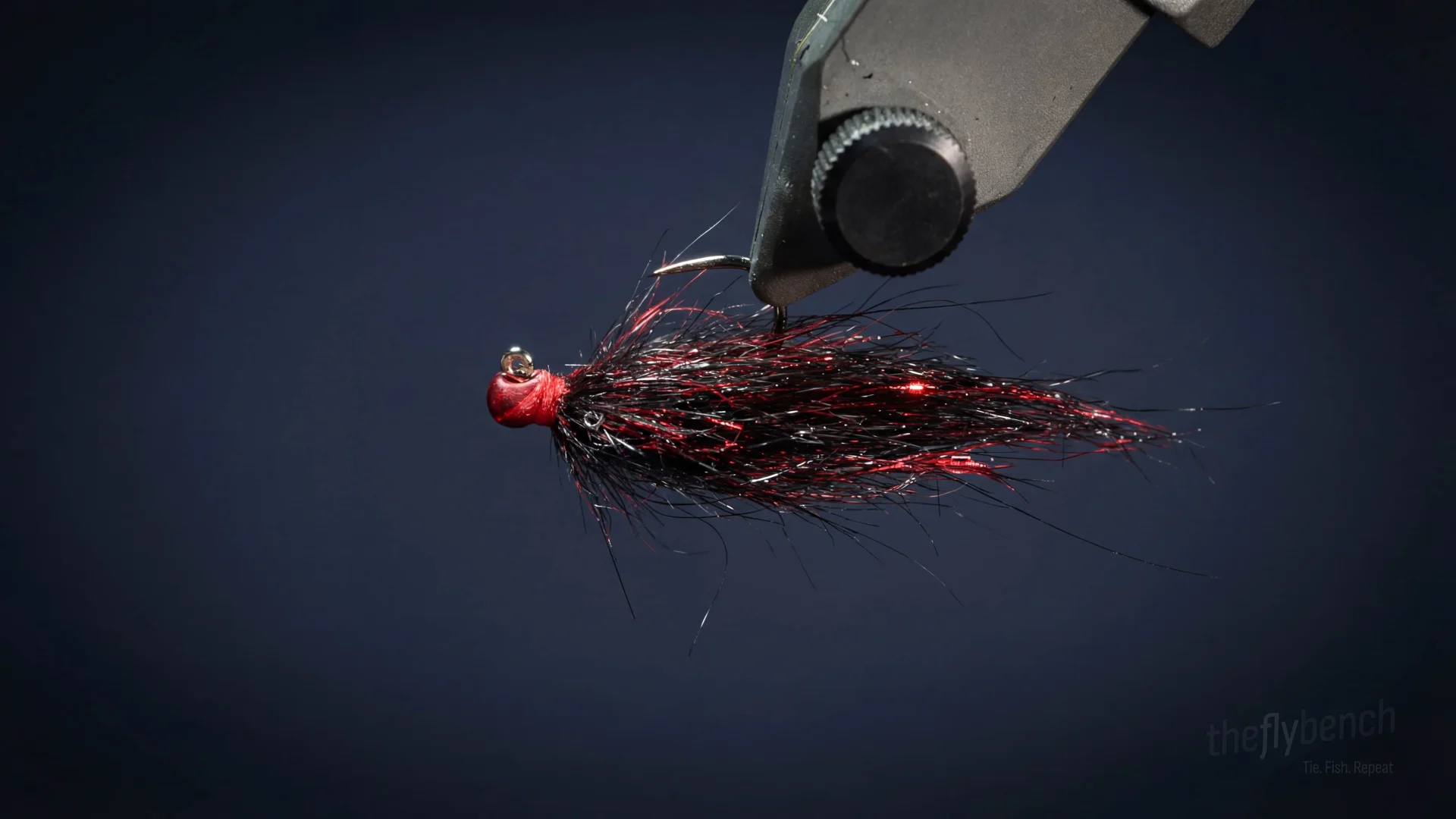
This BCFlyguys pattern showcases the effectiveness of the dubbing loop technique combined with jig hook construction. The tungsten head turner bead provides rapid sink rate while the jig orientation keeps the hook point up, reducing snags on weedy stillwater bottoms. The dubbing brush body creates a buggy, translucent profile that mimics natural leeches.
Materials
Hook: Jig hook, #10-12
Thread: Black or color to match, 6/0-8/0
Bead: Tungsten head turner bead, black or copper
Body: Semi Seal dubbing, black & red (dubbing loop)
Tail: Semi Seal dubbing, black & red
Behavior & Presentation
Natural Behavior: Aquatic worms flatten and thicken their bodies in alternating waves, creating pulsing movements along lake bottoms. Their stop-and-go swimming signals vulnerability, and their energy-dense bodies require minimal effort to capture. Trout actively search for these substantial meals.
Where Trout Eat It: Fish hunt leeches throughout the water column in lakes, intercepting them at weed edges, drop-offs, and shoals during migrations between zones.
How to Fish It: Use slow strips on sinking lines or suspend under indicators at varying depths. The tungsten head sinks rapidly while the jig orientation prevents snagging near structure.
Best Water: Target weed edges, drop-offs, shoals, and structural transitions in lakes where leeches move between feeding areas.
Strike Type: Steady pull-down or line draw as fish swim off with the fly.
Fishing Strategy
Rigging Suggestions: Fish on 12-15 foot leader with 4X-5X fluorocarbon tippet under a strike indicator. The tungsten bead provides ample weight for indicator fishing or euro-style presentations.
Seasonal Timing: effectiveness in BC Interior lakes and similar lake environments. Particularly effective during early ice-off and late autumn when trout are actively feeding.
Pro Tips: The dubbing brush body creates a translucent, buggy profile with natural movement. The tungsten head turner bead ensures rapid descent to reach cruising trout at depth.
Entomology
These segmented aquatic worms propel themselves by flattening and thickening their bodies in alternating waves, creating a pulsing movement along the lake bottom. Fish eagerly consume leeches because they represent substantial, energy-dense meals that require minimal effort to capture compared to faster-moving prey.
- Organism Type
- leech
- Life Stage
- general