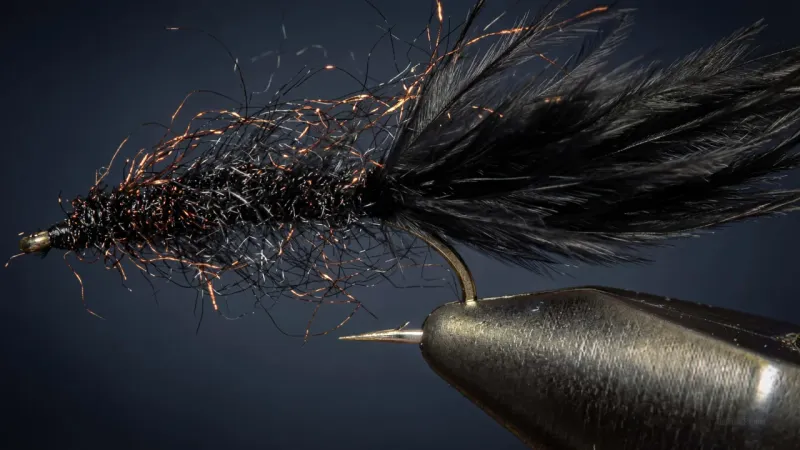
LeechDDH Leech
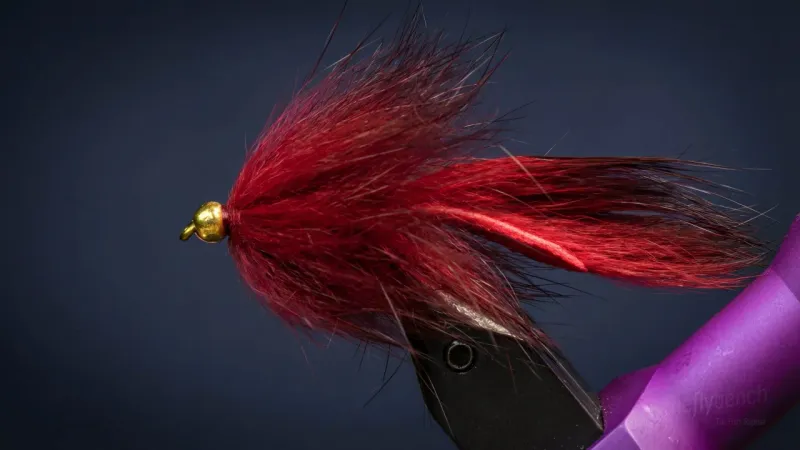
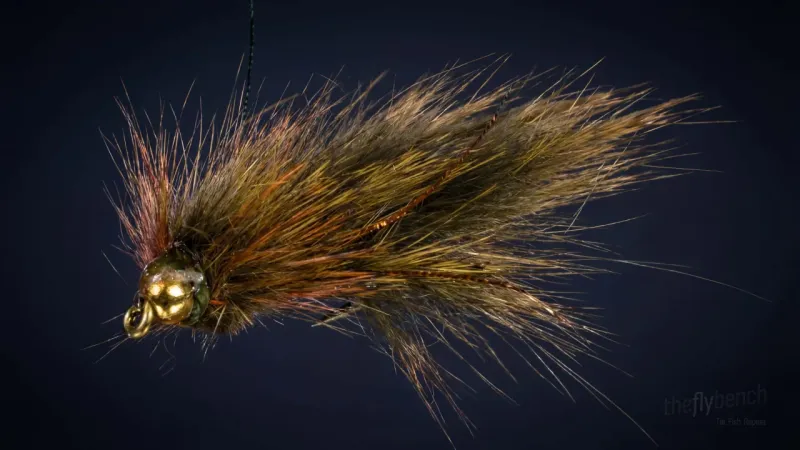
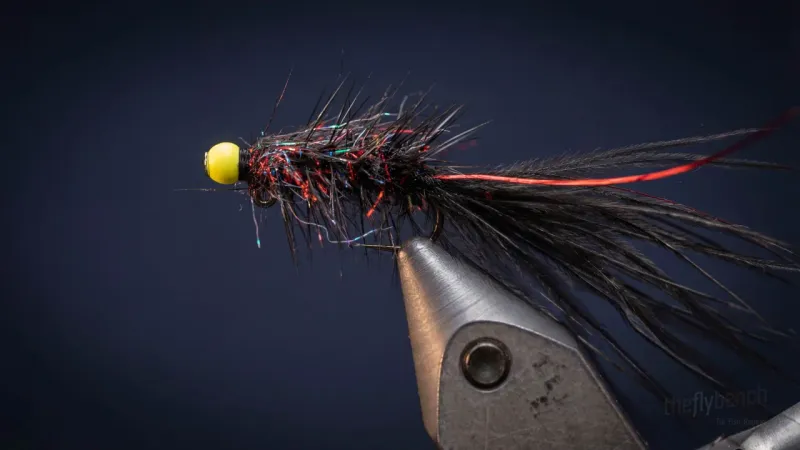
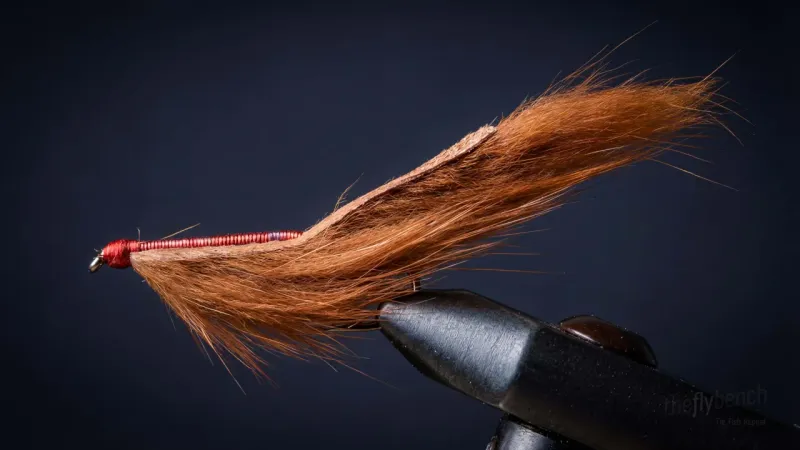
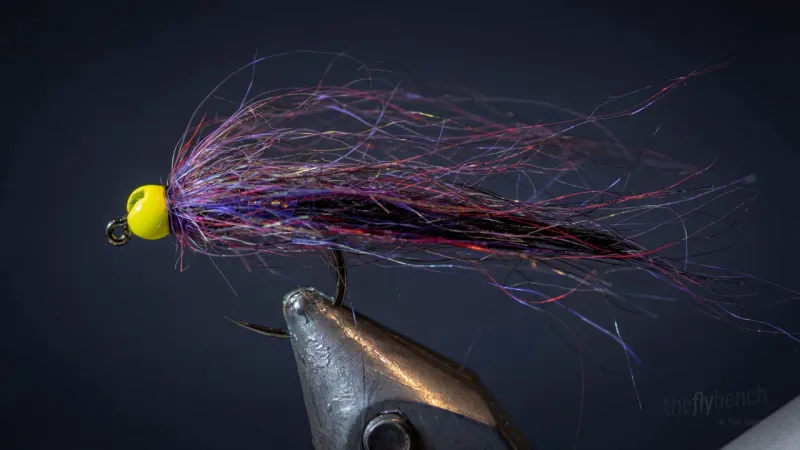
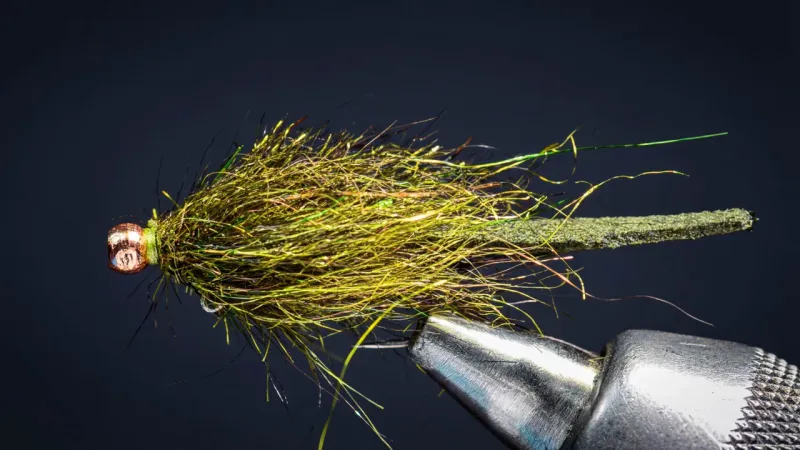
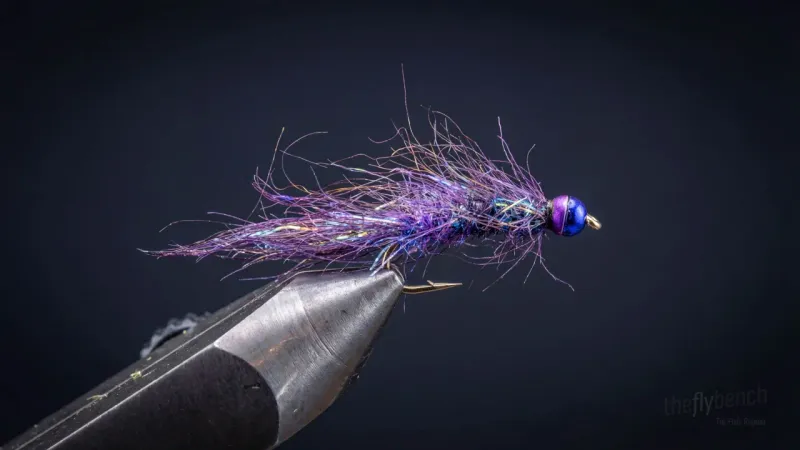
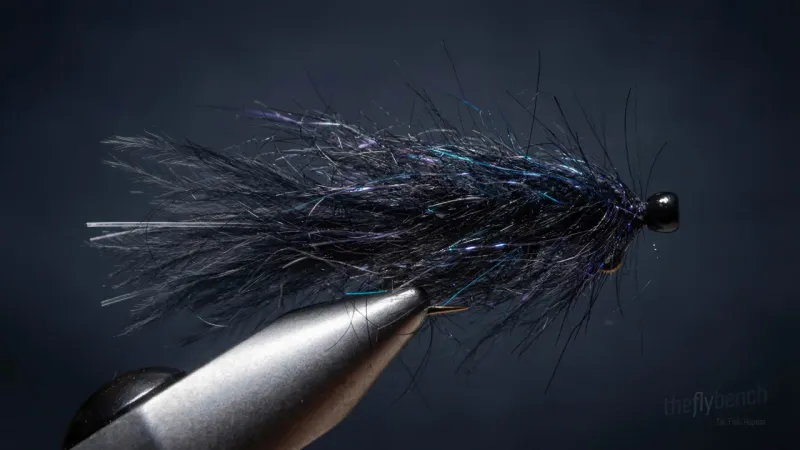
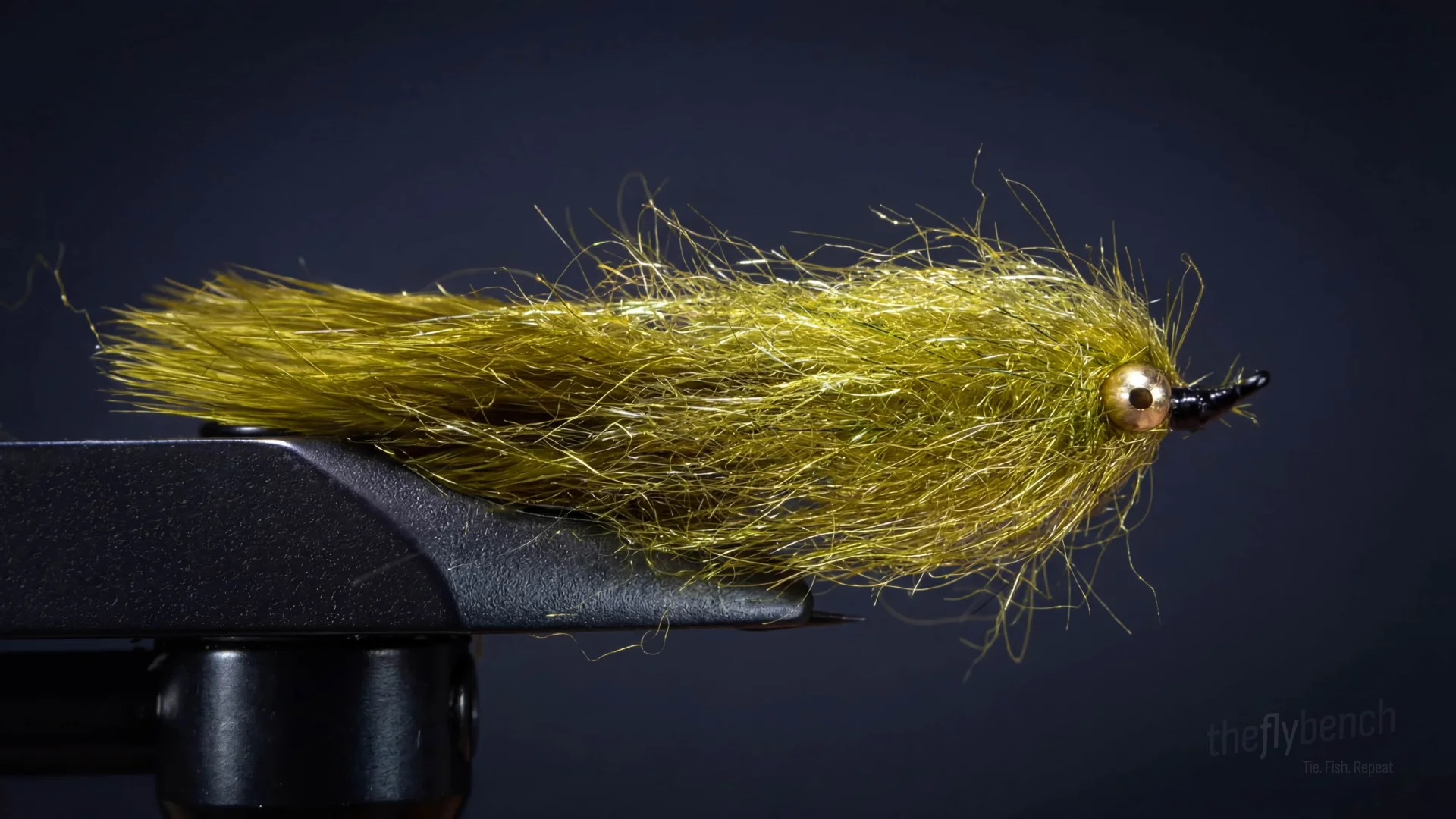
The DDH Leech is Stu Thompson's dubbing-loop leech pattern featuring Arizona Simi Seal dubbing and marabou for maximum movement. Built on a heavy wire hook with bead chain eyes, this pattern sinks to the strike zone quickly while maintaining a natural swimming action. The DDH (dubbing-loop design) creates a buggy, undulating profile that triggers aggressive strikes.
Year Round
Intermediate
Trout, Bass
Dec 2025
Overview
This tightlinevideo pattern by Stu Thompson showcases the effectiveness of dubbing loop construction for leech patterns. Arizona Simi Seal creates a translucent, spiky body that catches light and moves naturally in the water. The bead chain eyes add subtle weight while positioning the hook point up to reduce snags. The heavy wire hook provides durability for larger fish.
Materials
Hook: Heavy wire salmon/steelhead hook (Dai-Riki 899), #6
Thread: UTC 140 Denier, black
Eyes: Bead chain eyes, gold, medium
Tail: Woolly bugger marabou, olive
Body: Arizona Simi Seal dubbing, olive
Behavior & Presentation
Natural Behavior: These segmented swimmers pulse through lakes using alternating body contractions, gliding between swimming efforts. Their start-stop rhythm and translucent bodies make them highly visible to trout patrolling for protein-dense meals. Available year-round, they're staple forage in cold conditions.
Where Trout Eat It: Trout hunt leeches from bottom to mid-column in lakes, especially along weed edges, drop-offs, and shoals. In streams, fish intercept them in pool tail-outs and slower runs.
How to Fish It: Slow, erratic strips with pauses activate the bead chain jigging motion. In streams, dead drift through deep pools lets the materials undulate naturally.
Best Water: Focus on weed edges, drop-offs, shoals, tail-outs, and riffle edges where leeches migrate between feeding zones.
Strike Type: Steady pull-down or gradual line draw as fish turn with the fly.
Fishing Strategy
Rigging Suggestions: Fish on 7.5-9 foot leader with 2X-3X fluorocarbon tippet. Use floating line with long leaders in shallow water, sink-tip lines for deeper presentations. Can be fished as a single fly or as the lead fly in a two-fly rig.
Seasonal Timing: Effective with peak performance in and . The olive coloration matches natural leeches found in most waters throughout the seasons.
Pro Tips: The bead chain eyes provide a moderate sink rate suitable for most fishing situations. The Simi Seal dubbing traps air bubbles initially, creating flash and sparkle before saturating.
Entomology
Leeches propel themselves through lakes with continuous body undulations, their semi-transparent forms catching available light as they swim between bottom structure and mid-water feeding zones. Trout consume leeches year-round because they remain active in cold water when insect activity diminishes, providing consistent nutrition during off-peak seasons.
- Organism Type
- leech
- Life Stage
- general