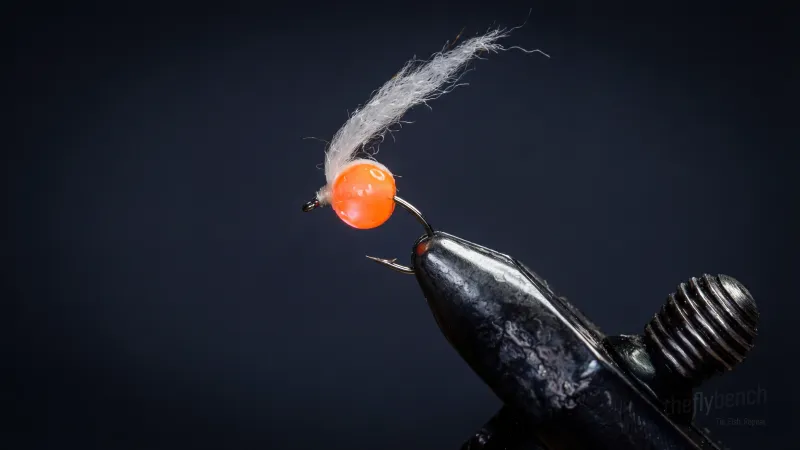
NymphGlo Bug
The Glo Bug is a simple yet effective pattern that mimics fish roe. The bright colors attract fish, making it an excellent choice when fishing in high, discolored water.
Spring, Fall
Beginner
Trout
Apr 2025
Overview
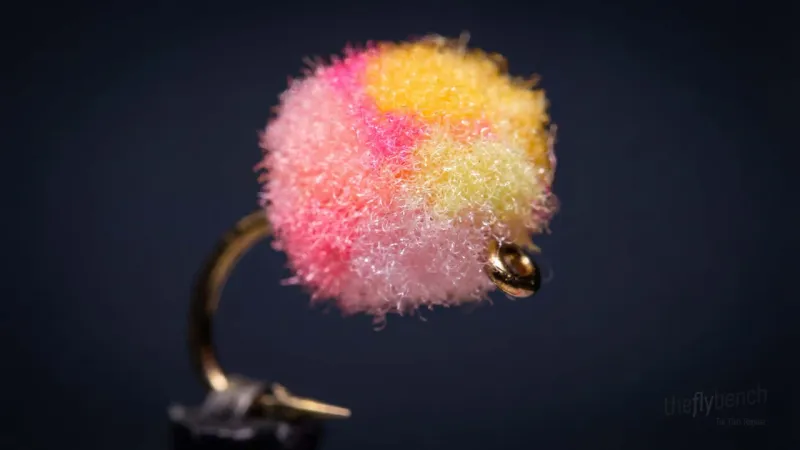
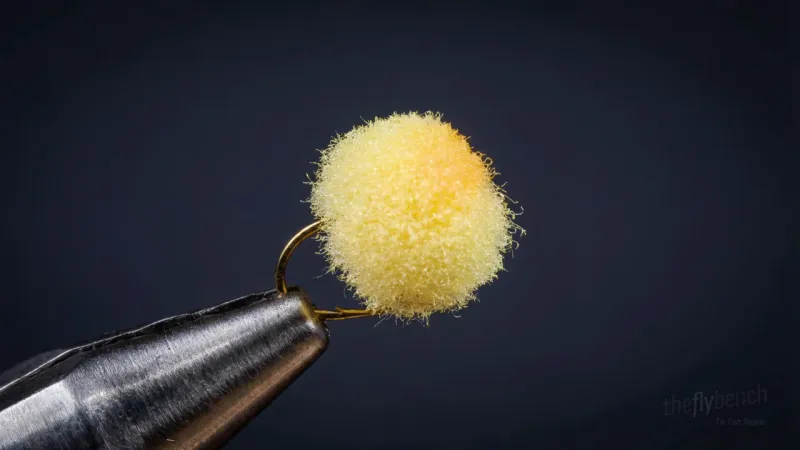
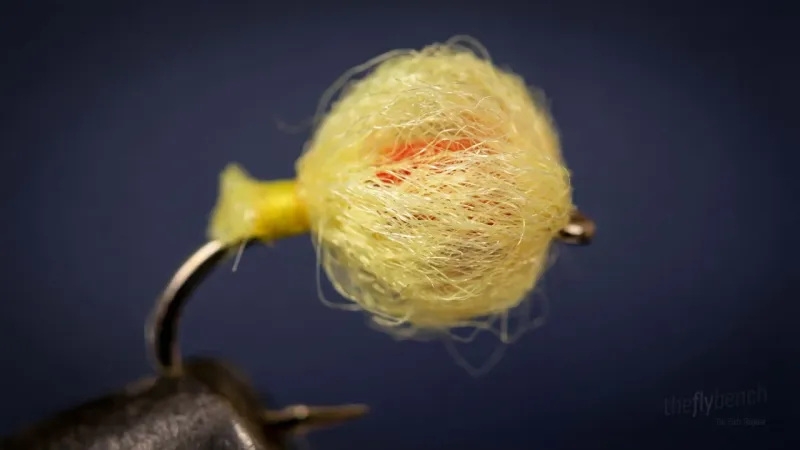
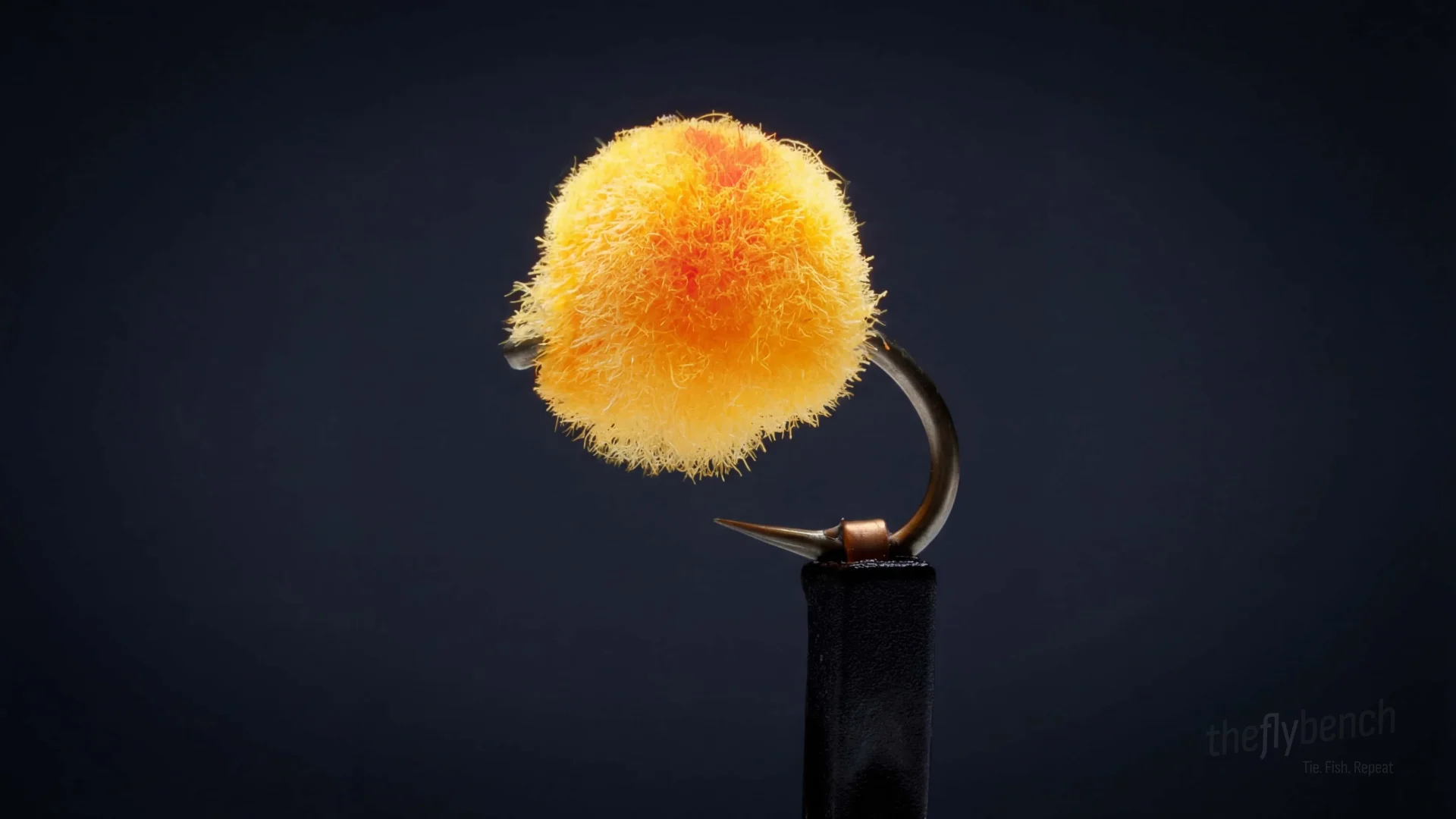
This egg imitation is made by tightly wrapping and trimming Glo-Bug Yarn into a round egg shape. Commonly tied in pink, orange, or chartreuse, sometimes with a red “blood dot.” Used for steelhead, trout, and salmon in spawning streams.
Where to Buy This Fly
We only link to fly shops we trust. Some links are referral links, which may earn us a commission at no extra cost to you.
Materials
- Hook:
- Tiemco 3769, size #12–#14
- Thread:
- Fire Orange, 6/0
- Body:
- Glo Bug Yarn in various colors
- Yoke/blood dot:
- micro glo-bug yarn, contrasting color.
Behavior & Presentation
Natural Behavior: Individual eggs drift and tumble through spawning gravels, sinking slowly due to their weight while rolling naturally with current. Dislodged by redd-digging activity and current fluctuations, they create calorie-dense feeding opportunities that fish exploit aggressively.
Where Trout Eat It: Fish intercept drifting eggs near the bottom in gravel runs, tail-outs, and pools below spawning activity.
How to Fish It: Bounce along the bottom with dead drift, allowing natural tumbling movement.
Best Water: Most effective in gravel runs, tail-outs, and pools directly below spawning redds where eggs concentrate in the drift.
Strike Type: Watch for indicator dips or subtle resistance during the drift as fish intercept the egg.
Fishing Strategy
Rigging Suggestions: Use 4X or 5X tippet with a 7.5 to 9-foot leader. Pair with a small beadhead nymph 18-24 inches below to add weight and offer a secondary target. Use enough split shot to maintain bottom contact.
Seasonal Timing: Most effective during spawning runs from March through May and spawning from September through November when trout, salmon, and steelhead are depositing eggs and resident fish feed heavily on drifting eggs.
Pro Tips: Bright colors like chartreuse, pink, and orange are most visible. The Glo Bug's yarn material creates realistic egg texture and movement. Focus on water directly below spawning areas where eggs naturally drift.
Entomology
Fish eggs drift individually or in small clusters through spawning gravels and downstream riffles, tumbling naturally with current and sinking slowly due to their weight and spherical shape. During salmon and trout spawning runs, eggs become dislodged by redds being dug, other spawning fish, or current fluctuations, creating a seasonal feeding opportunity that trout, char, and resident fish exploit aggressively due to the eggs' pure protein and fat content. The bright coloration of fresh eggs makes them highly visible even in stained or high water, and fish will hold in specific feeding lanes below spawning beds to intercept this calorie-dense drift with minimal energy expenditure.
- Organism Type
- egg
- Life Stage
- egg