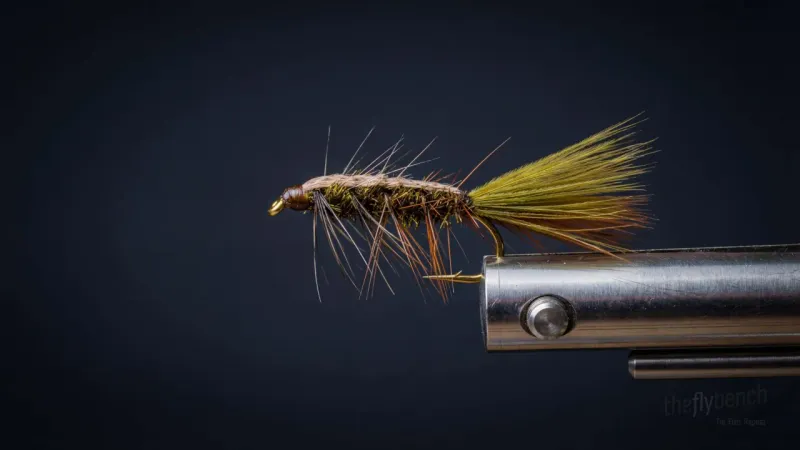
Dry FliesClassic Green Drake
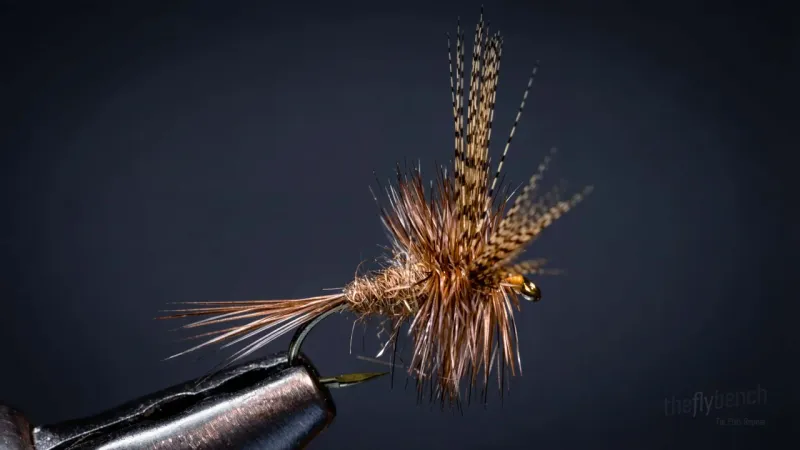
The Classic Green Drake is a well-known and highly effective dry fly pattern. This fly is used to mimic the Green Drake mayfly, a significant source of food for fish, especially trout, during its hatch. Its close resemblance to the Green Drake's size and color makes it irresistible to fish.
Summer
Intermediate
Trout
Apr 2025
Overview
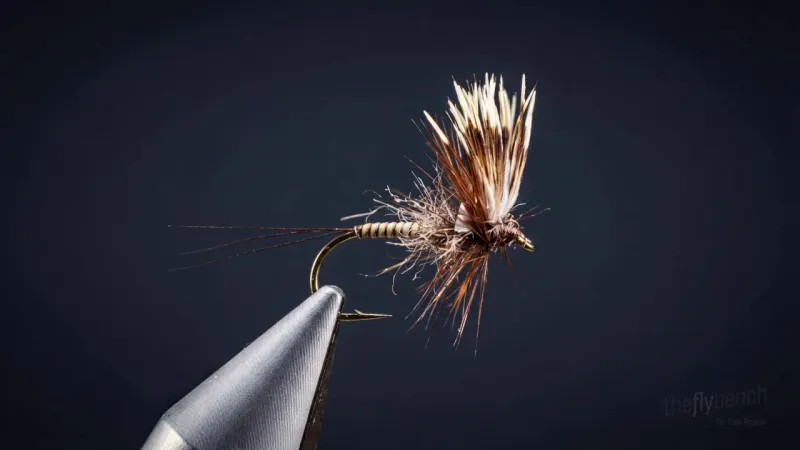
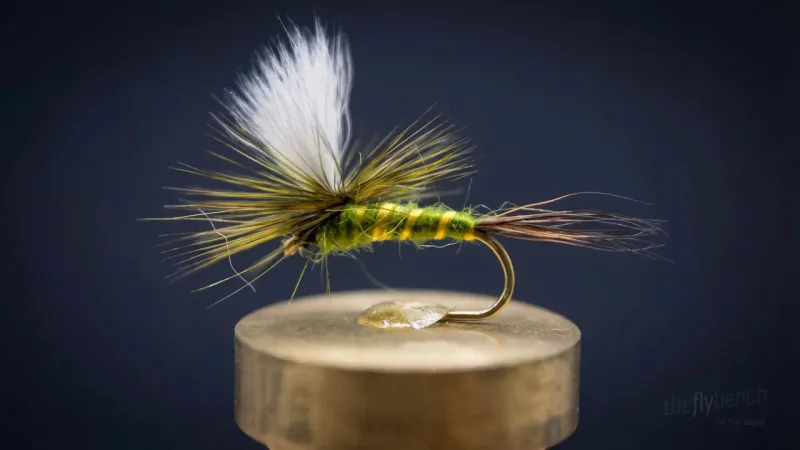
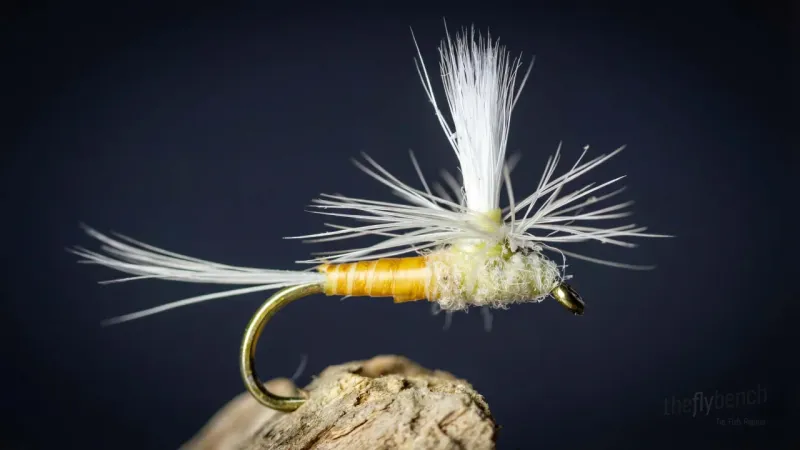
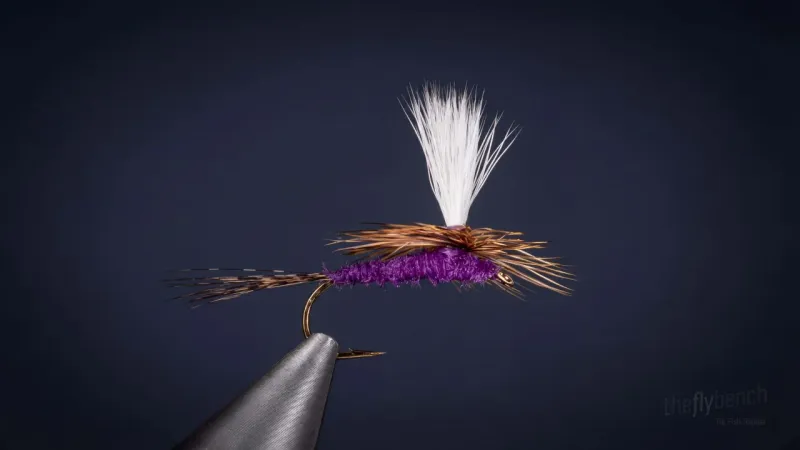
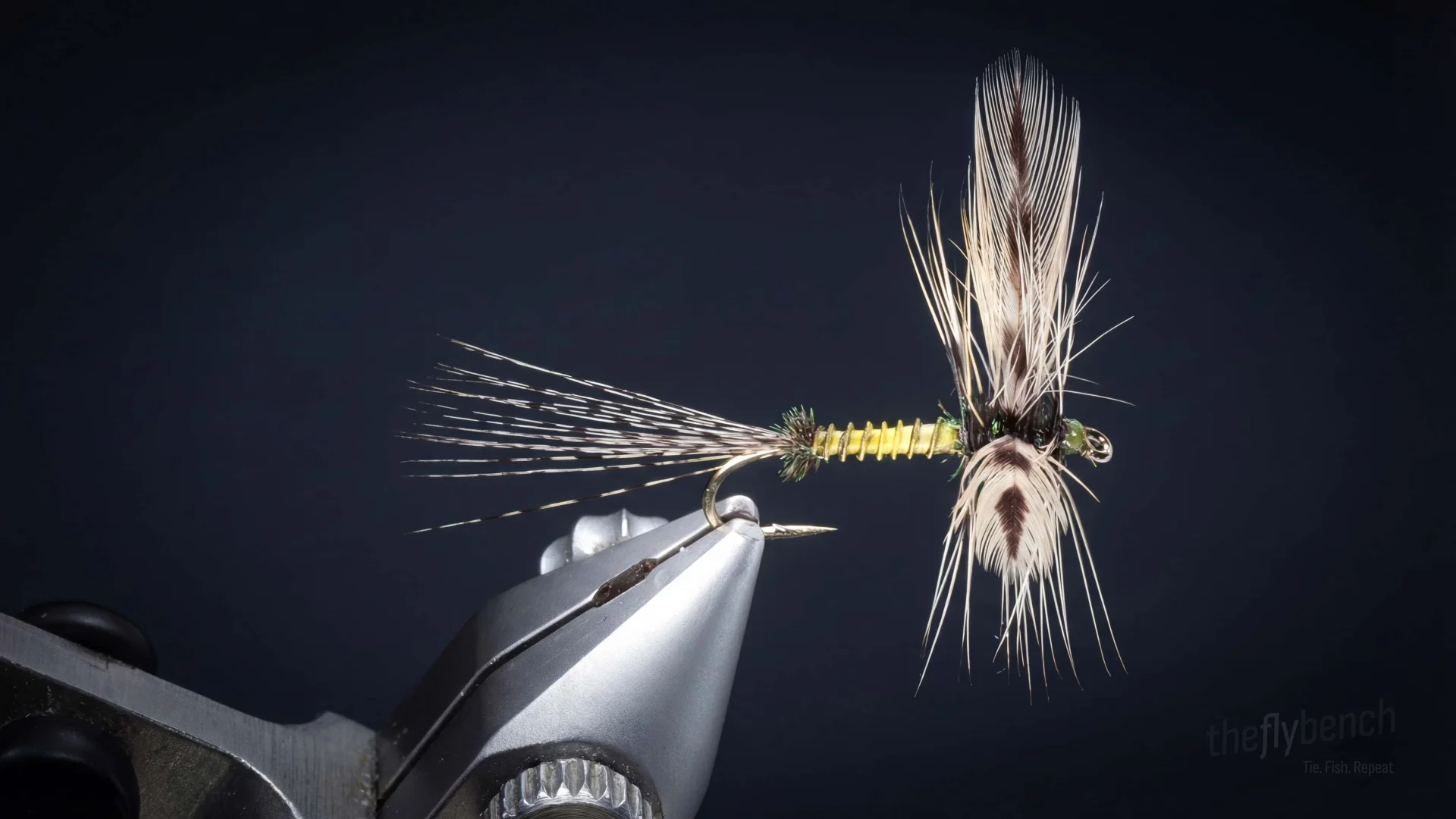
This traditional mayfly pattern features a dubbed or biot body, turkey or mallard wings, and a bushy hackle collar. The hook size and profile imitate large Drunella species during the spring and early summer hatches. Often tied on long-shank dry fly hooks with olive, brown, or green tones.
Where to Buy This Fly
We only link to fly shops we trust. Some links are referral links, which may earn us a commission at no extra cost to you.
Materials
- Hook:
- Tiemco 100, size #10–#14
- Thread:
- Olive Dun, 6/0
- Tail:
- Moose body hair
- Body:
- Olive dubbing
- Wing:
- Grey mallard flank
- Hackle:
- Grizzly and brown
Behavior & Presentation
Natural Behavior: Large mayfly duns float prominently on the surface film, wings held upright as they drift slowly through productive lanes. Their substantial size makes them high-value targets during the brief emergence window.
Where Trout Eat It: Fish rise confidently in runs, glides, and tail-outs where green drakes concentrate during the hatch.
How to Fish It: Drag-free drift is essential—the large profile magnifies any unnatural movement. Cast upstream and mend to extend natural float.
Best Water: Focus on glides with moderate current, tail-outs where drakes collect, and slicks during peak emergence.
Strike Type: Aggressive rises with audible slurps as fish capitalize on the season's largest mayfly.
Fishing Strategy
Rigging Suggestions: Use a 9-foot leader with a 5X tippet for best results.
Seasonal Timing: The best time to use the Classic Green Drake is during the when the Green Drake mayflies are hatching. Use the Classic Green Drake when you notice fish feeding on the surface during a Green Drake hatch.
Pro Tips: The Classic Green Drake is a high floating fly with good visibility due to its size and the Grey mallard flank wings. A bit of floatant will help maintain buoyancy.
Entomology
Large green drake adults settle heavily onto the water surface after emergence, their substantial bodies creating visible disturbances as they rest and dry their oversized wings before flight. Trout feed aggressively on these big mayflies because a single drake provides significantly more nutrition than smaller insects, justifying the energy expenditure of a confident rise. The predictable annual emergence timing and concentrated hatches create memorable feeding frenzies where even large, cautious fish abandon cover.
- Order
- Ephemeroptera
- Common Name
- Mayfly
- Organism Type
- insect
- Life Stage
- adult