

Overview
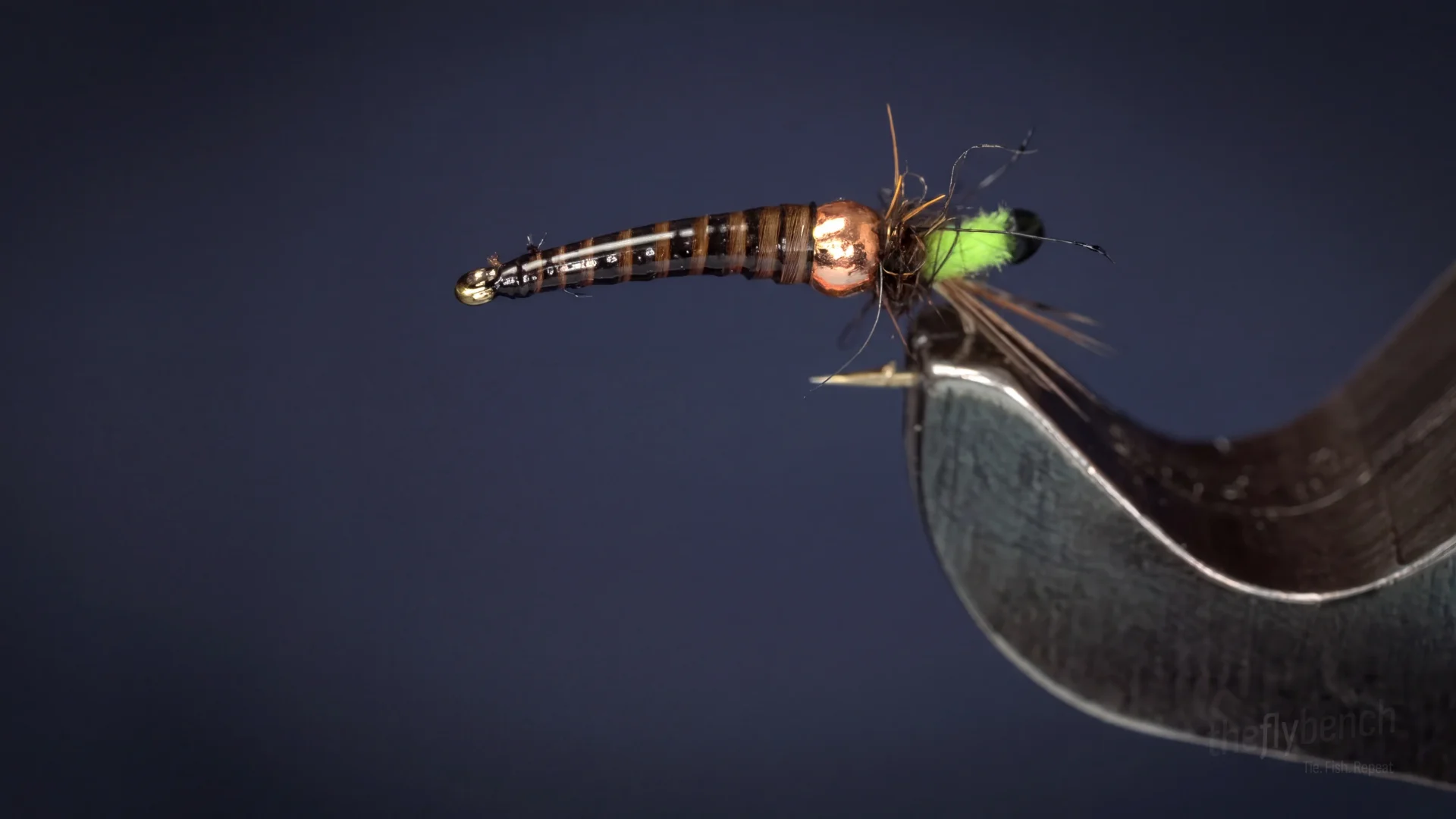
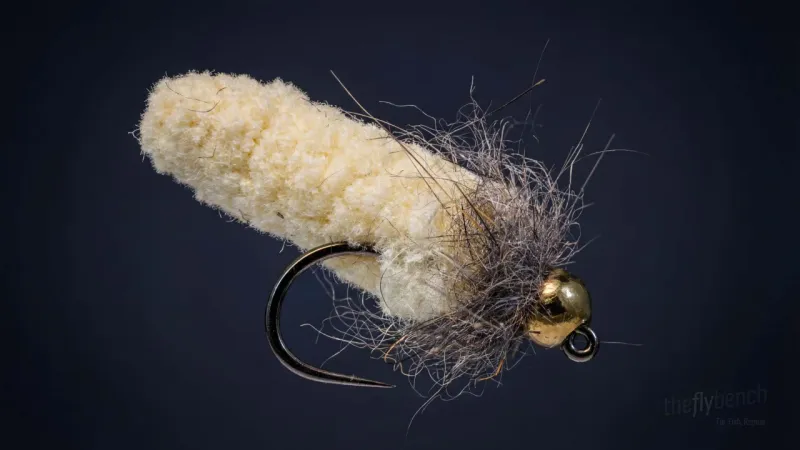
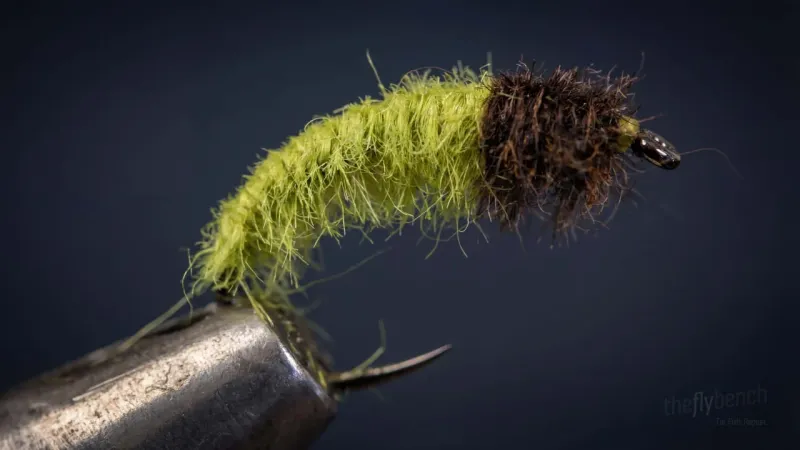
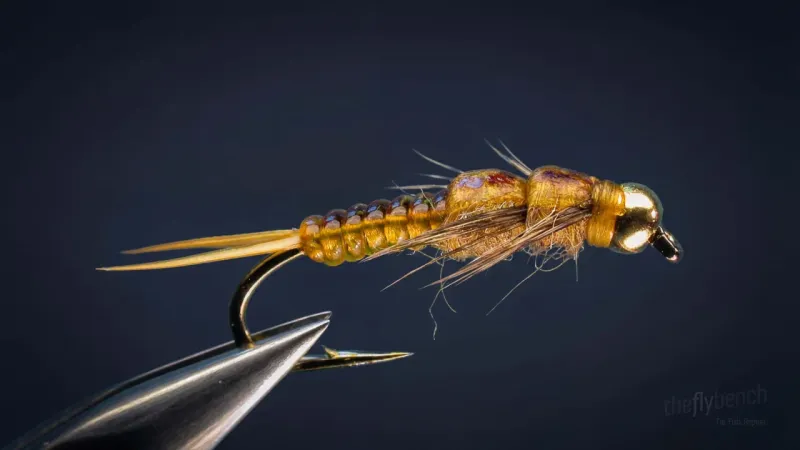
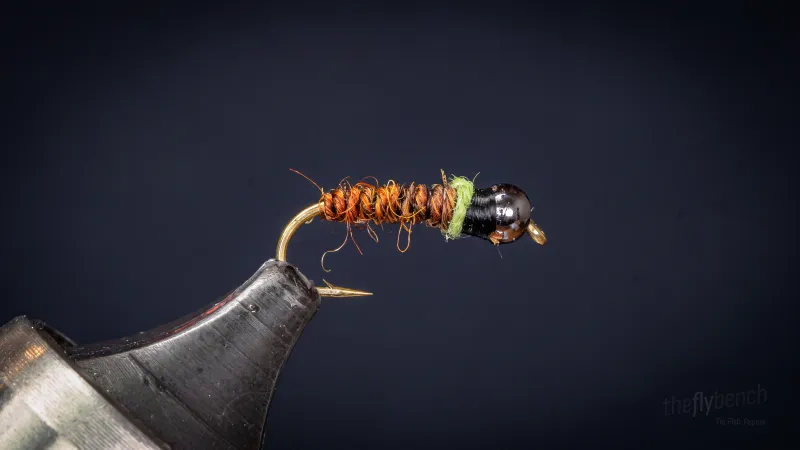
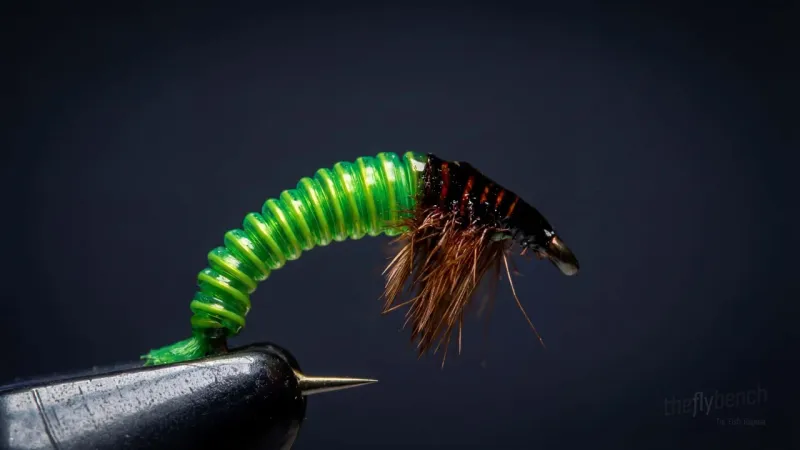
Eli Gonzales, a Semperfli Pro Team tyer, worked this fly out over several seasons after finding cased caddis of one particular size under the rocks of a southern Colorado river, and tied it for AvidMax's Tying Tuesday in April 2026. Taper the dubbing so the case is fattest at the rear, then wrap the quill and seal it with Solarez Bone Dry for a hard, segmented finish.
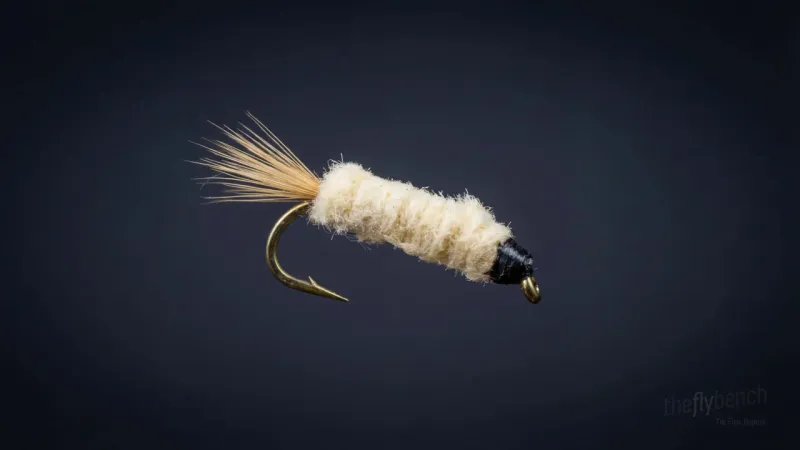
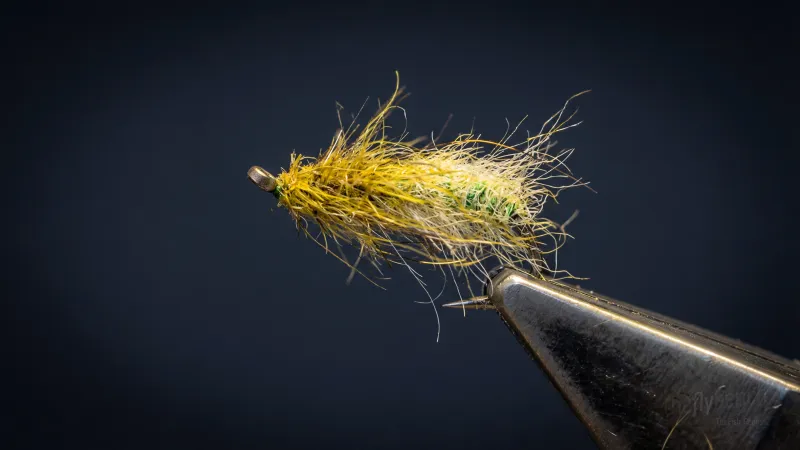
Related patterns

Behavior & presentation
- Natural Behavior
- Cased caddis larvae haul tubes of sand and plant bits over the stones with only the head and legs showing, and when the current lifts one off the rock it tumbles along the bottom, heavy and unable to swim.
- Where Trout Eat It
- Trout pick dislodged cases off the streambed in cobble riffles and take them a few inches above the stones in the deeper runs below.
- How to Fish It
- Let the tungsten bead carry it to the bottom and roll it through drag-free, either on a tight line with the sighter just off the water or under an indicator set deep enough to tick rocks.
- Best Water
- Riffle drop-offs, the inside seam of a run, pockets behind boulders, and the gravel lip of a tail-out where loose cases collect.
- Strike Type
- Takes come as a brief stop or slight upstream twitch of the sighter or indicator that is easy to mistake for bottom, so set on any pause.
Fishing strategy
- Rigging Suggestions
- Fish it as the point fly on a euro rig with a lighter mayfly or midge nymph on a tag 18 to 20 inches up, or as the lower fly under an indicator on 5X tippet. Add a small split shot in fast water until it reaches the bottom.
- Seasonal Timing
- Cased caddis live on the streambed all year, so it fishes in every month; it is most useful in spring before the caddis hatches start and through the cold months when trout have little else to eat.
- Pro Tips
- Collect a few cases from the river you fish and match the dubbing color and fly size to them, as the designer did. Keep the green collar short so it reads as the larva's head and not a second body.
Entomology
Case-building caddis larvae bind sand grains, small pebbles or plant pieces into a portable tube and crawl over the stones grazing on algae and detritus. High flows and the larvae's own movements knock them loose, and drifting larvae are eaten case and all by trout throughout the year.
- Order
- Trichoptera
- Common name
- Cased Caddis
- Organism
- insect
- Life stage
- larva
Pattern details
- Moving Water
- Rocky Mountain
- dead-drift
- tight-line-nymph
- indicator-nymph
- caddis-hatch
- freestone
- cold-water
- modern