Overview
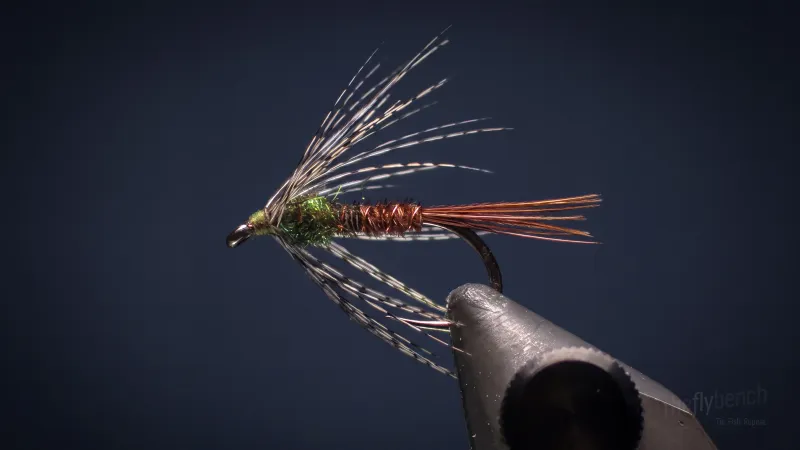
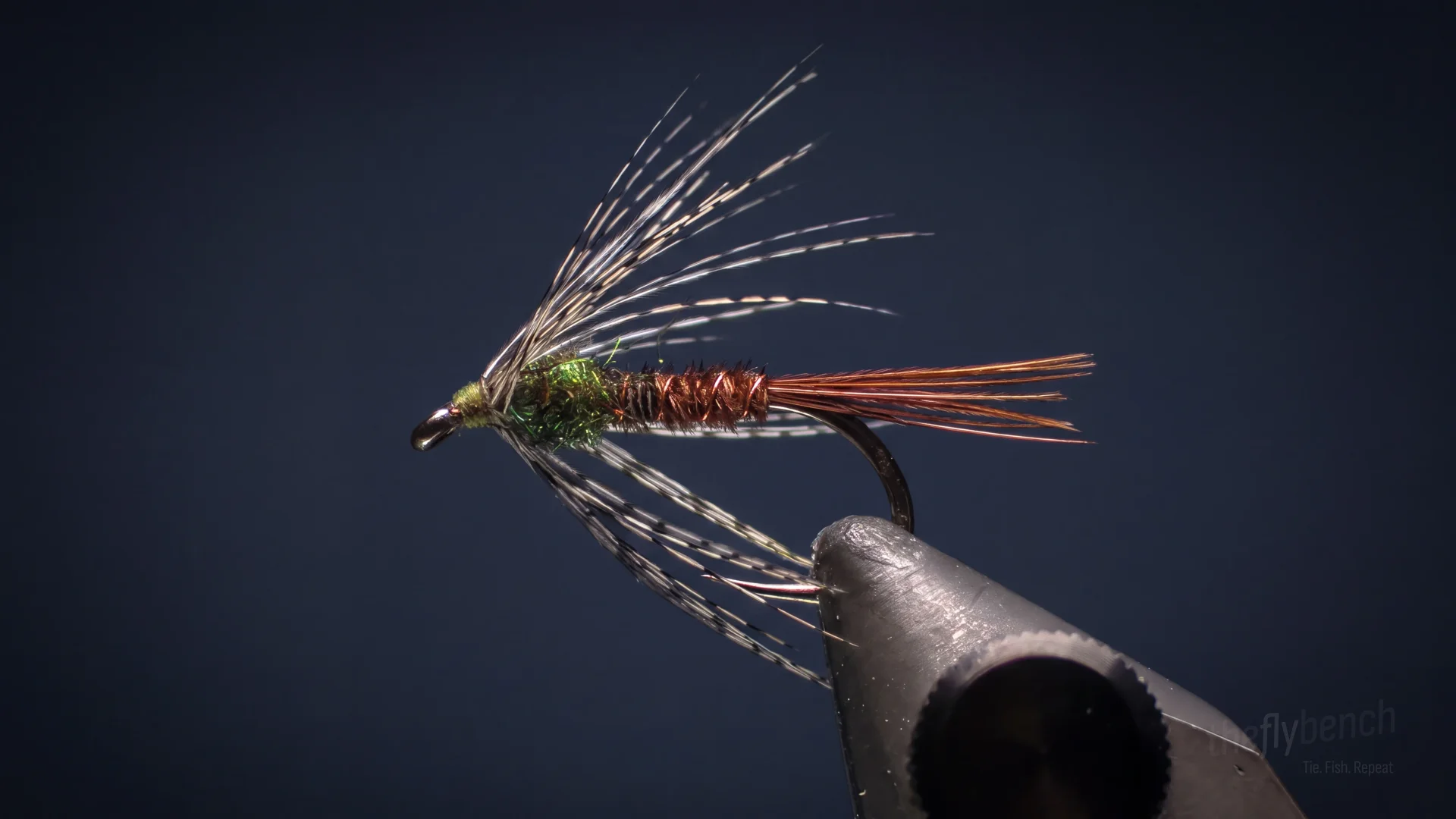
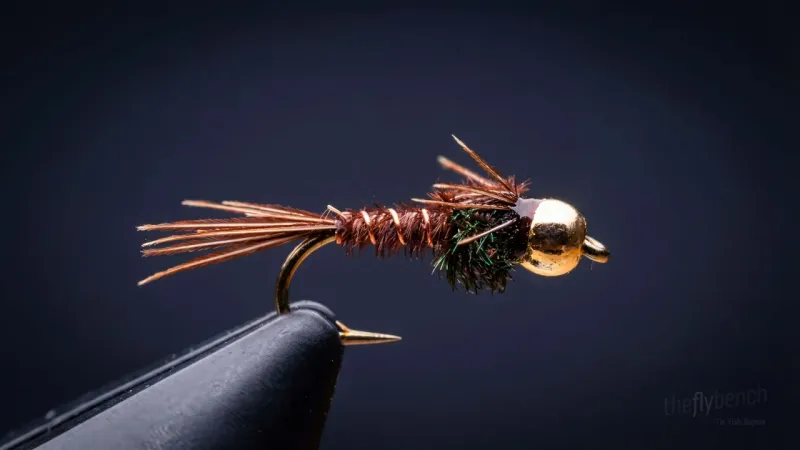
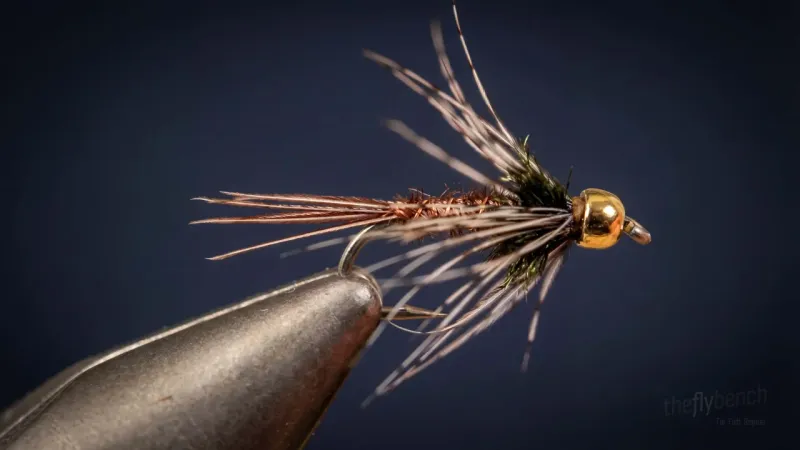
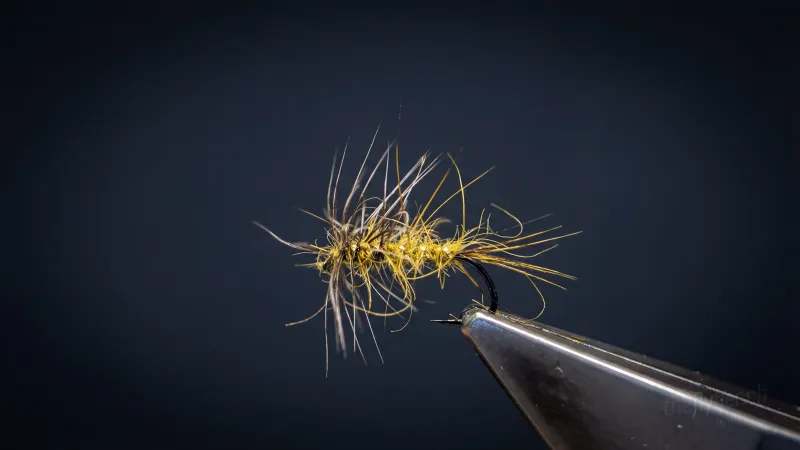
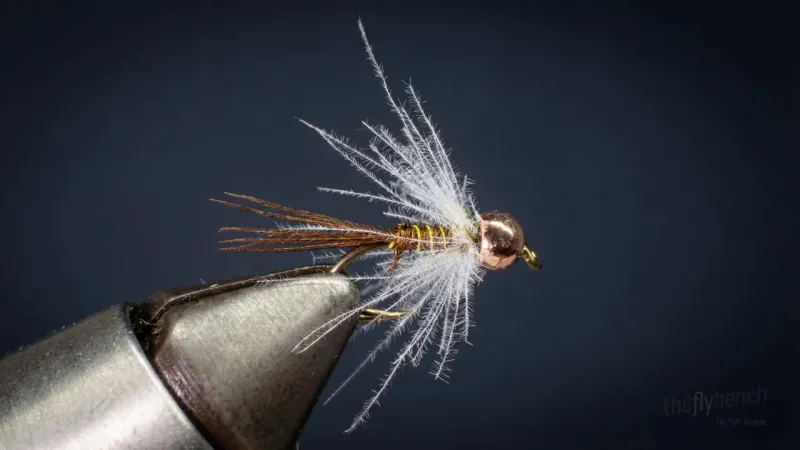
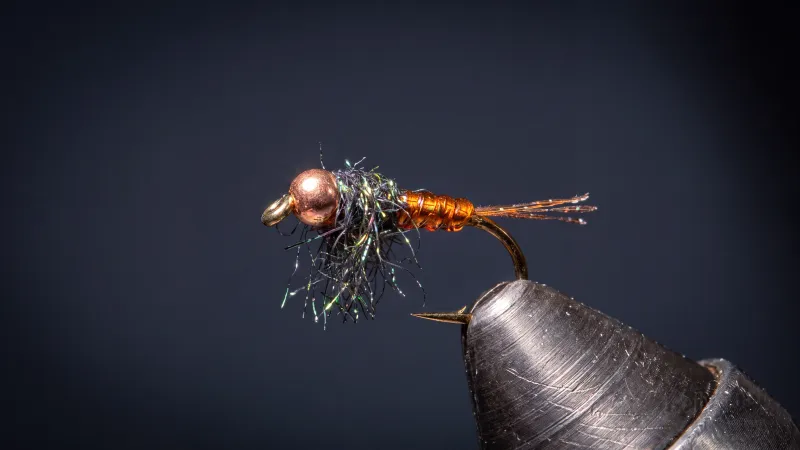
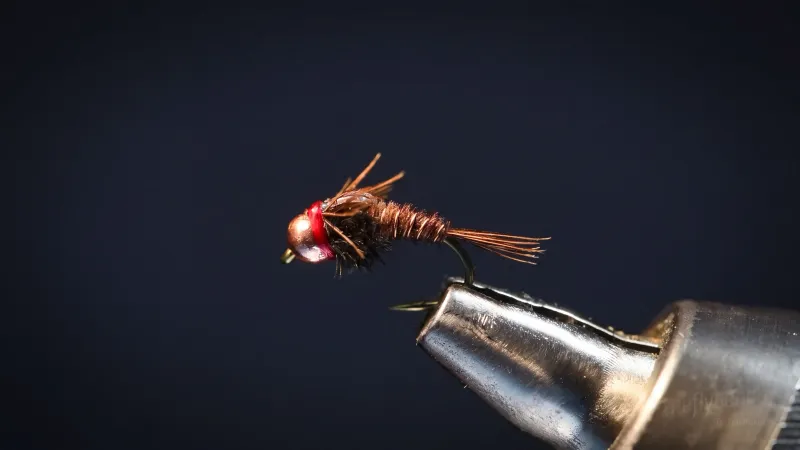
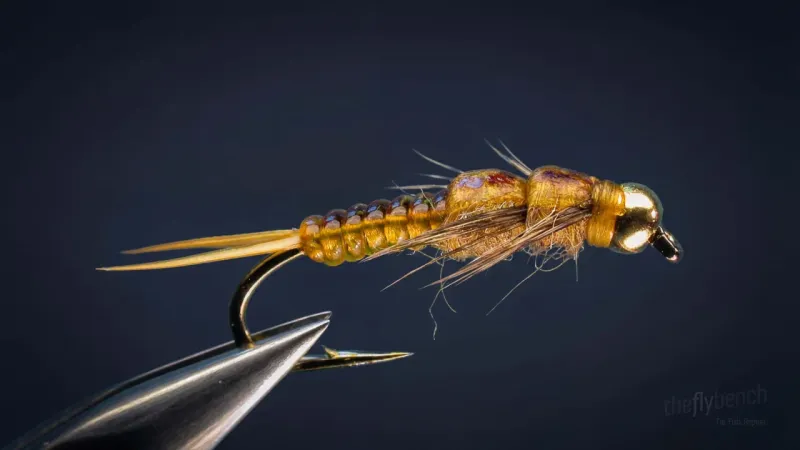
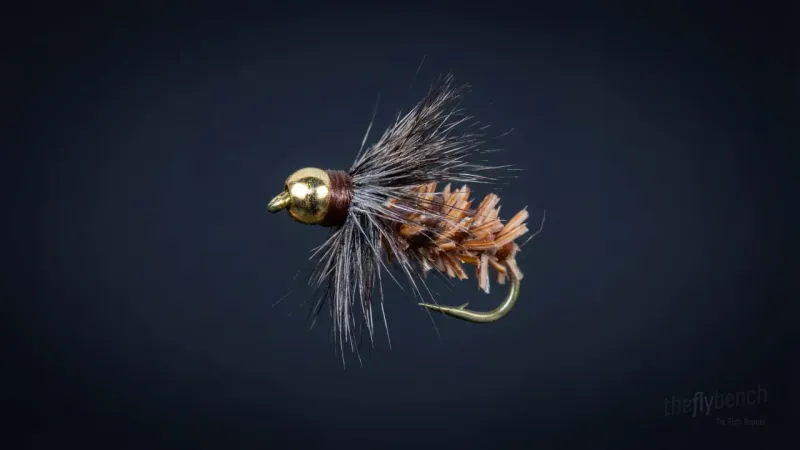
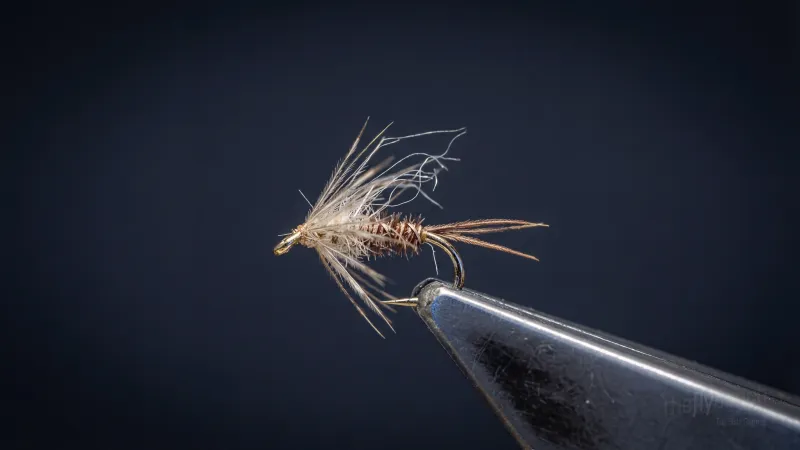
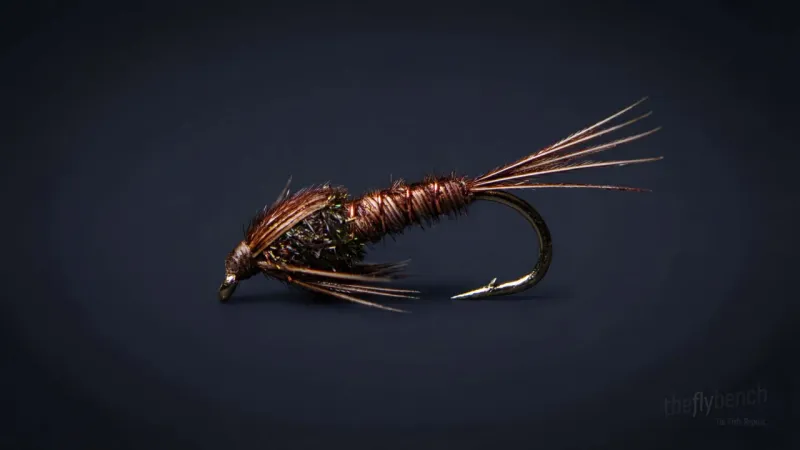
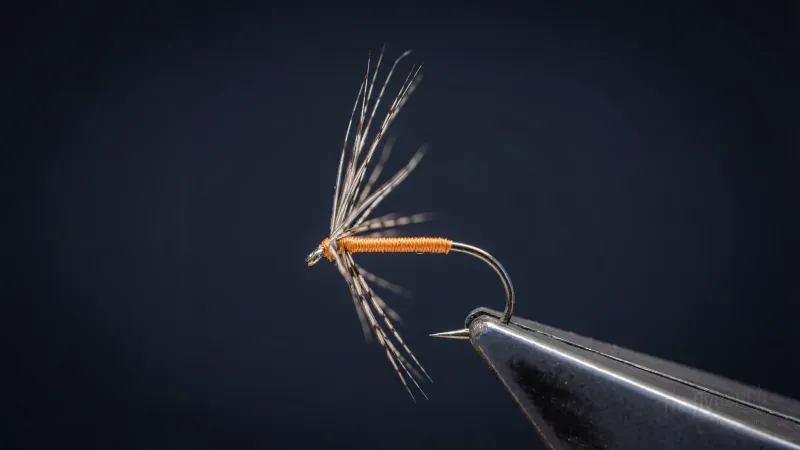
This version comes from Dakota Angler & Outfitter, who based it on the book Pheasant Tail Simplicity; Yvon Chouinard, who wrote its first chapter, has said a size 14 partridge and pheasant tail soft hackle would be his one fly. "Flymph" is the Leisenring and Hidy term for a wet fly fished in the zone between nymph and dun. With no bead, it rides high in the drift. Tie the partridge slightly longer than the abdomen, or longer still for more movement.
Related patterns
Behavior & presentation
- Natural Behavior
- Mayfly nymphs let go of the bottom and swim up toward the film before a hatch, legs trailing and shucks starting to split as they near the top.
- Where Trout Eat It
- In the upper half of the water column and just under the film, where trout hold in the current and intercept nymphs rising toward the surface.
- How to Fish It
- Cast across and slightly down, then let it swing on a tight line, lifting the rod as it comes around so the partridge pulses and the fly climbs. When a swing gathers too much slack, let it sink and dead-drift instead.
- Best Water
- The tail-out of a run, soft seams beside faster current, and riffle drop-offs where trout move up to take emergers just before rising.
- Strike Type
- Firm, often aggressive grabs at the end of the swing or during the lift, felt as a sharp tug on the line rather than a visual cue.
Fishing strategy
- Rigging Suggestions
- Fish it on a 9-foot 5X leader with no added weight, alone or as the point fly with a second soft hackle 18-24 inches up the leader. It also works as an unweighted dropper behind a dry fly or below a heavier beadhead nymph.
- Seasonal Timing
- Most productive from April through October whenever mayflies are hatching, especially in the hour before duns appear on the surface. Sizes 12-18 cover most hatches.
- Pro Tips
- Keep the rod low and the line tight through the swing so you feel the take. If fish are rising but refusing dries, swing this just under the film through the same lane.
Entomology
Mayfly nymphs leave the streambed and swim or drift toward the surface as a hatch begins, splitting their shucks just under the film. Trout feed hard on them in this stage because the insects are exposed and slow to escape.
- Order
- Ephemeroptera
- Common name
- Mayfly
- Organism
- insect
- Life stage
- emerger
Pattern details
- Moving Water
- Worldwide
- swing
- dead-drift
- soft-hackle-family
- pheasant-tail-family
- classic
- beginner-friendly
- dry-dropper