


Overview
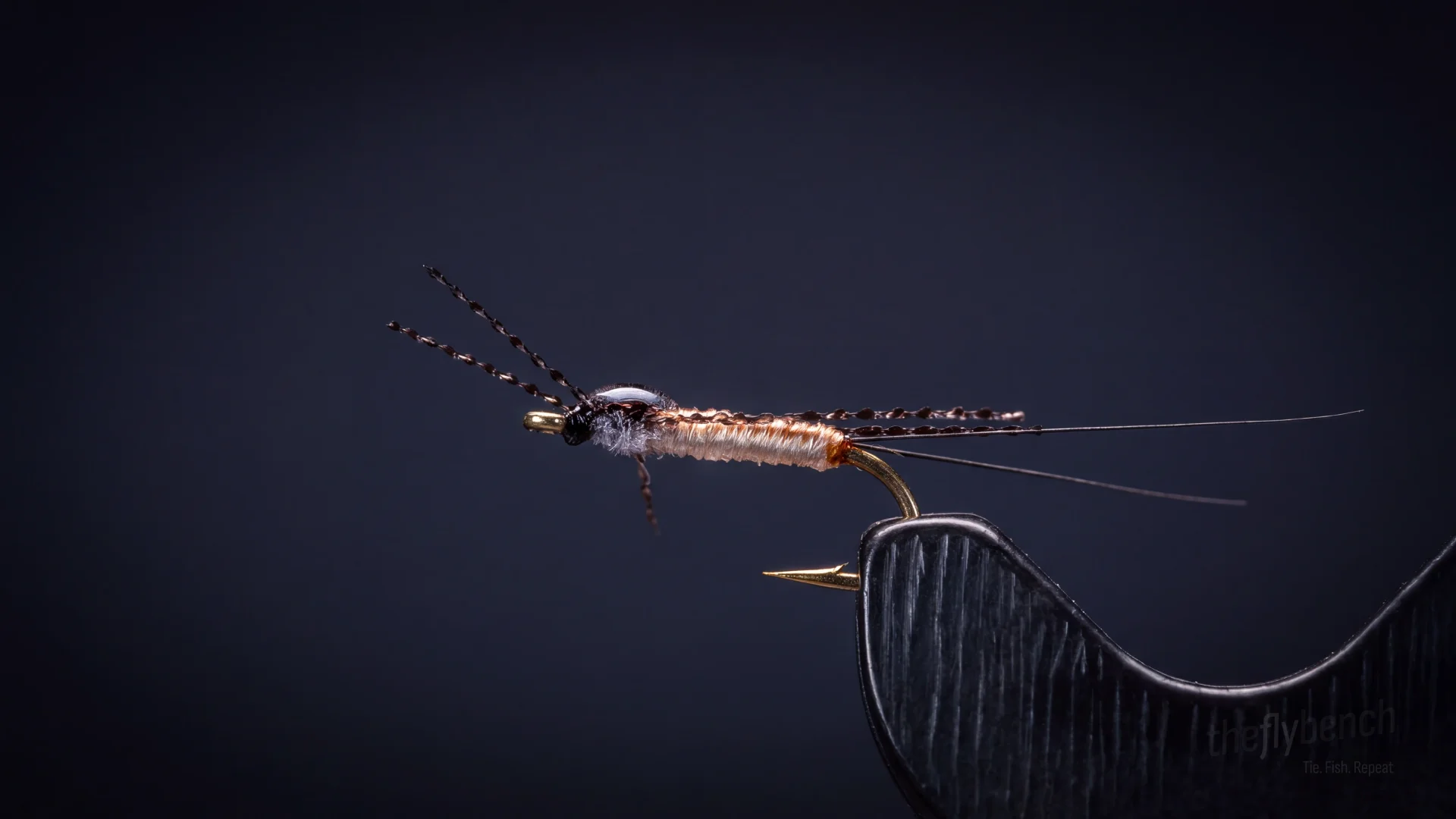
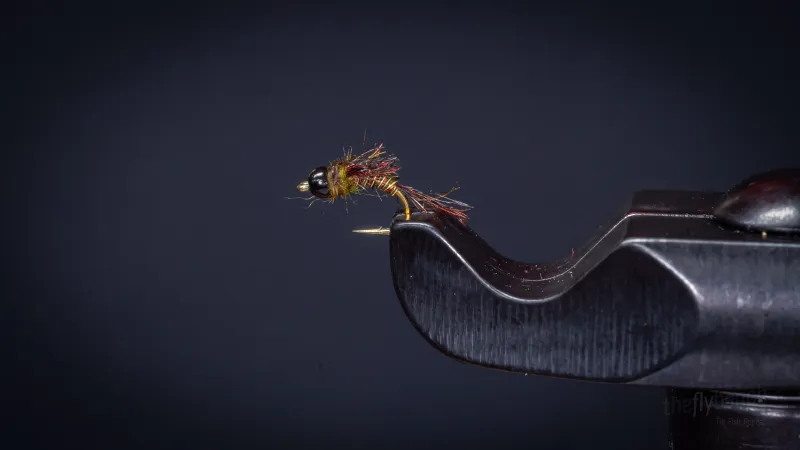
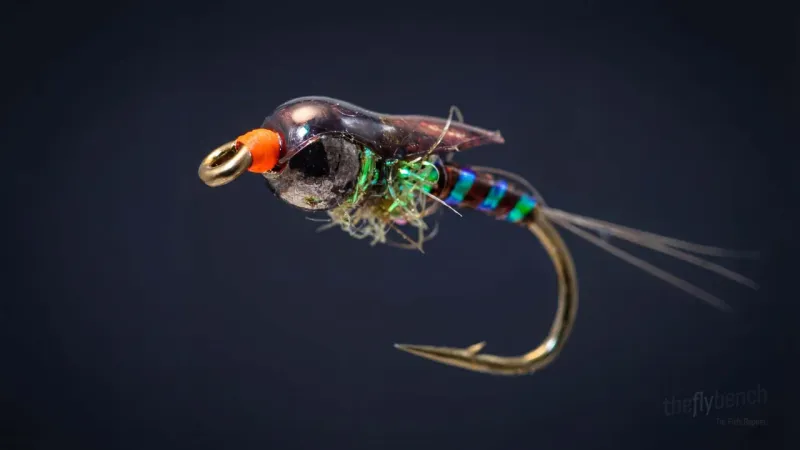
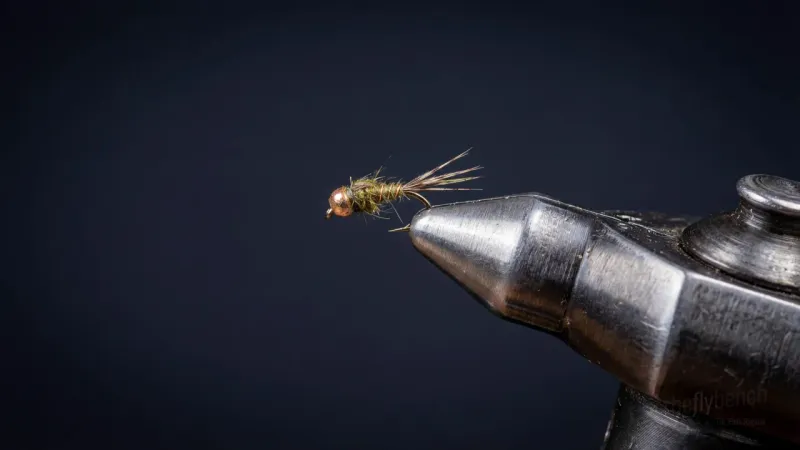
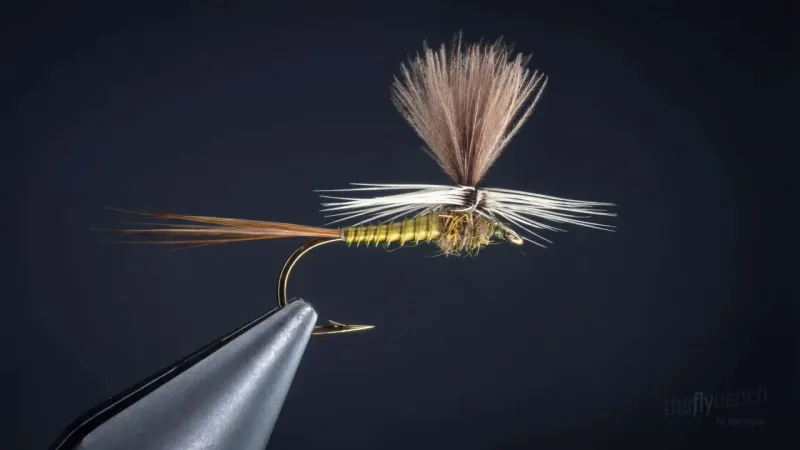
Umpqua sells the Fifty Fifty Baetis under Michael Benedik's name, and he tied it for AvidMax's Tying Tuesday series in 2026. The name refers to the split coloring: a dark back over a light belly, the way real Baetis nymphs look in the water. Benedik builds a white 16/0 thread base, colors it, then slips clear tubing over it and adds knotted flash legs. It carries no bead, so it rides high behind a heavier fly.
Related patterns
Behavior & presentation
- Natural Behavior
- Baetis nymphs are quick, minnow-like swimmers that flick their tails to dart between stones. In the hours before a hatch they let go of the bottom in numbers and wriggle toward the surface.
- Where Trout Eat It
- Trout hold in the middle and upper water column of riffle-fed runs and pick off rising nymphs as the hatch builds.
- How to Fish It
- Run it as the unweighted trailer behind a beaded nymph, dead-drifted under a small indicator, then let it lift at the end of the drift like a nymph swimming up.
- Best Water
- Seams below riffles, gravel tail-outs, and the soft edges of weed beds on tailwaters and spring creeks.
- Strike Type
- Takes come as a short dip or sideways slide of the indicator, often right as the fly starts to rise at the end of the swing.
Fishing strategy
- Rigging Suggestions
- Tie it 12-16 inches off the bend of a tungsten nymph on 6X fluorocarbon, or hang it 18 inches under a dry when trout are feeding high. Add no extra weight to the fly itself so it keeps its slim, drifting posture.
- Seasonal Timing
- Fish it March through May and September through November, when Blue-Winged Olives hatch on cool, cloudy afternoons. Mild winter days on tailwaters can bring short Baetis hatches too.
- Pro Tips
- Start fishing it an hour before the first duns show. If trout refuse it in clear water, drop down a tippet size rather than changing flies; the thin body is already about as sparse as a size 18 gets.
Entomology
Baetis nymphs are small, streamlined swimmers that live among gravel and weeds in riffles and runs. They drift often, and before a hatch they swim to the surface in large numbers. Their backs are darker than their undersides, a contrast trout can see from below.
- Order
- Ephemeroptera
- Family
- Baetidae
- Common name
- Blue-Winged Olive
- Organism
- insect
- Life stage
- nymph
Pattern details
- Moving Water
- Rocky Mountain
- dead-drift
- indicator-nymph
- baetis-hatch
- modern
- low-clear-water
- tailwater