Dry FliesSchroeders Parachute Hopper
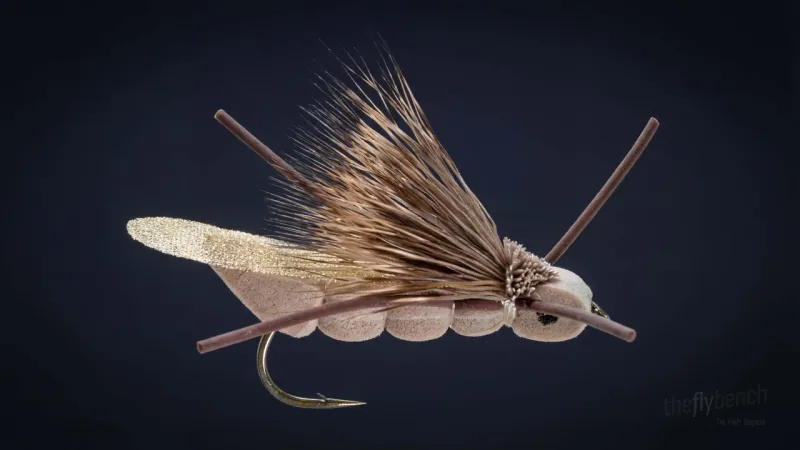
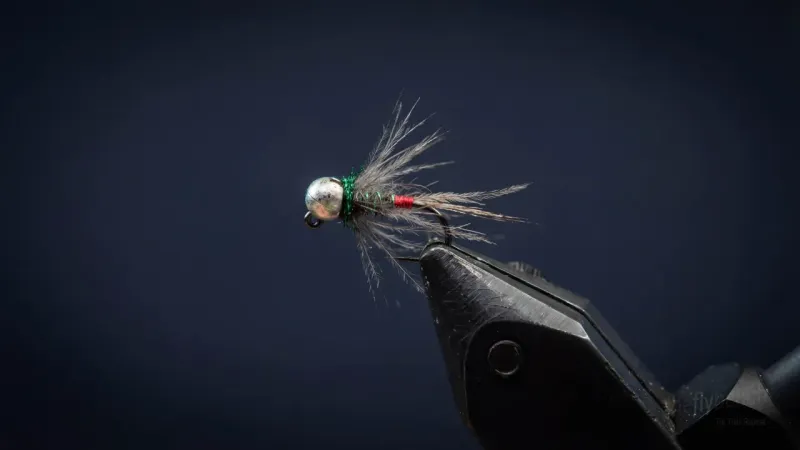
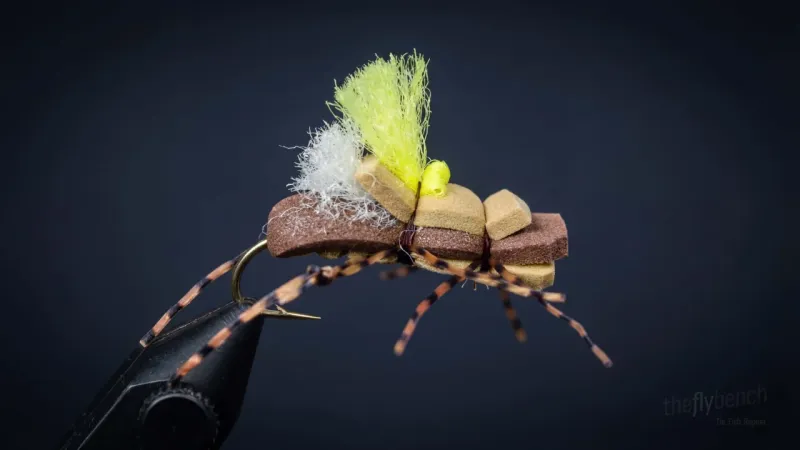
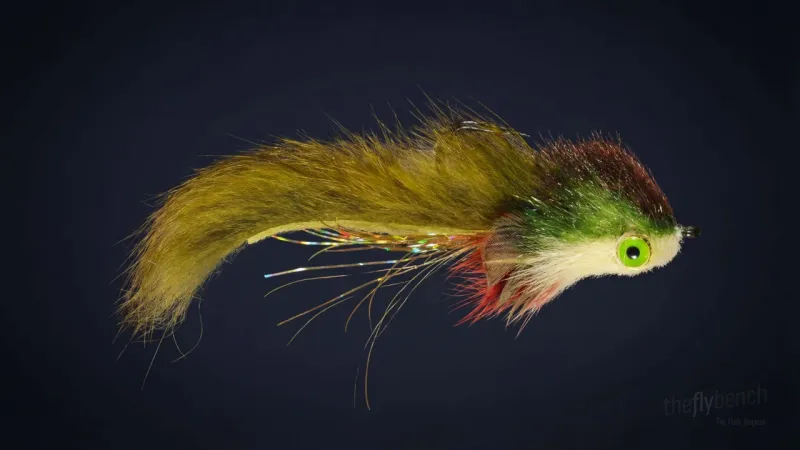
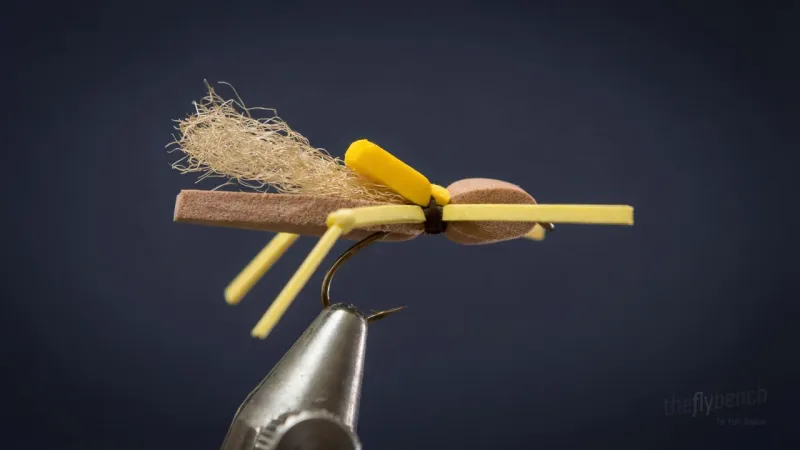
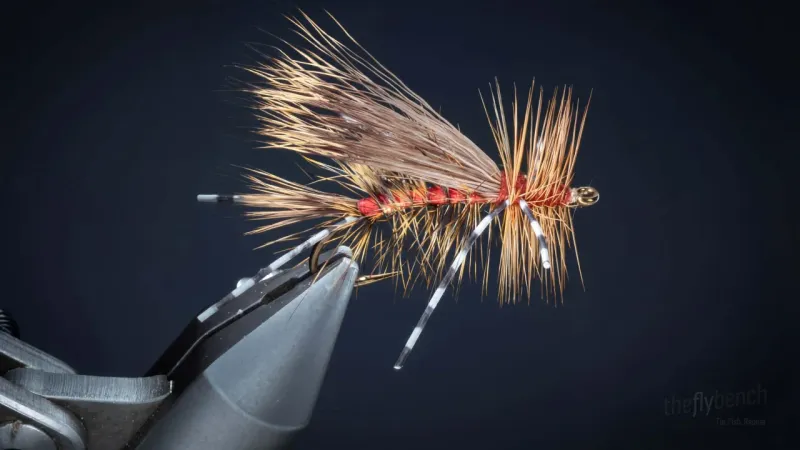
The Parachute Hopper is a highly visible and effective terrestrial dry fly pattern. Its design imitates a grasshopper fallen into the water, which is a tempting meal for many species of fish.
Summer
Intermediate
Trout
Apr 2025
Overview
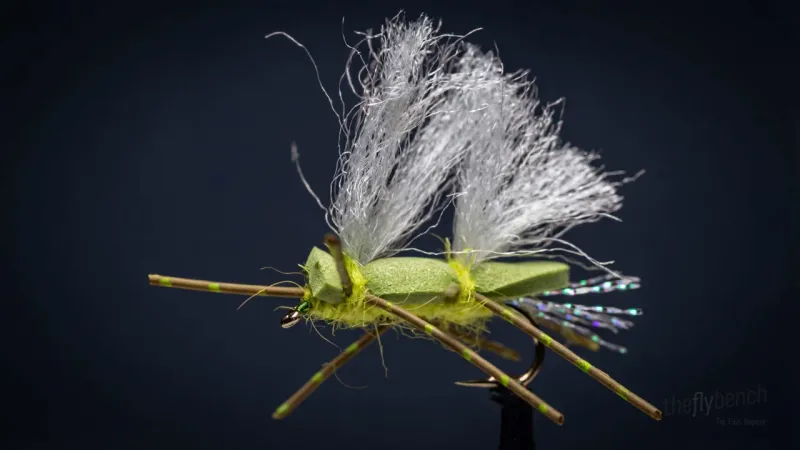
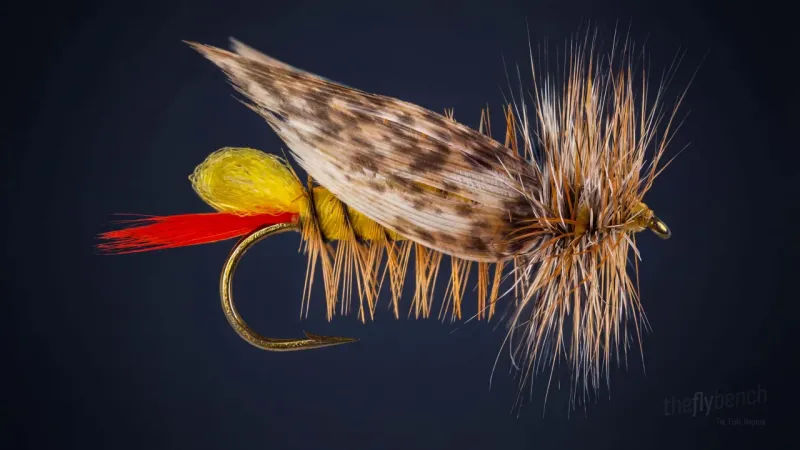
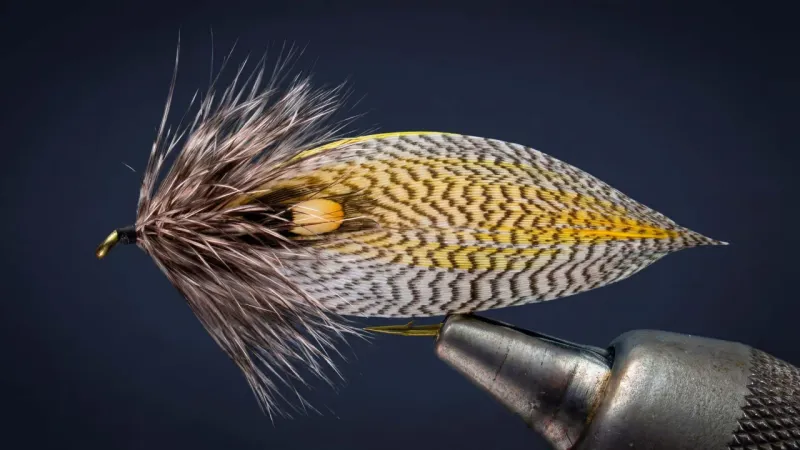
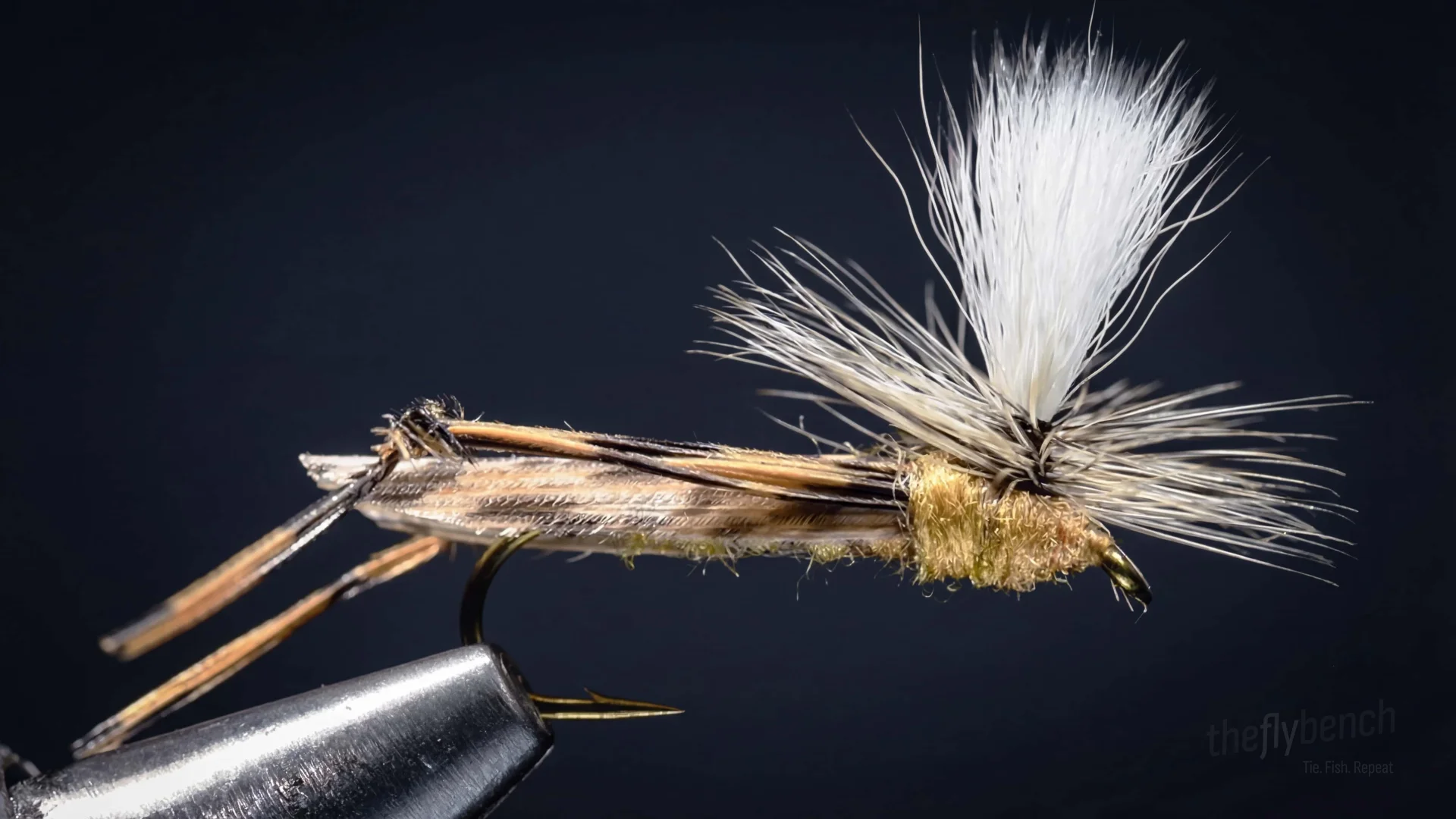
This realistic hopper pattern features a dubbed body, segmented with fine wire, rubber legs, and a parachute-style hackle tied around a white post for visibility. The deer hair wing and slightly upturned body profile mimic a natural hopper struggling on the surface.
Where to Buy This Fly
We only link to fly shops we trust. Some links are referral links, which may earn us a commission at no extra cost to you.
Materials
- Thread:
- Tan Veevus 14/0
- Post:
- White Calf Body Hair
- Body:
- Yellow and Ginger Antron Dubbing
- Rib:
- Brown Superfloss
- Wing:
- Ozark Mottled Turkey Quill
- Legs:
- Pheasant
- Hackle:
- Cree or Grizzly Rooster Cape or Saddle
Behavior & Presentation
Natural Behavior: Grasshoppers drop from bankside grasses during midday heat or windy conditions, landing with a distinctive plop. They float awkwardly with legs kicking, attempting to swim toward shore while drifting through feeding lanes.
Where Trout Eat It: Trout cruise grass edges, undercut banks, and foam lines where terrestrials concentrate after dropping from vegetation.
How to Fish It: Dead drift tight to grass edges and undercut banks. Subtle twitches can trigger strikes when fish are hesitant to commit.
Best Water: Work grass edges, undercut banks, and foam lines where terrestrials collect. Slack water pockets near vegetation hold cruising fish.
Strike Type: Watch for visible rises or explosive surface takes; set the hook at the sight of the strike with a smooth lift.
Fishing Strategy
Rigging Suggestions: Fish solo on 7.5-9 foot leader with 4X or 5X tippet, or use as indicator in hopper-dropper setup with nymph 18-30 inches below.
Seasonal Timing: July through September, with peak effectiveness from mid-July through August when grasshoppers are abundant along stream banks.
Pro Tips: The parachute design provides excellent visibility and floatation. Apply floatant to hackle and poly wing. Upsize to #8-10 on windy days, downsize to #12-14 in calm conditions or for selective fish. The loud splat of a hopper hitting water can actually attract fish.
Entomology
Grasshoppers tumble clumsily into the water from bankside grasses and agricultural fields, kicking their powerful hind legs frantically while attempting unsuccessfully to escape the surface tension. Fish respond explosively to hoppers because these large terrestrials represent prime feeding opportunities during late summer and early fall, triggering aggressive surface strikes even from otherwise cautious trout.
- Order
- Orthoptera
- Family
- Acrididae
- Common Name
- Grasshopper
- Organism Type
- terrestrial
- Life Stage
- adult