




Overview
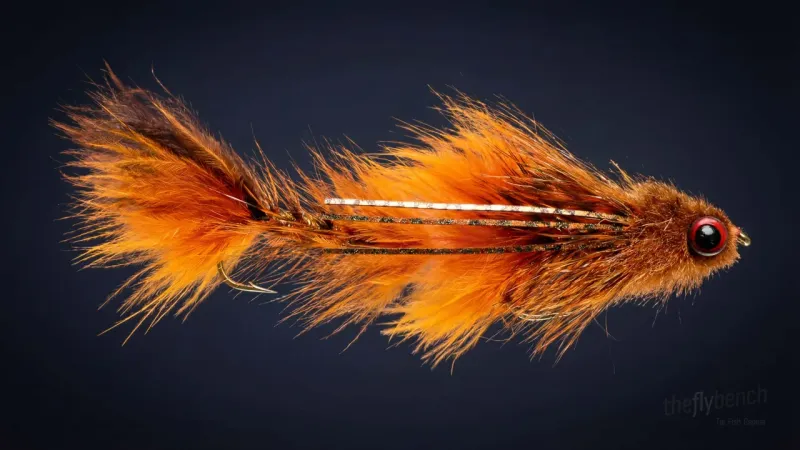
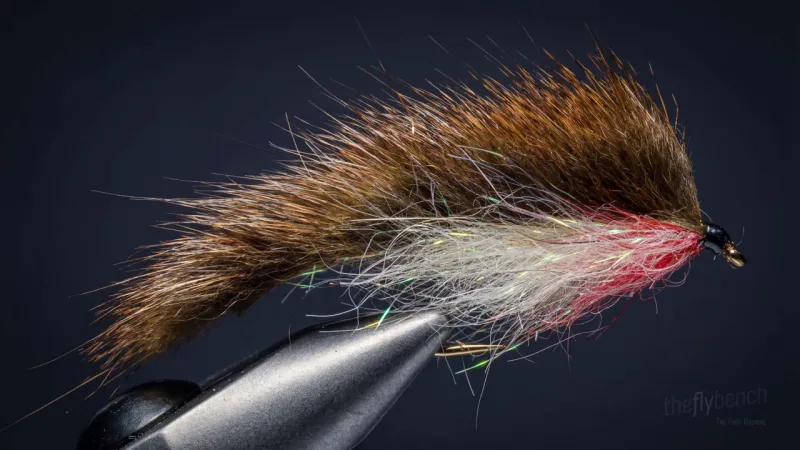
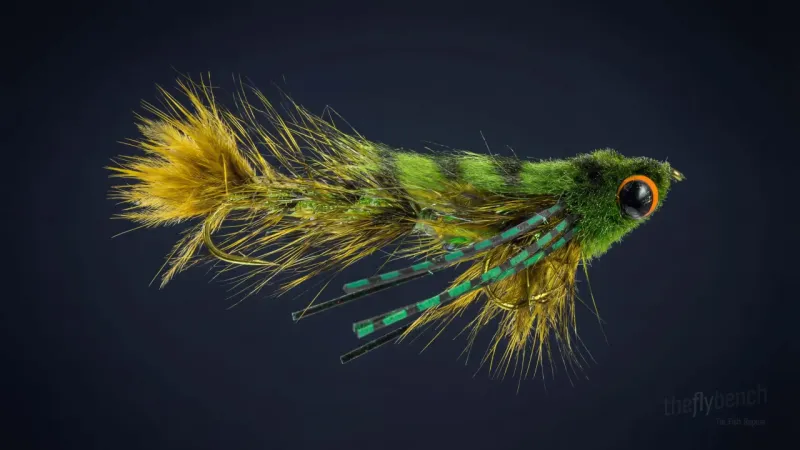
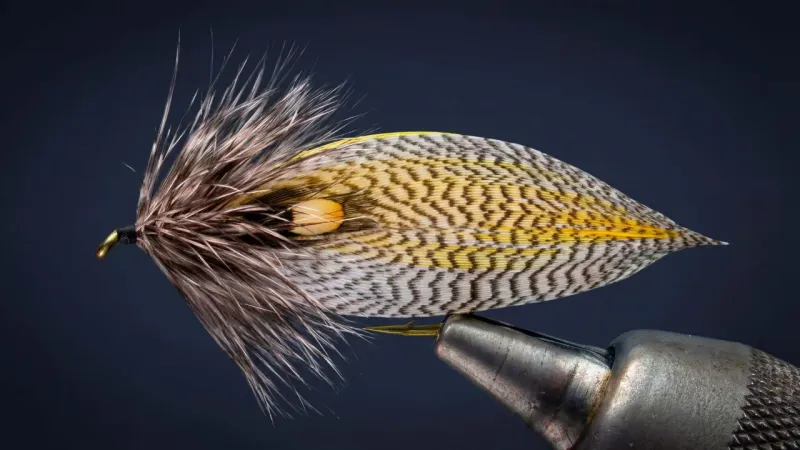
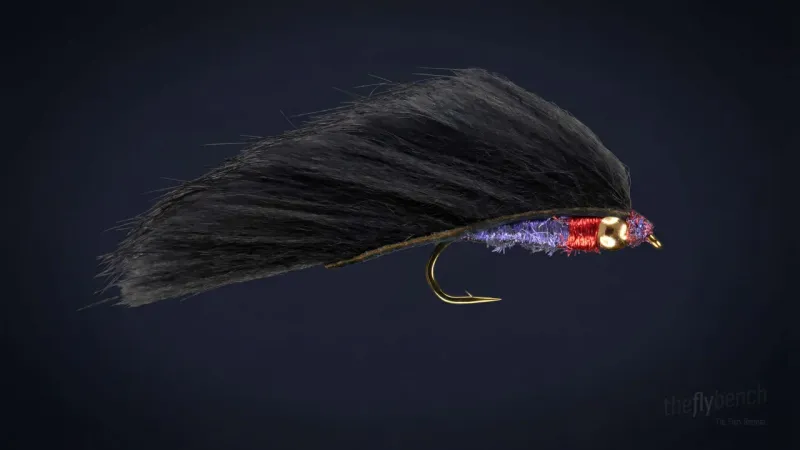
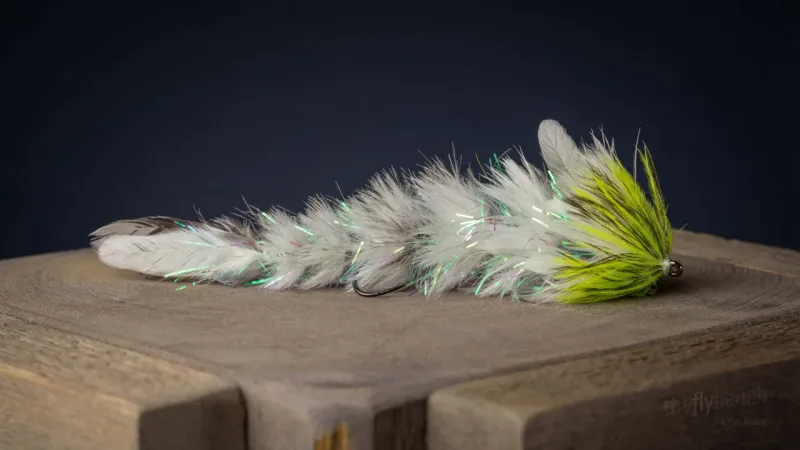
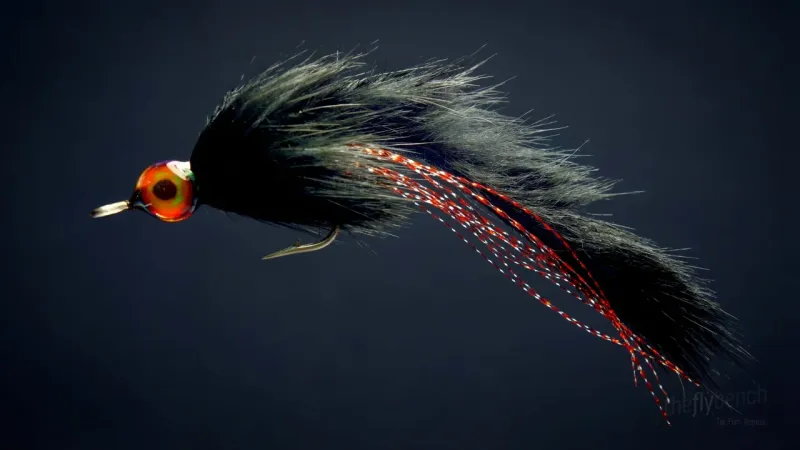
This articulated baitfish pattern uses a Fish Mask head over eyes to finish the fly cleanly. It features a rabbit zonker strip for movement and a synthetic dubbing loop body for bulk. The mask provides durability, a baitfish profile, and makes for a clean tie-off.
Related patterns
Behavior & presentation
- Natural Behavior
- Young baitfish swim with rhythmic pulses, hovering momentarily before darting forward. Their slower speed and high visibility make them easier targets than adult fish.
- Where Trout Eat It
- Predatory fish ambush baitfish near mid-stream structure, boulder pockets, and weed edges in mid-water column at 3-8 feet deep.
- How to Fish It
- Swing across runs at slight upstream angle. Dead drift with occasional twitches in slack areas. Strip with 2-second rhythm near bottom.
- Best Water
- Submerged logs and rock piles where baitfish shelter, deep runs adjacent to current seams, and boulder pockets with slack water behind structure.
- Strike Type
- Hard takes that load the rod as fish inhale the streamer during aggressive strikes.
Fishing strategy
- Rigging Suggestions
- Can be fished with or without a sink tip line. Works well on a floating line with a long leader in shallow water.
- Seasonal Timing
- Effective during peak feeding periods when water temperatures and conditions support active feeding behavior.
- Pro Tips
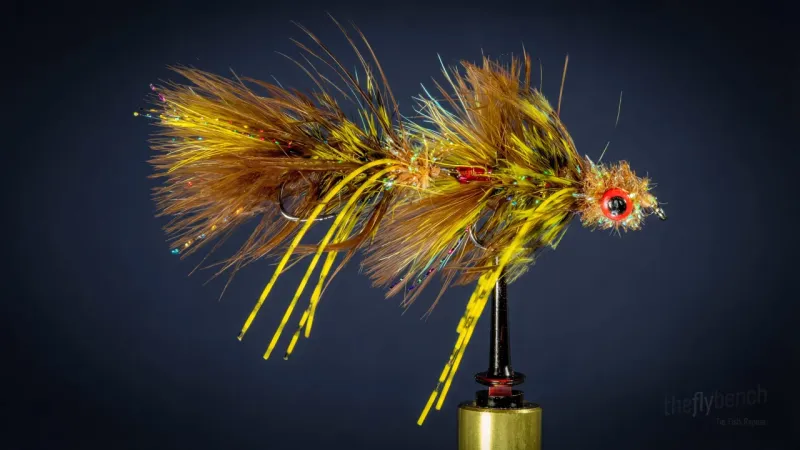
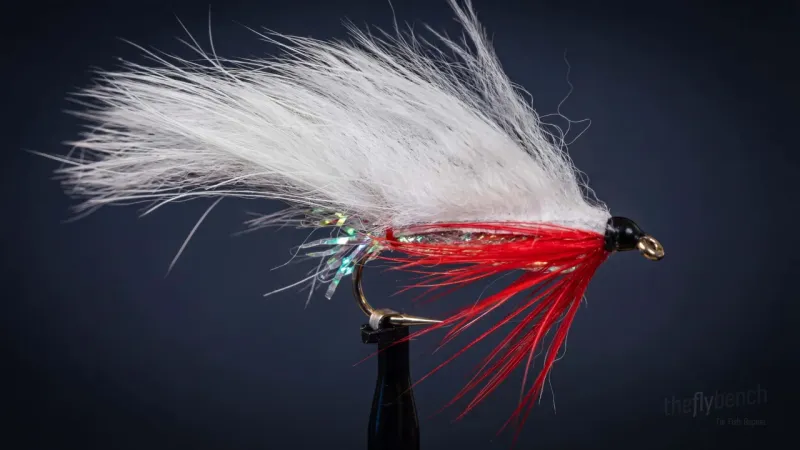
- The Fish Mask gives the fly a 3D look, improving its visibility. The fly sinks, making it ideal for deeper water or faster currents.
Entomology
Juvenile baitfish navigate structure and current with rhythmic tail beats, occasionally hovering before darting forward in quick pulses. Their relatively slow swimming speed, high visibility, and year-round availability make them consistent food sources that predators can intercept without chasing down faster adult baitfish.
- Organism
- baitfish
- Life stage
- general
Pattern details
- Stillwater
- Moving Water
- Worldwide
- Rocky Mountain
- active-retrieve
- strip-retrieve
- searching-pattern
- low-clear-water