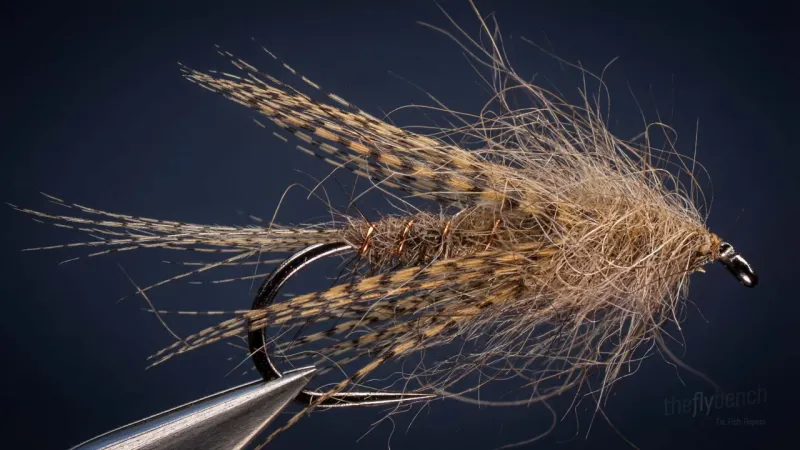
Euro NymphsSquirracell - Duracell Variation
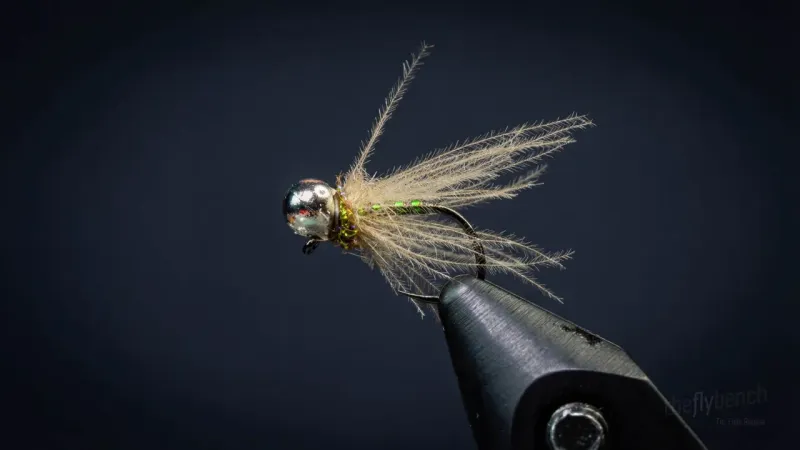
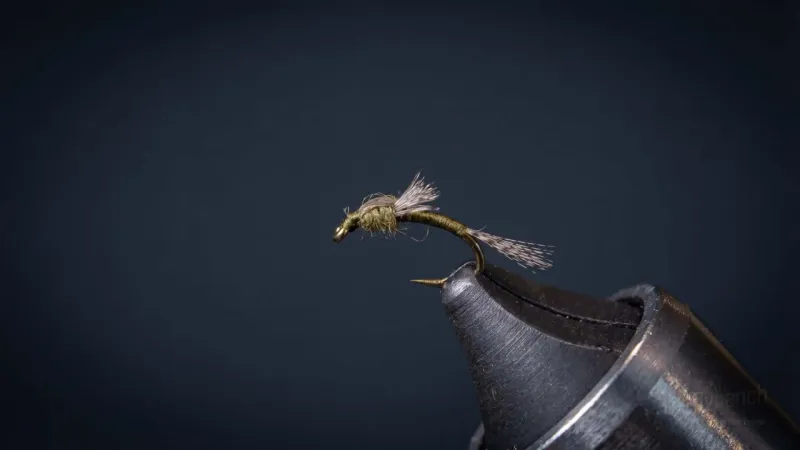
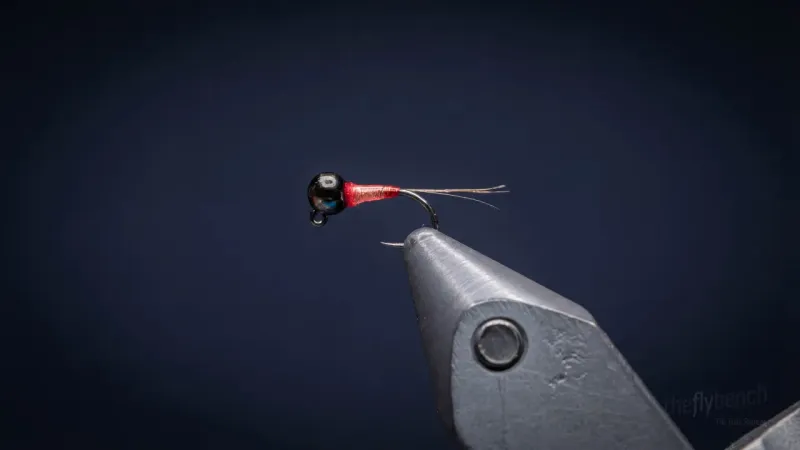
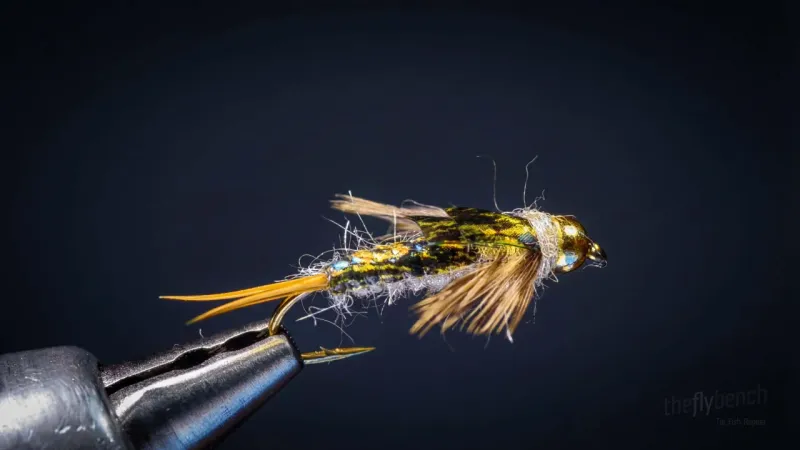
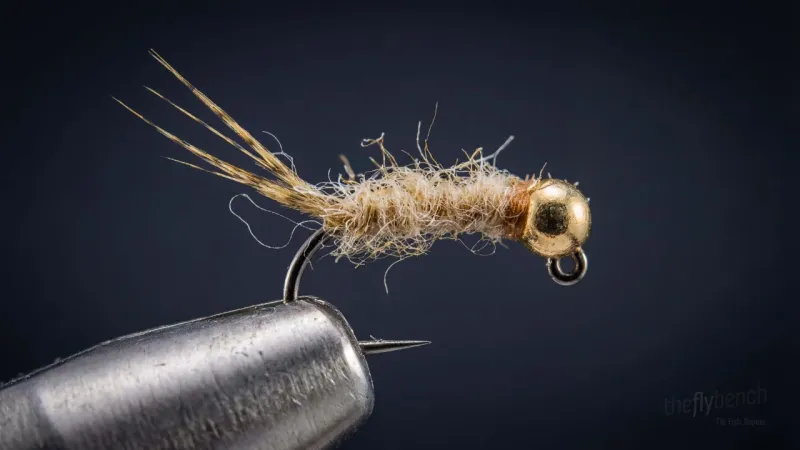
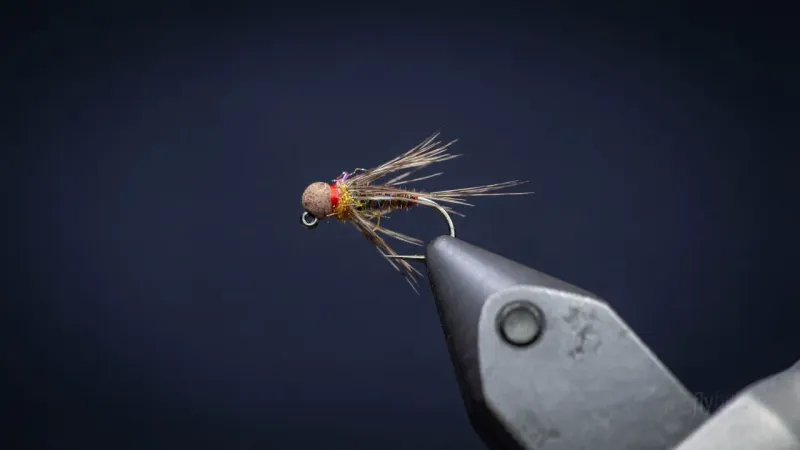
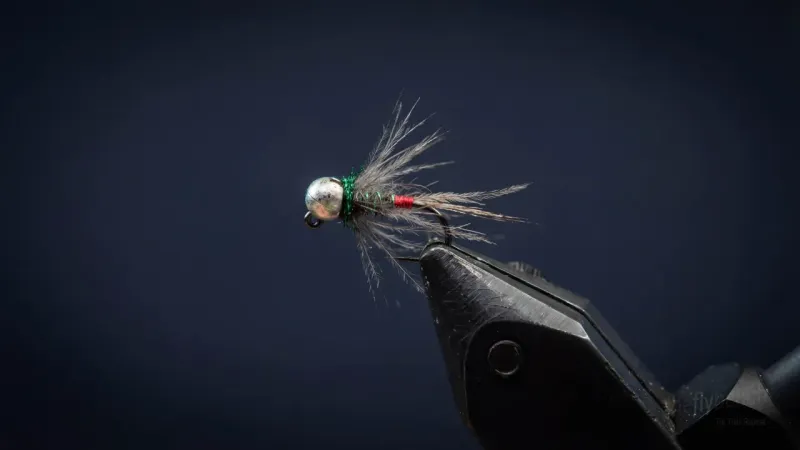
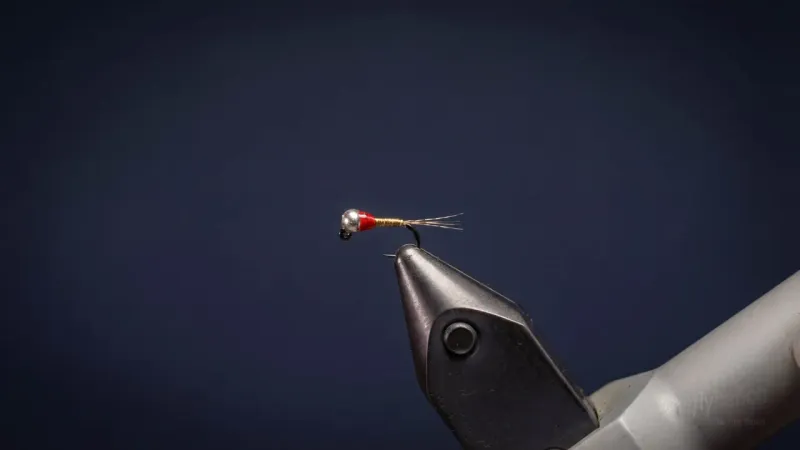
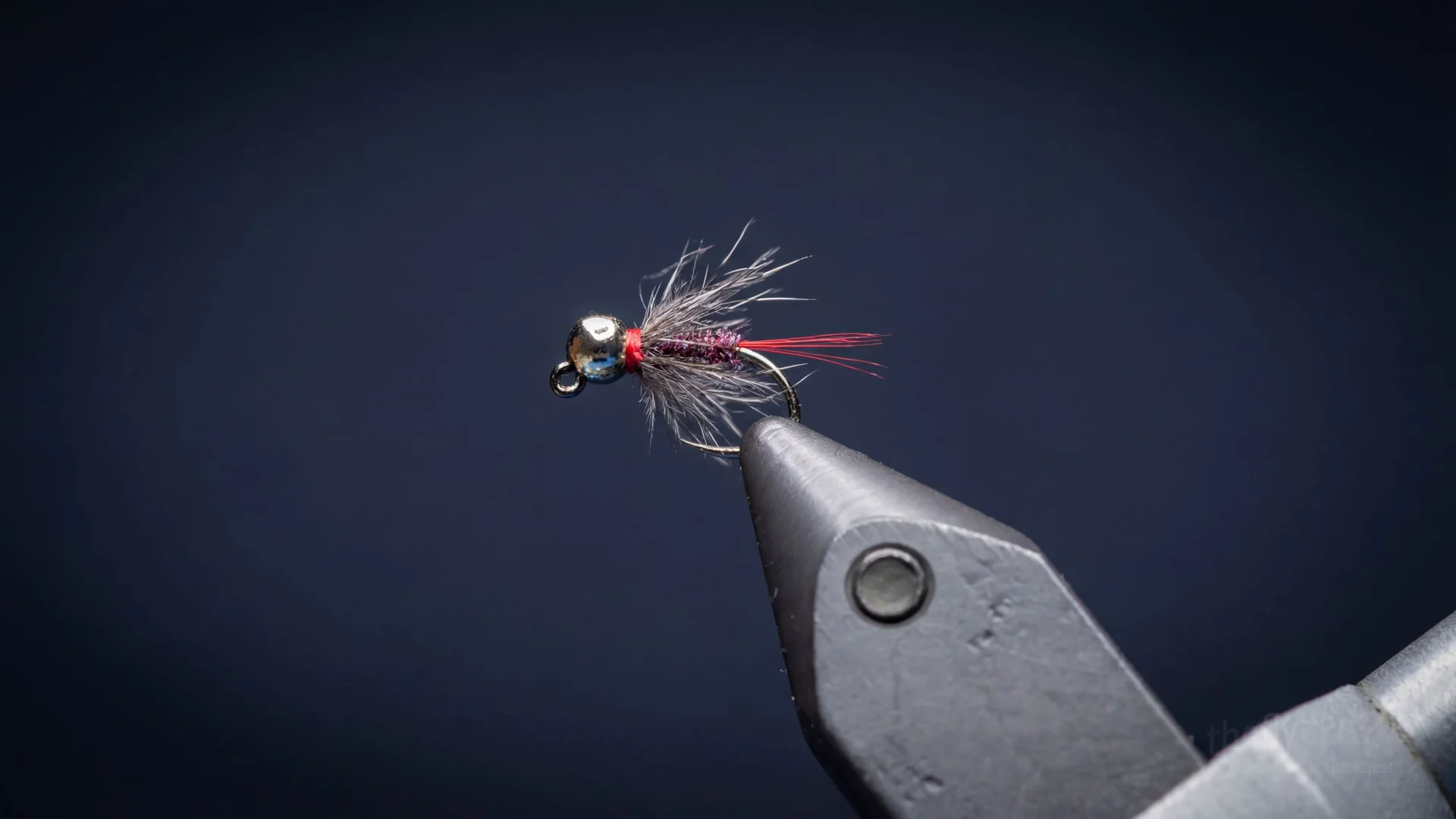
A variation of the Duracell nymph featuring a sparse squirrel collar that eliminates the need for perfect CDC pieces. Designed by Cheech in November 2018, this pattern combines the proven Duracell body with the visual appeal of a red Coq de Leon tail, similar to the Red Dart pattern. The squirrel collar technique adds movement and breathing action while maintaining a slim euro-nymph profile.
Year Round
Intermediate
Trout
Dec 2025
Overview
Developed by Cheech as part of the Whiting CDL Versa Pack introduction, this pattern demonstrates an innovative approach to collar techniques in euro-nymph tying. The sparse squirrel collar provides excellent movement in the water and is more forgiving than CDC for beginning tiers. The red tail adds a hot spot element that has proven effective in competition settings and clear water conditions. This fly can be tied in various color combinations to match local preferences.
Where to Buy This Fly
We only link to fly shops we trust. Some links are referral links, which may earn us a commission at no extra cost to you.
Materials
- Hook:
- TMC 403BLJ - 14 (or Fulling Mill 5045 Jig Force Barbless Hook - 14, or Firehole Sticks 516 Jig Hook - 14)
- Bead:
- Firehole Stones Plated Slotted Tungsten Beads - Sterling Silver - 3.5mm (9/64") (or Fulling Mill Slotted Tungsten Beads - 3.2mm - Silver)
- Thread:
- UTC Ultrathread 70 Denier - Red
- Tail:
- Whiting Coq De Leon Euro Nymph Tailing Pack - Pardo Dyed Red (or UV2 Coq de Leon Perdigon Fire Tail Feathers - Fl. Flame)
- Body:
- Ice Dub - UV Brown (or Hends UV Ice Dubbing - Dark Brown)
- Collar:
- Natural Furs Dubbing - Pine Squirrel (or SLF Spikey Squirrel Dubbing - Natural Fox)
Behavior & Presentation
Natural Behavior: Clinging nymphs flatten against rocks in fast water, becoming vulnerable when foraging movements cause accidental dislodgement into drift.
Where Trout Eat It: Fish station near bottom in feeding lanes 3-5 feet deep, intercepting helpless nymphs tumbling through pocket water.
How to Fish It: High-stick euro presentation with tight contact. Slim profile cuts through fast water while squirrel collar breathes naturally.
Best Water: Target seams where drift concentrates, pocket water with complex flows, and riffle edges in fast current near structure.
Strike Type: Tick or sag detected through sensitive contact. Squirrel collar triggers visual strikes from positioned fish.
Fishing Strategy
Rigging Suggestions: Use as the point fly in a two-fly euro nymphing rig with a lighter pattern as the dropper. Fish on 9-12 foot leader with 4X or 5X fluorocarbon tippet.
Seasonal Timing: in tailwaters and freestone streams, particularly during spring and fall mayfly hatches when trout are feeding aggressively on nymphs. Most productive during March through November in temperate climates, and winter months in mild weather regions.
Pro Tips: Sinks quickly with the 3.5mm tungsten bead, reaching depths of 3-5 feet efficiently. The UV brown dubbing creates subtle flash that attracts attention without spooking selective trout.
Entomology
Clinging mayfly nymphs possess flattened morphologies and powerful tarsal claws that allow colonization of high-velocity habitats where current speeds exceed one meter per second. Their presence on exposed rock surfaces in fast water makes them susceptible to accidental dislodgement during foraging movements, and their inability to swim effectively once swept into current ensures they remain in the drift column where trout can easily intercept them.
- Order
- Ephemeroptera
- Common Name
- Mayfly
- Organism Type
- insect
- Life Stage
- nymph