Overview
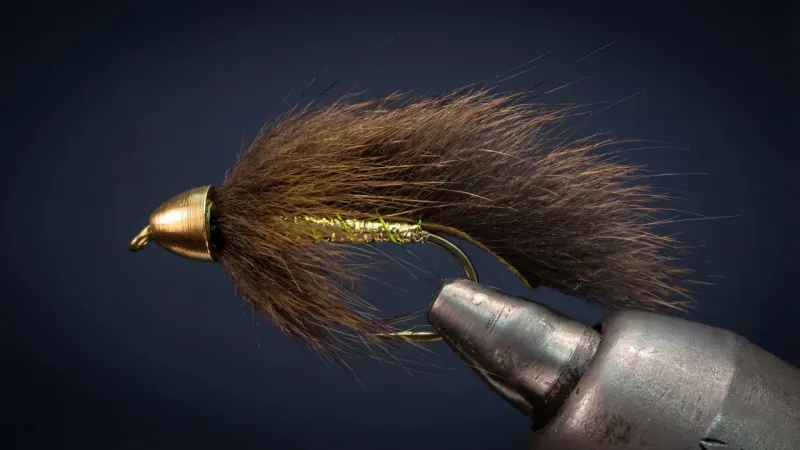
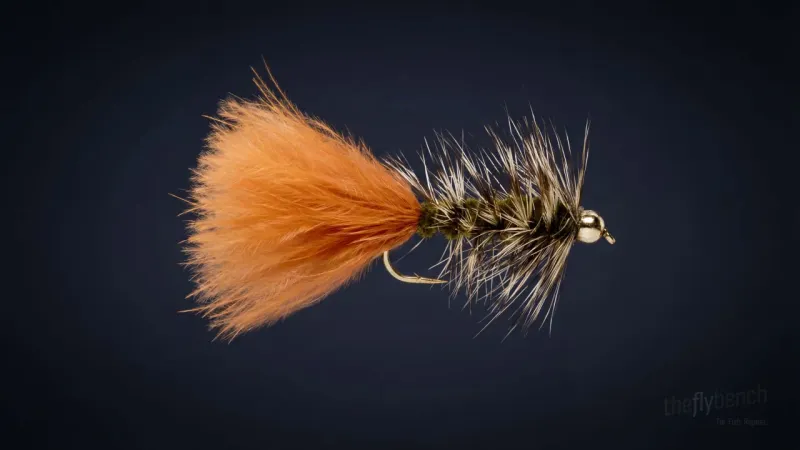
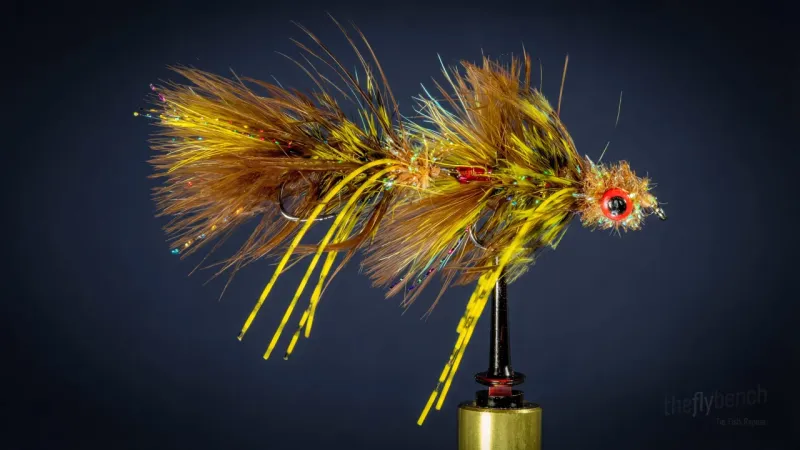
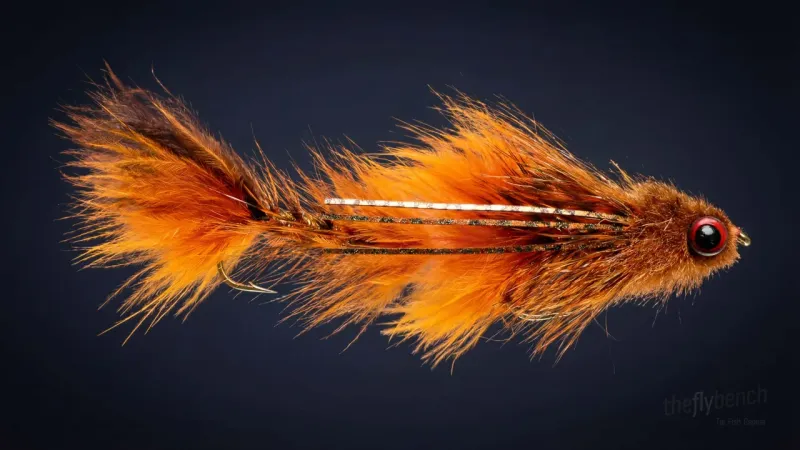
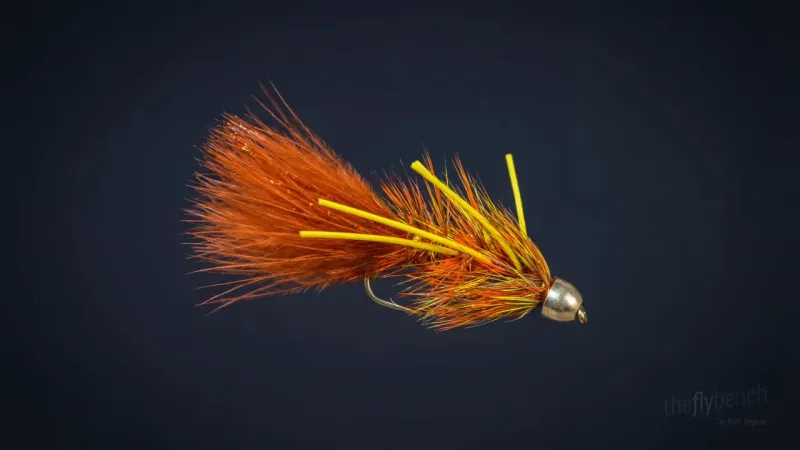
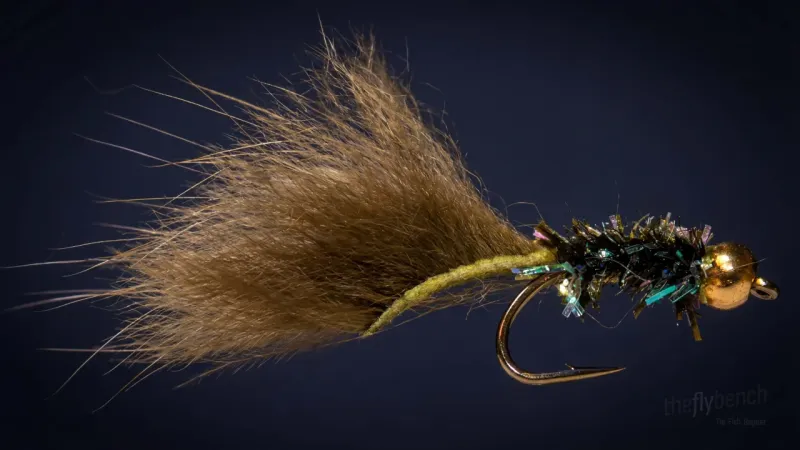
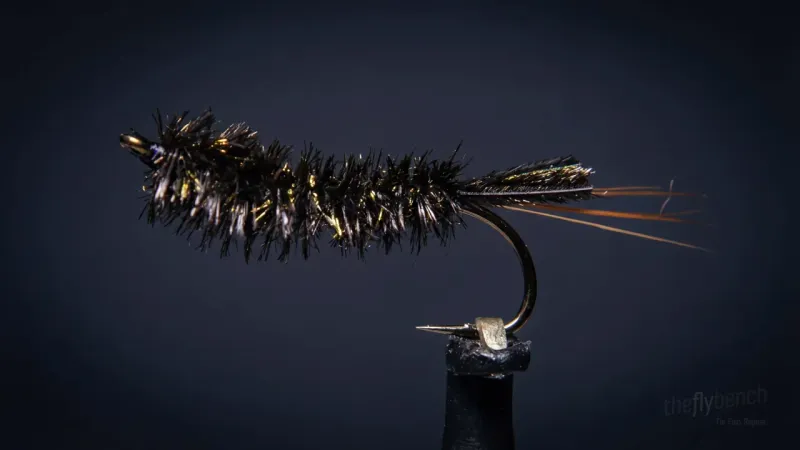
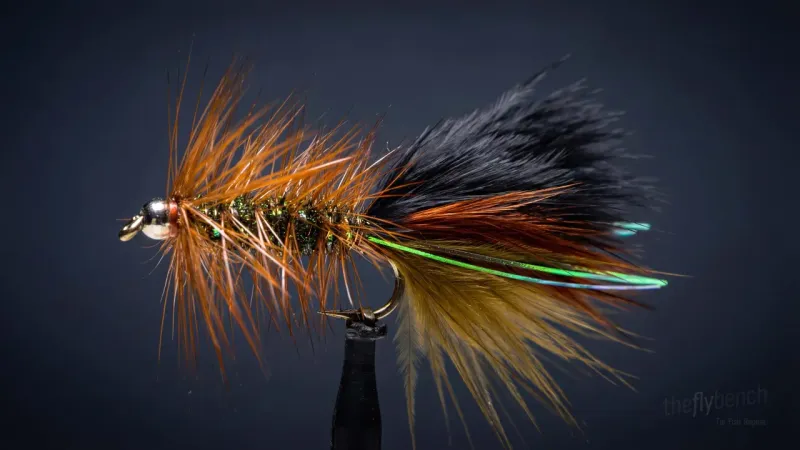
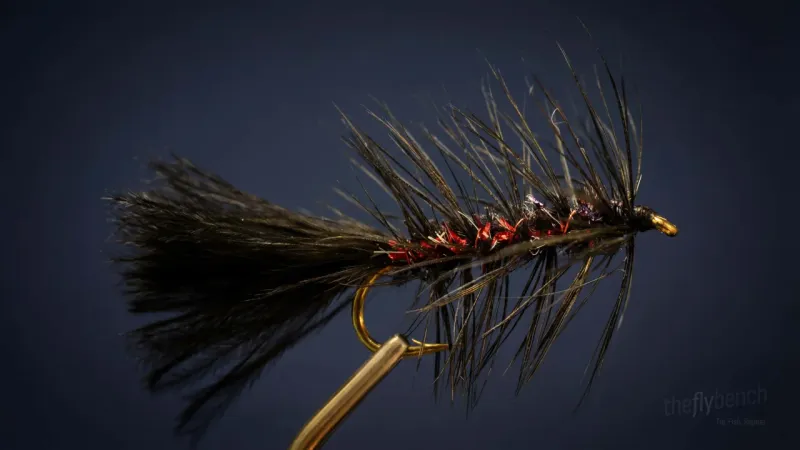
This classic streamer uses a pine squirrel zonker strip for the tail and overbody, combined with a weighted conehead and flashy underbody. It has a compact, pulsing profile that imitates leeches or baitfish and can be tied in olive, black, or rust for versatility.
Related patterns
Behavior & presentation
- Natural Behavior
- Injured baitfish tumble and roll near the bottom with compromised swimming ability, their erratic rolling motion signaling vulnerability. This diminished escape capability makes them guaranteed easy meals without extended chase effort.
- Where Trout Eat It
- Predators ambush from holes, undercuts, and deep pockets at depths of 4-10 feet in strong currents.
- How to Fish It
- Strip retrieve with sharp pulls and pauses to imitate darting sculpin fleeing from predators in bottom zones.
- Best Water
- Work undercuts, drop-offs, deep pockets, rocky bottoms, channel swings, and structure in fast currents.
- Strike Type
- Feel violent grabs or sudden weight as predators strike and turn with the fleeing baitfish.
Fishing strategy
- Rigging Suggestions
- Fish it on a sink-tip or full-sinking line with a short leader and stout tippet. Cast tight to banks and structure and strip it back in short, erratic strips, changing speed. On big rivers, swing it slowly through deep pools.
- Seasonal Timing
- Fished year-round. Best on overcast days and in low light, in spring before runoff and through fall, and in winter on slow swings through deep pools.
- Pro Tips
- John Barr's streamer. The slim pine squirrel strip suits clear water where bulkier streamers spook fish, and the cone gives it a jigging dive on every pause. Olive and black are the standard colors. If a spot gives you nothing in 10-15 minutes, change color or move.
Where to fish it
Rivers anglers pair with this fly, with local shops that stock it.
River details and fly shops from River & Run, our sister site.
Entomology
Forage fish injured by predator strikes or caught in heavy current struggle near the bottom, their compromised swimming causing erratic rolling and tumbling motion. Fish preferentially target these wounded baitfish because their diminished escape ability makes them easy meals, and the visible distress signals an opportunity for a guaranteed capture without extended chase.
- Organism
- baitfish
- Life stage
- general
Pattern details
- Stillwater
- Moving Water
- Rocky Mountain
- active-retrieve
- strip-retrieve
- woolly-bugger-family
- classic
- attractor
- searching-pattern