

Overview
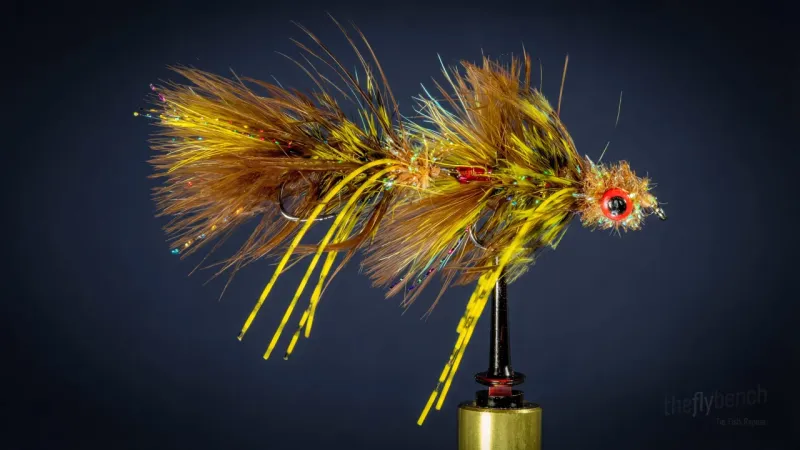
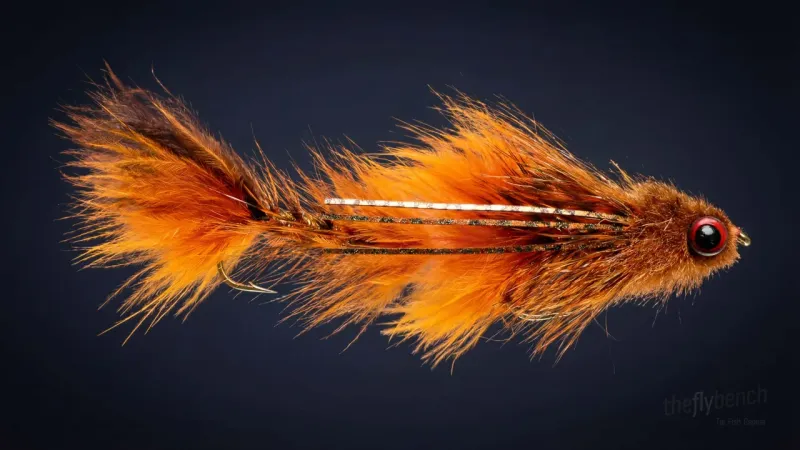
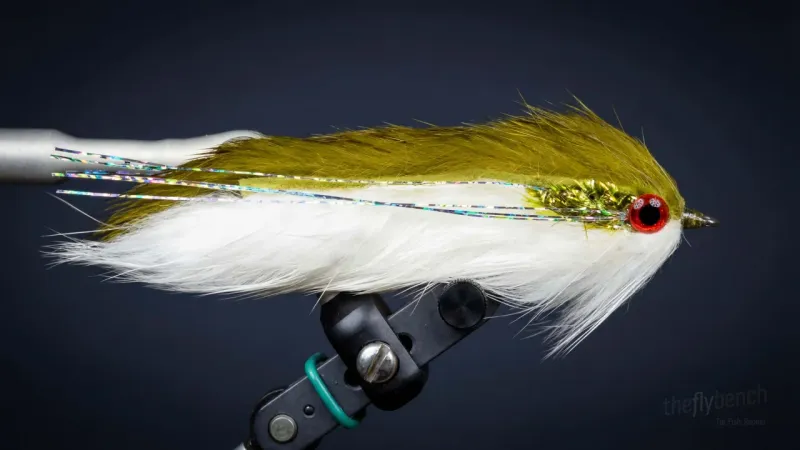
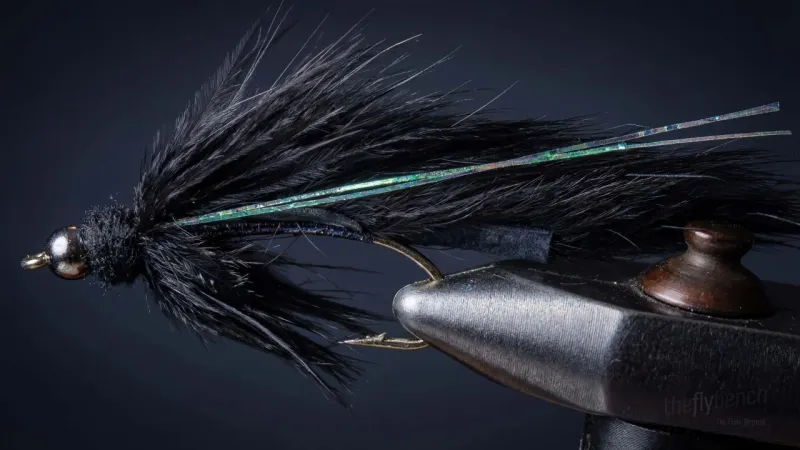
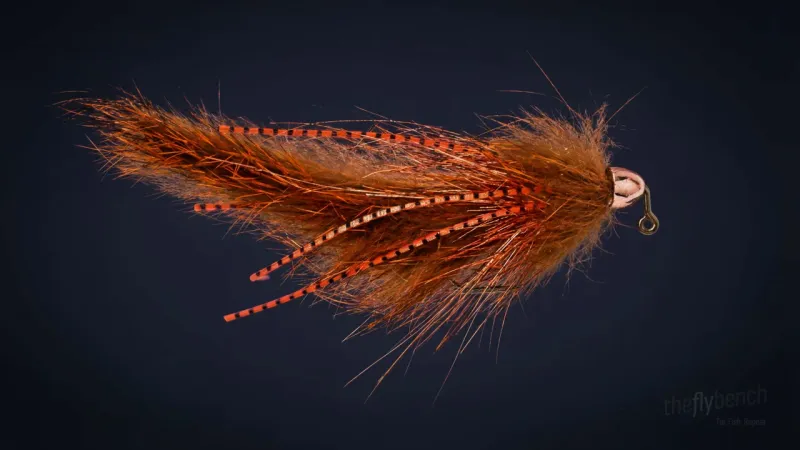
The Circus Peanut is a bold, articulated streamer pattern featuring two hooks and flowing materials like marabou and rubber legs. Designed for aggressive predators, it offers maximum movement and profile in the water, making it a go-to for chasing big trout, bass, or even pike in heavy cover or stained water.
Related patterns

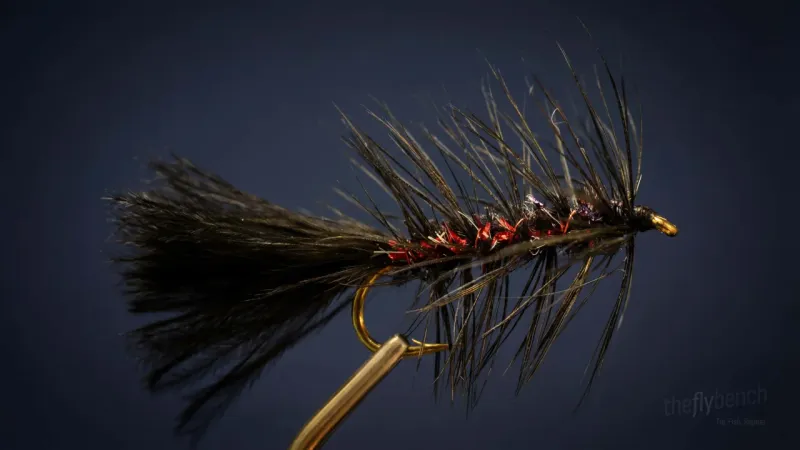
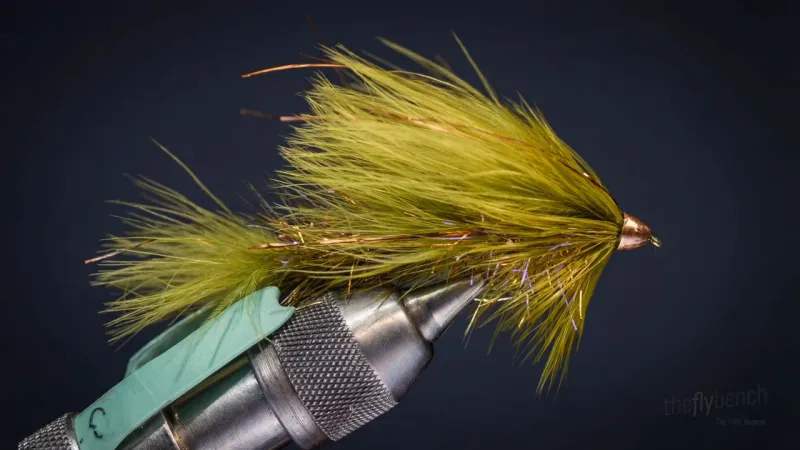
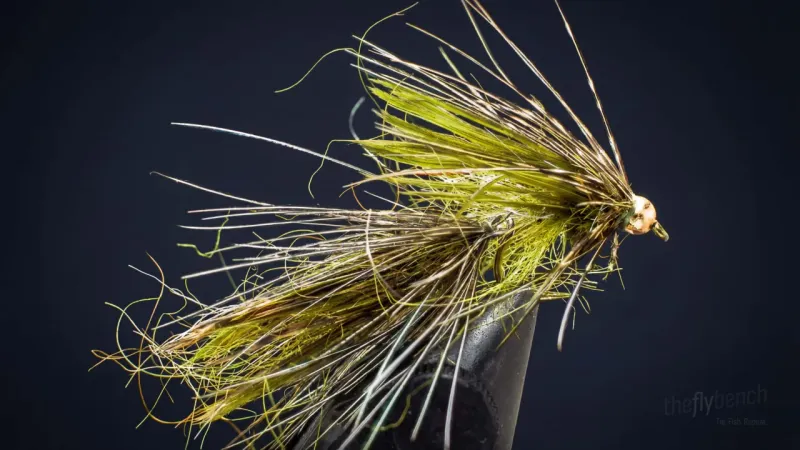
Behavior & presentation
- Natural Behavior
- In turbid conditions, flashy individuals broadcast their presence through exaggerated swimming and vibration patterns that predators detect via lateral line systems. Separated from protective schools, these conspicuous targets trigger reflexive strikes.
- Where Trout Eat It
- Predators patrol drop-offs, undercut banks, weed edges, and pool structures hunting isolated baitfish.
- How to Fish It
- Use erratic, darting retrieves with pauses to mimic wounded baitfish struggling in current.
- Best Water
- Target drop-offs, undercut banks, weed edges, pools, and eddies where bass and large trout hunt.
- Strike Type
- Strikes arrive as aggressive thumps mid-strip, often telegraphing as a sudden yank or jarring stop that requires immediate strip-set to drive hooks home.
Fishing strategy
- Rigging Suggestions
- This pattern can be fished on a floating or sinking line, depending on the depth of the water. A 9-foot leader with a 3X tippet is a good starting point.
- Seasonal Timing
- This pattern is most effective during the warmer months when baitfish are active.
- Pro Tips
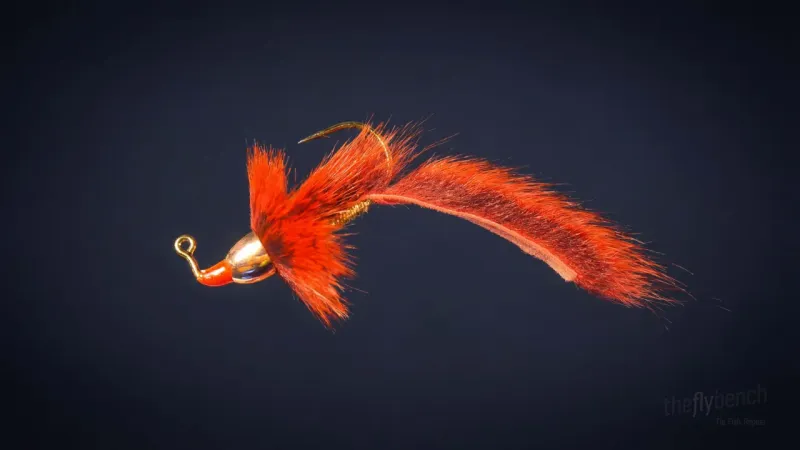
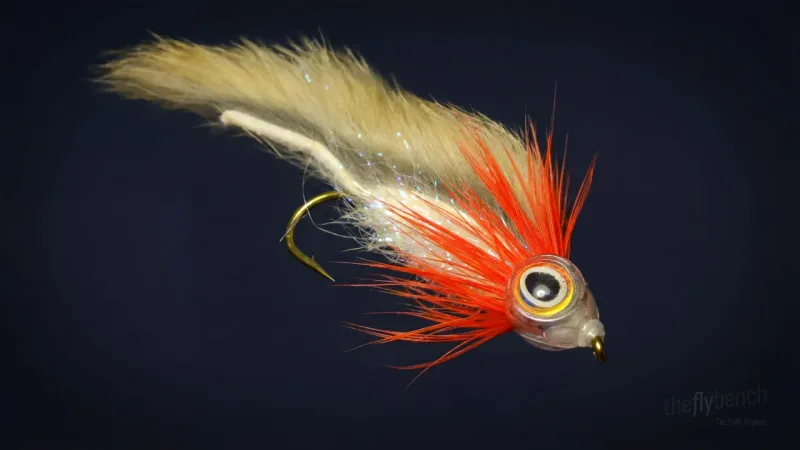
- This fly sinks and is easily visible due to its vibrant colors and gold conehead. The Solarez Bone Dry UV resin adds shine and durability to the fly.
Where to fish it
Rivers anglers pair with this fly, with local shops that stock it.
River details and fly shops from River & Run, our sister site.
Entomology
Baitfish in stained or turbid water rely on erratic, high-contrast movements to navigate and avoid predators, their bright coloration and exaggerated swimming action making them visible targets. These flashy individuals often become separated from protective schools, broadcasting their presence through water displacement and vibration patterns that predators detect through lateral line systems. Bass and large trout attack these conspicuous prey items with explosive strikes because the visual and sensory signals override any caution, triggering reflexive feeding responses.
- Organism
- baitfish
- Life stage
- general
Pattern details
- Moving Water
- Great Lakes
- Midwest
- Rocky Mountain
- active-retrieve
- strip-retrieve
- guide-fly
- high-water