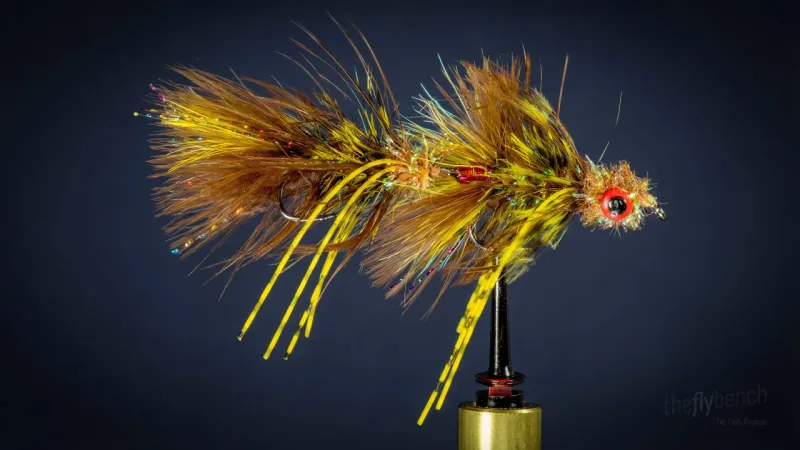
StreamersPike Bunny
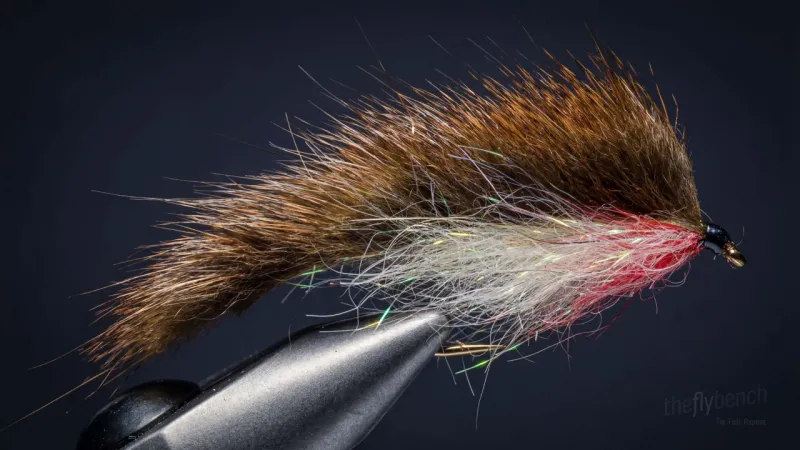
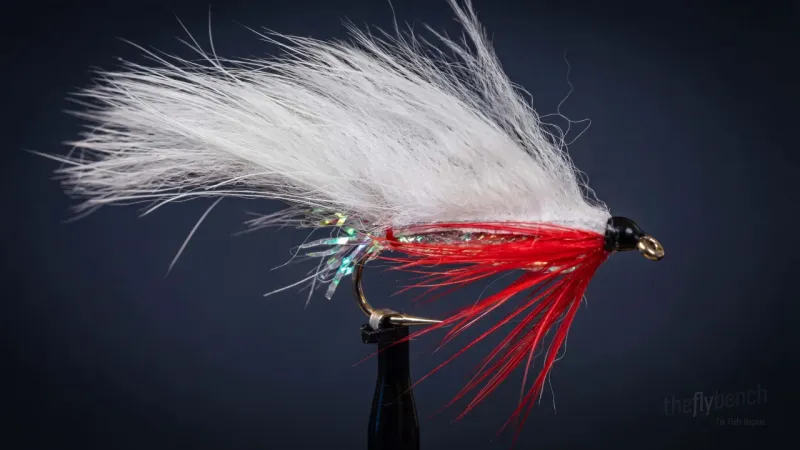
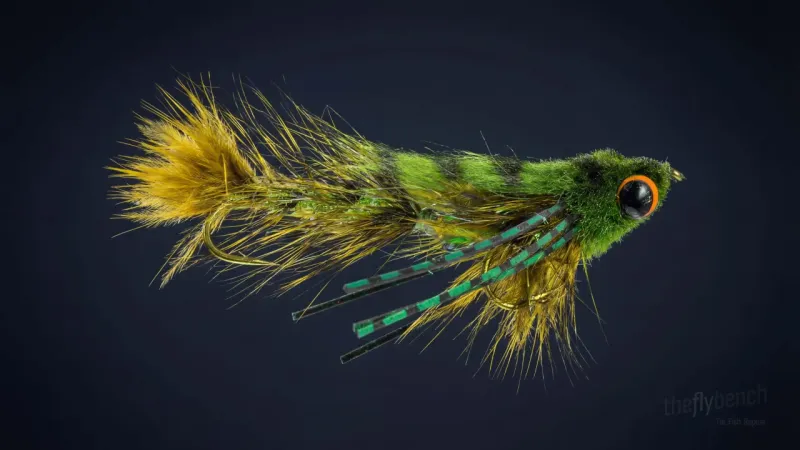
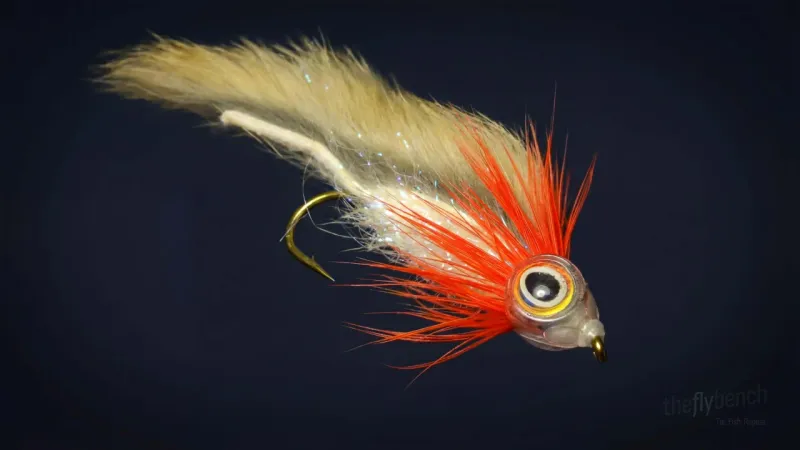
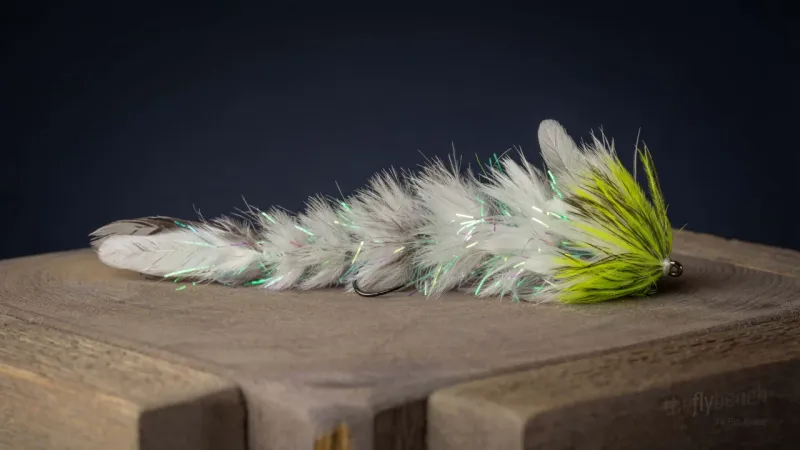
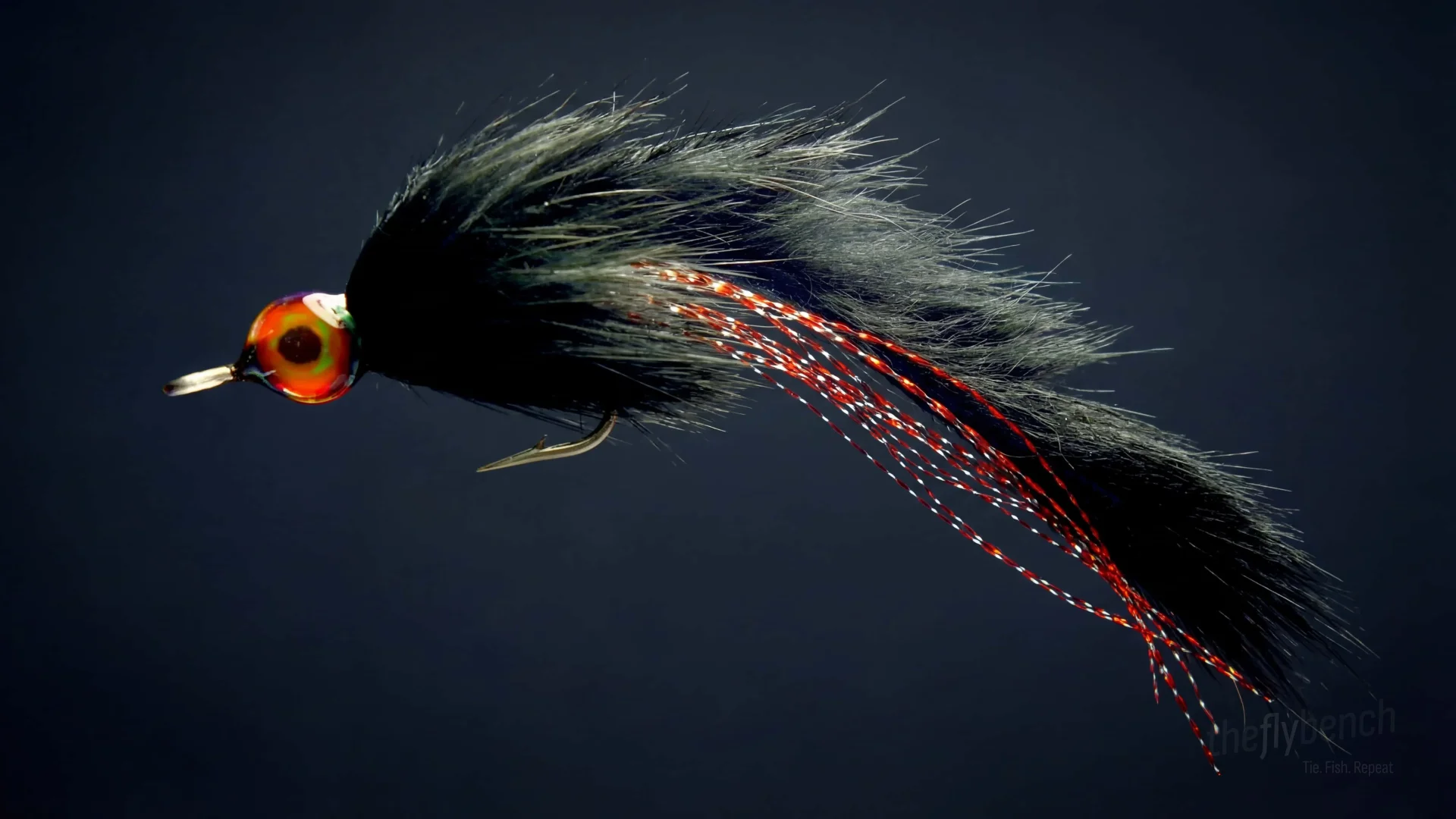
The Pike Bunny is a large, rabbit fur streamer pattern that is designed to imitate a range of baitfish. Its tantalizing motion and large profile make it irresistible to predatory fish like pike and bass. The pattern is tied with a zonker-style rabbit strip tail, which provides a lifelike swimming action.
Spring, Summer, Fall
Intermediate
Pike, Bass
Apr 2025
Overview
This large streamer uses a long strip of rabbit zonker over a flash or chenille body, creating maximum movement in the water. It's often weighted with dumbbell eyes and tied in bright or dark predator-attracting color schemes.
Where to Buy This Fly
We only link to fly shops we trust. Some links are referral links, which may earn us a commission at no extra cost to you.
Materials
- Hook:
- #1/0–3/0 Tiemco 811s
- Tail Guard:
- 20–25 lb Mono Tippet
- Tail:
- Red Krystal Flash
- Tail2:
- Black Magnum Zonker Strip
- Collar:
- Black Crosscut Rabbit Strip
- Eyes:
- Any 3D Eyes
- Glue:
- Epoxy or Loon UV Fly Finish
Behavior & Presentation
Natural Behavior: Larger baitfish like suckers and chubs cruise along weed edges and flats, pausing to feed. Pike and muskie target these because a single large baitfish provides significantly more nutrition, justifying explosive ambush.
Where Trout Eat It: Lake near vegetation, submerged logs, rocky points, drop-offs. Transition zones between shallow and deep water.
How to Fish It: Strip with short, erratic pulls interspersed with long pauses because this imitates injured or fleeing baitfish. Vary speeds based on fish activity. Let fly pause and sink to trigger following fish.
Best Water: Weed edges, drop-offs, submerged logs, rocky points, transition zones between shallow and deep water where predators ambush.
Strike Type: Explosive take as pike or bass commits. Line accelerates suddenly or feel heavy weight. Strip-strike firmly for tough jaws.
Fishing Strategy
Rigging Suggestions: 15-20lb fluorocarbon or wire leader (12-18 inches) with 0X-2X tippet. Intermediate or sink-tip lines (Type 3-4) control depth. Deer hair head provides flotation for shallow presentations.
Seasonal Timing: Most productive April-October when water exceeds 50°F and predators feed actively. Peak late spring (May-June) and early fall (September-October) when most aggressive. Early morning (6-9am) and late evening (5-8pm) best because predators patrol shallow structure.
Pro Tips: Rabbit strip provides undulating action even during pauses. Size (2-4/0) depends on target species and baitfish size. Clip head shorter for deeper presentations.
Entomology
Larger baitfish such as suckers and chubs cruise along weed edges and over shallow flats, occasionally pausing to feed before resuming their steady swimming pattern. Pike and muskie target these substantial prey items because a single large baitfish provides significantly more nutrition than multiple small insects or crustaceans, justifying the explosive ambush attack.
- Organism Type
- baitfish
- Life Stage
- general