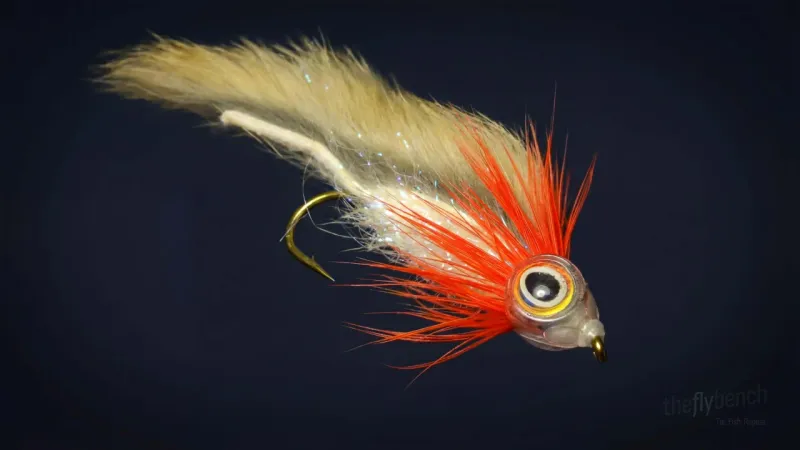
StreamersZonker
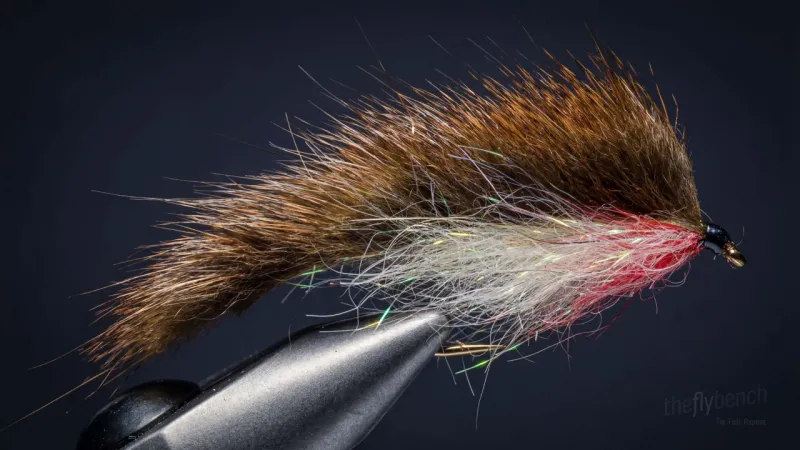
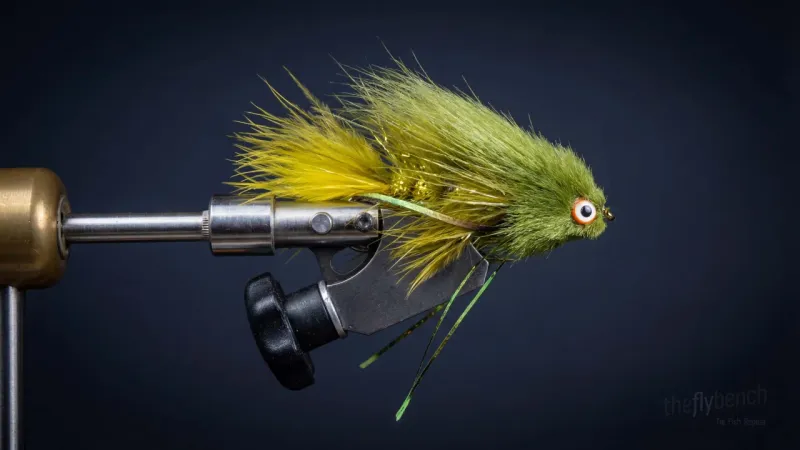
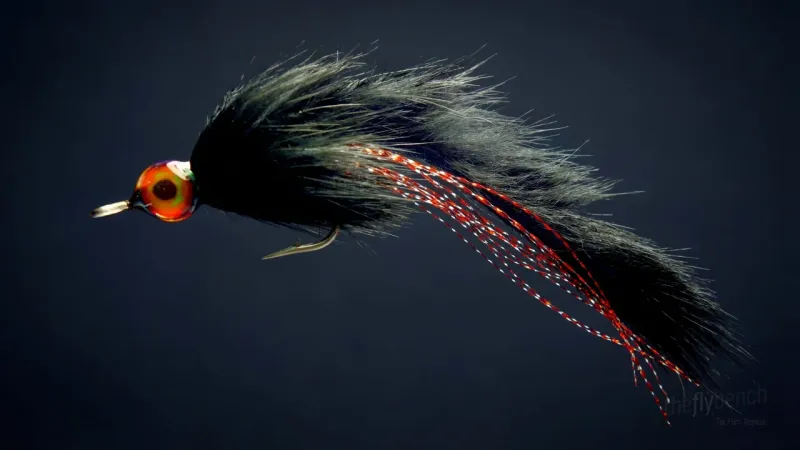
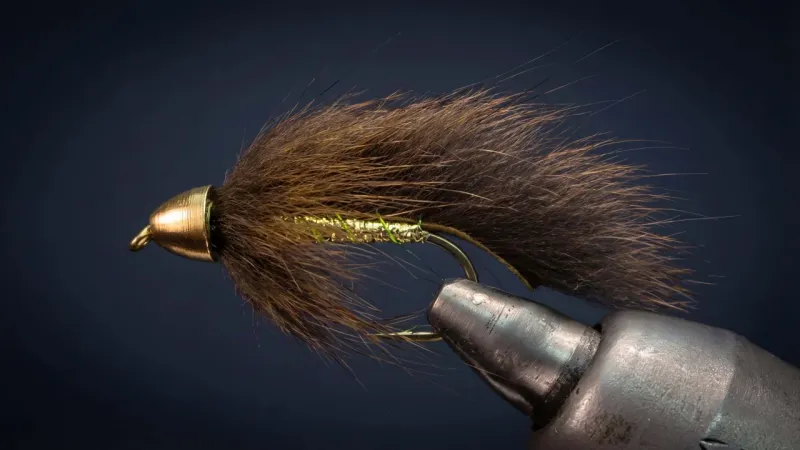
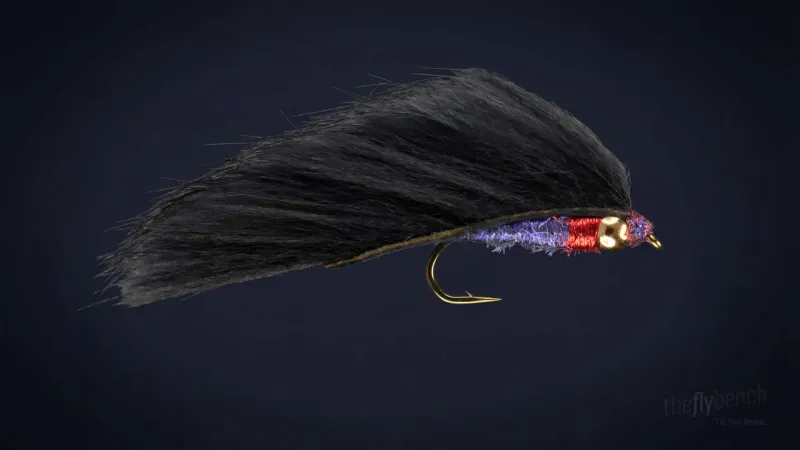
The Zonker is a popular streamer pattern known for its lifelike movement in the water. The long, flowing rabbit strip tail gives the illusion of a baitfish or leech.
Year Round
Intermediate
Trout, Bass
Apr 2025
Overview
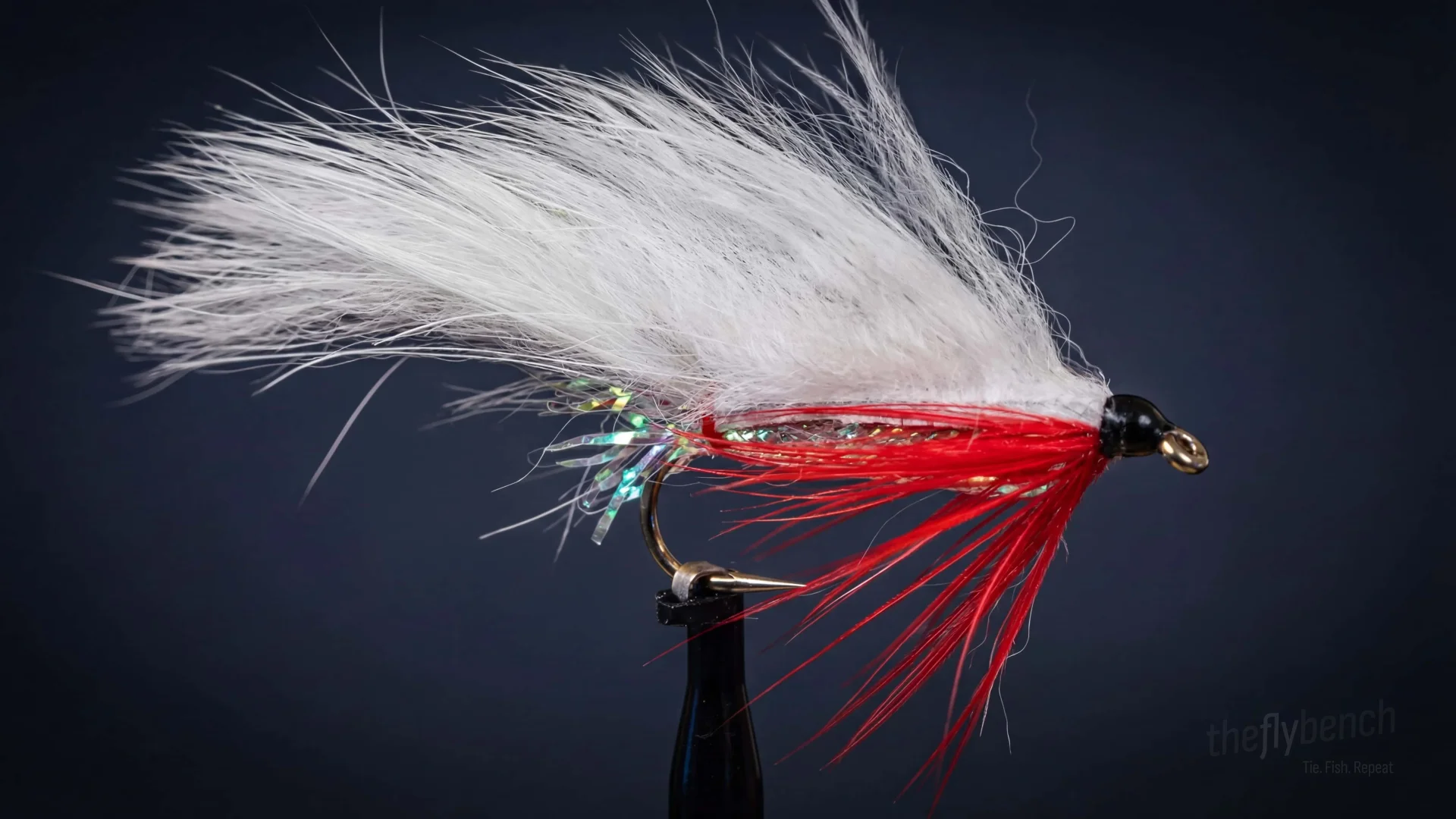
A streamer pattern using a zonker (rabbit) strip over a dubbed or chenille-wrapped body for extreme movement. Often includes a bead or conehead for weight. Typically tied in white, olive, or black for baitfish imitation.
Where to Buy This Fly
We only link to fly shops we trust. Some links are referral links, which may earn us a commission at no extra cost to you.
Materials
- Hook:
- 3X-long streamer hook (here a Lightning Strike SN3), sizes 2-6
- Weight:
- .020 lead-free round wire
- Thread 1:
- 6/0 or 140 Denier, red
- Body:
- Mylar tubing, medium, pearl
- Adhesive 1:
- Superglue or UV Cure Resin
- Back and tail:
- Zonker strip, white
- Adhesive 2:
- Superglue or UV Cure Resin
- Thread 2:
- 8/0 or 70 Denier, black
- Hackle:
- Saddle hackle, red
- Head:
- Black thread
- Adhesive 3:
- Head cement or UV Cure Resin
Behavior & Presentation
Natural Behavior: Baitfish dart and glide erratically when threatened, their bodies flashing as they change direction suddenly.
Where Trout Eat It: Predatory fish ambush from structure and deep water, striking fleeing baitfish in rivers, lakes, and streams.
How to Fish It: Strip retrieve with sharp pulls and pauses to imitate darting, panicked baitfish escaping predators.
Best Water: Work undercuts, drop-offs, and deep runs where predators hold. Channel swings and current breaks concentrate baitfish.
Strike Type: Feel violent strikes or sudden weight as predators attack aggressively and turn with the fly.
Fishing Strategy
Rigging Suggestions: Use 1X-3X fluorocarbon tippet (10-15 lb test) on 7-9 foot leaders. Sink-tip lines (Type III-VI) or full sinking lines are essential for reaching optimal depths. Adjust line density based on water speed.
Seasonal Timing: Effective with peak periods March through May and September through November. conditions (water temps 42-55°F) and feeding periods (48-58°F) produce the most aggressive strikes.
Pro Tips: The rabbit strip tail provides exceptional swimming action. The mylar body creates flash that attracts fish from distance in stained water.
Entomology
Small baitfish and leeches exhibit flowing, continuous movement whether actively swimming or dead-drifting in current, their flexible bodies creating lifelike motion that stands out against static surroundings. Predators strike these organisms because their sustained movement signals living prey, and their size makes them worthwhile targets that won't require repeated feeding.
- Organism Type
- baitfish
- Life Stage
- general