Overview
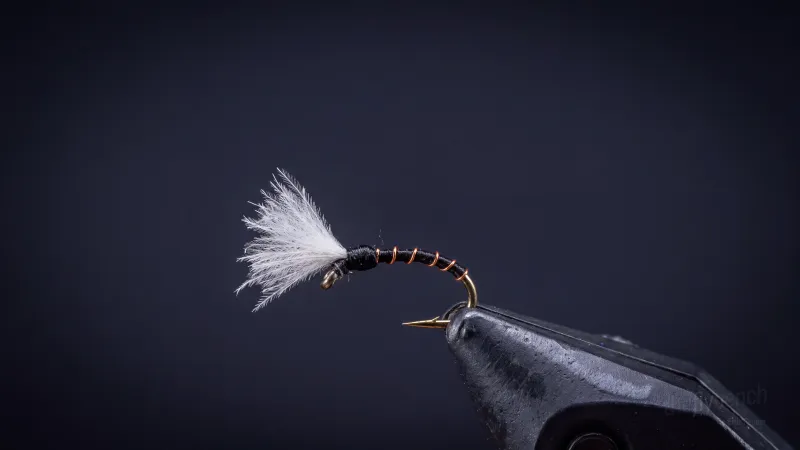
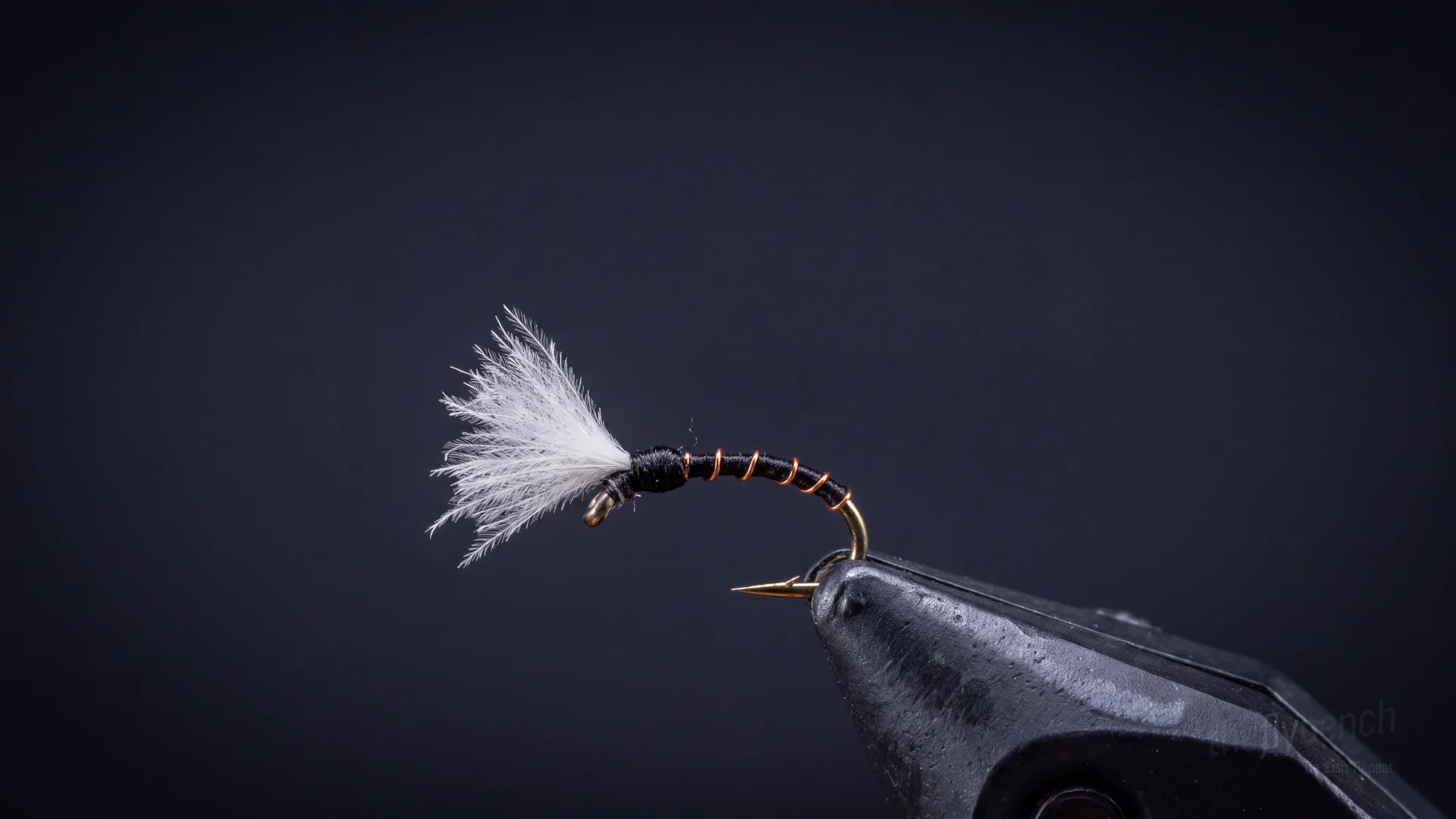
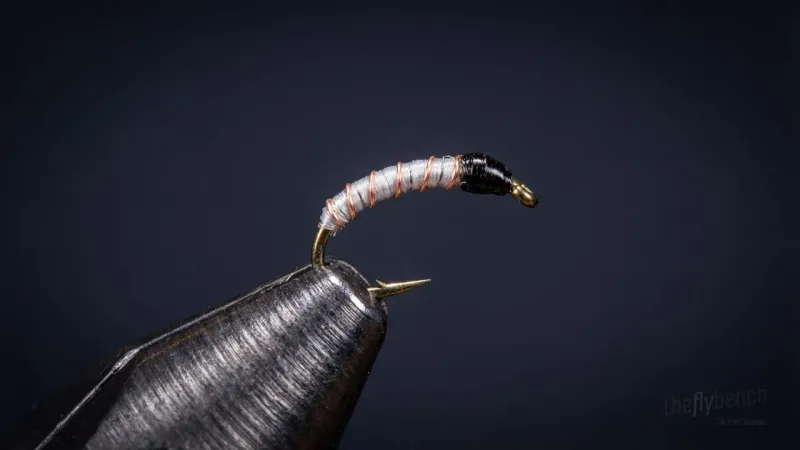
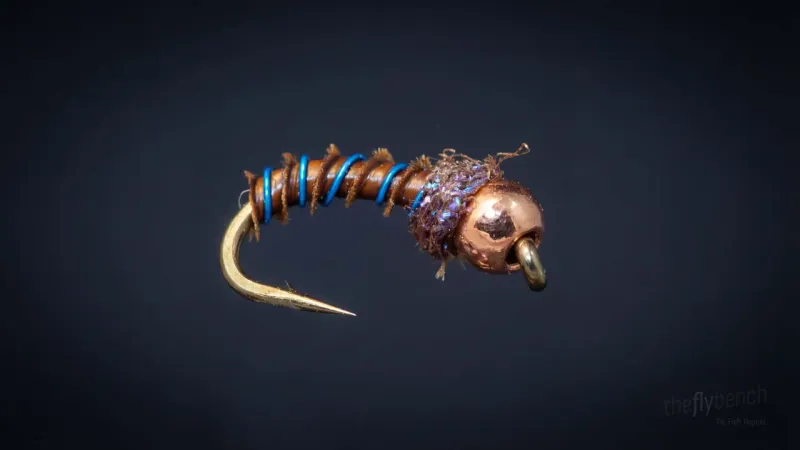
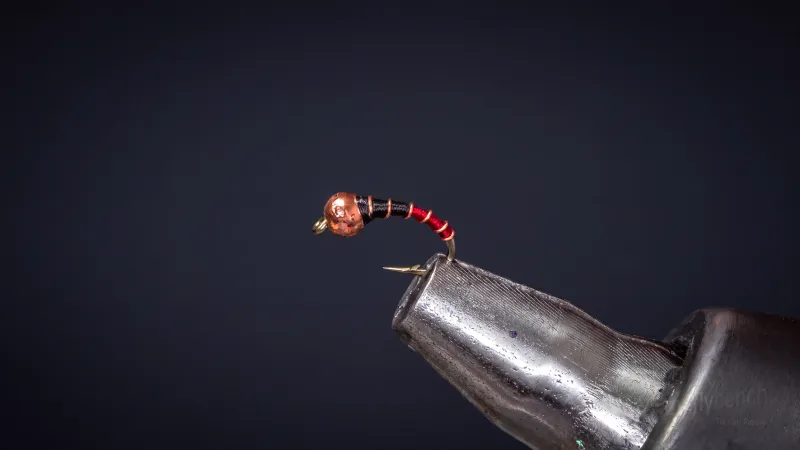
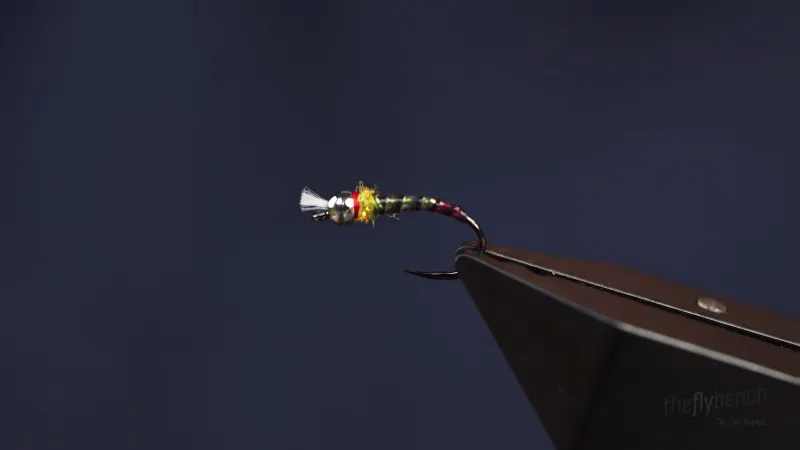
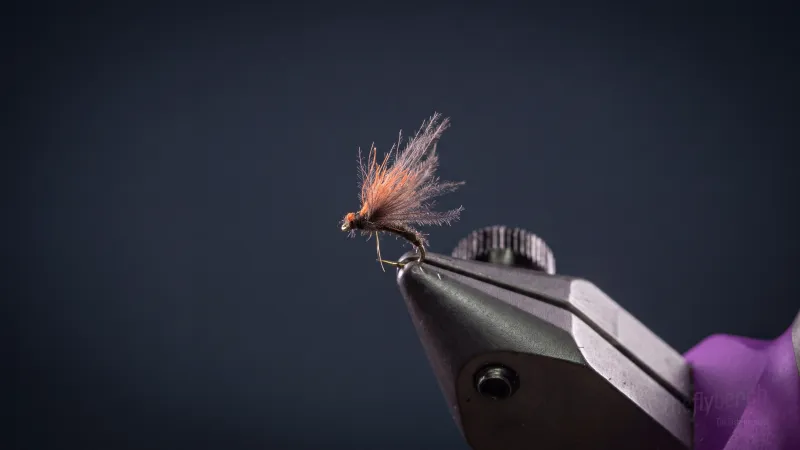
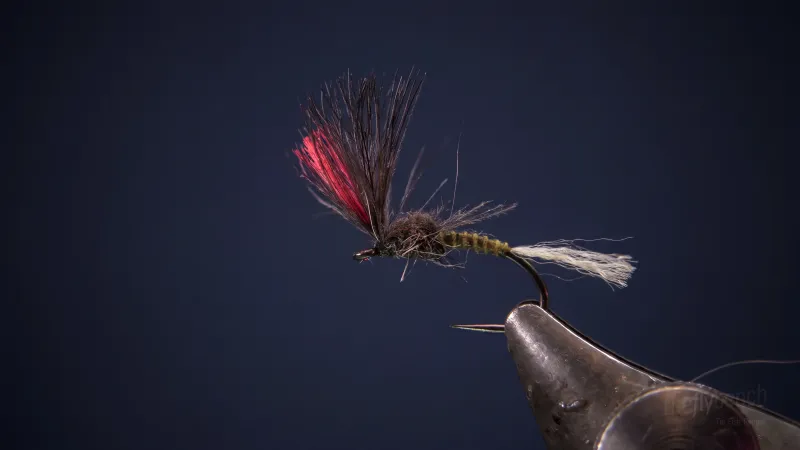
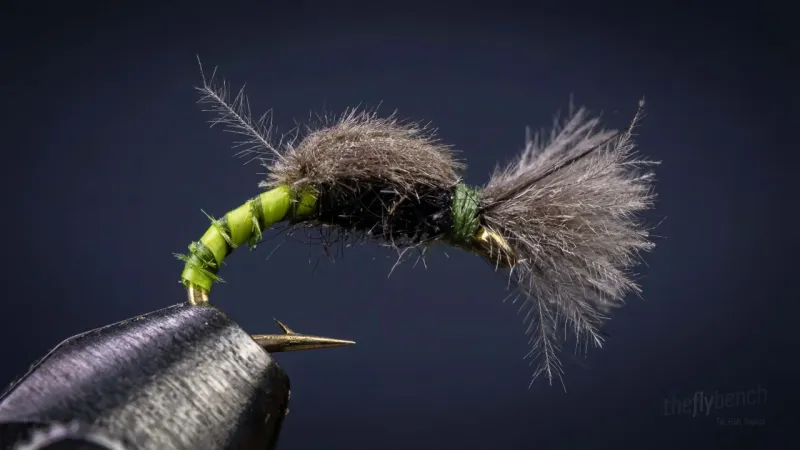
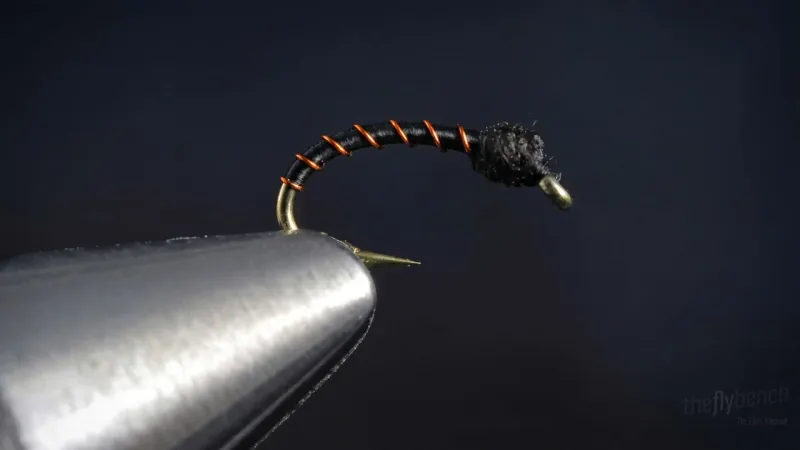
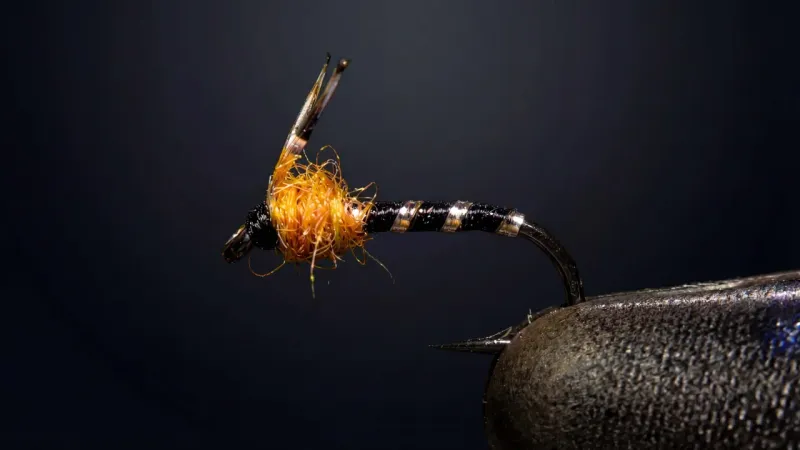
Phil Iwane fished this midge emerger for years before Umpqua began tying it commercially. The tie is quick: wrap a thin, tapered thread body on a curved TMC 2457, counter-wrap copper wire for segmentation, then add a pinch of CDC for the head. Commercial versions use silver wire, a UV resin coat and a camel color, and run down to size 20.
Related patterns
Behavior & presentation
- Natural Behavior
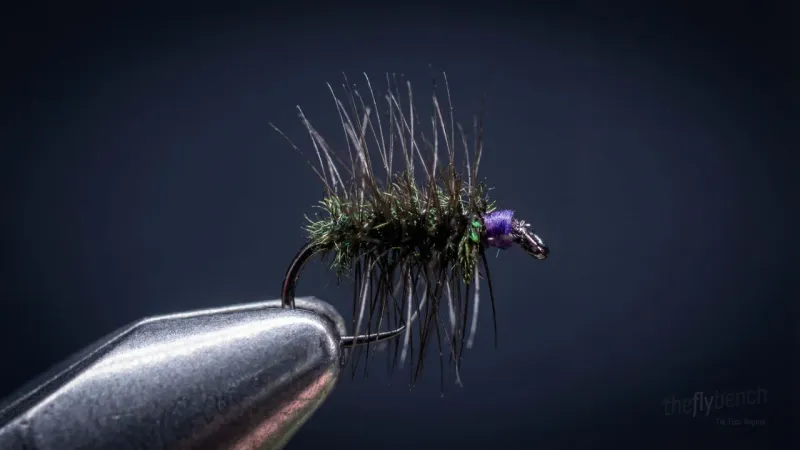
- Chironomid pupae drift up from the silt in slow pulses, gas building under the skin until they stall just beneath the film. The pale tuft of gills and wing pad at the head is the brightest part of an otherwise dark, skinny bug.
- Where Trout Eat It
- Trout hold in soft tailwater lanes and slide a few inches to pick off pupae suspended in the top foot of the water column, often ignoring the adults already on the surface.
- How to Fish It
- Trail it 14 to 18 inches behind a heavier nymph to get it near the bottom, or hang it under a small dry so it rides just under the surface during an active midge hatch. Keep the drift long and dead.
- Best Water
- Slow glides below riffles, flats over weed beds, the inside edge of current seams, and the soft tail-out above a riffle where pupae gather on the way to the surface.
- Strike Type
- The dry twitches or slides a few inches, or the indicator stalls briefly. Trout eat a pupa this small without much movement, so set on anything that looks off.
Fishing strategy
- Rigging Suggestions
- Run it as the point fly on 6X fluorocarbon behind a small tungsten nymph under a yarn indicator, or tie it 12 to 18 inches off the bend of a size 20 Griffith's Gnat when fish are taking at the surface.
- Seasonal Timing
- Strongest from November through April, when midges are the main food on tailwaters and spring creeks, and again on calm, overcast days in fall. Midday hatches in winter are the time to switch from the deep rig to the dry-dropper.
- Pro Tips
- Keep the CDC short and sparse so it suggests a breaking wing rather than a full adult. Go down to a size 18 or 20 for clear water and heavily fished trout, and leave the CDC untreated so it holds small air bubbles.
Entomology
Midge pupae rise from bottom silt and weed toward the surface, pausing and hanging under the film as gas builds before the adult breaks out. They are abundant year-round in cold tailwaters, and trout feed on them steadily when few other insects are active.
- Order
- Diptera
- Family
- Chironomidae
- Common name
- Midge
- Organism
- insect
- Life stage
- pupa
Pattern details
- Moving Water
- Rocky Mountain
- dead-drift
- midge-hatch
- tailwater
- spring-creek
- low-clear-water
- dry-dropper