Midge / EmergersCopperhead Midge
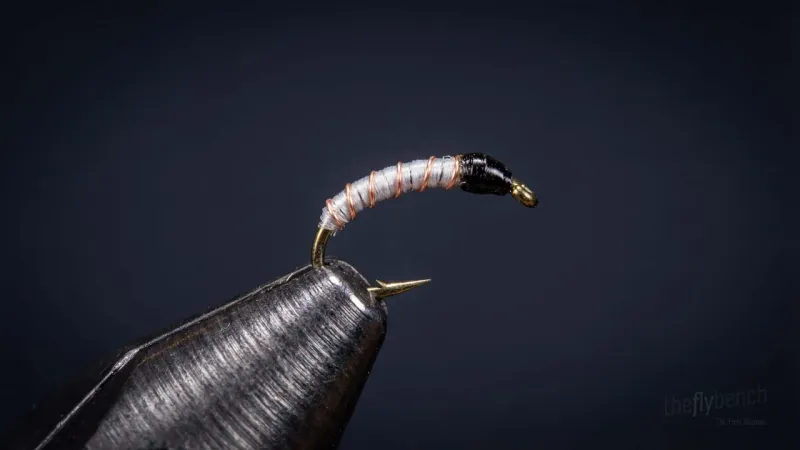
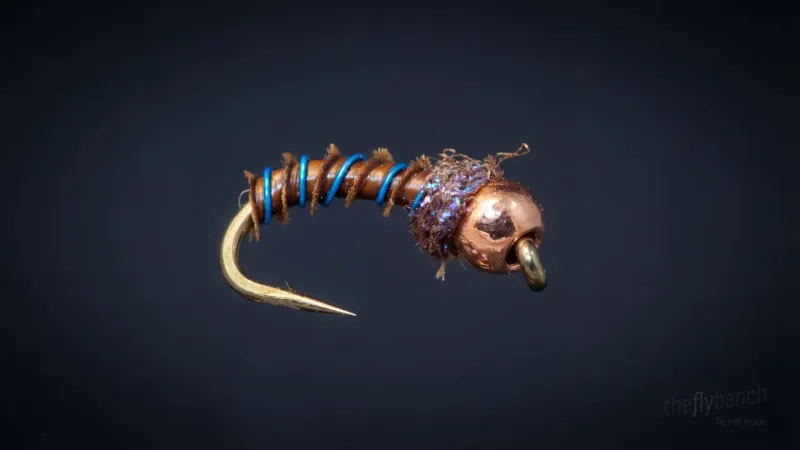
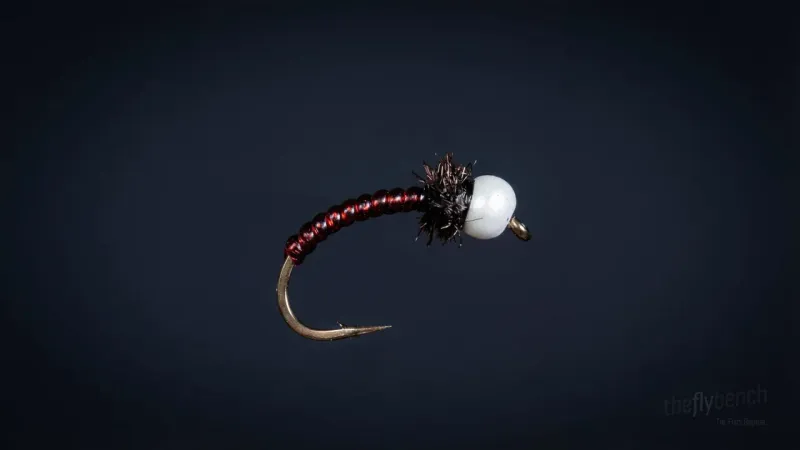
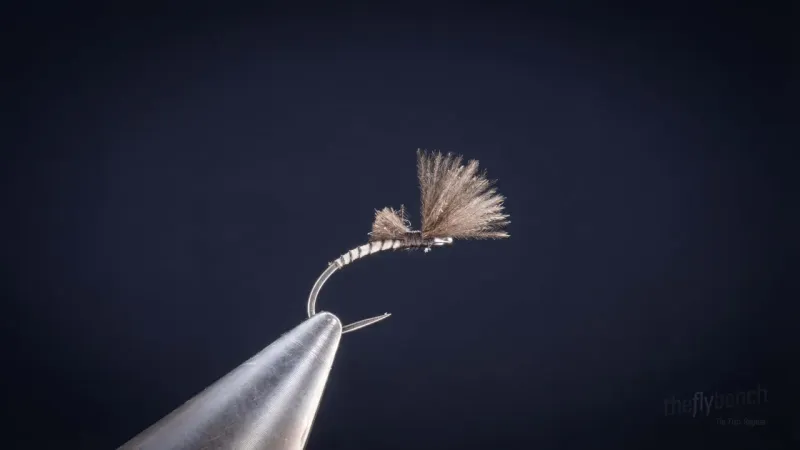
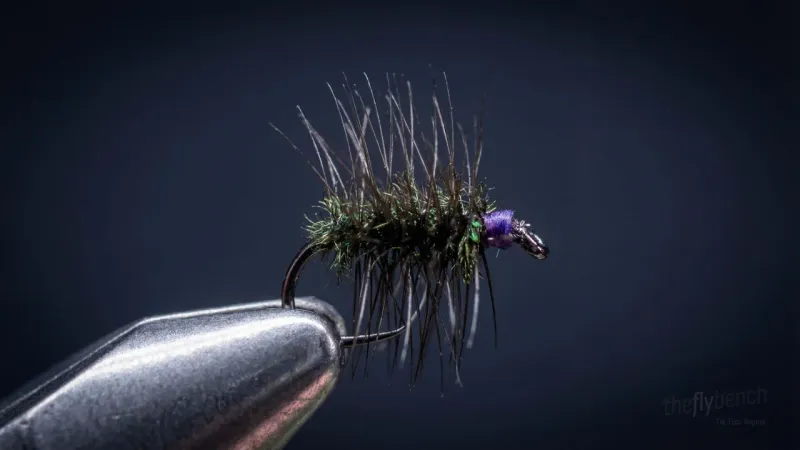
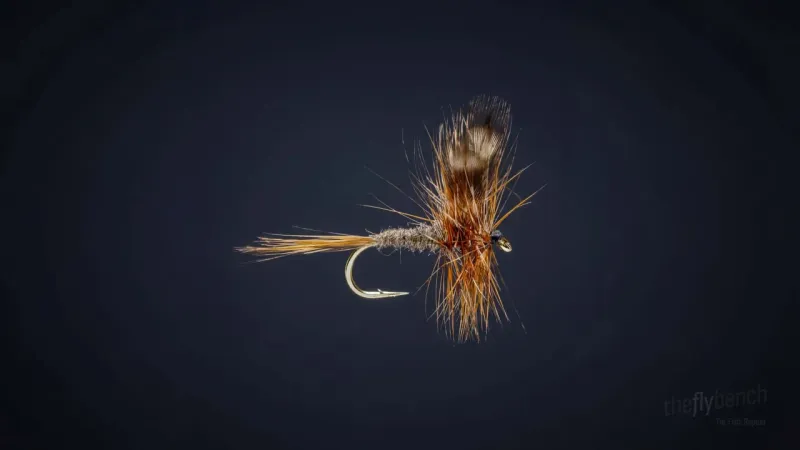
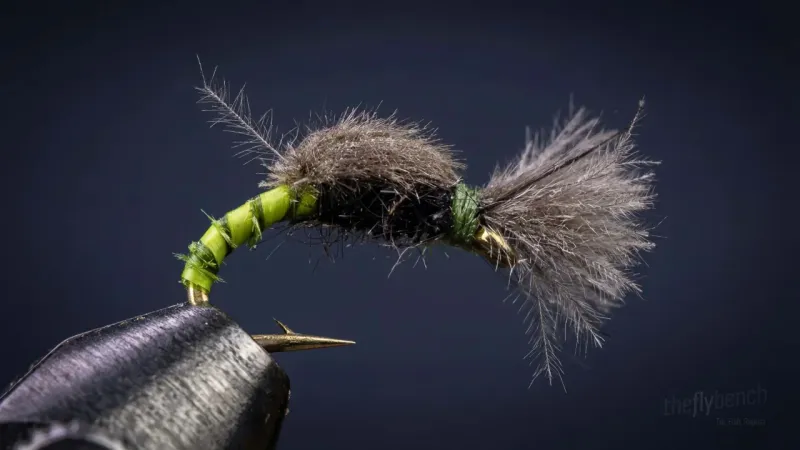
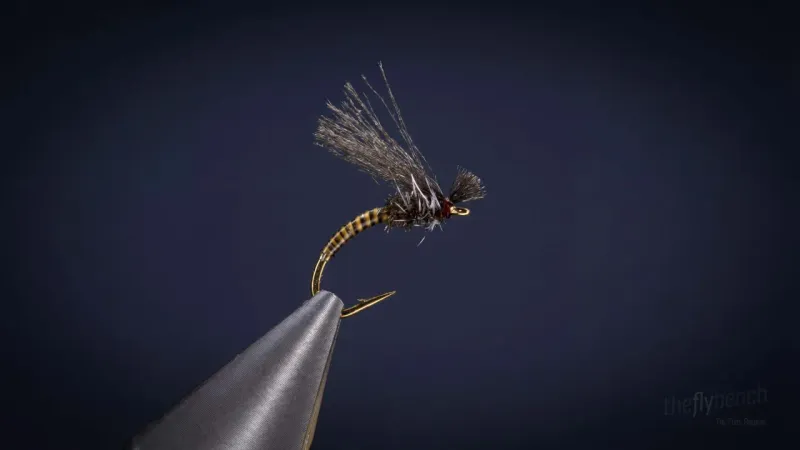
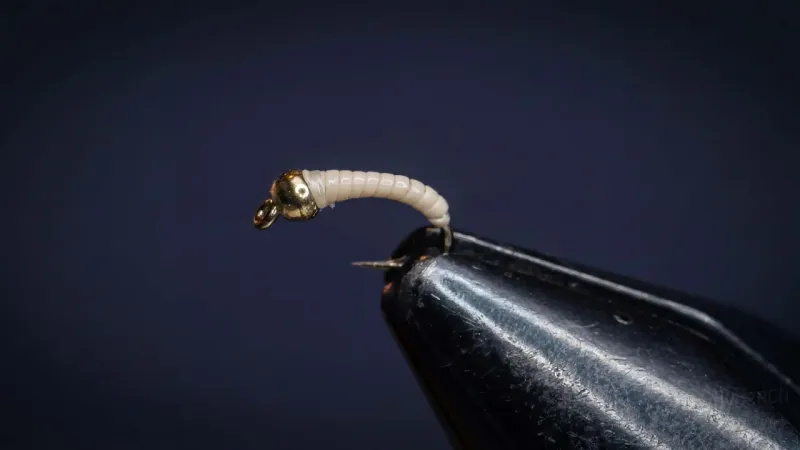
The Copperhead Midge is a simple and effective fly pattern that draws trout in with its bright copper wire body and lifelike appearance. The copper wire adds a bit of weight, helping the fly sink to the feeding zone quickly.
Spring, Summer, Fall, Winter
Intermediate
Trout
Apr 2025
Overview
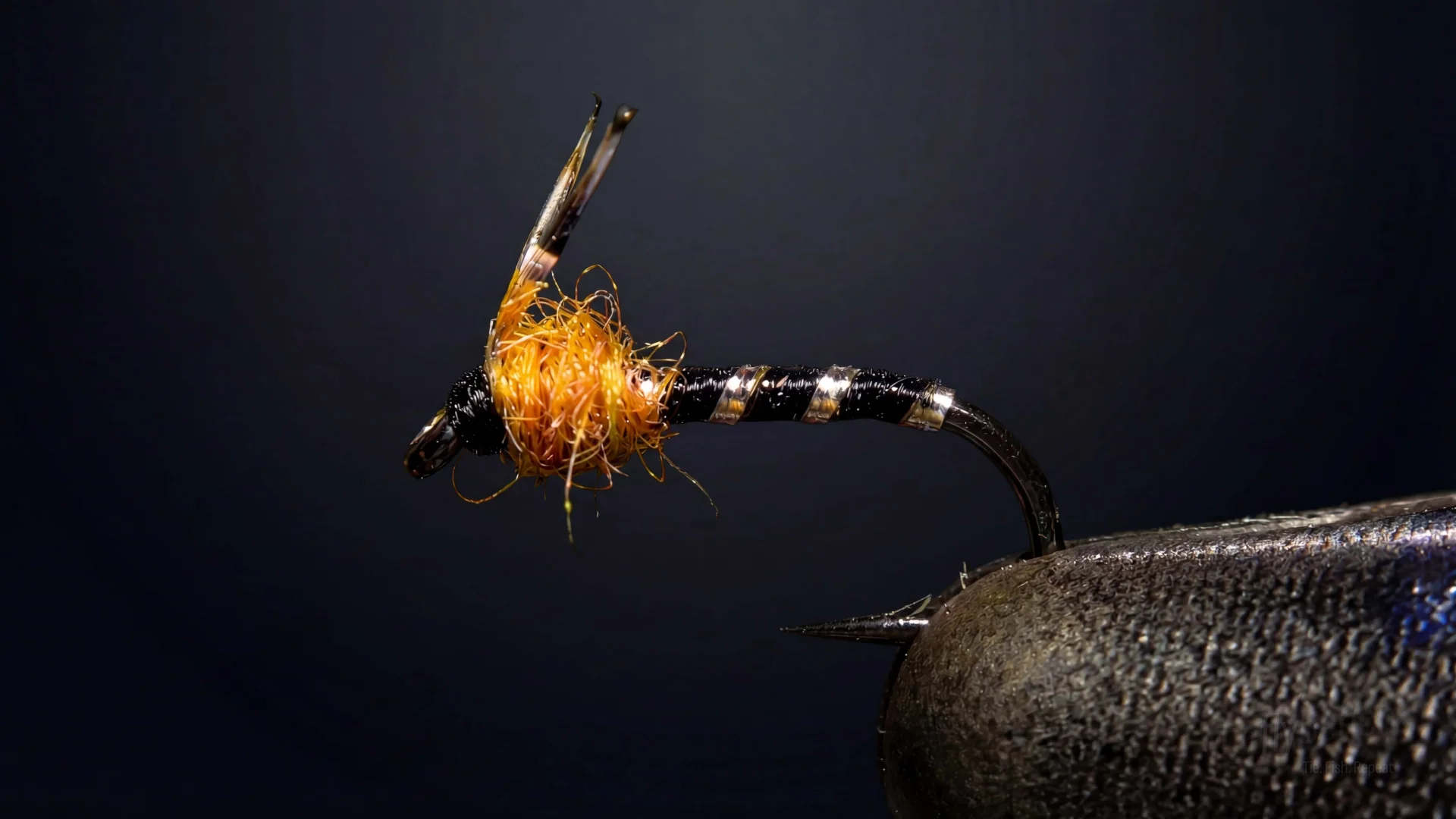
Built with a black thread base, bright copper wire for the body, fine copper Krystal Flash ribbing for segmentation and flash, and a thorax of amber Superfine dubbing, this simple pattern is a winter tailwater staple. The wire adds subtle flash and weight to reach feeding zones quickly, while the slender profile mimics midge larvae and pupae. It's easy to tie in volume and especially productive in cold months when midges dominate trout diets on western tailwaters and spring creeks.
Where to Buy This Fly
We only link to fly shops we trust. Some links are referral links, which may earn us a commission at no extra cost to you.
Materials
- Hook:
- Tiemco 2487, size #16–#20, 2X short curved shank for midges
- Thread:
- Black Veevus 14/0
- Body:
- Bright Copper Wire
- Rib:
- Copper Krystal Flash
- Thorax:
- Amber Superfine Dubbing
- Wing:
- Copper Krystal Flash
Behavior & Presentation
Natural Behavior: Midge larvae exhibit sinuous, wriggling swimming motions when dislodged from bottom substrates, undulating through the water column before settling back to the benthos. This distinctive wiggling behavior occurs frequently in areas with shifting sediments or during increased flows that disturb their habitat, and trout recognize this animated movement pattern during drift-feeding in tailwater runs.
Where Trout Eat It: Trout feed near bottom in tailwater runs where midge larvae concentrate in slow current, intercepting drifting larvae at eye level.
How to Fish It: Fish subsurface 8 inches above streambed using right-angle nymphing with indicator, positioning split shot above fly.
Best Water: Most productive in tailwater slicks and eddy lines where midge pupae collect during heavy emergences.
Strike Type: Fished subsurface 8 inches above streambed using right-angle nymphing with indicator, strikes appear as subtle indicator pauses or sideways slides. Trout intercept drifting larvae at eye level near bottom with gentle takes in tailwater slicks and eddy lines.
Fishing Strategy
Rigging Suggestions: Try fishing it on a light tippet under a strike indicator, or as part of a multiple-fly rig.
Seasonal Timing: This fly can be effective year-round, but is particularly useful during midge hatches in the and . Use this fly when trout are feeding on midges, which can happen at any time of year.
Pro Tips: The bright copper body of this fly makes it highly visible in the water, and its weight ensures that it sinks quickly to the feeding zone.
Entomology
Midge larvae exhibit sinuous, wriggling swimming motions when dislodged from bottom substrates, undulating through the water column before settling back to the benthos. This distinctive wiggling behavior occurs frequently in areas with shifting sediments or during increased flows that disturb their habitat. Trout recognize this animated movement pattern and intercept wriggling midge larvae during drift-feeding, as the motion signature differentiates live larvae from passive organic debris.
- Order
- Diptera
- Family
- Chironomidae
- Common Name
- Midge
- Organism Type
- insect
- Life Stage
- general