Dry FliesMarch Brown Dry
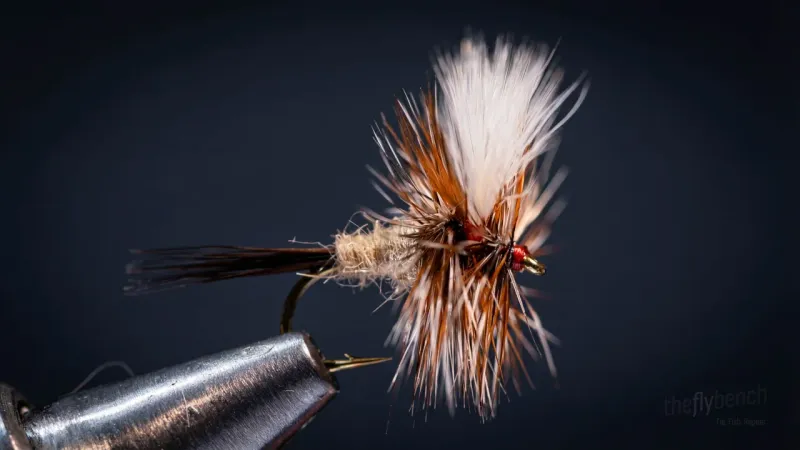
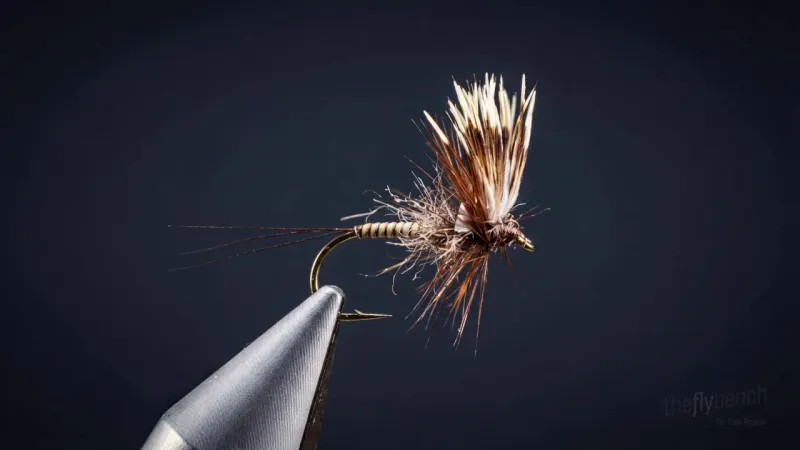
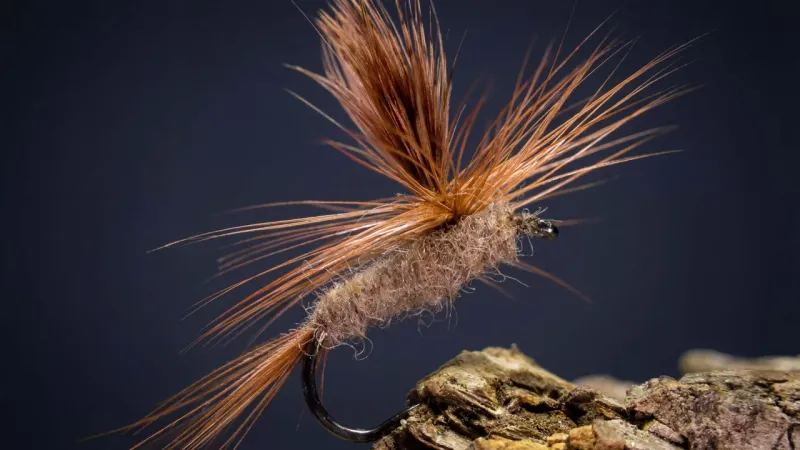
The March Brown Dry is a classic pattern that imitates the March Brown mayfly, one of the most prolific hatches in many trout waters. Its realistic body and wings make it highly effective when fish are rising to feed on the surface.
Spring
Intermediate
Trout
Apr 2025
Overview
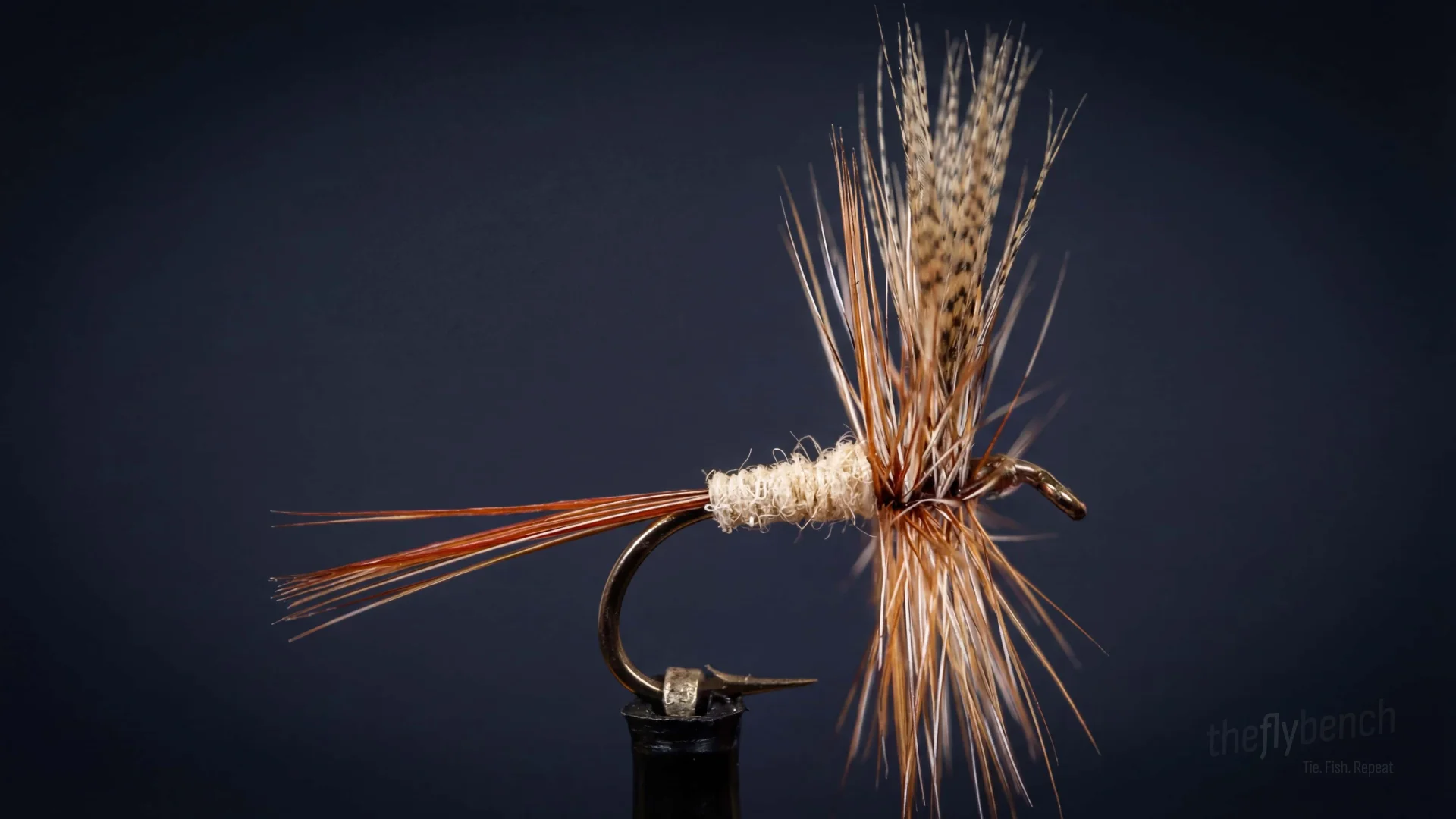
A traditional Catskill- or parachute-style mayfly imitation tied in brown/gray tones with a dubbed body, upright wing (calf or poly), and dry fly hackle. It matches natural March Browns and works in slow and moderate currents.
Where to Buy This Fly
We only link to fly shops we trust. Some links are referral links, which may earn us a commission at no extra cost to you.
Materials
- Hook:
- Standard dry-fly hook (here a Mustad 94840), sizes 10-14
- Thread:
- 6/0 or 140 Denier, olive
- Wing:
- Wood-duck feather
- Tail:
- Hackle fibers, brown
- Body:
- Rabbit-fur dubbing, fawn-colored
- Hackle:
- Brown and grizzly hackle
Behavior & Presentation
Natural Behavior: March Brown mayflies emerge from fast-flowing riffles during midday warm periods, crawling onto rocks or drifting to the surface where they ride currents while drying their wings before taking flight. The adults are strong fliers that return to oviposit by skittering across the surface, creating splashy disturbances that trigger aggressive strikes.
Where Trout Eat It: Trout take March Browns in the surface film along riffle edges and current breaks where duns drift after emergence, and in pocket water behind boulders where spent spinners accumulate.
How to Fish It: Fish with dead-drift presentations through feeding lanes during hatches, or skitter the fly across the surface to imitate egg-laying females returning to the water.
Best Water: Target riffle edges and pocket water behind structure in moderate to fast-flowing runs, focusing on foam lines where drifting insects concentrate.
Strike Type: Expect aggressive, splashy rises as trout react to the larger mayfly profile.
Fishing Strategy
Rigging Suggestions: Use 9-foot leaders tapered to 5X or 6X tippet. Apply floatant liberally to hackle and wing to maintain buoyancy through multiple drifts.
Seasonal Timing: Peak emergence occurs late April through early June, with best fishing during the warmest part of the day (11am-3pm) when water temperatures reach 48-55°F.
Pro Tips: March Browns are larger mayflies that produce aggressive takes. Watch for spinner falls in late afternoon when egg-laying females return to water—fish often prefer spent spinners over emerging duns.
Entomology
Adult March Brown mayflies rest delicately on the water surface after emergence or return to oviposit, riding the current with their distinctive mottled wings held upright and tails trailing behind. Fish recognize these large, meaty insects as premium feeding targets during spring hatches, eagerly rising to intercept them before they can escape into flight.
- Order
- Ephemeroptera
- Family
- Ephemeridae
- Common Name
- March Brown
- Organism Type
- insect
- Life Stage
- adult