

Overview
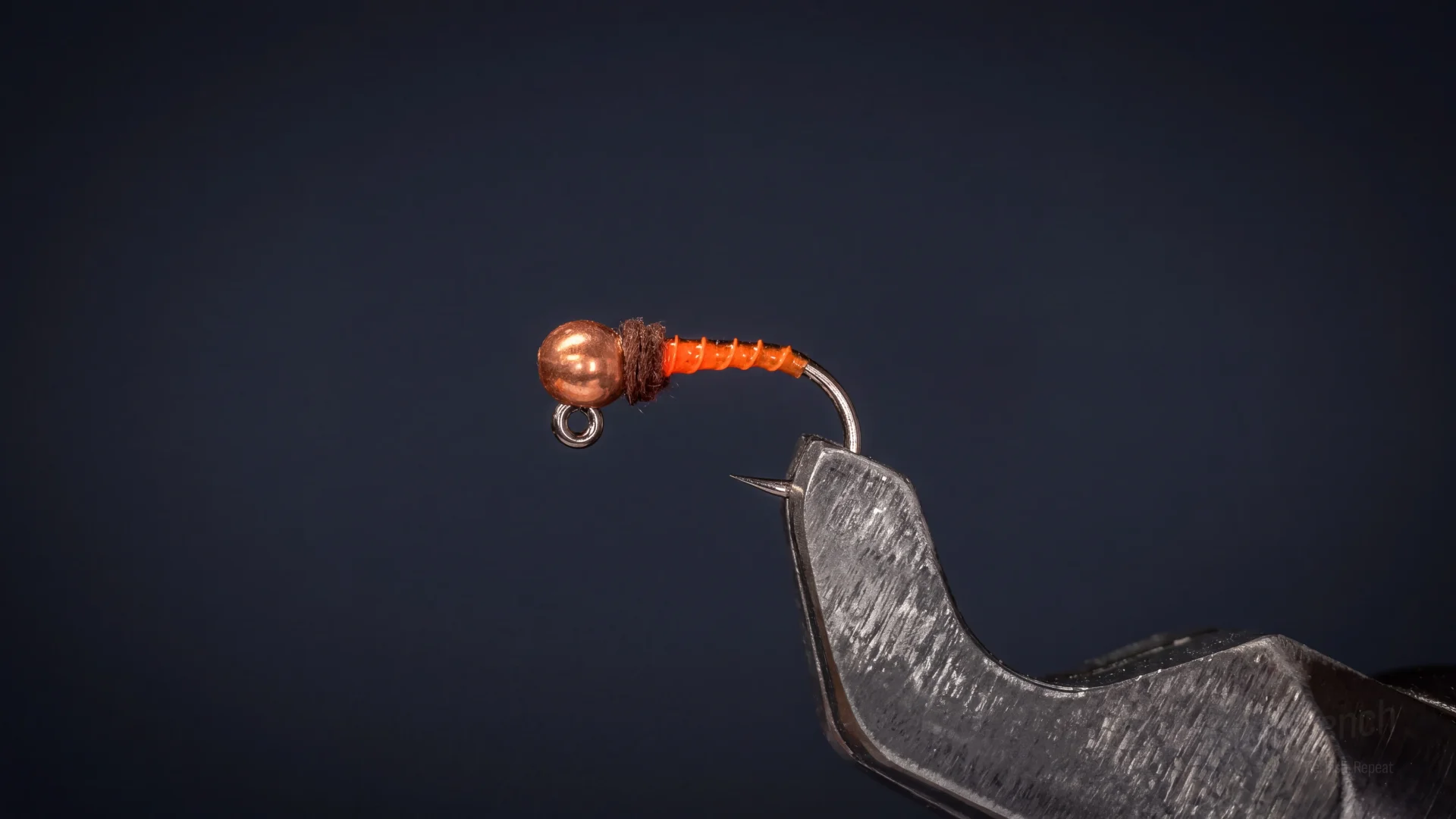
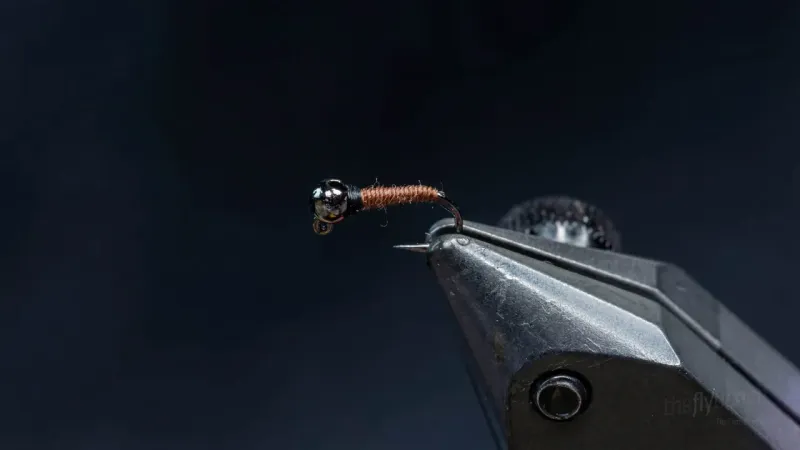
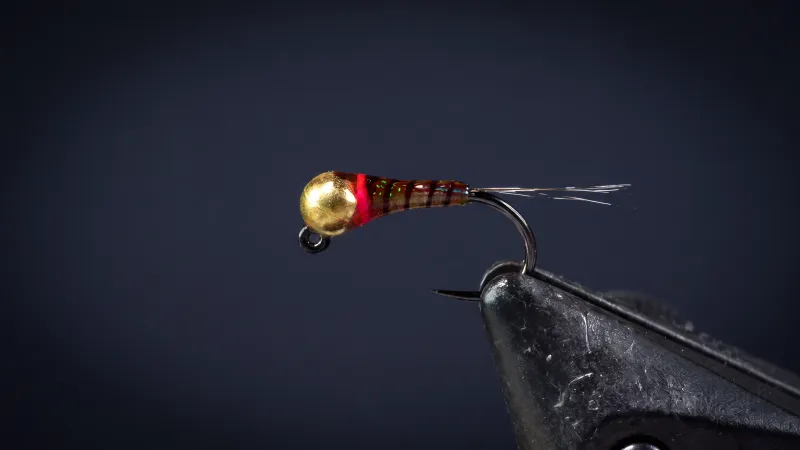
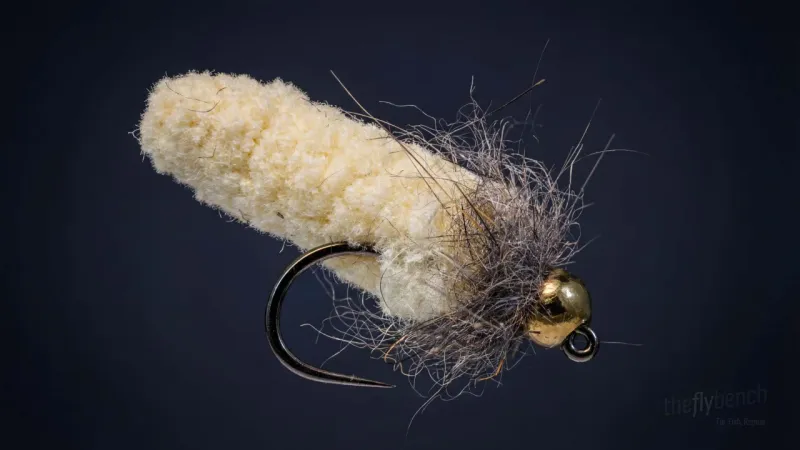
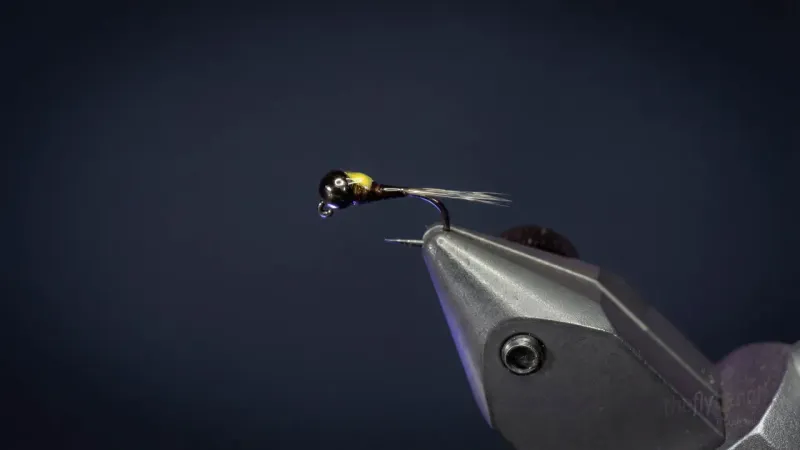
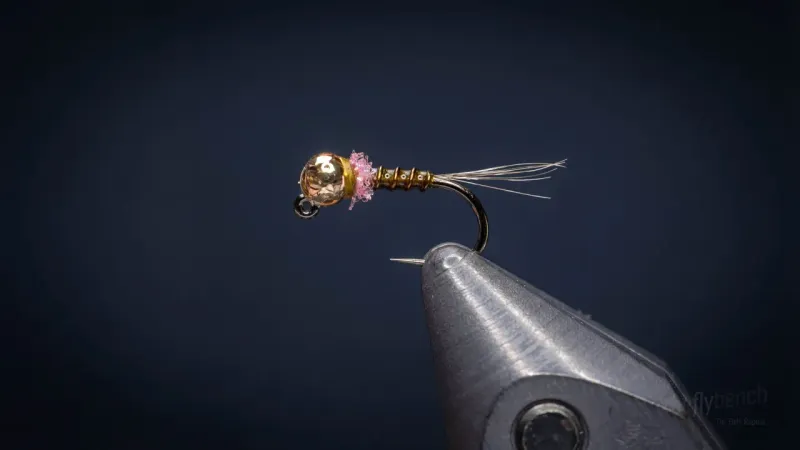
Dylan Gonzales built the Jig Sticker for the San Juan River and has since fished it from New Mexico to Idaho, with friends taking fish on it in Tennessee. The dubbed brown collar was his uncle Ed's idea. The body is just tapered black thread colored with a brown marker for segmentation and sealed with Solarez Bone Dry, so a size 18 ties up in minutes and still sinks fast on a 3.0mm bead.
Related patterns


Behavior & presentation
- Natural Behavior
- Small brown mayfly nymphs lose their grip on gravel and weed beds and drift low in the current, slim and dark, before settling again a few feet downstream.
- Where Trout Eat It
- Trout hold close to the bottom in riffles and pocket water and pick off the steady trickle of tiny nymphs passing their lane, often with little movement.
- How to Fish It
- Fish it on a tight-line rig as the dropper or the point fly, leading it through the drift with the sighter just off the water so the fly ticks along near the bottom.
- Best Water
- Riffle drop-offs, pockets behind rocks, and the seams where fast water meets slower water on tailwaters like the San Juan.
- Strike Type
- Takes are small: the sighter pauses, twitches or slides upstream, so lift on anything that breaks the steady pace of the drift.
Fishing strategy
- Rigging Suggestions
- Run it as the tag fly above a heavier point nymph, or on the point when the water is shallow enough for the 3.0mm bead to reach bottom alone. Use 5X-6X fluorocarbon to keep the small fly natural and sinking fast.
- Seasonal Timing
- Fishes all year on tailwaters, where small mayfly nymphs are always in the drift. Especially useful in winter and early spring when trout feed close to the bottom.
- Pro Tips
- The size 18 profile and quiet brown body suit heavily fished trout that have seen bigger, flashier nymphs. Keep tight contact through the drift and treat every pause in the sighter as a fish. Tie a few with the hot spot in different shades to see what the trout want that day.
Entomology
Small mayfly nymphs graze on algae among gravel and weeds and regularly let go of the bottom to drift short distances, especially around dawn and dusk. Their slim, dark bodies tumble low in the current, giving bottom-holding trout an easy, constant food source in tailwaters and riffles.
- Order
- Ephemeroptera
- Common name
- Mayfly
- Organism
- insect
- Life stage
- nymph
Pattern details
- Moving Water
- Southwest
- Rocky Mountain
- Southeast
- tight-line-nymph
- dead-drift
- modern
- jigging
- tailwater
- low-clear-water
- beginner-friendly