

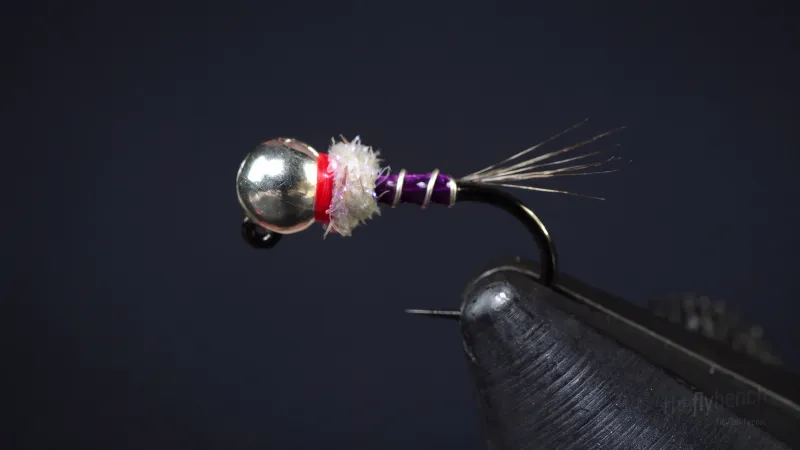
Overview
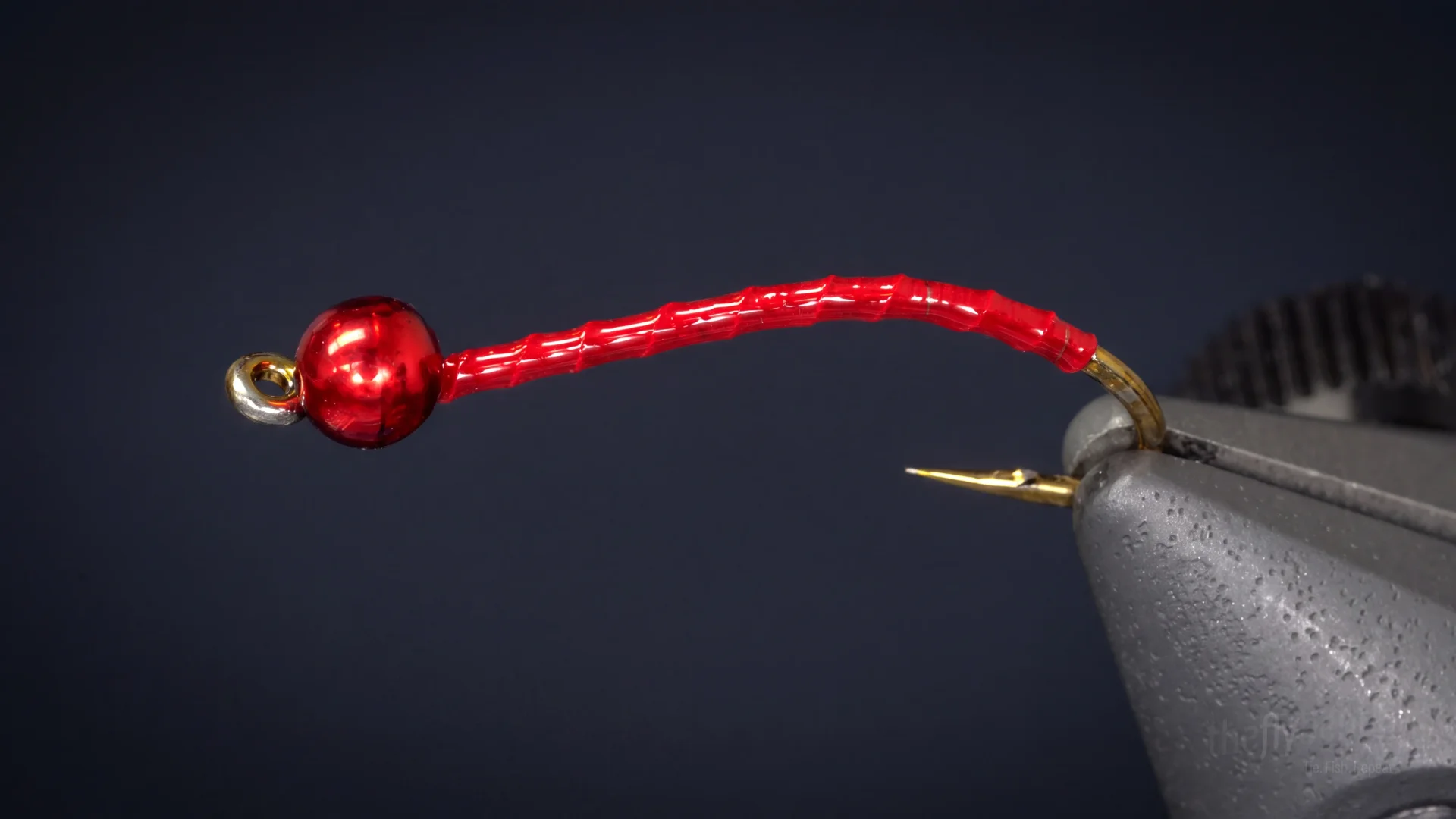
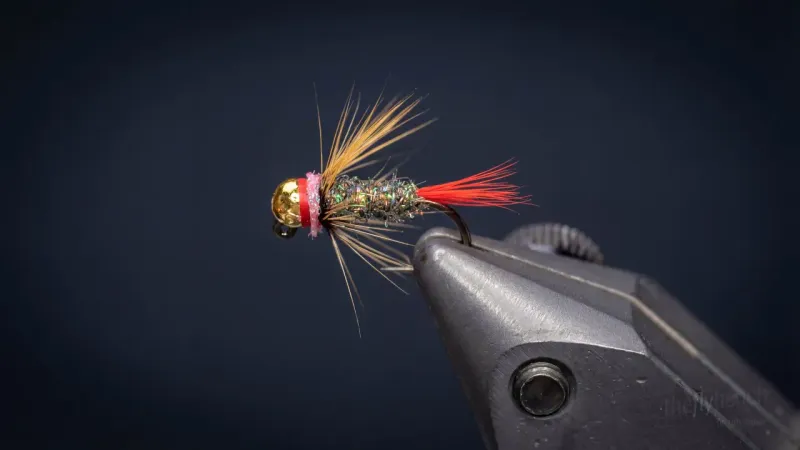
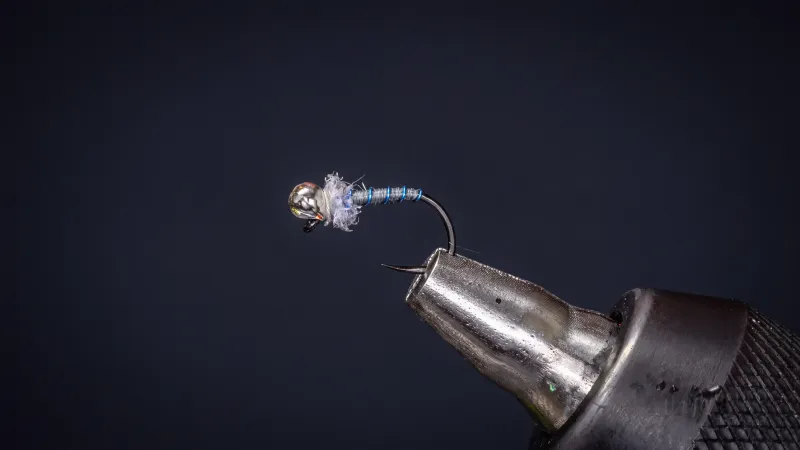
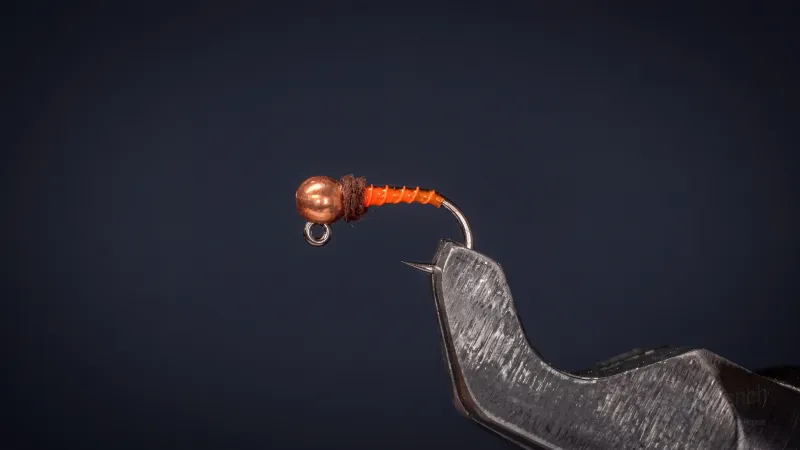
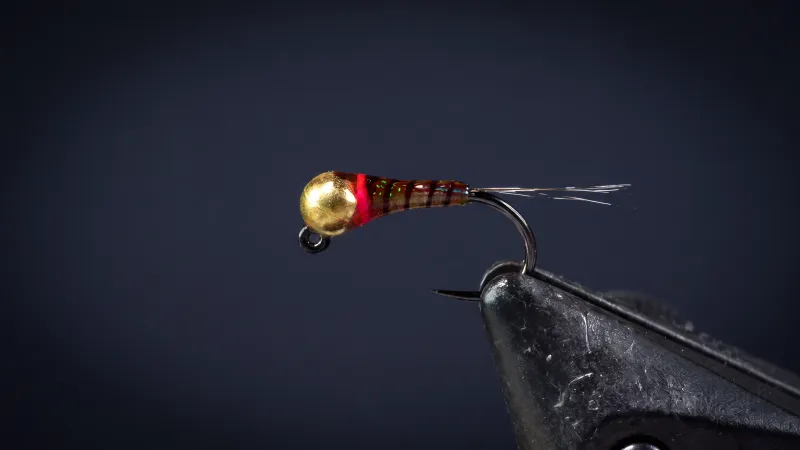
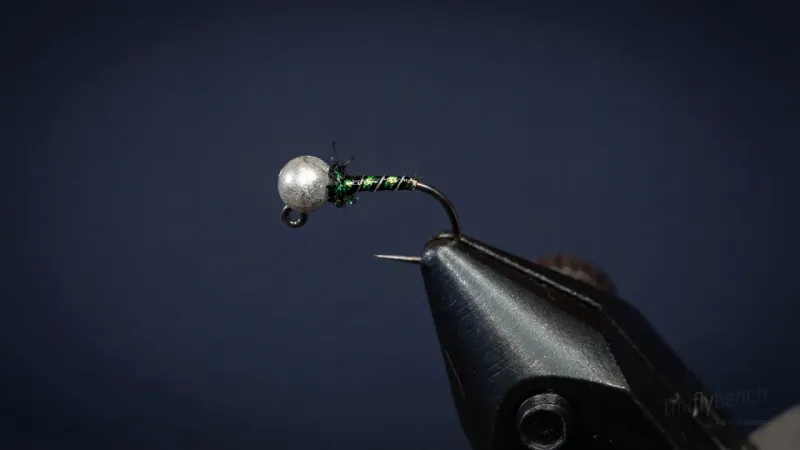
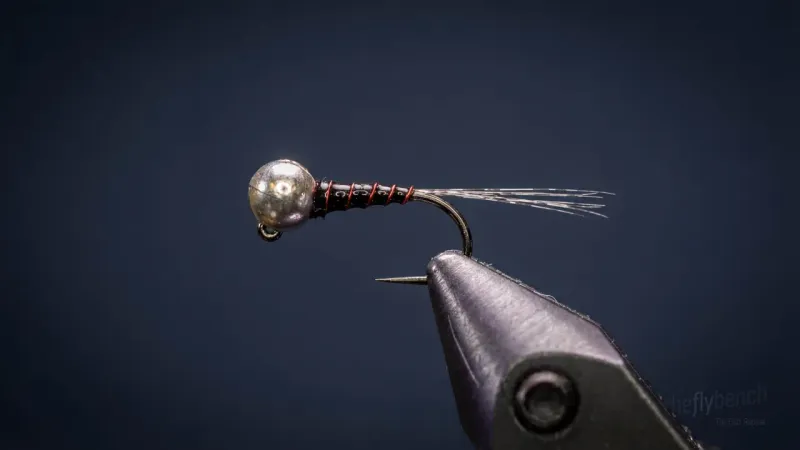
Kyle at AvidMax tied the Jig-A-Lid for the shop's Tying Tuesday series, where it takes under five minutes. The red jig bead adds weight and a matching head, and a thin coat of UV resin over the fluorescent floss gives a smooth, glossy body that holds up to repeated hookups. Solarez Bone Dry stands in for Raidzap if you can't find it. It earns its spot in stained water and on tailwaters with heavy midge populations.
Related patterns
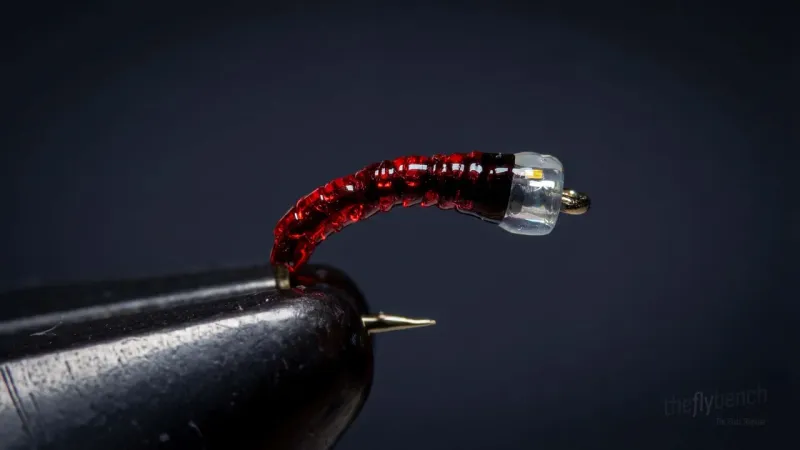
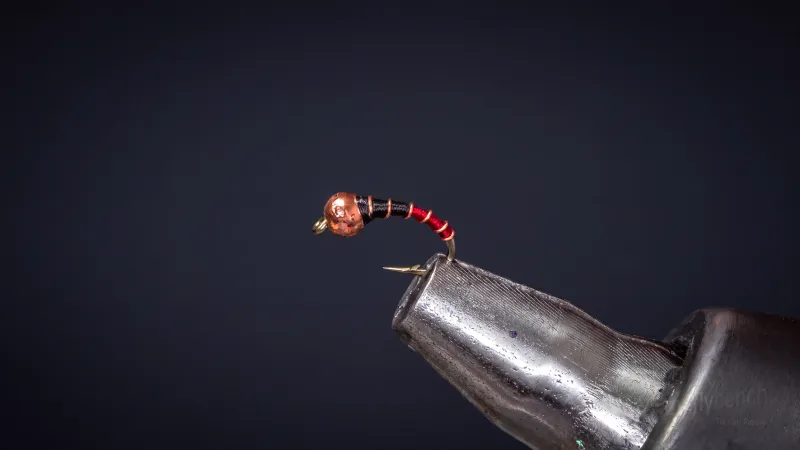
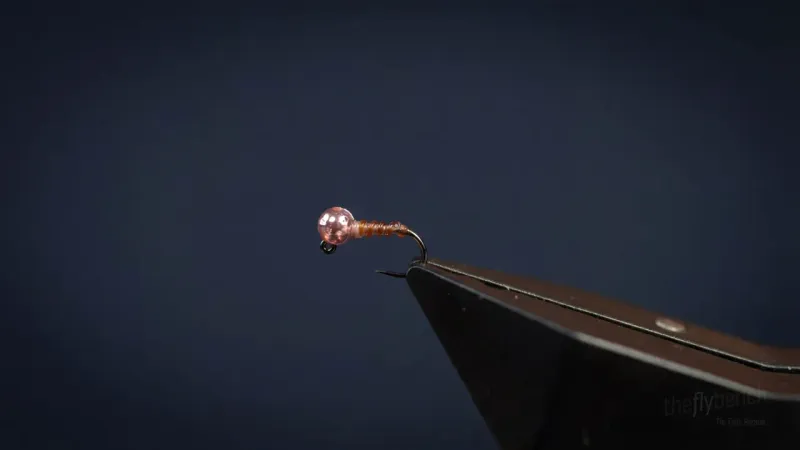
Behavior & presentation
- Natural Behavior
- Bloodworms live in silt and fine gravel, and they wash loose in high flows or when tailwater releases change. A drifting larva twists and curls slowly near the bottom, showing a thin, bright red body.
- Where Trout Eat It
- Trout pick bloodworms off the bottom in tailwater runs below dams and in the soft margins where silt builds up. In lakes, they cruise the muddy shallows and drop-offs where midge larvae live.
- How to Fish It
- Fish it as the point fly on a tight-line rig, or under an indicator when the run is too wide to reach. The tungsten bead gets it down fast, so keep the drift slow and close to the bottom.
- Best Water
- Deep slots below riffles, slow seams beside the main current, soft tail-outs over silt, and the drop-off edges of lake flats.
- Strike Type
- The sighter stalls or slides upstream, or the indicator dips just slightly. Trout eat a drifting bloodworm without moving far, so set on any pause.
Fishing strategy
- Rigging Suggestions
- Use it as the anchor fly on a two-fly Euro rig with a smaller midge or mayfly nymph on a tag 18 to 20 inches up. Use 5X or 6X fluorocarbon. Under an indicator, set the depth so the fly ticks bottom now and then, and let the bead do the work without extra split shot.
- Seasonal Timing
- Midge larvae are in the drift all year, so it fishes in every month. It is most useful in winter and early spring, when midges are the main food on tailwaters, and whenever runoff or a dam release colors the water.
- Pro Tips
- Tie a few with the resin coat kept thin so the body stays slim. In clear, low water, drop down a hook size and lighten the tippet. In stained water, the fluorescent red shows up well where natural-colored nymphs disappear.
Entomology
Bloodworms are chironomid midge larvae that get their red color from hemoglobin, which lets them live in low-oxygen silt and mud. They are knocked loose by changing flows and drift near the bottom, where trout eat them steadily throughout the year.
- Order
- Diptera
- Family
- Chironomidae
- Common name
- Bloodworm
- Organism
- insect
- Life stage
- larva
Pattern details
- Moving Water
- Stillwater
- Rocky Mountain
- tight-line-nymph
- indicator-nymph
- dead-drift
- midge-hatch
- tailwater
- beginner-friendly
- attractor
- jigging
- modern